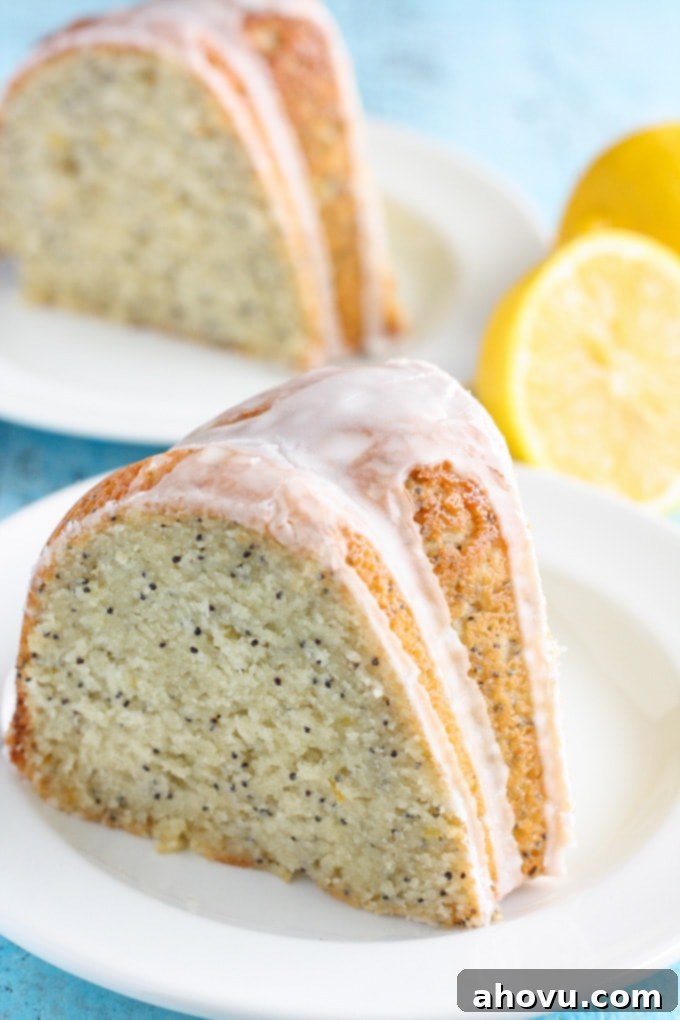
The Ultimate Moist & Zesty Lemon Poppy Seed Bundt Cake Recipe
Prepare to be captivated by this extraordinary Lemon Poppy Seed Bundt Cake – a dessert that promises to be incredibly moist, perfectly balanced in sweetness, and bursting with vibrant lemon flavor! Crafted entirely from scratch, it features an irresistible, homemade lemon glaze that truly elevates every slice. This isn’t just a cake; it’s a celebration of fresh, bright flavors, making it the perfect treat for any occasion, from a casual afternoon tea to a festive gathering.
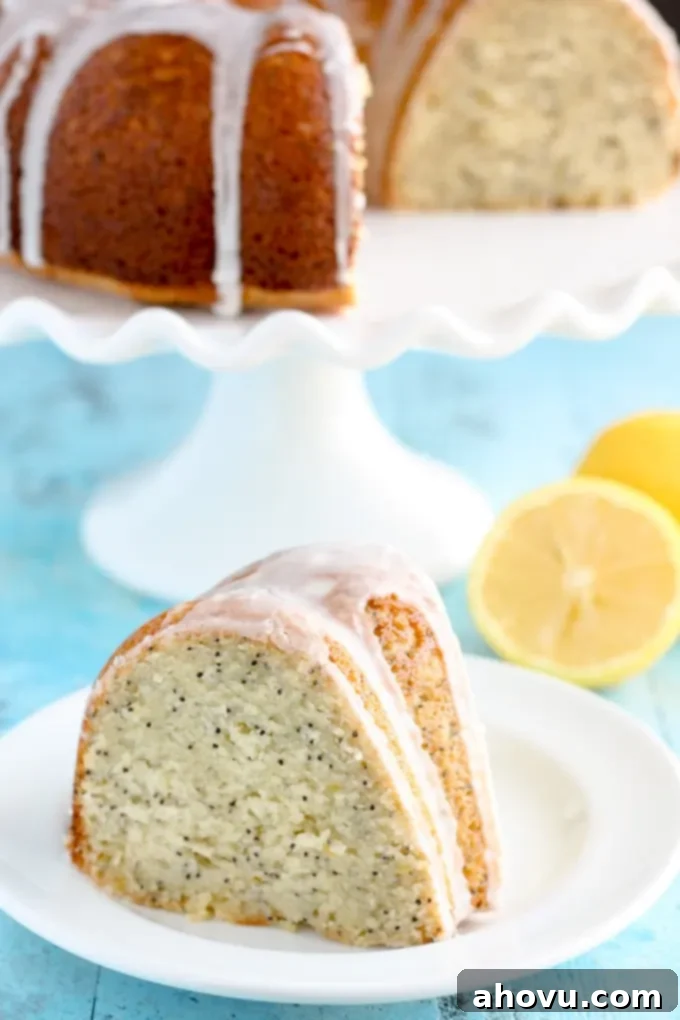
When it comes to dessert preferences, do you find yourself drawn more towards the rich indulgence of chocolate or the refreshing zest of lemon? This is a delightful dilemma many bakers and eaters face, and honestly, choosing between the two can be incredibly challenging. While the deep, comforting flavors of chocolate hold a special place in many hearts, there’s an undeniable charm and invigorating quality that only a well-made lemon dessert can provide. It’s often the perfect counterpoint to colder weather or a wonderful way to bring a touch of sunshine to any day.
Given that my recent baking adventures might have leaned a little heavily into the decadent world of chocolate, and with the chill of winter still lingering, I felt it was the perfect moment to introduce something wonderfully bright and fresh. Today, I’m thrilled to share with you this spectacular Lemon Poppy Seed Bundt Cake, designed to awaken your senses and add a burst of sunshine to your kitchen. Its delightful balance of tangy lemon and subtle poppy seed texture is sure to become a new favorite in your repertoire.
This particular recipe has been meticulously developed, drawing inspiration from some tried-and-true favorites. It thoughtfully combines elements from my beloved vanilla cupcake recipe (scaled up for a larger cake) with insights from a classic lemon bundt cake by Martha Stewart. The journey to perfection wasn’t without its trials, however. During my initial attempt, I opted for an all-butter base, which, while flavorful, resulted in a cake that was a bit too dense for my liking and, disappointingly, lost its moisture quickly overnight. I knew I could do better to achieve that ideal, melt-in-your-mouth texture.
After careful consideration and a few adjustments, I discovered the secret to achieving that perfect texture: a harmonious blend of butter and oil. This seemingly small change made a monumental difference! The cake retains the rich, unparalleled flavor that only butter can provide, but the addition of just 1/4 cup of neutral-flavored oil works wonders. It helps to lighten the crumb, preventing it from becoming overly dense, and, crucially, ensures the cake remains incredibly moist and tender for days. This combination delivers a superior texture that is both buttery and wonderfully light.
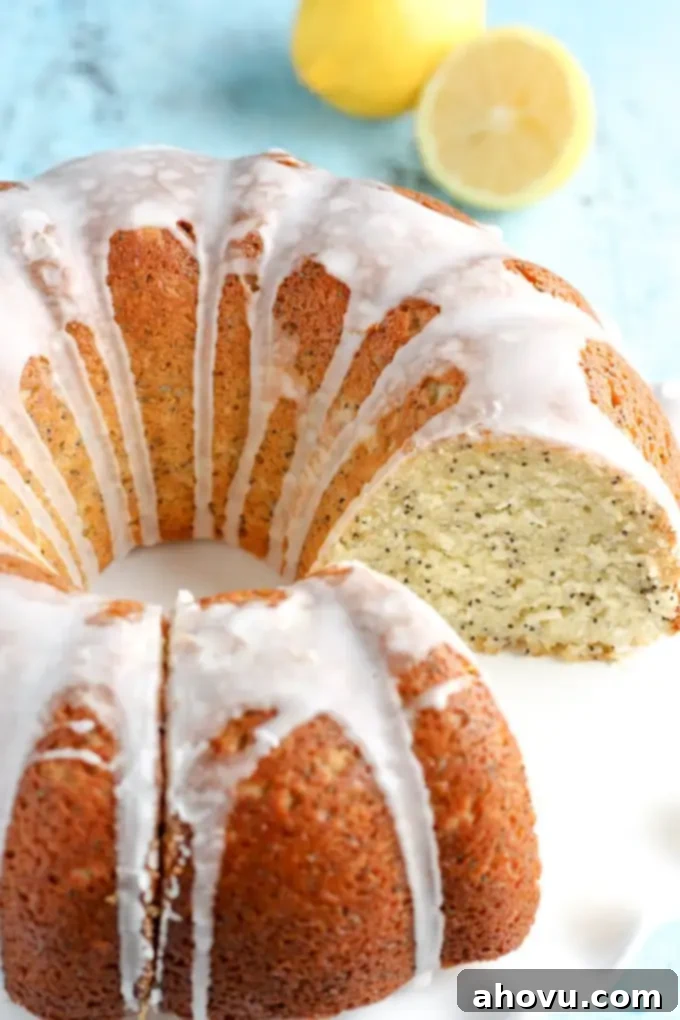
While the cake itself is a masterpiece, the homemade lemon glaze is truly the crowning jewel. It’s an absolute non-negotiable step if you want to experience the full symphony of flavors this dessert offers. This simple, two-ingredient glaze adds not only a beautiful sheen but also an extra ‘pop’ of intense lemon flavor that brightens the entire cake. Don’t even think about skipping it – it’s incredibly easy to whip up in mere minutes and completes the experience, adding both sweetness and that essential tangy kick.
Essential Ingredients for Your Luscious Lemon Poppy Seed Bundt Cake
Crafting this delightful lemon poppy seed cake from scratch is surprisingly straightforward, relying on a selection of pantry staples you likely already have on hand. Each ingredient plays a vital role in achieving the cake’s signature moist texture and bright flavor. Here’s a detailed look at what you’ll need and why:
- All-purpose flour: The structural backbone of your cake. For an accurate measurement and a tender crumb, it’s crucial to spoon and level your flour. Scooping directly from the bag can compact it, leading to a denser, heavier cake. Precision here ensures a light and airy result.
- Baking powder & baking soda: These are your leavening agents, working in tandem to create air bubbles within the batter, which expand in the oven and give the cake its beautiful rise and soft texture. Ensure they are fresh for optimal results.
- Salt: A seemingly small addition, but incredibly important. Salt doesn’t just add flavor; it balances and enhances the sweetness of the sugar and brightens the lemon notes, preventing the cake from tasting flat or overly sugary.
- Poppy seeds: These tiny seeds contribute a wonderful, subtle nutty flavor and a delicate crunch that adds an interesting textural dimension to the cake. Visually, they create a beautiful speckled appearance. If you don’t have them on hand, or prefer a simpler cake, they can certainly be omitted, leaving you with an equally marvelous plain lemon bundt cake.
- Unsalted Butter: Butter provides unparalleled richness and flavor to the cake. It’s crucial that it’s softened to room temperature before use, as it’s beaten with the granulated sugar for several minutes. This creaming process incorporates air into the mixture, which is essential for creating a fluffy, tender cake crumb.
- Granulated sugar: Beyond just sweetening the batter, sugar also contributes to the cake’s moistness and tenderness by helping to retain moisture. It offers pure sweetness without introducing any competing flavors, allowing the lemon to shine.
- Large Eggs: Eggs serve multiple purposes: they bind the ingredients together, add richness, and contribute to the cake’s structure and moisture. For best results, ensure your eggs are at room temperature. This allows them to emulsify more effectively with the butter and sugar, creating a smoother, more uniform batter and a finer crumb.
- Pure Vanilla extract: A classic flavor enhancer, vanilla extract adds depth and warmth to the cake, complementing the bright lemon notes without overpowering them. Always opt for pure vanilla for the strongest and most authentic flavor.
- Fresh Lemon juice and zest: This is where the star of the show truly shines! I cannot emphasize enough the importance of using freshly squeezed lemon juice and fresh zest. Bottled juice often lacks the vibrant, complex flavor of fresh lemons, and the zest contains concentrated essential oils that deliver an incredible aromatic punch. You’ll need both for the cake and the glaze, so grab a few bright yellow lemons.
- Neutral Oil (Canola or Vegetable Oil): The secret weapon for ultimate moisture! While butter provides flavor, a quarter cup of canola or vegetable oil contributes significantly to the cake’s tenderness and keeps it incredibly moist for days, preventing it from drying out. Its neutral flavor ensures it won’t interfere with the delicate lemon taste.
- Sour cream: A fantastic ingredient for adding richness, moisture, and a subtle tang to baked goods. Sour cream helps create an incredibly tender crumb. If you find yourself without sour cream, plain full-fat Greek yogurt is an excellent substitute, offering similar moisture and a pleasant tang.
- Confectioners’ sugar (Powdered Sugar): The base for our dazzling lemon glaze. Its fine texture allows it to dissolve smoothly with the lemon juice, creating a silky, pourable glaze that sets beautifully.
Crafting Your Perfect Lemon Poppy Seed Bundt Cake: A Step-by-Step Guide
Baking this bundt cake is a rewarding experience, and following these steps carefully will ensure a flawless, delicious result every time. Precision and attention to detail are key to achieving that coveted moist and fluffy texture.
- Prepare Your Dry Ingredients: Begin by preheating your oven to 350°F (180°C). In a large mixing bowl, combine your all-purpose flour (remember to spoon and level!), baking powder, baking soda, salt, and poppy seeds. Whisk these dry ingredients together thoroughly to ensure they are evenly distributed. This step prevents pockets of leavening agents or salt in the final cake. Set this bowl aside.
- Cream the Butter and Sugar: In the bowl of a stand mixer fitted with the paddle attachment, or using a large mixing bowl and a hand-held mixer, beat the softened unsalted butter and granulated sugar together. This is a crucial step; continue beating for several minutes until the mixture becomes light, fluffy, and noticeably pale in color. This creaming process incorporates a significant amount of air, which contributes to the cake’s soft and tender crumb. Do not rush this step!
- Integrate the Wet Ingredients: With the mixer on low speed, add the large eggs one at a time, allowing each egg to fully incorporate into the butter-sugar mixture before adding the next. Scrape down the sides of the bowl as needed. Once the eggs are in, mix in the vanilla extract. Then, slowly drizzle in the fresh lemon juice, lemon zest, and neutral oil, mixing until just combined. Be careful not to overmix at this stage.
- Combine Wet and Dry Alternately: Now, it’s time to bring everything together. Alternate adding the prepared flour mixture and the sour cream to the wet ingredients. Start by adding about a third of the flour mixture, mix until just combined, then add half of the sour cream, mix, followed by another third of the flour, the remaining sour cream, and finally the last third of the flour. Mixing until *just* combined is critical to avoid overdeveloping the gluten in the flour, which can lead to a tough cake.
- Prepare the Bundt Pan: Generously spray a 10-inch bundt pan with a high-quality non-stick baking spray (one that contains flour is ideal) or grease it thoroughly with butter and then dust it lightly with flour, tapping out any excess. This ensures easy release of the cake after baking. Carefully pour the batter into the prepared bundt pan and gently spreading it around to ensure an even layer.
- Bake to Golden Perfection: Place the bundt pan in your preheated oven and bake for approximately 45-55 minutes. The exact baking time can vary depending on your oven, so keep an eye on it. The cake is ready when a wooden skewer or toothpick inserted into the thickest part comes out clean or with only a few moist crumbs attached. If you notice the top of the cake browning too quickly during the last 5-10 minutes, loosely tent the pan with aluminum foil to prevent further browning while allowing the inside to finish baking.
- Cooling Process: Once baked, remove the cake from the oven and let it cool in the bundt pan on a wire rack for a crucial 30 minutes. This allows the cake to firm up slightly, making it easier to handle without breaking. After 30 minutes, carefully invert the cake onto the wire rack to cool completely. Ensure it is entirely cool before applying the glaze; otherwise, the glaze will melt right off.
Creating the Irresistible Lemon Glaze:
- Mix the Glaze: In a small mixing bowl, combine the confectioners’ sugar and 2 tablespoons of fresh lemon juice. Whisk vigorously until the mixture is completely smooth and free of lumps. The consistency should be pourable but thick enough to coat a spoon. If it’s too thick, add more lemon juice a teaspoon at a time until you reach your desired consistency. If it’s too thin, add a little more confectioners’ sugar.
- Glaze the Cooled Cake: Once your bundt cake has cooled completely, place a piece of foil or parchment paper underneath the wire rack. This clever trick will catch any drips from the glaze, making cleanup a breeze. Evenly pour the prepared lemon glaze evenly over the cooled cake, allowing it to slowly drip down the sides.
- Set and Serve: Let the glazed cake sit for about 10-15 minutes, or until the glaze has slightly hardened and set. This allows the beautiful, shiny coating to become stable. Once set, slice the cake with a serrated knife and serve immediately to enjoy its fresh, zesty flavors!

Can I Bake This Cake Without a Bundt Pan?
Absolutely! While the bundt pan gives this cake its signature elegant shape, you can certainly adapt the recipe if you don’t own one. This recipe yields a generous amount of batter, which is perfect for filling two 8×8-inch square cake pans. Simply divide the batter evenly between the two pans. It’s crucial not to try and cram all the batter into a single regular cake pan, as it will surely overflow in the oven and create a significant mess. If using 8×8-inch pans, keep in mind that the baking time will be slightly shorter, typically around 30-40 minutes, but always rely on the toothpick test for doneness.
Expert Baking Tips for a Flawless Lemon Poppy Seed Bundt Cake
- Boosting Lemon Flavor: The base cake recipe offers a lovely, subtle lemon essence, but if you’re a true lemon aficionado (like myself!), don’t hesitate to intensify that citrusy punch. You can absolutely add a bit more lemon zest to the batter. Zest carries the concentrated lemon oils and flavor without altering the liquid balance of the recipe. However, avoid adding more lemon juice directly to the batter, as excess liquid can negatively affect the cake’s delicate texture and structure, making it too moist or even gummy.
- Preventing Over-Browning: Ovens can be notoriously temperamental, and sometimes the top of your bundt cake might start to brown more quickly than the inside finishes baking. If you notice this happening during the last 5-10 minutes of baking, simply loosely tent the pan with aluminum foil. This acts as a shield, preventing further browning while allowing the cake to continue cooking through evenly.
- Effortless Glaze Cleanup: Glazing a bundt cake can sometimes be a bit messy with drips. To save yourself from a sticky countertop cleanup, place a piece of foil or parchment paper directly underneath the wire rack on which your cake is cooling and being glazed. This simple trick will catch any excess glaze that drips off, making disposal incredibly easy and leaving your workspace spotless.
- Room Temperature Ingredients are Key: This tip is worth repeating for many baking recipes, including this one. Ensuring your butter and eggs are at room temperature is vital for a smooth, emulsified batter and a tender cake. Cold ingredients don’t blend evenly, leading to a lumpy batter and a potentially dense cake.
- Don’t Overmix the Batter: Once you start incorporating the flour, mix the batter only until the ingredients are just combined. Overmixing develops the gluten in the flour, which can result in a tough, chewy cake rather than a light and tender one. A few lumps are perfectly fine and often preferred.
- Cooling Completely Before Glazing: Patience is a virtue when it comes to glazing. It’s essential that the cake is completely cooled before you pour on the lemon glaze. If the cake is still warm, the glaze will simply melt and run off, rather than forming that beautiful, shiny, and slightly firm coating.
More Zesty Lemon Dessert Recipes to Brighten Your Day!
If this Lemon Poppy Seed Bundt Cake has ignited your passion for all things citrus, you’ll love exploring these other fantastic lemon-infused treats from my kitchen. Each one offers a unique way to enjoy the refreshing flavor of lemon:
- Glazed Lemon Bread
- Lemon Blueberry Cupcakes with Cream Cheese Frosting
- Blueberry Lemon Bread with Lemon Glaze
- Classic Lemon Bars
- Lemon Blueberry Bundt Cake

Lemon Poppy Seed Bundt Cake
Pin Recipe
SaveSaved!
Leave a Review
Ingredients
Lemon Poppy Seed Bundt Cake:
- 2 and 3/4 cups (345 grams) all-purpose flour (spooned & leveled for a light, tender crumb)
- 1 teaspoon baking powder
- 1/2 teaspoon baking soda
- 1 teaspoon salt
- 3 tablespoons poppy seeds
- 3/4 cup (170 grams) unsalted butter (softened to room temperature for optimal creaming)
- 2 cups (400 grams) granulated sugar
- 4 large eggs (at room temperature for better emulsion)
- 2 teaspoons pure vanilla extract
- 1/3 cup (80 ml) fresh lemon juice
- 2 tablespoons fresh lemon zest
- 1/4 cup (60 ml) canola or vegetable oil (for added moisture)
- 1 cup (240 grams) sour cream (or plain Greek yogurt for moisture and tang)
Zesty Lemon Glaze:
- 1 cup (120 grams) confectioners sugar (powdered sugar)
- 2 to 3 tablespoons (30 to 45 ml) fresh lemon juice (add gradually, as needed, to achieve desired glaze consistency)
Instructions
To make the cake:
-
Preheat your oven to 350°F (180°C). In a spacious mixing bowl, meticulously whisk together the all-purpose flour, baking powder, baking soda, salt, and poppy seeds until they are thoroughly combined. This ensures even distribution of all dry ingredients. Set this bowl aside for later use.
-
Using a stand mixer equipped with the paddle attachment, or a large mixing bowl with a hand-held mixer, beat the softened butter and granulated sugar together. Continue beating for a full 3-5 minutes on medium-high speed until the mixture becomes notably light, pale, and fluffy. This creaming process is vital for incorporating air and creating a tender cake.
-
Add the room temperature eggs to the butter-sugar mixture one at a time, ensuring each egg is fully incorporated before adding the next. Scrape down the sides of the bowl as needed. Once the eggs are mixed in, stir in the vanilla extract. Then, slowly incorporate the fresh lemon juice, lemon zest, and neutral oil, mixing just until everything is combined and the batter looks cohesive. Avoid overmixing.
-
With the mixer on low speed, alternate mixing in the dry flour mixture and the sour cream into the wet ingredients. Begin by adding approximately one-third of the flour mixture, mix until just combined, then half of the sour cream, mix, followed by the second third of the flour, the remaining sour cream, and finally the last third of the flour. Mix until just combined after each addition. The key is to mix only until no streaks of flour remain to prevent a tough cake.
-
Generously spray a 10-inch bundt pan with a high-quality non-stick baking spray (ensure it has flour in it for best results), or grease and flour it meticulously yourself. Pour the prepared batter evenly into the bundt pan and spread it gently to fill all crevices.
-
Bake in the preheated 350°F (180°C) oven for 45-55 minutes. The cake is done when a wooden skewer or toothpick inserted into the center comes out clean or with a few moist crumbs attached. If you notice the top browning excessively during the last 5-10 minutes of baking, loosely tent the pan with aluminum foil to protect it.
-
Once baked, remove the bundt cake from the oven and allow it to cool in the pan on a wire rack for a full 30 minutes. This cooling period is crucial as it helps the cake structure to set and prevents it from sticking or breaking when inverted. After 30 minutes, carefully invert the cake onto the wire rack to finish cooling completely before glazing.
To make the glaze:
-
In a small mixing bowl, combine the confectioners’ sugar and the fresh lemon juice. Start with 2 tablespoons of lemon juice and whisk until fully combined and smooth. If the glaze appears too thick, add the remaining lemon juice incrementally, one teaspoon at a time, until you achieve a pourable, yet thick, consistency.
-
Ensure the cake has cooled completely to room temperature. To facilitate easy cleanup, place a piece of foil or parchment paper underneath the wire rack the cake is on. Carefully pour the prepared lemon glaze evenly over the top of the cooled cake, allowing it to artfully drip down the sides and into the center. Let the glaze set for about 10-15 minutes, or until it has firmed up slightly.
-
Once the glaze is set, slice your magnificent Lemon Poppy Seed Bundt Cake with a sharp knife and serve. Prepare for a chorus of compliments!
Notes
Storage Instructions: To maintain its delicious flavor and moist texture, store any leftover Lemon Poppy Seed Bundt Cake in an airtight container at room temperature for up to five days. For longer storage, an unglazed cake can be wrapped tightly in plastic wrap and then in aluminum foil, and frozen for up to three months. When ready to enjoy, thaw the frozen cake to room temperature before serving or glazing.