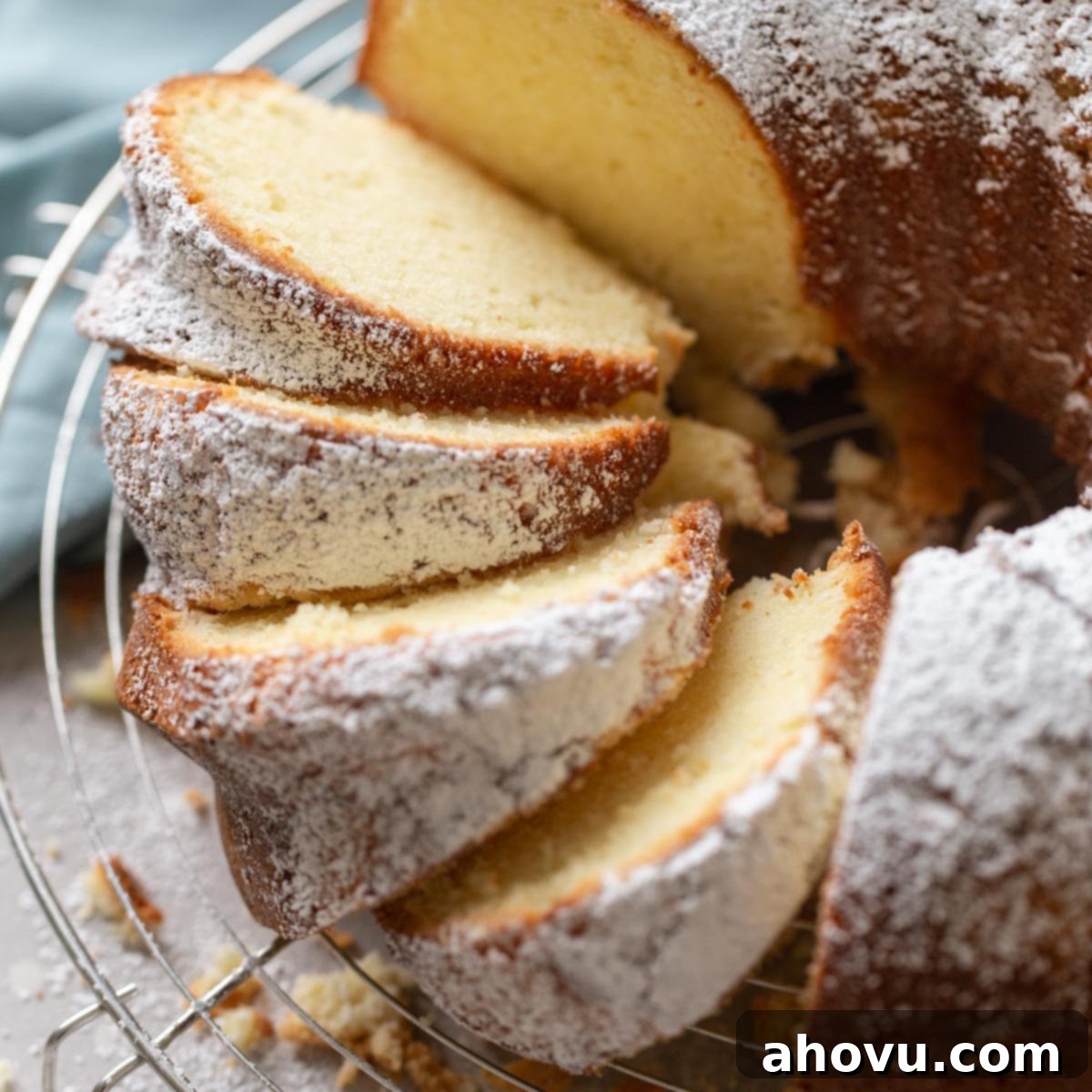
Unlock the Secret to the Perfect Moist Cream Cheese Pound Cake: An Easy Homemade Recipe
Crafted with just eight straightforward ingredients, this cream cheese pound cake recipe comes together effortlessly, yielding a dessert that’s both elegant and incredibly delicious. It’s an ideal canvas for your favorite toppings, whether you opt for a dollop of fluffy whipped cream and vibrant fresh fruit, or a drizzle of sweet fruit syrup.
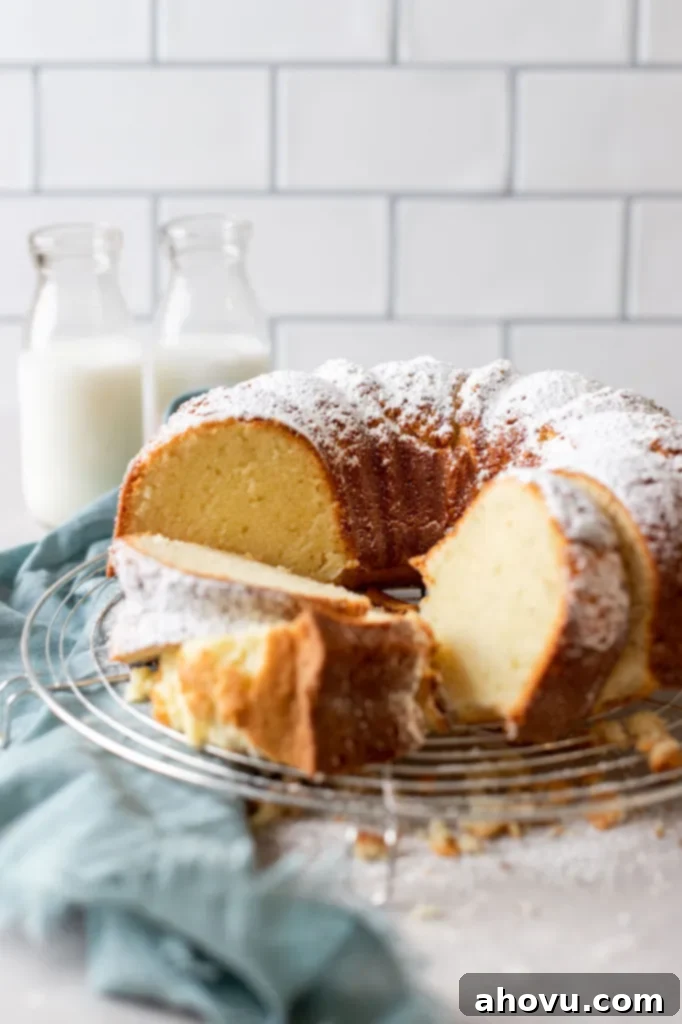
The term “pound cake” historically originated from its classic proportions: one pound each of butter, sugar, flour, and eggs. While traditional pound cakes are undeniably rich and dense, modern recipes often introduce slight variations to achieve a lighter, yet still incredibly moist, texture. Many contemporary pound cake recipes, including this delightful version, incorporate ingredients like cream cheese or sour cream to enhance moisture and add a delicate tang that perfectly balances the sweetness.
This particular recipe masterfully combines both butter and cream cheese, resulting in an exceptionally tender and ultra-moist pound cake that simply melts in your mouth. You’ll be surprised at how quickly this elegant dessert comes together; the active preparation time is merely about 20 minutes before it’s ready to bake. Imagine whipping up such a show-stopping cake with minimal fuss!
Versatile and comforting, this simple cream cheese pound cake is a delicious treat throughout the year, fitting seamlessly into any season or celebration. Its robust vanilla flavor and rich texture make it perfect for holiday gatherings, family meals, or simply as an indulgent weekend dessert. It provides a neutral yet rich base that can be beautifully adorned with a myriad of seasonal toppings, from bright fruit syrups and tangy lemon curd to a medley of fresh berries or a dusting of powdered sugar. Let your creativity shine and customize it to your heart’s content!
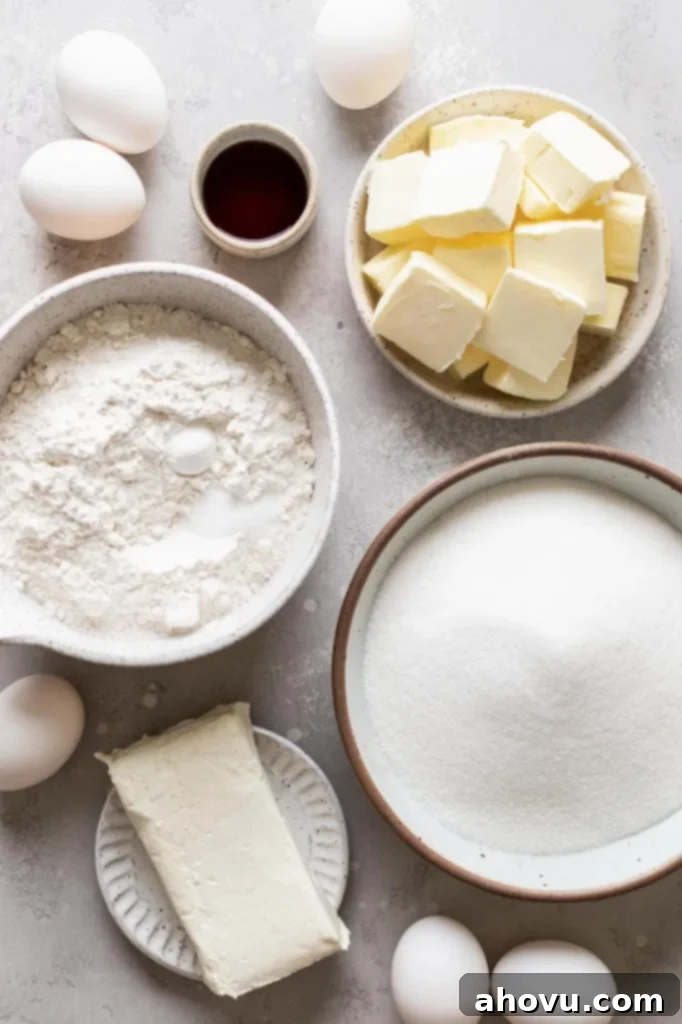
Essential Ingredients for the Perfect Cream Cheese Pound Cake
Don’t let the stunning appearance of this homemade pound cake fool you – it’s secretly one of the simplest and most rewarding recipes you’ll ever bake. While the ingredients are basic pantry staples, understanding their individual roles is key to achieving that perfect, moist crumb and rich flavor. Let’s delve into each component to ensure you feel completely confident and prepared before you begin baking.
- Cake flour: This ingredient is a cornerstone of a truly tender pound cake. Cake flour contains a lower protein content (typically 6-8%) compared to all-purpose flour (10-12%), which means less gluten development during mixing. The result? A remarkably lighter, softer, and more delicate cake crumb that distinguishes a great pound cake from a good one. Using cake flour prevents the cake from becoming too dense or chewy, ensuring that signature fine texture.
- Baking powder: While traditional pound cakes rely solely on air incorporated during creaming for leavening, a small amount of baking powder in this recipe provides an extra boost. This subtle addition gives the cake a little lift, contributing to a slightly less dense texture without altering the classic richness. It acts as an insurance policy, helping to ensure a consistent, beautiful rise every time.
- Salt: Often underestimated, salt plays a critical role in balancing the sweetness of the sugar and intensely enhancing the rich, buttery, and creamy flavors of this delightful cream cheese pound cake. It doesn’t make the cake taste salty, but rather brings out the depth and complexity of the other ingredients, making each bite more satisfying.
- Unsalted butter: For all my baked goods, I exclusively use unsalted butter. This allows for precise control over the total salt content in the recipe, as the amount of salt in salted butters can vary significantly between brands. For best results, ensure your butter is at room temperature – soft enough to make a slight indentation with your finger, but not melted. If you only have salted butter on hand, you’ll need to adjust the recipe by omitting the added salt entirely or reducing it to just a tiny pinch.
- Cream cheese: This is where the “cream cheese” magic truly happens, contributing to the cake’s unparalleled moisture and subtle tang. It is absolutely crucial to use full-fat, brick-style cream cheese. The cream cheese sold in tubs for spreading often contains more water and stabilizers, making it too thin and prone to breaking down unevenly in the batter. Always let your cream cheese soften to room temperature before mixing for a smooth, homogenous batter.
- Granulated sugar: While there is a generous amount of granulated sugar in the batter, the resulting pound cake is never cloyingly sweet. Beyond providing sweetness, sugar plays a vital role in moisture retention, keeping the cake fresh for longer. Furthermore, the higher ratio of sugar contributes significantly to the beautiful golden-brown crust that forms on the outside of the cake during baking, offering a delightful textural contrast.
- Eggs: Eggs are essential for structure, richness, and additional leavening. For optimal emulsification and a smooth batter, your eggs must be at room temperature. Cold eggs can cause the butter and cream cheese to seize up, leading to a lumpy batter. If you forget to take them out ahead of time, simply place them in a bowl of warm (not hot!) water for 5-10 minutes to bring them to the ideal temperature.
- Vanilla extract: For the most authentic and robust flavor, always reach for pure vanilla extract. This recipe calls for a generous 2 teaspoons, which infuses the cake with a rich, aromatic vanilla essence that is simply irresistible and complements the cream cheese beautifully. Avoid imitation vanilla for the best possible taste experience.
Baking Your Own Cream Cheese Pound Cake: Step-by-Step Guide
Creating this incredibly moist cream cheese pound cake from scratch is a surprisingly simple and rewarding experience. Follow these steps carefully to ensure a perfect, tender crumb and rich flavor every time.
First, begin by preparing your dry ingredients. In a large mixing bowl, gently whisk together the cake flour, baking powder, and salt. Whisking ensures these ingredients are thoroughly combined and evenly distributed, preventing pockets of leavening agents or salt in your finished cake. Set this bowl aside while you work on the wet ingredients.
Next, in the bowl of a stand mixer fitted with the paddle attachment (or using a large mixing bowl with a handheld electric mixer), combine the softened unsalted butter, softened brick-style cream cheese, and granulated sugar. Beat these ingredients together on medium speed for a significant amount of time – typically 4 to 5 minutes – until the mixture becomes notably light, pale, and fluffy. This creaming process is absolutely critical! It not only fully dissolves the sugar, preventing a gritty texture, but more importantly, it incorporates a substantial amount of air into the batter. This trapped air is a primary source of leavening for the cake, helping it to rise beautifully in the oven and contribute to its tender structure. Since this recipe uses a minimal amount of baking powder, thorough creaming is indispensable for achieving the desired lift and texture.
Once your butter, cream cheese, and sugar mixture is light and fluffy, it’s time to incorporate the eggs. Add the room temperature eggs one at a time, mixing well after each addition until just combined before adding the next. This gradual addition allows the eggs to emulsify properly with the fat, ensuring a smooth and homogenous batter. Be sure to stop and scrape down the sides and bottom of the bowl with a rubber spatula frequently between additions. This ensures all ingredients are thoroughly mixed and no uncombined streaks remain. Finally, mix in the pure vanilla extract until just incorporated, adding that signature aromatic depth.
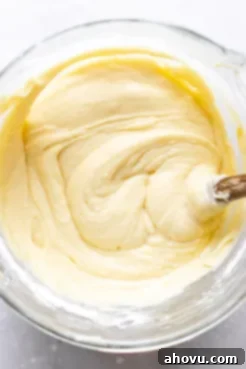
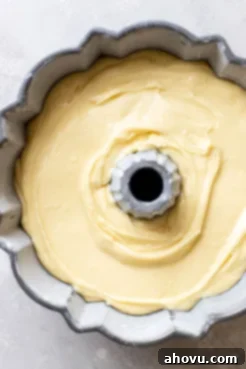
Now, it’s time to bring the wet and dry ingredients together. Add the prepared dry ingredients to the wet mixture and mix on low speed until they are just combined. This step requires a delicate touch: overmixing the batter is a common pitfall that can lead to a tough, gummy cake. Stop mixing as soon as no dry streaks of flour are visible, even if it means there are still a few small lumps. Gentle mixing preserves the tender crumb.
Once your batter is ready, carefully spoon it into a thoroughly greased and floured 12-cup Bundt pan. Spreading the batter evenly ensures an even bake. Firmly tap the pan several times on your kitchen counter to release any large air bubbles that might be trapped within the batter. This helps prevent large holes in your finished cake.
This cream cheese pound cake bakes beautifully at a slightly lower temperature of 325°F (163°C) for approximately 90 minutes. Baking at a lower temperature allows the cake to cook more evenly all the way through without drying out the edges or over-browning the crust too quickly. Keep an eye on the cake towards the end of the baking time. If the top begins to brown excessively before the center is cooked, loosely tent the pan with aluminum foil. This acts as a shield, preventing further browning while the interior finishes baking. You’ll know your moist pound cake is perfectly baked when a wooden skewer or toothpick inserted into the thickest part of the cake comes out clean or with only a few moist crumbs attached.
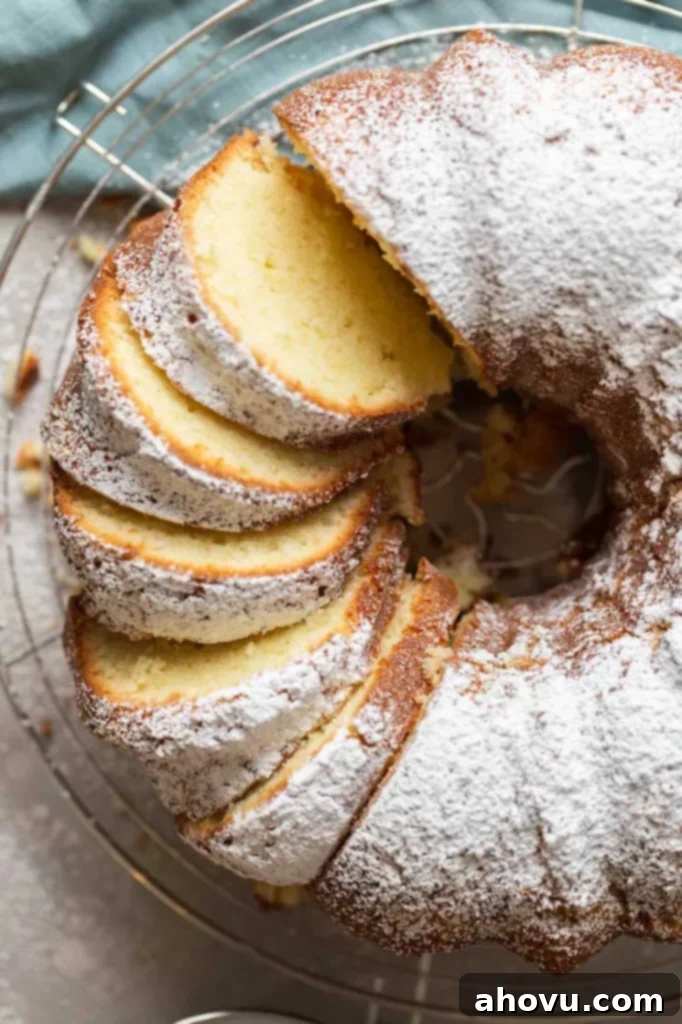
Once baked, resist the urge to immediately remove the cake from the pan. Allow the pound cake to cool in its Bundt pan on a wire rack for a crucial 30 minutes. This cooling period allows the cake to set its structure, making it sturdy enough to be inverted without falling apart. Trying to flip it sooner could result in a crumbled cake. After 30 minutes, carefully invert the cake onto the wire rack, lift off the Bundt pan, and let the cake cool completely before slicing and serving. Patience truly pays off with pound cake!
Delightful Toppings to Elevate Your Pound Cake
One of the many joys of homemade pound cake is its incredible versatility. Its rich, buttery, and slightly tangy flavor profile is neutral enough to pair beautifully with an endless array of fruits, sauces, and toppings, allowing you to customize it for any occasion or preference. Here are some fantastic pound cake topping ideas to inspire you and get you started on your delicious journey:
- Powdered Sugar: For a simple yet elegant finish, a light dusting of powdered sugar (confectioners’ sugar) provides a subtle sweetness and a beautiful visual appeal. It’s a classic choice that lets the rich flavor of the pound cake shine.
- Lemon Curd: The bright, zesty tang of homemade lemon curd offers a fantastic contrast to the rich sweetness of the pound cake. Its creamy texture and vibrant flavor make it an irresistible addition, especially during spring and summer months.
- Blueberry Sauce: A warm, homemade blueberry sauce, bursting with juicy berries, adds a wonderful fruity dimension. The sweet-tart notes of blueberries pair exceptionally well with the cream cheese base, creating a truly comforting dessert.
- Strawberry Sauce: Similar to blueberry, a luscious strawberry sauce provides a burst of fresh berry flavor and a beautiful ruby red color. It’s particularly delightful when strawberries are in season, enhancing the cake with their natural sweetness.
- Fresh Berries: A simple medley of fresh berries – think strawberries, blueberries, raspberries, or blackberries – not only adds a pop of color and natural sweetness but also a refreshing textural contrast to the dense cake.
- Whipped Cream: A generous dollop of homemade whipped cream, light and airy, is a timeless accompaniment. Its subtle sweetness and cloud-like texture provide a perfect counterpoint to the rich pound cake, making each bite feel luxurious.
- Chocolate Ganache: For the chocolate lovers, a decadent drizzle of smooth chocolate ganache can transform this pound cake into an even more indulgent treat, offering a rich, bittersweet layer.
- Caramel Sauce: A warm, buttery caramel sauce provides a sticky, sweet glaze that is deeply comforting and adds another layer of richness to the cake.
- Fruit Glaze: A simple glaze made from powdered sugar and a touch of fruit juice (lemon, orange, or berry) can add a hint of flavor and a lovely sheen to your cake.
Optimal Storage and Freezing Instructions for Your Homemade Pound Cake
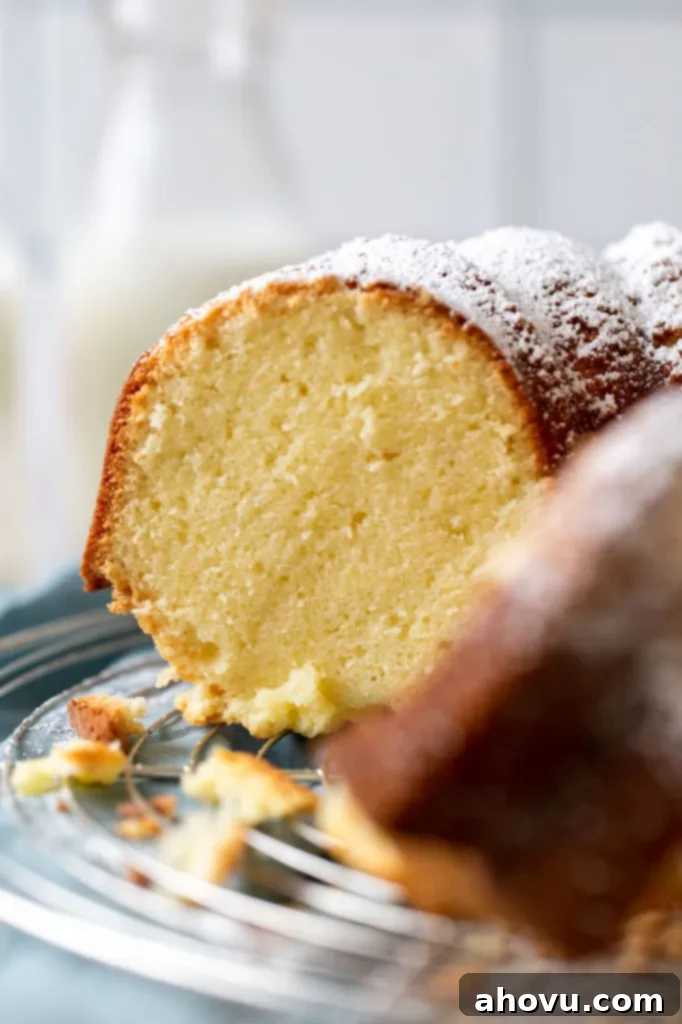
One of the great advantages of baking a cream cheese pound cake is its excellent keeping qualities, thanks to the moisture provided by the cream cheese and butter. You can certainly bake this cake a day in advance of when you plan to serve it, allowing its flavors to fully meld and deepen.
To ensure your pound cake remains fresh and moist, store it in an airtight container at room temperature. When stored correctly, it will maintain its delicious taste and tender texture for up to five days. Avoid refrigerating the entire cake unless your kitchen is exceptionally warm, as the cold can sometimes alter the texture of the pound cake, making it a bit firmer.
For longer-term preservation, this cream cheese pound cake freezes beautifully. To freeze, first ensure the cake is completely cooled. Then, wrap the entire cake or individual slices tightly in several layers of plastic wrap, followed by a layer of aluminum foil. This double-layer protection is crucial to prevent freezer burn and keep the cake moist. Place the wrapped cake inside a freezer bag or a freezer-safe airtight container. It can be stored in the freezer for up to three months. To thaw, simply remove the wrapped cake from the freezer and place it on your kitchen counter overnight. Allowing it to thaw gradually at room temperature helps to preserve its texture and moisture. Once thawed, it will be almost as delicious as when it was freshly baked!
Expert Baking Tips for a Flawless Pound Cake
- Accurate Flour Measurement is Key: When measuring cake flour, precision is paramount. Never scoop the flour directly out of the bag with your measuring cup, as this compacts the flour and can result in using too much. Instead, spoon the flour into your measuring cup until it’s overflowing, then level it off with the straight edge of a knife. This “spoon and level” method prevents you from accidentally adding excess flour, which is a common culprit for dry, dense cakes.
- Room Temperature Ingredients for Success: For a smooth, emulsified, and consistently textured batter, it is absolutely essential that all your cold ingredients – specifically the butter, cream cheese, and eggs – are at room temperature before you begin mixing. Plan ahead by setting these ingredients out on your counter at least an hour, or even two, before you intend to start baking. Room temperature ingredients combine more easily and create a homogenous batter that traps air efficiently, leading to a lighter, more tender crumb.
- Homemade Cake Flour Substitute: If you find yourself without cake flour but are craving this delicious pound cake, don’t despair! You can create a workable substitute using all-purpose flour and cornstarch. For every cup of cake flour needed, measure out 1 cup of all-purpose flour, remove 2 tablespoons, and then replace those 2 tablespoons with 2 tablespoons of cornstarch. Whisk these together thoroughly before using. While true cake flour is always preferred for its superior protein structure and fine grind, this substitute will certainly work in a pinch to help you achieve a lighter cake texture.
- Don’t Overmix the Batter: After adding the dry ingredients to the wet, mix only until just combined. Overmixing develops gluten in the flour, which can lead to a tough and chewy pound cake rather than the desired tender, melt-in-your-mouth texture. Stop as soon as no dry streaks of flour are visible.
- Prepare Your Bundt Pan Thoroughly: A well-prepared Bundt pan is crucial for an easy release and a beautifully shaped cake. Don’t just spray lightly; ensure every crevice is coated with nonstick cooking spray, then dust it generously with flour, tapping out any excess. For extra insurance, you can even use a baking spray that contains flour.
- Bake Low and Slow: Pound cakes, especially large Bundt cakes, benefit from a longer, slower bake at a slightly lower temperature. This ensures the center bakes through without over-browning or drying out the exterior. Resist the urge to open the oven door frequently, especially in the first hour, as this can cause the cake to fall.
- Test for Doneness Properly: To check if your pound cake is truly done, insert a long wooden skewer or a thin knife into the thickest part of the cake. It should come out clean or with only a few moist crumbs attached, but no wet batter. If it’s still wet, continue baking in 5-10 minute increments.
More Irresistible Bundt Cake Recipes to Explore!
If you’ve fallen in love with the elegance and simplicity of baking in a Bundt pan, you’re in for a treat! The Bundt cake category offers an incredible variety of flavors and textures, perfect for any occasion. Here are some more delightful Bundt cake recipes from our collection that we highly recommend you try next. Expand your baking repertoire and discover your new favorite:
- Pumpkin Cream Cheese Bundt Cake
- Lemon Blueberry Bundt Cake
- Lemon Poppyseed Bundt Cake
- Rum Cake
- Apple Cake
Video Tutorial
Cream Cheese Pound Cake
Pin Recipe
SaveSaved!
Leave a Review
Ingredients
- 3 cups (335 grams) cake flour , spooned and leveled
- ½ teaspoon baking powder
- ½ teaspoon salt
- 1 ½ cups (340 grams) unsalted butter , softened
- 8 ounces (226 grams) brick-style cream cheese , softened
- 2 ¾ cups (550 grams) granulated sugar
- 6 large eggs , at room temperature
- 2 teaspoons pure vanilla extract
Instructions
-
Preheat your oven to 325°F (163°C). Generously spray a 10-inch (12 cup) Bundt pan with nonstick cooking spray, ensuring all crevices are coated. Lightly dust with flour, tapping out any excess. Set aside.
-
In a large mixing bowl, whisk together the cake flour, baking powder, and salt until they are thoroughly combined. Set this dry mixture aside.
-
In the bowl of a stand mixer fitted with the paddle attachment (or using a large mixing bowl with a handheld mixer), beat the softened butter, cream cheese, and granulated sugar together on medium speed for 4 to 5 minutes. The mixture should become light, fluffy, and visibly paler in color, indicating sufficient air incorporation.
-
Add the room temperature eggs, one at a time, mixing well after each addition until just combined. Remember to stop and scrape down the sides and bottom of the bowl as needed to ensure all ingredients are incorporated. Once all eggs are in, mix in the pure vanilla extract.
-
Gradually add the prepared dry ingredients to the wet ingredients. Mix on low speed until they are just combined, being careful not to overmix. Stop as soon as no dry streaks of flour are visible.
-
Scoop the rich batter into the prepared Bundt pan. Use a spatula to spread it around into one even layer. Firmly tap the pan on your counter several times to release any large air bubbles trapped within the batter.
-
Bake for 1 hour 25 minutes to 1 hour 35 minutes. I highly recommend baking closer to the higher end of the range to ensure the cake is fully cooked through. Test for doneness by inserting a wooden skewer or toothpick into the thickest part; it should come out clean. If the top of the cake starts to brown too much before it’s fully baked, loosely tent the pan with aluminum foil to prevent further browning.
-
Once baked, remove the cake from the oven and allow it to cool in the Bundt pan on a wire rack for 30 minutes. After this crucial cooling period, carefully invert the cake onto the wire rack, gently lift the pan off, and let the cake cool completely to room temperature before slicing and serving to ensure its structure is fully set.
Notes
Freezing instructions: To freeze, ensure the cake is completely cool. Wrap it tightly in plastic wrap, then seal it inside a freezer bag or a freezer-safe container. It can be frozen for up to three months. To thaw, simply place the wrapped cake on your kitchen counter overnight.
Cake Flour: If you don’t have cake flour readily available, you can use my homemade cake flour substitute recipe for a similar tender crumb.
Cream Cheese: For the best texture and flavor, always use full-fat, brick-style cream cheese. Avoid using cream cheese spreads from a tub, as their consistency is not suitable for this recipe.
Eggs: It’s vital that your eggs are at room temperature before being mixed into the batter. If you forget to set them out ahead of time, simply place them in a bowl of warm water for 5 to 10 minutes to quickly bring them to temperature.