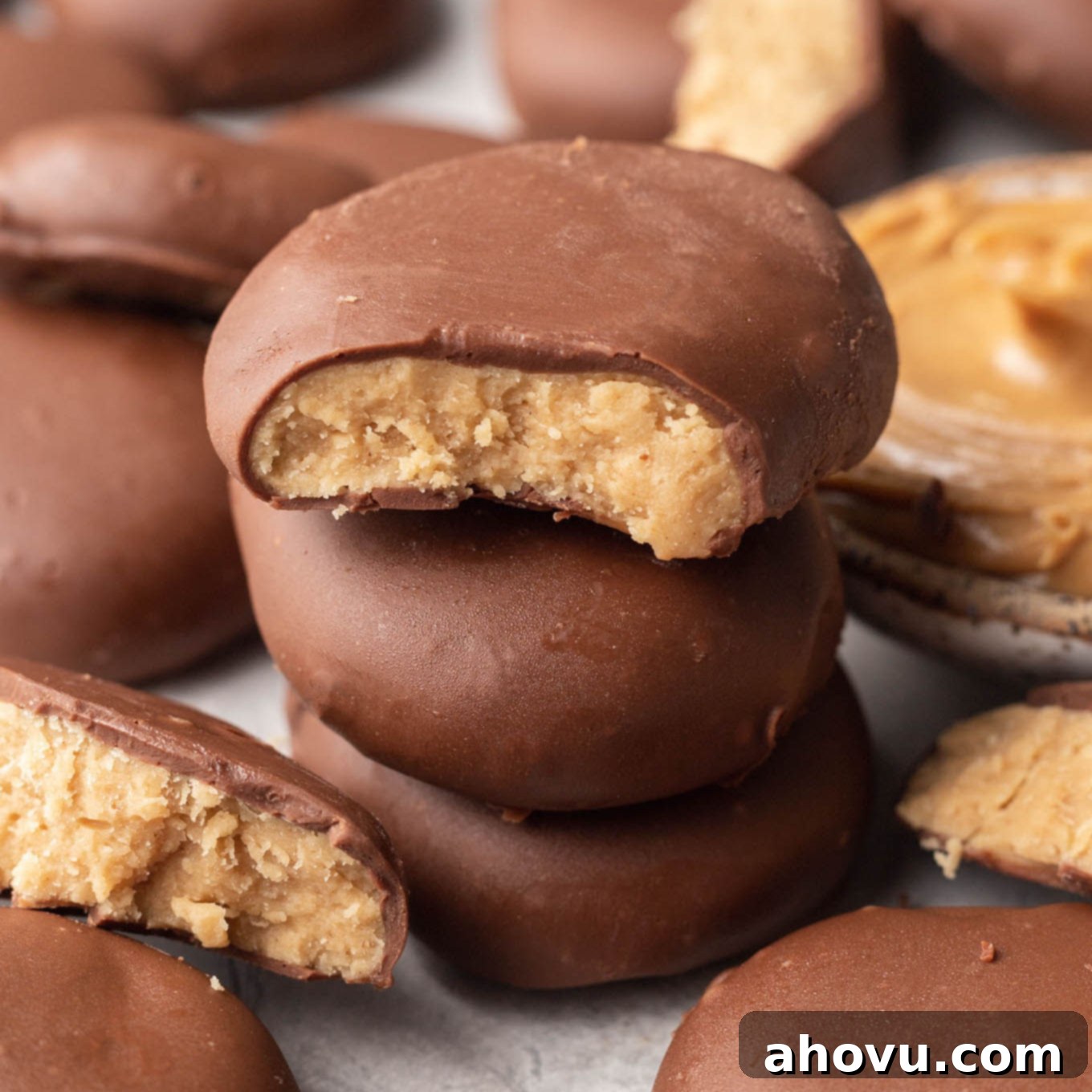
Irresistible Homemade Peanut Butter Eggs: Your Ultimate No-Bake Easter Treat
Why wait for the limited-time availability of Reese’s peanut butter eggs at your local grocery store when you can easily create this beloved Easter delight right in your own kitchen? Imagine a perfectly balanced sweet and salty peanut butter filling, meticulously coated in rich, creamy milk chocolate. This simple, no-bake recipe promises to deliver the ultimate festive treat, bringing joy and a touch of nostalgic indulgence to your holiday celebrations.
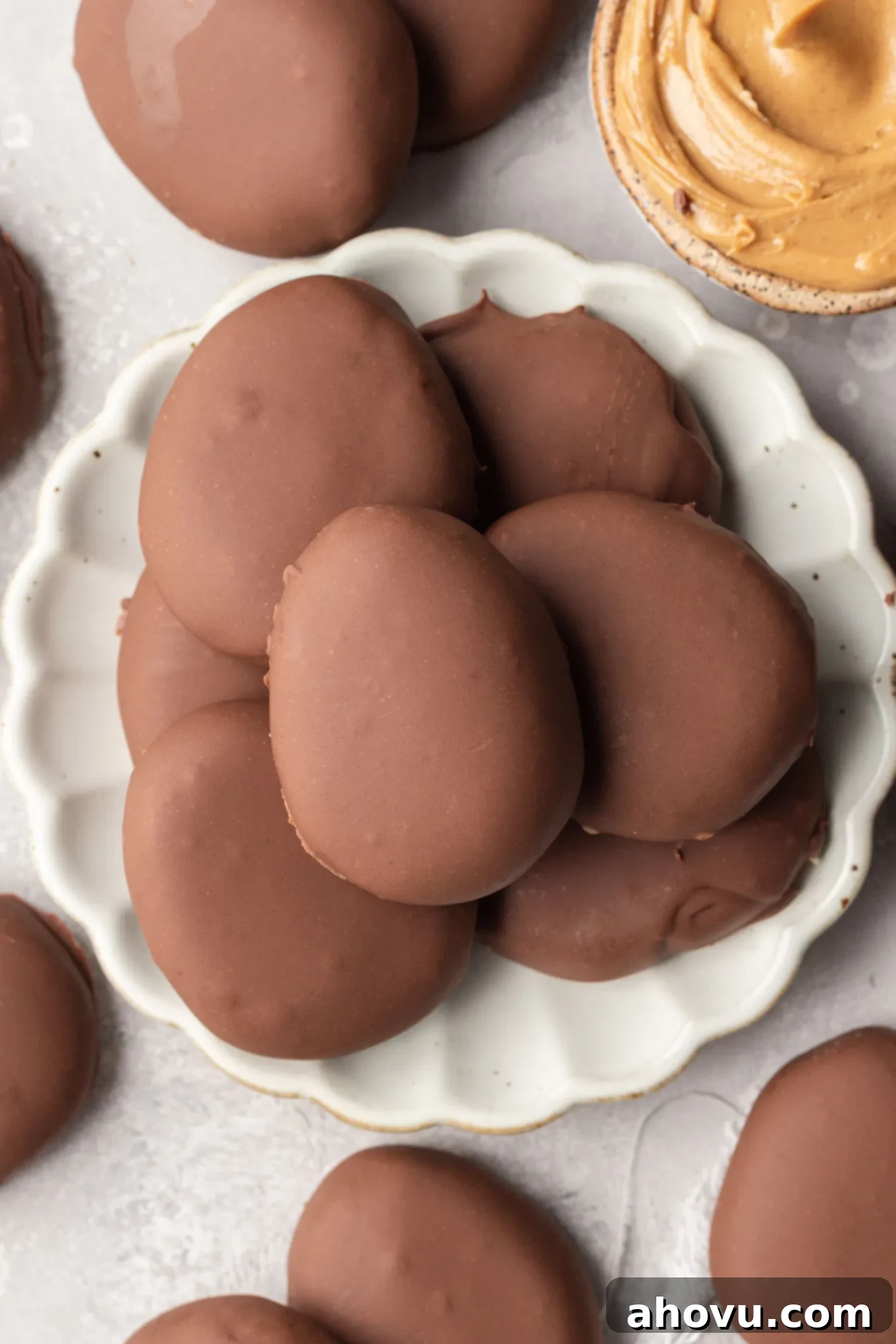
While classic Reese’s peanut butter cups are undoubtedly delicious, there’s a unique charm and appeal to their seasonal counterparts: the iconic Reese’s eggs. For many, these egg-shaped confections are a quintessential part of Easter, evoking fond childhood memories and a distinct craving. This preference often stems from what seems to be a more generous peanut butter to chocolate ratio, allowing the luscious peanut butter flavor to truly take center stage. Coupled with their adorable, festive shape, it’s no wonder why these peanut butter eggs consistently rank high on my list of must-have Easter treats. The elongated form also offers a different bite experience, often perceived as having a softer, more melt-in-your-mouth texture.
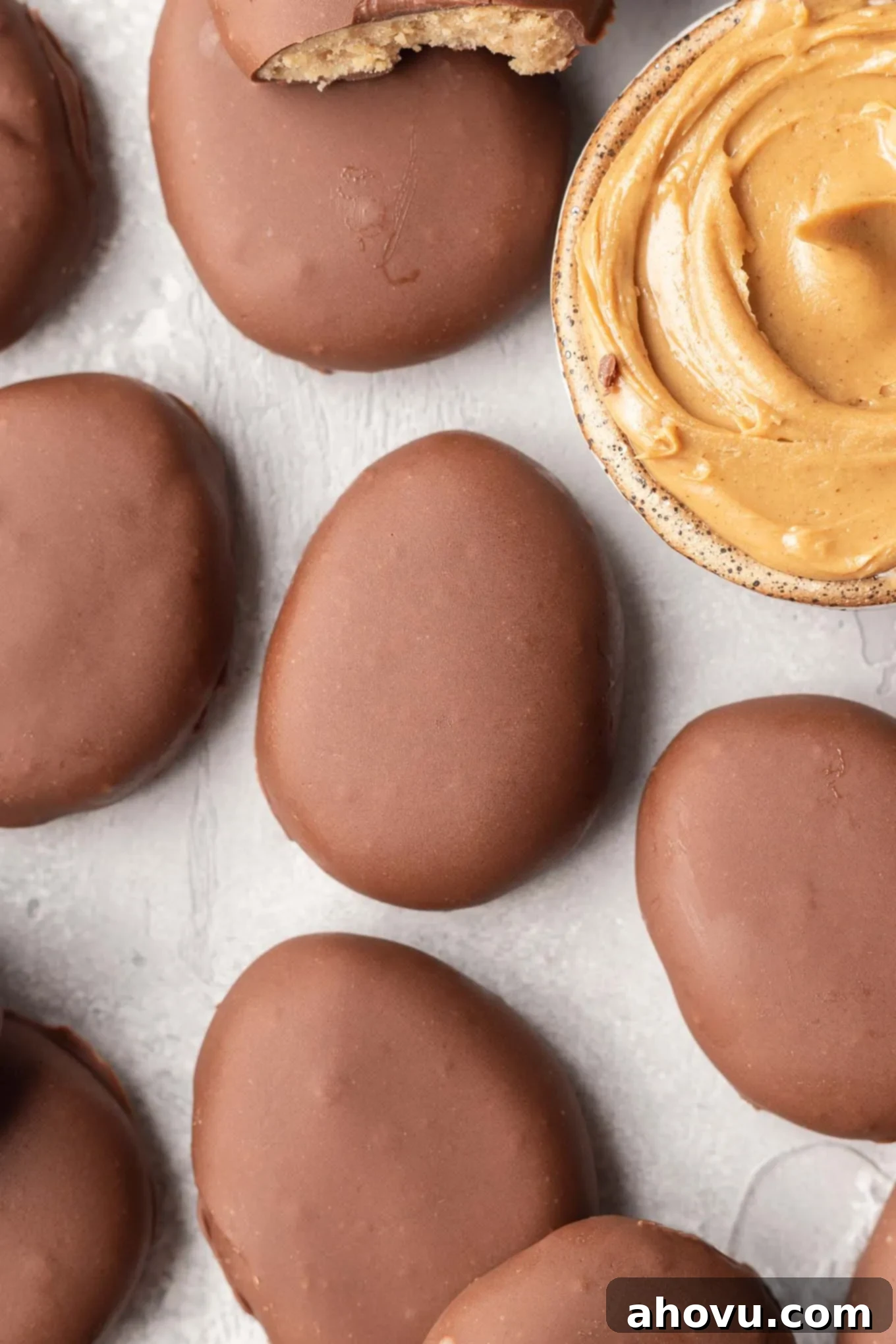
The good news is, you no longer need to rely on store shelves to enjoy this seasonal favorite. I’ve perfected a fantastic recipe that allows you to make these delightful peanut butter Easter eggs right at home. The homemade peanut butter filling achieves that coveted balance of salty and sweet, mirroring the classic taste you expect from a Reese’s, but with a fresh, homemade touch. Each perfectly shaped egg is then enveloped in a smooth, decadent milk chocolate coating, creating a harmonious blend of textures and flavors. This no-bake recipe is not only incredibly satisfying to make but also yields a treat that will impress everyone who tries it. Whether you decide to keep the entire batch for yourself (we won’t tell!) or beautifully wrap them up to gift to friends and family this season, these homemade peanut butter eggs are sure to be a hit and quickly become a cherished part of your Easter traditions.
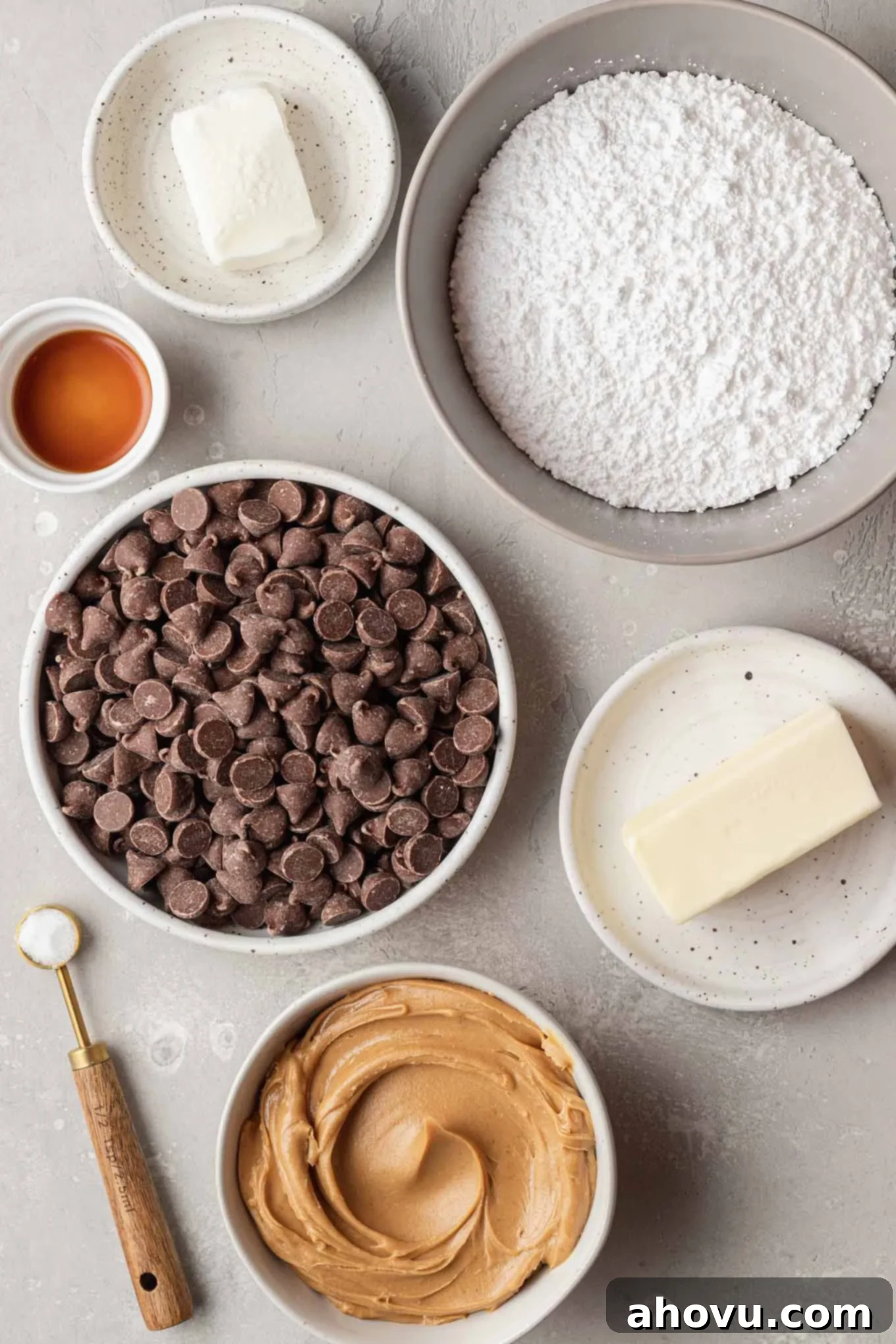
Essential Recipe Ingredients for Perfect Peanut Butter Eggs
Crafting these delectable homemade peanut butter eggs begins with a solid foundation, which for me, was adapting my trusted peanut butter ball recipe. To truly let the rich, nutty flavor of the peanut butter shine through, I carefully adjusted the proportions, specifically reducing the amount of butter and powdered sugar from the original recipe. This slight modification ensures a more pronounced peanut butter taste, which is key to mimicking the beloved store-bought versions. Furthermore, I refined the chocolate coating to achieve that signature melt-in-your-mouth texture that makes Reese’s eggs so irresistible.
While you’ll find the complete, detailed list of ingredients and step-by-step instructions in the comprehensive recipe card below, let’s take a moment to highlight a few crucial components and why they are indispensable for achieving the best results:
- Peanut Butter: For this recipe, the type of peanut butter you choose is critical. It’s essential to use a creamy, “no-stir” variety, such as popular brands like Jif or Skippy. Natural peanut butters, which often separate and require stirring, tend to be oilier and can result in a filling that is too soft and difficult to shape properly. The stability of commercial creamy peanut butter ensures your eggs hold their perfect form.
- Powdered Sugar: This ingredient is a game-changer for sweetening the peanut butter filling. Unlike granulated sugar, powdered sugar (also known as confectioners’ sugar) dissolves beautifully into the mixture, providing sweetness without any gritty texture. It also plays a vital role in binding the filling together, giving it the necessary firmness for shaping. Do not substitute granulated sugar, as it will fundamentally alter the texture and won’t deliver the smooth, creamy consistency we’re aiming for.
- Milk Chocolate Chips: For the luxurious coating, you have the flexibility to use either high-quality milk chocolate chips or finely chopped milk chocolate bars. From my experience, both yield fantastic results with little discernible difference in the final product. I personally lean towards milk chocolate to replicate the classic, sweet profile of a peanut butter cup, which is typically encased in milk chocolate. However, if you have a preference for a slightly less sweet, more intense flavor, semi-sweet chocolate chips can be used as a delicious alternative.
- Shortening: This might seem like an unusual addition, but vegetable shortening is key to achieving that perfectly smooth, slightly softer chocolate shell that’s characteristic of a store-bought peanut butter egg. It helps thin out the melted chocolate, making it easier to dip the eggs and giving the final coating a more yielding bite. If you don’t have shortening readily available, 1 to 2 tablespoons of coconut oil can serve as an excellent substitute, offering a similar effect on the chocolate’s texture and fluidity.
How to Master Homemade Peanut Butter Eggs: A Step-by-Step Guide
Creating these delightful homemade Reese’s eggs is surprisingly straightforward, making it an accessible recipe for bakers of all skill levels. However, it does call for a touch of patience, particularly during the shaping process, as you’ll be portioning and forming each individual egg. The reward, though, is a batch of perfectly sculpted, delicious treats. Let’s walk through the basic steps to ensure your peanut butter eggs turn out beautifully every time.
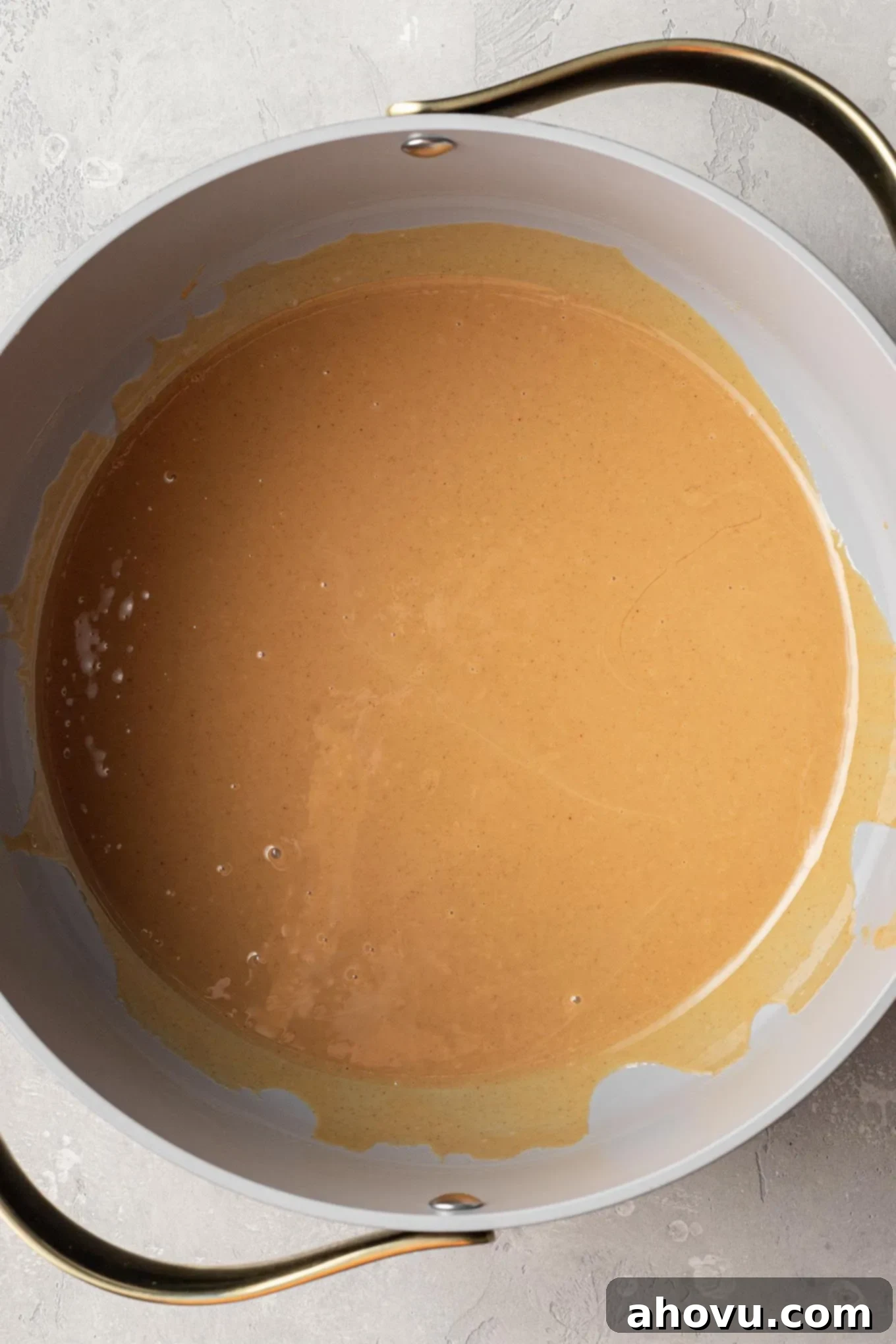
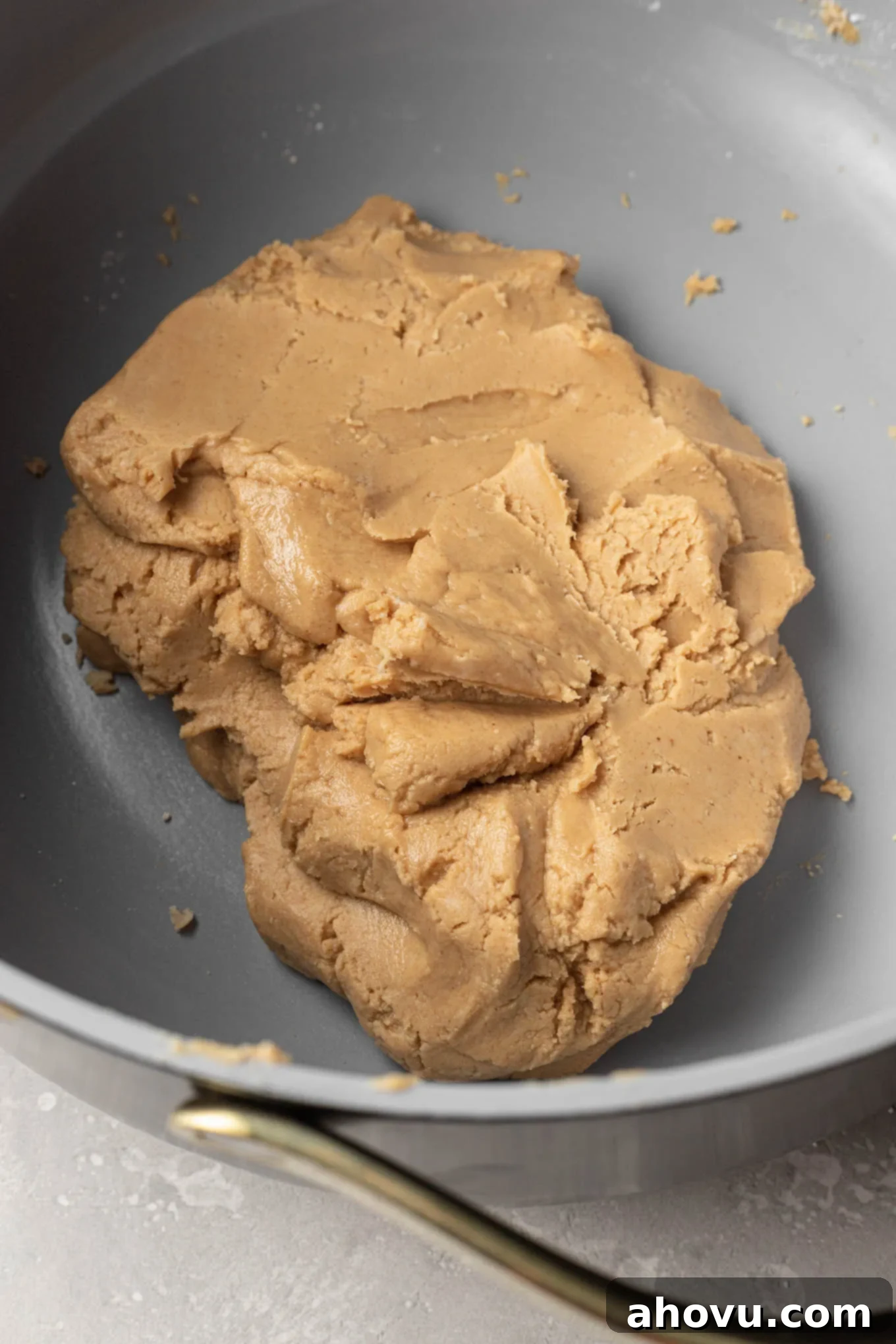
- Prepare the Peanut Butter Filling: Begin by combining your chosen creamy peanut butter and sliced unsalted butter in a large saucepan. Gently warm this mixture over medium heat, stirring consistently, until both ingredients are fully melted and smoothly integrated. The goal is a uniform, pourable consistency. Once melted, remove the saucepan from the heat. This is the perfect moment to stir in the pure vanilla extract for a touch of aromatic depth and the salt, which is crucial for balancing the sweetness and enhancing the overall peanut butter flavor. Next, gradually incorporate the powdered sugar, adding it in three separate additions. Stir thoroughly after each addition to ensure it’s fully combined. Be prepared for the mixture to become quite thick, especially after the final addition of sugar has been worked in. If it’s too stiff for a spoon, don’t hesitate to use clean hands to knead the last bit of sugar until the filling is perfectly smooth, with no lumps or streaks.
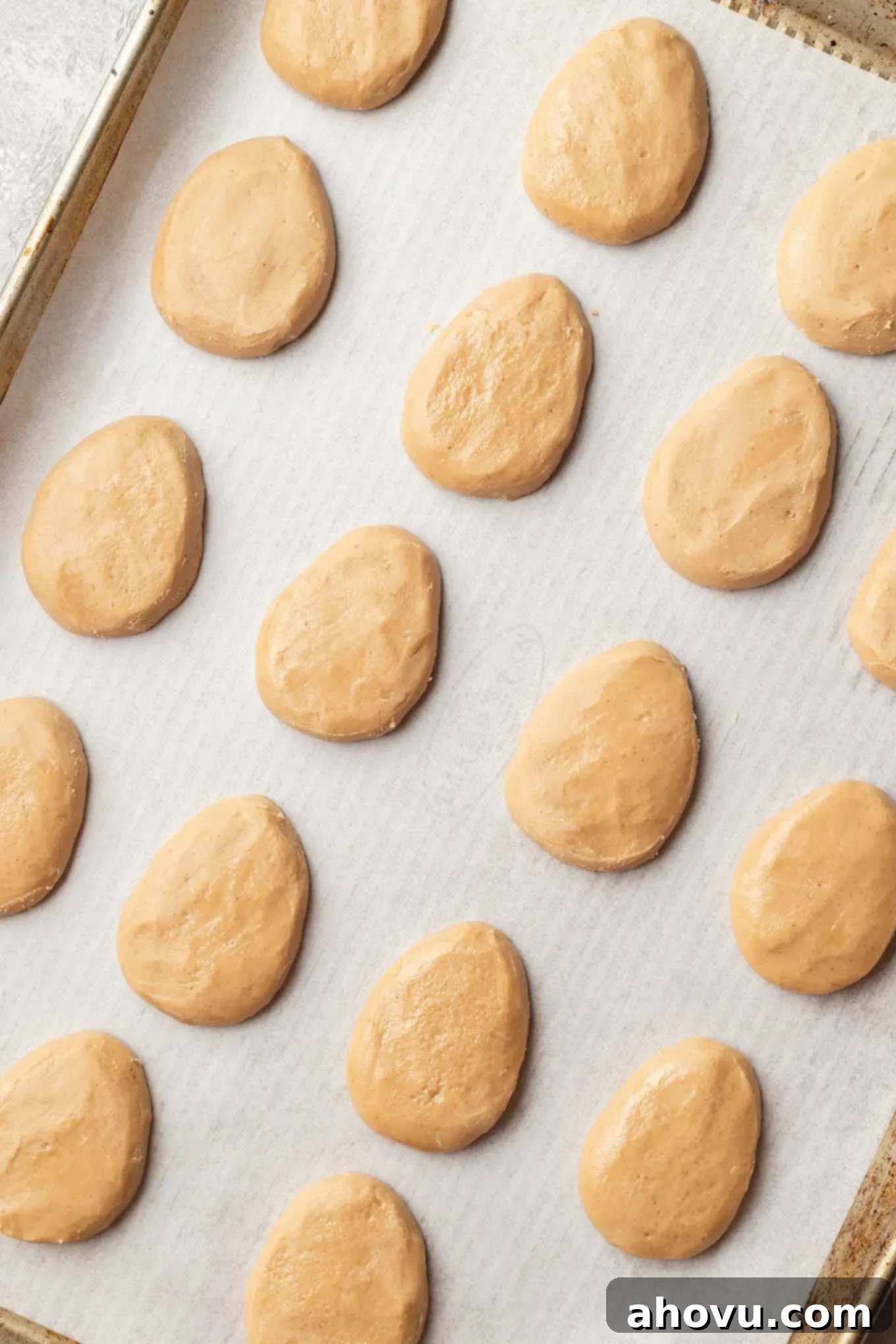
- Shape the Peanut Butter Eggs: Once your filling is ready, it’s time for shaping. Utilize a 1.5 tablespoon cookie scoop to portion out uniform amounts of the peanut butter mixture. This ensures consistency in size, which is important for even chilling and coating. For each portion, first roll it into a neat ball, then gently shape it into an oval, mimicking the classic egg form. Slightly flatten the bottom of each egg to give it a stable base. Arrange these shaped eggs onto a baking sheet that has been lined with parchment paper. This non-stick surface is essential to prevent them from sticking and makes handling much easier. Repeat this process until all of the delicious filling has been transformed into perfectly shaped eggs.
- Crucial Chilling Phase: This step is non-negotiable for success. Once all your peanut butter eggs are shaped and arranged on the parchment-lined baking sheet, transfer them to the freezer. They will need to chill for a minimum of 30 minutes. This freezing period is vital as it firms up the peanut butter filling considerably, making the eggs stable enough to be safely dipped and coated in warm chocolate without losing their shape or melting prematurely. A well-chilled center is key to a clean, crisp chocolate shell.
- Craft the Chocolate Coating: While your peanut butter eggs are chilling, prepare the luxurious chocolate coating. Combine the milk chocolate chips (or chopped chocolate bars) and vegetable shortening in a large microwave-safe bowl. To melt the chocolate evenly and prevent scorching, microwave it at 50% power in short 30-second intervals. After each interval, stir the mixture thoroughly, even if it doesn’t appear fully melted. This helps distribute the heat and ensures a smooth consistency. Alternatively, you can use a double boiler on the stove for a gentler melting process. Continue heating and stirring until the chocolate is completely melted and silky smooth. Allow the melted chocolate to cool slightly for about 5-10 minutes; it should still be fluid but not excessively hot, as extremely hot chocolate can cause the peanut butter eggs to melt.
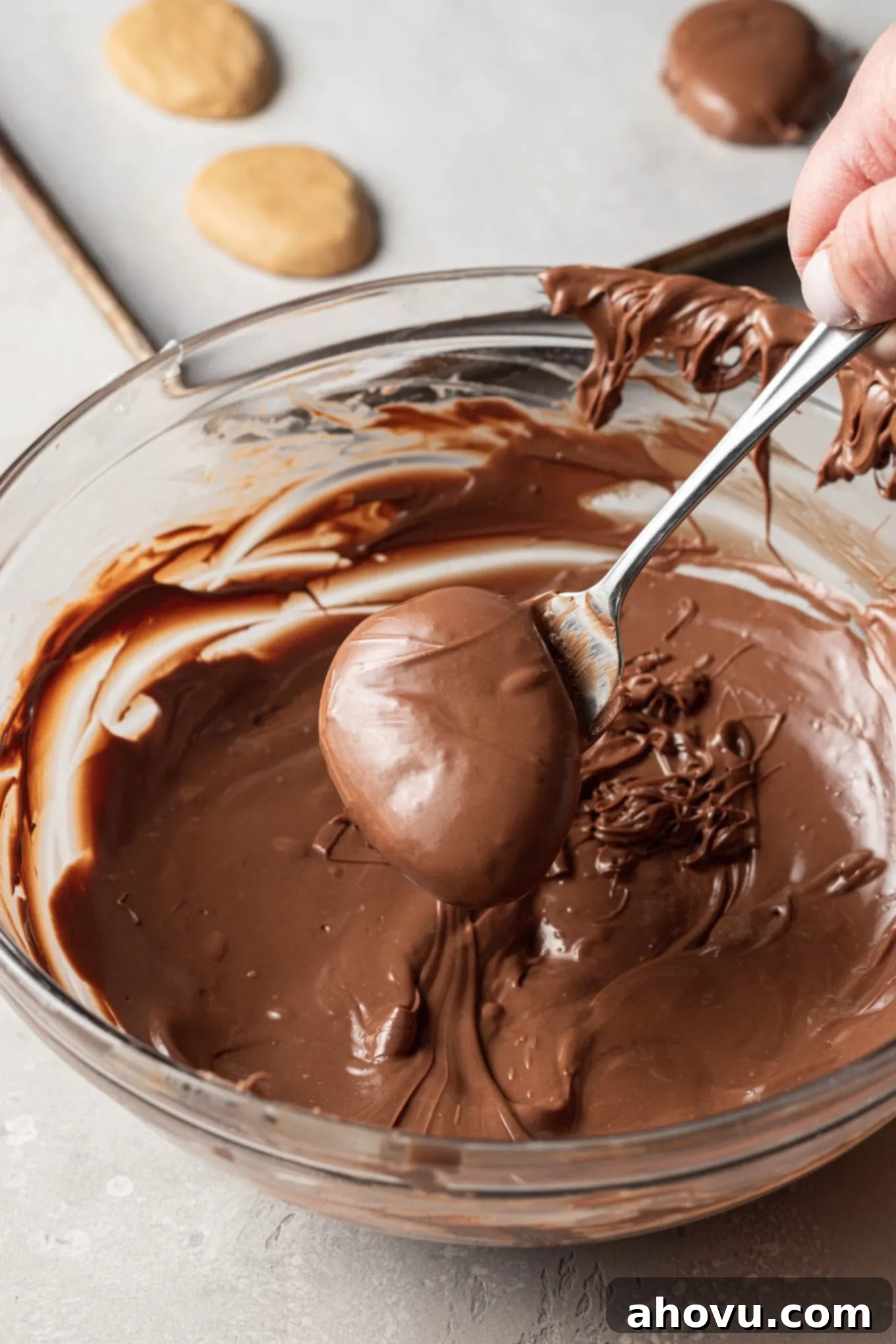
- Dip the Peanut Butter Eggs: Once the chocolate is prepared and slightly cooled, line another baking sheet with a fresh sheet of parchment paper – this will be for your coated eggs. To maintain the chill on your peanut butter eggs, remove only half of them from the freezer at a time. Working one egg at a time, gently dunk the entire peanut butter egg into the bowl of melted chocolate. A fork is an excellent tool for this; use it to fully submerge and then lift the egg, allowing any excess chocolate to drip off by gently tapping the fork against the edge of the bowl. This prevents puddles of chocolate at the base. Carefully slide the chocolate-coated peanut butter egg onto your prepared baking sheet. A toothpick can be incredibly helpful here, used to gently nudge the egg off the fork without marring the chocolate. Once you’ve coated the first half of the eggs, retrieve the remaining chilled eggs from the freezer and repeat the dipping process.
- Final Chill for Firmness: With all your delicious peanut butter eggs now beautifully coated in chocolate, transfer the baking sheets to the refrigerator. Allow them to chill for approximately an hour, or until the chocolate coating has completely set and become firm to the touch. This final chill ensures the chocolate shell is crisp and stable, ready for enjoying or gifting.
Frequently Asked Questions About Homemade Peanut Butter Eggs
Unlike their store-bought counterparts, homemade Reese’s eggs contain fresh butter in their filling, which affects their shelf life. For optimal freshness and flavor, it’s best to store your homemade peanut butter eggs in an airtight container. They can be kept on the counter at cool room temperature for up to four days. If you wish to extend their freshness, storing them in the refrigerator will keep them delicious for up to one week. Always ensure they are in a sealed container to prevent them from absorbing other fridge odors or drying out.
Absolutely! Freezing is an excellent way to prepare these treats in advance or to preserve any leftovers. Once the chocolate coating has fully chilled and hardened, you can transfer them to a large freezer bag or an airtight freezer-safe container. To prevent them from sticking together and to protect their delicate coating, it’s a good idea to place pieces of parchment paper between layers of peanut butter eggs. They can be safely frozen for up to 3 months. When you’re ready to enjoy these frozen delights, simply transfer them to the refrigerator and allow them to thaw overnight. This gradual thawing helps maintain their texture and prevents condensation.
While the recipe is specifically designed for creamy peanut butter, it is possible to experiment with other nut or seed butters. However, there’s a crucial caveat: you must use a “no-stir” variety, similar to Jif or Skippy peanut butter, and avoid natural or homemade nut butters. Natural nut butters typically have a higher oil content and tend to separate, which will result in a filling that is too soft, oily, and difficult to shape into solid eggs. If you wish to try alternatives like creamy almond butter or cashew butter, ensure they are the stabilized, no-stir types to achieve the proper consistency and shape. Results may vary slightly in flavor and texture with different nut butters, so be prepared for a small amount of experimentation.
Chocolate seizing (becoming thick and grainy) can happen if even a tiny drop of water gets into it, or if it overheats. To avoid this, ensure all your utensils and bowls are completely dry. When melting in the microwave, stick to 50% power and short intervals, stirring frequently. If your chocolate does seize, you might be able to rescue it by stirring in a teaspoon of vegetable oil or shortening at a time until it becomes smooth again. If it’s simply too thick for dipping, reheat it gently as described in the instructions, stirring well. Adding a tiny bit more shortening (half a teaspoon) can also help thin it out if needed.
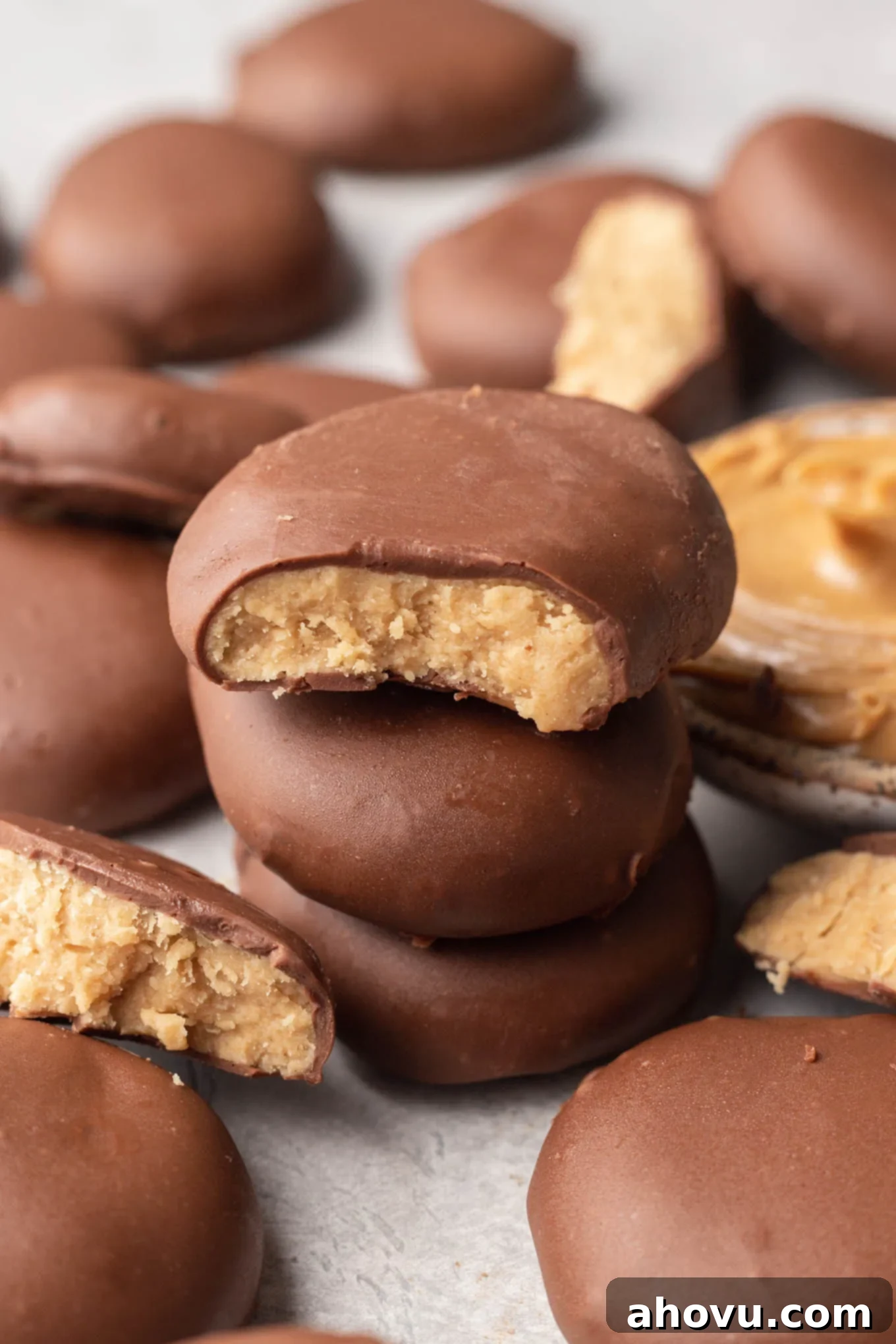
Get Creative! Exciting Recipe Variations for Your Peanut Butter Eggs
While I chose to keep this peanut butter egg recipe as close to the beloved original as possible, its simplicity makes it incredibly adaptable. You can easily adjust various elements to infuse your own creative flair and make these treats truly unique. Here are several different delicious variations you can try next to customize your homemade peanut butter eggs:
- Experiment with Different Chocolate Types: Don’t feel limited to milk chocolate. You can easily swap it out for dark chocolate for a richer, more intense flavor profile, or semi-sweet chocolate for a balanced option. White chocolate also offers a beautiful contrast in both color and taste, creating an entirely different yet equally delightful experience. Consider using different chocolates for a varied platter!
- Add a Decorative Chocolate Drizzle: If you find yourself with any leftover melted chocolate after dipping, don’t let it go to waste! Transfer it to a piping bag or even a small zip-top bag (snip a tiny corner off for a makeshift piping bag). Once the primary chocolate coating on your eggs has set, drizzle contrasting chocolate (e.g., dark chocolate over milk chocolate, or white chocolate over dark chocolate) over the tops. This adds an elegant touch and a professional finish.
- Make Them Festive with Sprinkles: For an extra pop of color and festivity, especially for holidays, add your favorite sprinkles! Immediately after dipping each egg in the melted chocolate, while the coating is still wet, gently roll or sprinkle your chosen decorations over the surface. Think pastel colors for Easter, vibrant hues for birthdays, or themed sprinkles for any occasion.
- Explore Different Shapes: The peanut butter filling is remarkably versatile when it comes to shaping. Instead of traditional eggs, feel free to get creative! You can easily mold the filling into hearts for Valentine’s Day, footballs for game day, pumpkins for Halloween, or even miniature Christmas trees for the winter holidays. A variety of small cookie cutters can also assist in creating fun, thematic shapes.
- Elevate with a Sprinkle of Sea Salt: To enhance the classic sweet-and-salty dynamic and add a gourmet touch, consider a light sprinkling of flaky sea salt on top of the chocolate coating immediately after dipping. The subtle crunch and burst of salinity beautifully cut through the sweetness of the chocolate and peanut butter, creating a more sophisticated and incredibly decadent treat that is truly irresistible.
- Incorporate Mix-ins into the Filling: For added texture and flavor, gently fold in ingredients like mini chocolate chips, finely chopped nuts (pecans, walnuts), or even crushed pretzels for an extra salty crunch, directly into the peanut butter filling before shaping. This adds another layer of surprise and customization to your homemade eggs.
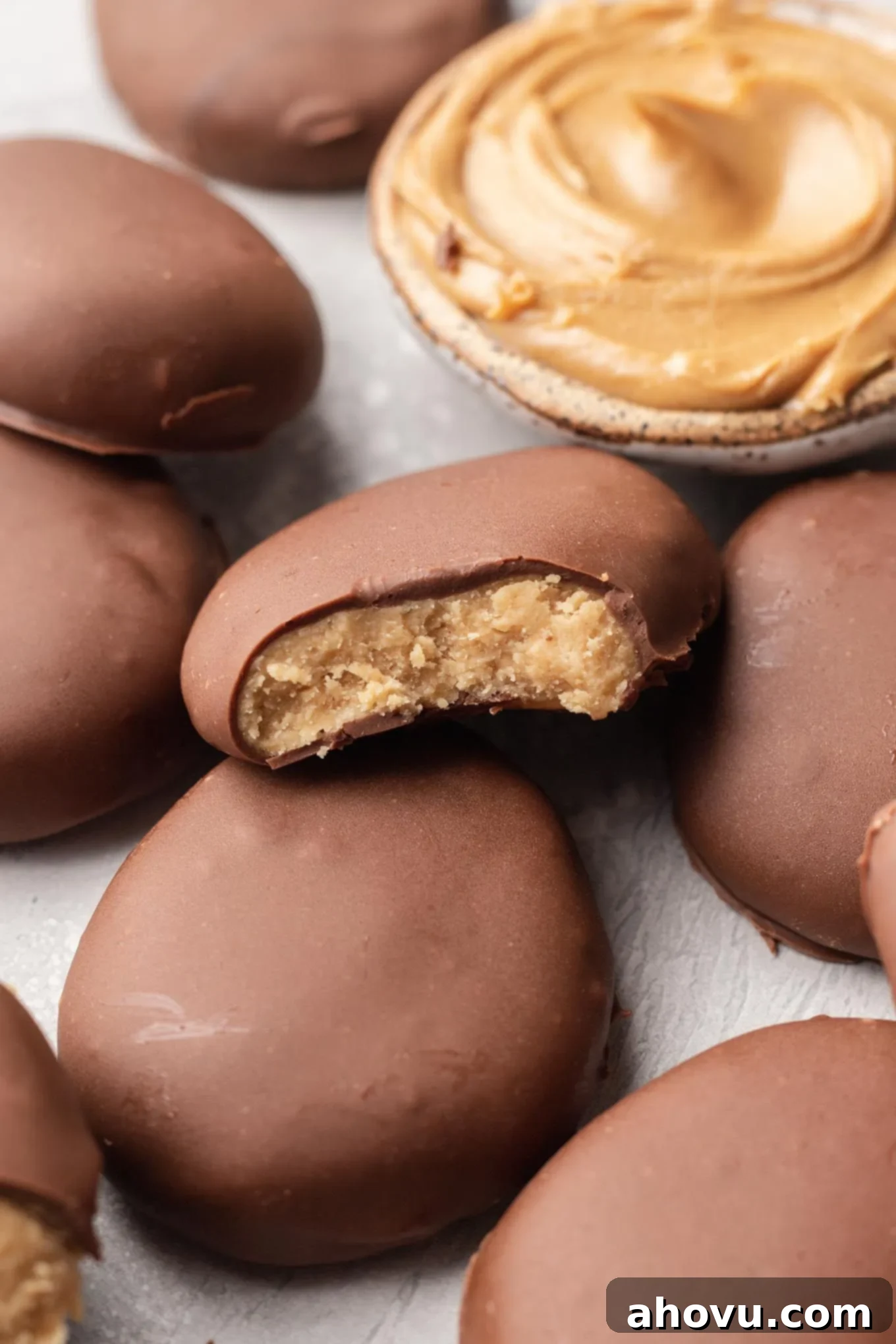
Pro Tips for Perfect Homemade Peanut Butter Eggs Every Time
Achieving bakery-quality homemade peanut butter eggs is easy with a few insider tips. These expert recommendations will help you navigate common challenges and ensure your Easter treats are nothing short of spectacular, from the creamy filling to the smooth chocolate coating.
- Working with a Thick Peanut Butter Mixture: When you add the last half cup of powdered sugar to your peanut butter mixture, it will become incredibly thick – this is completely normal! If stirring with a spoon becomes too challenging, don’t hesitate to switch to using your clean hands. Knead the mixture gently, much like dough, to fully incorporate the powdered sugar. Continue working it until you no longer see any visible lumps or streaks of sugar. The warmth of your hands can also help soften the mixture just enough to make it pliable and perfectly smooth.
- Mastering the Chocolate Dipping Technique: For a flawless chocolate coating, proper dipping is key. When placing an egg into the melted chocolate, ensure the top side (the rounded part, not the flatter bottom) is facing up. Quickly turn it over with a fork so the flatter side is down, allowing the chocolate to fully enrobe it. Then, lift the egg with the fork and firmly tap the handle of the fork on the side of the bowl. This action helps shake off any excess chocolate, preventing thick puddles at the base of your eggs, and also encourages any small air bubbles to pop, resulting in a smoother finish. If the coated egg is reluctant to slide off the fork onto the parchment paper, a toothpick can be a handy assistant; gently nudge it off with the toothpick.
- Reheating Firm Chocolate Coating: It’s not uncommon for your melted chocolate to start firming up, especially if you’re working through a large batch of eggs or your kitchen is on the cooler side. If this happens, simply place the bowl of chocolate back into the microwave for short, 15-20 second intervals at 50% power, stirring well after each. Alternatively, if using a double boiler, reheat gently until it returns to a smooth, dippable consistency. Avoid overheating, as this can cause the chocolate to seize or burn. Always ensure your chocolate remains fluid and easy to work with for the best coating results.
- Ensure Consistent Egg Size: Using a cookie scoop for portioning is highly recommended, as it ensures that each peanut butter egg is roughly the same size. This not only makes for a more aesthetically pleasing final product but also ensures they chill and set uniformly, which is crucial for successful dipping and consistent texture.
Recipe Video

Homemade Peanut Butter Eggs
Pin Recipe
SaveSaved!
Leave a Review
Ingredients
For the peanut butter filling:
- 1 cup creamy peanut butter like Jif or Skippy (250 grams)
- 5 tablespoons unsalted butter sliced (70 grams)
- ½ teaspoon pure vanilla extract
- ¼ teaspoon salt
- 1 ½ cups powdered sugar (180 grams)
For the chocolate coating:
- 1 (11.5-ounce) package milk chocolate chips (326 grams) I used Ghiradelli
- 2 tablespoons vegetable shortening (25 grams)
Instructions
-
To make the peanut butter filling: Line a large baking sheet with parchment paper. This will prevent sticking and make handling easier. Set aside.
-
Add the creamy peanut butter and sliced unsalted butter to a large saucepan. Place the saucepan over medium heat, stirring frequently, until the mixture is completely melted and smoothly combined. As an alternative, you can place these ingredients in a microwave-safe bowl and microwave them in 30-second increments, stirring well after each, until fully melted and smooth.
-
Remove the saucepan from the heat. Stir in the pure vanilla extract and salt until well incorporated. Next, add the powdered sugar in three separate additions, roughly ½ cup (60 grams) at a time, ensuring you mix thoroughly after each addition. The mixture will become very thick and dense as you add the last ½ cup of sugar. If needed, use your clean hands to work the powdered sugar into the peanut butter mixture until it’s uniform and you no longer see any streaks or lumps of sugar.
-
Using a 1.5 tablespoon cookie scoop, portion out the peanut butter mixture. Roll each portion into a smooth ball, then gently shape it into an oval, creating an egg shape. Slightly flatten the bottom of each egg for stability. Place these shaped peanut butter eggs onto the prepared parchment paper-lined baking sheet. Transfer the baking sheet with the peanut butter eggs to the freezer for 30 minutes to firm up.
-
To make the chocolate coating: Place the milk chocolate chips and vegetable shortening in a large microwave-safe bowl or measuring cup. Microwave at 50% power in 30-second increments, stirring diligently after each increment, until the chocolate is completely melted and smooth. This method helps prevent scorching. Allow the melted chocolate to cool slightly for 5 to 10 minutes before you begin dipping, ensuring it’s still fluid but not too hot.
-
While the chocolate is cooling, prepare a separate baking sheet by lining it with parchment paper. This will be where you place your freshly coated peanut butter eggs. Set aside.
-
To prevent the peanut butter eggs from defrosting too quickly, remove only half of them from the freezer at a time. Take one peanut butter egg, place it into the melted chocolate, and use a fork to gently move it around until it is entirely coated in chocolate. Lift the peanut butter egg out with the fork and tap the fork firmly on the side of the bowl to remove any excess chocolate and pop any air bubbles. Carefully place the coated egg onto the prepared baking sheet. A toothpick can be helpful to gently slide the egg off your fork without leaving marks. Repeat this process with the first half of the eggs. Once done, remove the remaining chilled eggs from the freezer and repeat the dipping process until all eggs are coated.
-
Transfer the baking sheet(s) with the chocolate-coated eggs to the refrigerator. Chill them for 45 minutes to 1 hour, or until the chocolate coating has completely hardened and set.
Notes
Freezing Instructions: These peanut butter eggs freeze beautifully! Once the chocolate coating is completely set, arrange them in a large freezer-safe bag or container, placing layers of parchment paper between the eggs to prevent sticking. Freeze for up to 3 months. For enjoyment, thaw them overnight in the refrigerator.