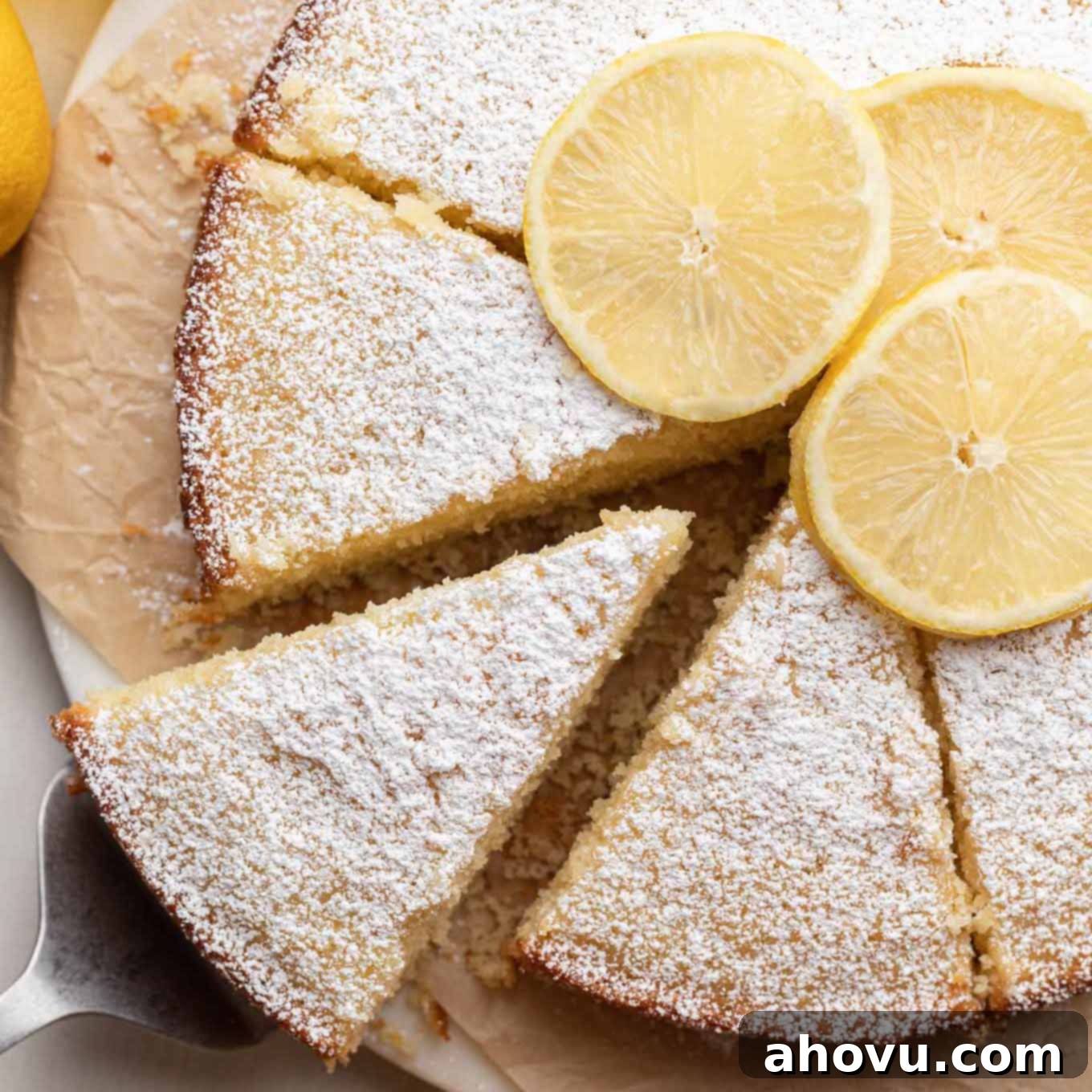
Exquisitely Moist Lemon Olive Oil Cake: A Zesty Mediterranean Delight
Prepare to be enchanted by this truly exceptional Lemon Olive Oil Cake, where the richness of extra virgin olive oil and the tang of fresh buttermilk combine to create a cake of unparalleled moisture and tenderness. Infused with bright lemon juice and aromatic zest, this dessert delivers a burst of vibrant citrus flavor with every bite. It’s wonderfully versatile—perfectly suited for a sophisticated dessert course or a delightful companion to your morning coffee or afternoon tea.
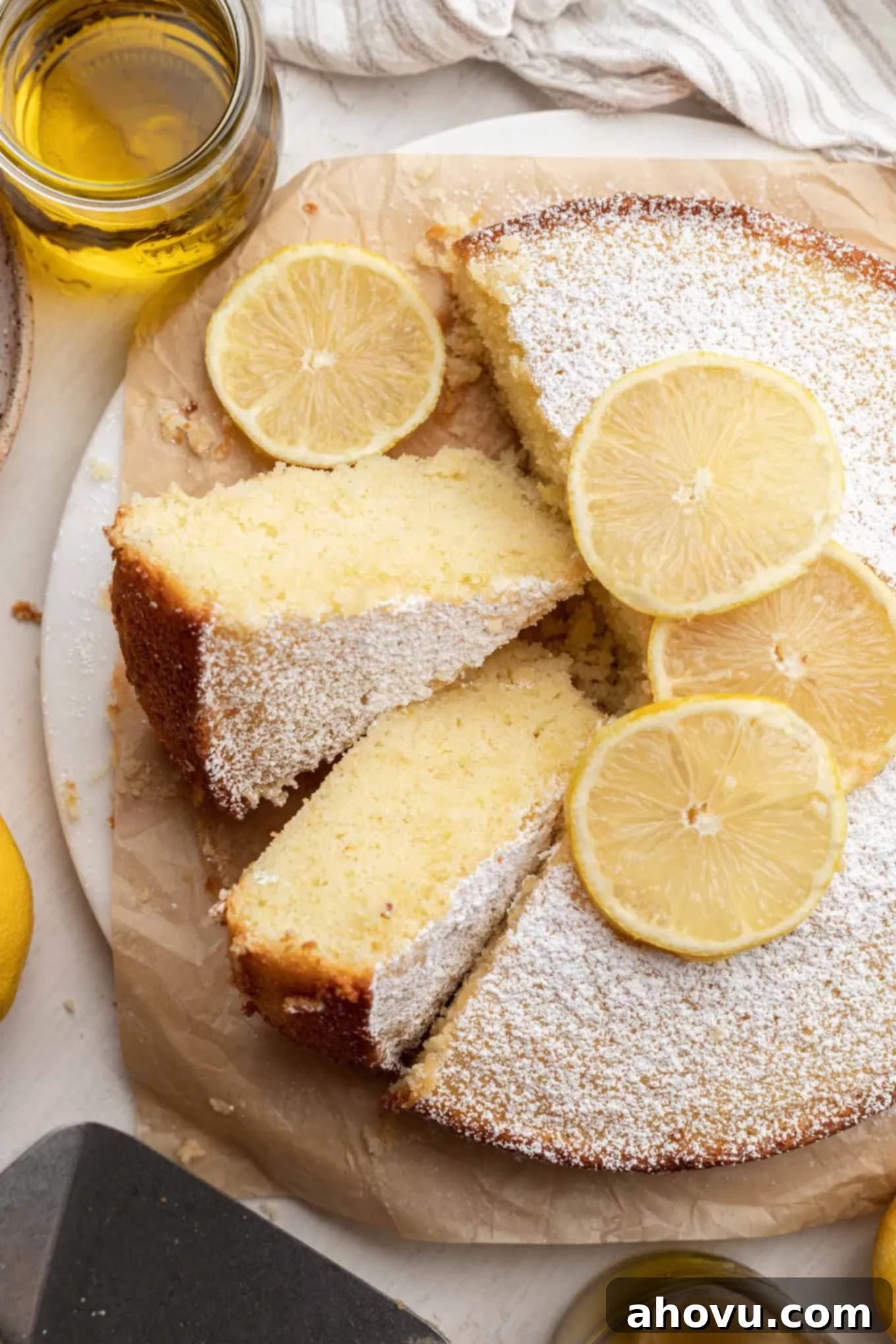
The idea of using olive oil in cake might seem unconventional to some, but it’s a time-honored tradition in Mediterranean baking, and for good reason! Olive oil is a game-changer when it comes to baked goods. Unlike butter, which can make cakes denser and prone to drying out, olive oil contributes a superior level of moisture that keeps cakes incredibly tender and fresh for days. It truly elevates the texture, giving the cake a melt-in-your-mouth quality that is simply irresistible.
Beyond moisture, extra virgin olive oil brings a fascinating depth of flavor to this lemon cake. It boasts a more complex, nuanced, and even slightly fruity profile compared to neutral vegetable oils or even butter. This unique characteristic means that simple desserts, like this elegant Lemon Olive Oil Cake, automatically gain a sophisticated edge. The subtle peppery notes and grassy undertones of a good olive oil harmonize beautifully with the vibrant lemon, creating a flavor combination that is both intriguing and utterly delicious.
This particular cake recipe embraces its Mediterranean roots, celebrating the synergistic pairing of bright citrus and robust olive oil. What makes it even better is that it relies on just a handful of everyday ingredients you likely already have stocked in your pantry and fridge. It’s a testament to how simple components can come together to create something truly extraordinary without any fuss.
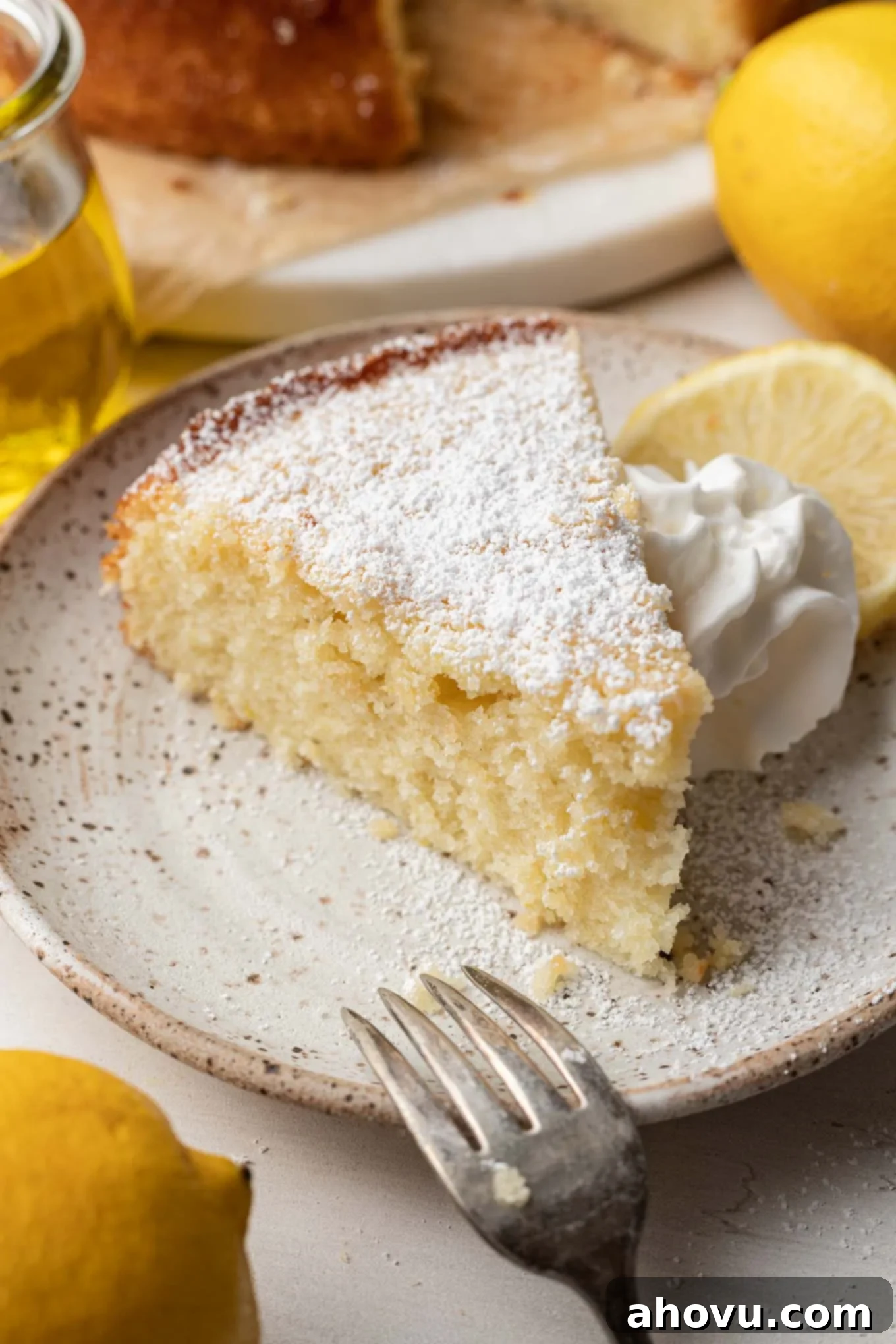
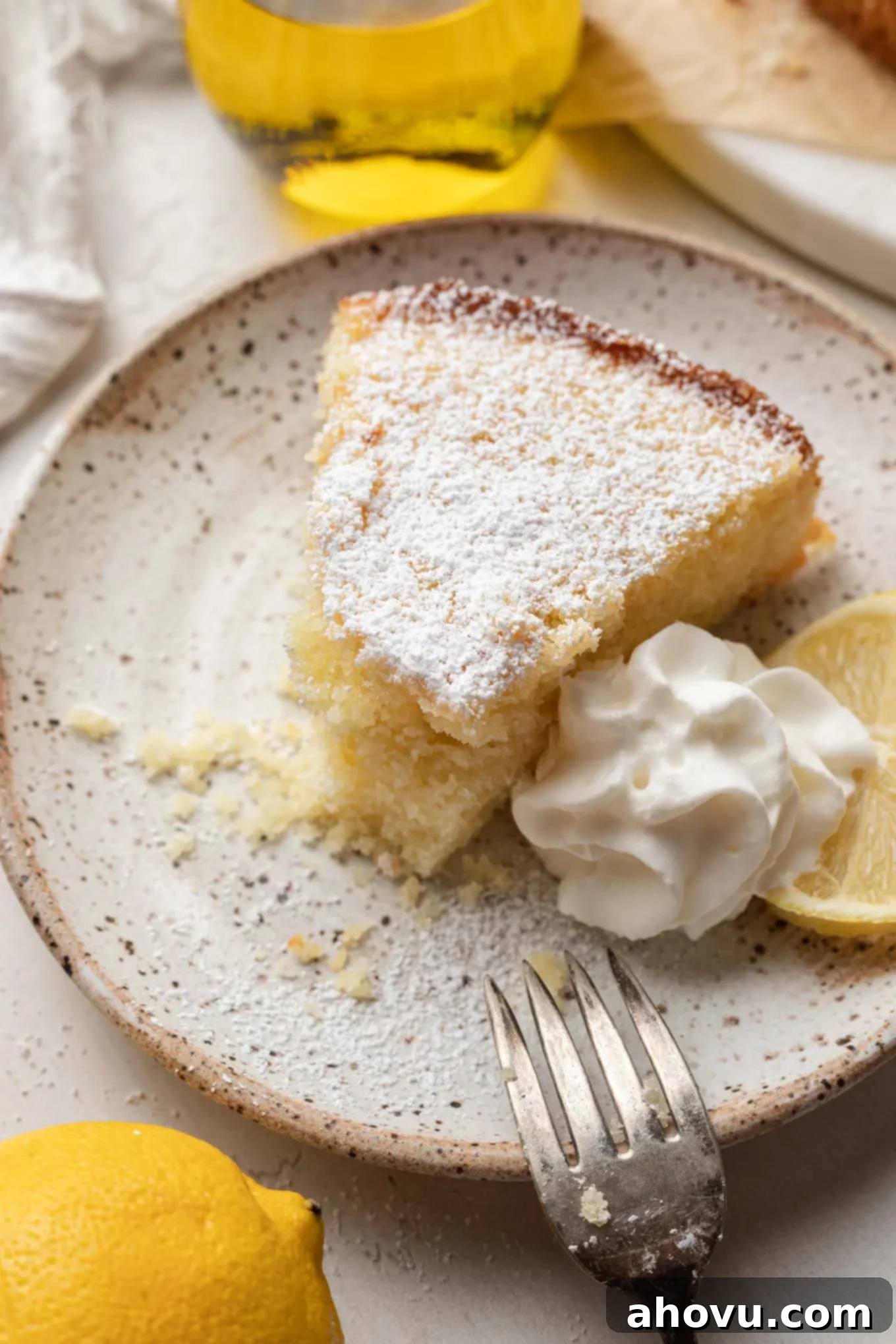
Because this delightful Lemon Olive Oil Cake isn’t burdened by heavy frosting, its natural flavors truly shine. This makes it incredibly versatile for serving. Whether you’re looking for an elegant yet understated dessert or a comforting treat to pair with your morning brew, it fits the bill perfectly. For a special dessert presentation, consider serving a slice with a generous dollop of freshly whipped cream and a scattering of seasonal fresh berries—the tartness of the berries provides a lovely contrast to the cake’s sweet, rich profile.
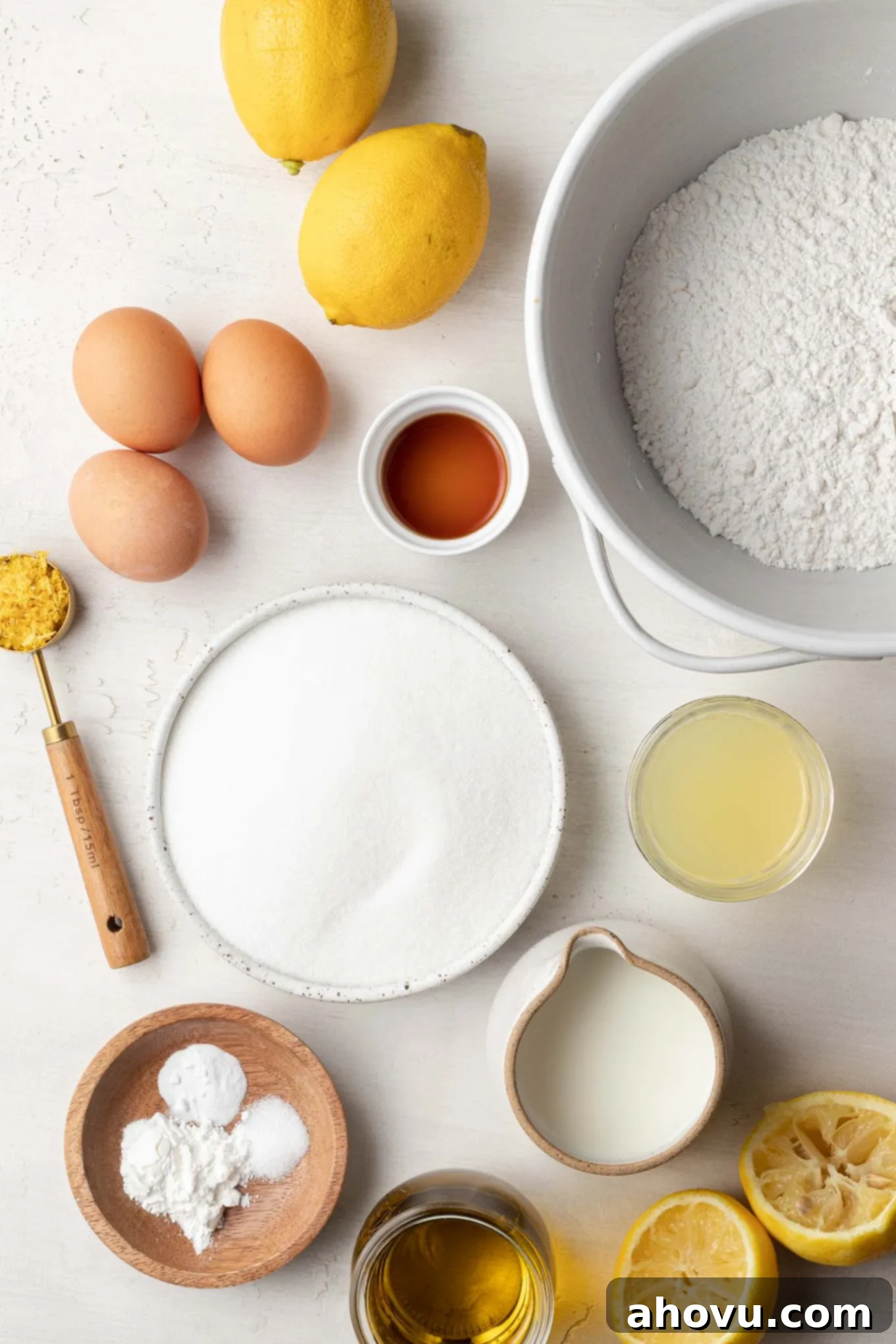
Essential Recipe Ingredients for Your Lemon Olive Oil Cake
This Lemon Olive Oil Cake recipe is designed for simplicity, requiring minimal effort—just a whisk and a couple of bowls. The addition of olive oil infuses the cake with a unique character, enhancing its overall flavor profile without overshadowing the bright, zesty lemon. Rest assured, the lemon notes are front and center, creating a wonderfully balanced taste experience. Below, we’ll dive into the key ingredients that make this cake so special, providing a brief overview. The full, detailed list can be found in the comprehensive recipe card further down this page.
- Extra Virgin Olive Oil: This is truly the star ingredient, transforming the cake with its distinctive fruity, sometimes peppery, notes and unparalleled moisture. Using a high-quality extra virgin olive oil is highly recommended for the best flavor outcome. If you’re new to baking with olive oil or prefer a milder taste, a regular or light olive oil can be used, though it will result in a less pronounced olive oil flavor.
- Fresh Lemons: You’ll need approximately 2 to 3 medium-sized lemons to yield both the necessary juice and a generous amount of zest. Both components are crucial: the zest provides aromatic oils for a deep lemon aroma, while the juice delivers that signature tangy flavor.
- Cake Flour: This specialized flour contains a lower protein content than all-purpose flour, which is key to achieving a supremely tender and delicate crumb in your cake. If cake flour isn’t a pantry staple for you, don’t worry—you can easily create a homemade substitute using a combination of all-purpose flour and cornstarch. This simple trick ensures your cake still achieves that desired soft texture.
- Buttermilk: Essential for adding significant moisture and contributing to the cake’s wonderfully tender texture. The acidity in buttermilk also reacts with baking soda, helping the cake to rise beautifully. For the best results, real buttermilk is highly recommended. However, if you find yourself without it, a quick and effective buttermilk substitute can be prepared in about 10 minutes using milk and an acid like lemon juice or vinegar.
- Large Eggs: Eggs serve multiple critical functions in baking: they provide essential structure to the cake, help bind the ingredients together, and contribute additional moisture, ensuring a rich and cohesive batter.
- Granulated Sugar: Not only does sugar provide sweetness, but it also helps retain moisture and contributes to the cake’s tender crumb.
- Baking Powder & Baking Soda: These leavening agents work in tandem to give the cake its lift and airy texture. The baking soda, in particular, reacts with the acidic buttermilk to produce carbon dioxide, aiding in the rise.
- Salt: A pinch of salt is vital for balancing the sweetness and enhancing all the other flavors in the cake, making them pop.
- Pure Vanilla Extract: While lemon is the dominant flavor, a touch of vanilla adds warmth and depth, rounding out the overall taste profile.


How to Bake Your Perfect Lemon Olive Oil Cake
Crafting this delightful Lemon Olive Oil Cake is a straightforward process, resulting in a show-stopping dessert with minimal fuss. While the ingredients are simple, a 9-inch springform pan is recommended for ease of removal and a beautiful presentation, though alternative pan options are also available if needed. Here’s a detailed overview of the baking steps to guide you to a perfectly moist and flavorful cake:
- Prepare Your Baking Environment: Begin by preheating your oven to 350ºF (175°C). Next, prepare your 9-inch springform pan. Generously grease the pan with non-stick cooking spray, ensuring all surfaces are covered. For an extra layer of protection and effortless removal, I highly recommend lining the bottom of the pan with a round of parchment paper. This simple step guarantees your beautifully baked cake will release cleanly from the pan.
- Combine the Dry Ingredients: In a large mixing bowl, combine the cake flour, baking powder, baking soda, and salt. Use a whisk to thoroughly blend these dry ingredients together. Whisking ensures that the leavening agents and salt are evenly distributed throughout the flour, which is crucial for a consistent rise and texture in the finished cake.
- Whisk Together the Wet Ingredients: In a separate, even larger bowl, add the granulated sugar, extra virgin olive oil, room temperature buttermilk, large eggs, fresh lemon juice, fragrant lemon zest, and pure vanilla extract. Whisk vigorously until all these wet ingredients are completely smooth and well combined. Ensure the sugar is dissolved as much as possible, and the mixture is emulsified.
- Finish the Batter with Care: Gently add the dry ingredient mixture into the wet ingredients. Using a whisk or spatula, mix until the ingredients are just combined. It’s crucial not to overmix the batter, as this can develop the gluten in the flour too much, leading to a tough cake. A few small lumps are perfectly fine. Note: The batter for this cake will be noticeably thin, which is entirely normal for olive oil cakes and contributes to its incredible moistness.
- Bake to Golden Perfection: Carefully pour the thin batter into your prepared springform pan. Transfer the pan to the preheated oven and bake for approximately 45 to 50 minutes. The cake is done when a wooden toothpick or skewer inserted into the center comes out clean, indicating no wet batter remains. The top should be golden brown and spring back lightly when touched.
- Cool Completely for Best Results: Once baked, remove the cake from the oven and place it on a wire rack to cool in the pan for at least 1 hour. This allows the cake to firm up and settle. After an hour, gently run a thin knife around the inner edge of the springform pan before unclipping and removing the sides. Allow the cake to cool completely on the wire rack—this is vital for its structure and flavor. Just before serving, for a beautiful finish, lightly dust the top with powdered sugar or prepare a dollop of homemade whipped cream.
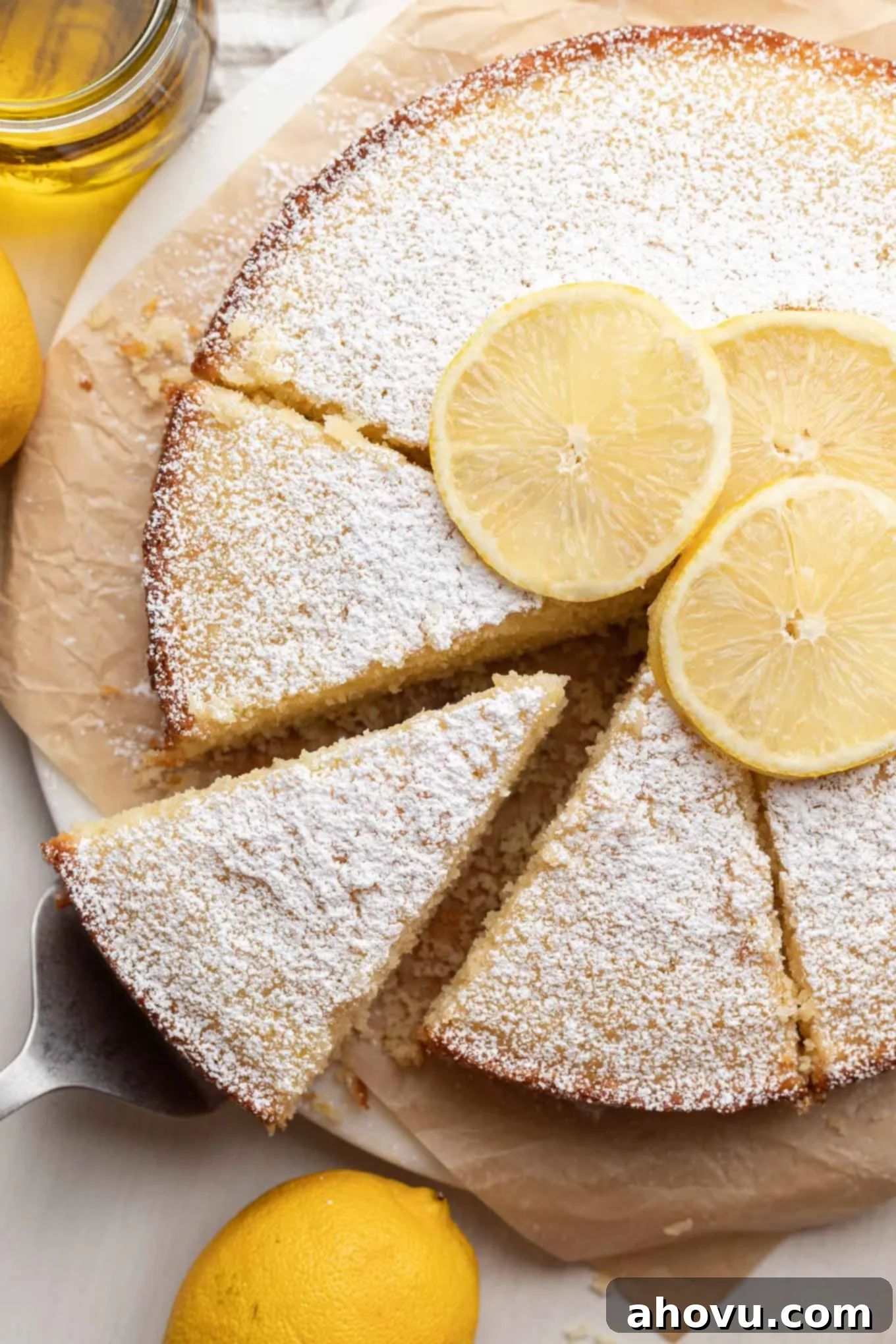
Choosing the Best Olive Oil for Your Cake
When it comes to this Lemon Olive Oil Cake, the type of olive oil you choose significantly impacts the final flavor. I strongly advocate for using **extra virgin olive oil (EVOO)**. EVOO is the least processed form of olive oil and retains the most complex, robust flavors – ranging from fruity and herbaceous to peppery. In the finished cake, you will indeed taste the olive oil, but it won’t be overwhelming. Instead, it adds a sophisticated depth that beautifully complements the citrus. Think of it as a subtle, earthy counterpoint to the bright lemon.
Consider the significant amount of lemon in this recipe: 1/4 cup of fresh lemon juice and a full tablespoon of zest. These elements deliver a powerful citrus punch. To stand up to and enhance these bold lemon flavors, you need an olive oil that can hold its own. A high-quality EVOO provides that necessary complexity and character, creating a harmonious and layered flavor profile that’s truly special.
However, if you’re new to baking with olive oil, or if you prefer a much milder flavor, you certainly have options. You can use a **regular olive oil** (often labeled “pure olive oil” or simply “olive oil”). These varieties are typically lighter in flavor and more refined, making them a good entry point if you’re hesitant about the distinct taste of extra virgin. Just be aware that regular olive oil won’t contribute the same depth and nuance that a good EVOO does, resulting in a less adventurous but still delicious cake.
Ultimately, experiment to find your preference! The joy of this recipe lies in its adaptability and the beautiful interplay of simple, high-quality ingredients.
Can I Substitute Other Oils for Olive Oil?
While you *could* technically substitute olive oil with other neutral-flavored oils like melted coconut oil, canola oil, or vegetable oil, I strongly advise against it if you’re aiming for the authentic experience of this recipe. The distinctive flavor profile of olive oil is not just an accent here; it’s a fundamental component that truly defines this cake and sets it apart. The fruity, sometimes slightly peppery notes of olive oil are what make this cake so special and give it its unique Mediterranean charm, perfectly marrying with the lemon.
If you don’t have olive oil on hand, or if you’re simply not keen on baking with it, you might find more satisfaction in a different recipe altogether. In that case, I recommend trying my traditional classic lemon cake recipe, which is designed to be delicious with more conventional fats and delivers a fantastic lemon flavor in its own right.
Can This Cake Be Baked in a Different Pan?
Absolutely! While a springform pan is recommended for its ease of release and beautiful presentation, this versatile lemon olive oil cake batter can certainly be adapted to other baking dishes. If you don’t have a 9-inch springform pan, a standard 9×13 inch rectangular baking pan is an excellent alternative. Simply grease the 9×13 pan thoroughly with non-stick spray, pour in the batter, and bake.
Keep in mind that using a different pan size will alter the baking time. For a 9×13 inch pan, the cake will typically bake faster due to its shallower depth. You can expect it to be ready in approximately 30 minutes, or potentially a few minutes more or less. Always rely on the toothpick test: insert a wooden toothpick into the center of the cake, and if it comes out clean with no wet batter attached, your cake is perfectly baked.
Expert Baking Tips for Success
Achieving a perfect Lemon Olive Oil Cake is simple when you keep a few key baking tips in mind. These little tricks can make a big difference in the texture, flavor, and overall success of your cake:
- Room Temperature Ingredients are Key: For a smooth, evenly mixed batter and a perfectly textured cake, ensure all your cold ingredients, such as eggs and buttermilk, are at room temperature before you begin. This allows them to emulsify properly with the other ingredients. If you forget to set your eggs out in advance, a quick fix is to place them in a bowl of warm water for 5 to 10 minutes. For cold buttermilk, a brief warm-up in the microwave for 15 to 20 seconds will bring it to the ideal temperature.
- Maximize Lemon Juice: To extract the most juice from your lemons, roll them firmly on your kitchen counter with the palm of your hand for about 10-15 seconds before slicing and juicing. This technique helps to break down the membranes inside the lemon, releasing more liquid.
- Don’t Be Alarmed by Thin Batter: As noted in the instructions, the cake batter for this recipe will be quite thin. This is completely normal and expected for an olive oil-based cake. This fluidity contributes to its ultimate moistness and delicate crumb once baked. Trust the process; it will bake up tall, light, and fluffy in the oven, which is also why a springform pan is highly recommended to contain the more liquid batter.
- Patience During Cooling: Resist the urge to immediately remove your cake from the pan after baking. Allowing the cake to cool in the springform pan for at least an hour on a wire rack is crucial. This cooling period gives the cake time to set its structure, preventing it from crumbling or breaking when you release it from the pan.
- Elevate Your Serving: This Lemon Olive Oil Cake is absolutely delicious on its own, with its pure lemon and olive oil flavors shining through. However, for a touch of elegance or added indulgence, a simple dusting of powdered sugar just before serving adds a lovely visual and a hint of extra sweetness. For a truly decadent experience, pair it with a dollop of fluffy homemade whipped cream or a scoop of vanilla bean ice cream. The creamy richness beautifully complements the cake’s vibrant citrus notes.
More Zesty Lemon Desserts to Explore!
If you’re a fan of the bright, refreshing flavor of lemon, you’re in luck! There’s a whole world of lemon-infused desserts waiting to be discovered. From rich and dense cakes to delicate cookies, lemon adds a delightful tang that invigorates the palate. Here are some other fantastic lemon desserts you might love to try:
- Classic Lemon Pound Cake: A denser, buttery cake with intense lemon flavor, often finished with a sweet lemon glaze.
- Lemon Blueberry Bread: A perfect combination of tart blueberries and zesty lemon, often baked into a quick bread and drizzled with a lemon glaze.
- Chewy Lemon Cookies: Soft and tender cookies bursting with lemon flavor, usually rolled in powdered sugar for a crinkled effect.
- Traditional Lemon Bars: A delightful dessert featuring a buttery shortbread crust topped with a tangy, smooth lemon filling and dusted with powdered sugar.
- Creamy Lemon Cheesecake: A rich and indulgent cheesecake with a bright lemon twist, often served with fresh berries.
Recipe Video Guide

Lemon Olive Oil Cake
Pin Recipe
SaveSaved!
Leave a Review
Ingredients
- 2 cups cake flour spooned & leveled (230 grams)
- 1 teaspoon baking powder
- ¼ teaspoon baking soda
- ¼ teaspoon salt
- 1 ½ cups granulated sugar (300 grams)
- ⅔ cup extra virgin olive oil (160 ml)
- ⅔ cup buttermilk at room temperature (160 ml)
- 3 large eggs at room temperature
- ¼ cup fresh lemon juice (60 ml)
- 1 tablespoon lemon zest
- 1 teaspoon pure vanilla extract
Instructions
-
Preheat your oven to 350°F (180°C). Prepare a 9-inch springform pan by greasing it thoroughly with nonstick cooking spray. For effortless removal, line the bottom of the pan with a circle of parchment paper. Set the prepared pan aside.
-
In a medium mixing bowl, combine the cake flour, baking powder, baking soda, and salt. Whisk these dry ingredients together thoroughly to ensure they are evenly distributed, which is crucial for a consistent rise and texture in your cake.
-
In a separate, large mixing bowl, whisk together the granulated sugar, extra virgin olive oil, room temperature buttermilk, large eggs, fresh lemon juice, vibrant lemon zest, and vanilla extract until all ingredients are fully combined and the mixture is smooth.
-
Gently add the whisked dry ingredients into the wet ingredients. Mix until they are just combined, being careful not to overmix the batter. Overmixing can lead to a tough cake. Don’t be concerned if the batter appears very thin; this consistency is normal for olive oil cakes and contributes to their incredible moistness. Pour the finished batter into your prepared springform pan.
-
Bake the cake for 45 to 50 minutes. To check for doneness, insert a wooden toothpick or skewer into the center of the cake; it should come out clean. The cake will also be golden brown on top and spring back lightly when gently pressed.
-
Once baked, remove the cake from the oven and allow it to cool in the pan on a wire rack for at least one hour. This cooling time is essential for the cake to set properly. After an hour, carefully run a thin knife around the outside edge of the cake before releasing and removing it from the springform pan.
-
Allow the cake to cool completely on the wire rack before slicing and serving. For a lovely presentation, dust the cooled cake generously with powdered sugar or top individual slices with a dollop of homemade whipped cream right before serving.
Notes
Freezing Instructions: For longer storage, wrap the cooled cake tightly in plastic wrap, then place it in a large freezer bag or an airtight freezer-safe container. It can be frozen for up to 3 months. When you’re ready to enjoy, thaw the cake to room temperature before slicing and serving to best appreciate its texture and flavor.
Recipe adapted from: Spice & Spirit Cookbook – Lemon Bundt Cake