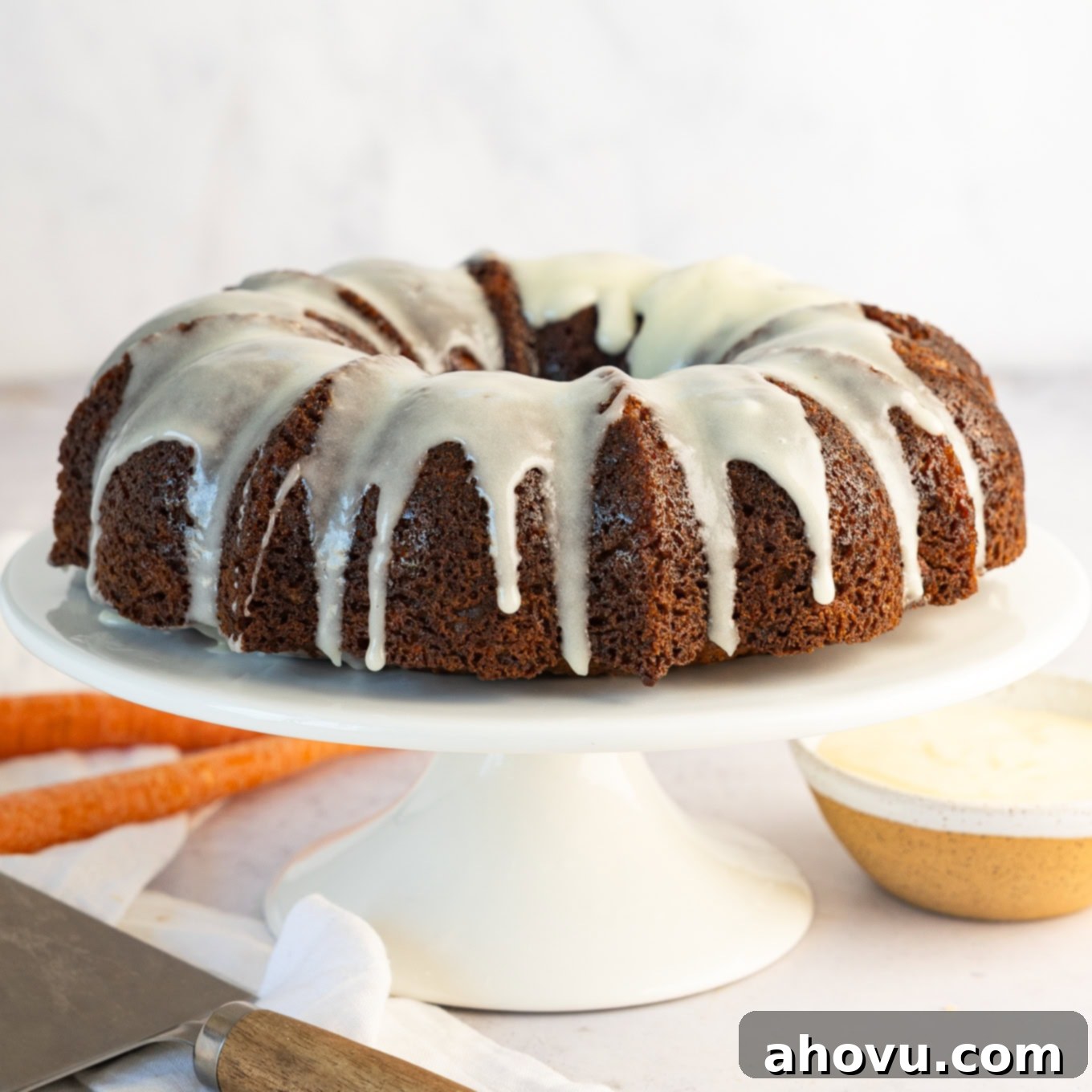
Easy & Indulgent: The Ultimate Moist Carrot Bundt Cake with Cream Cheese Glaze
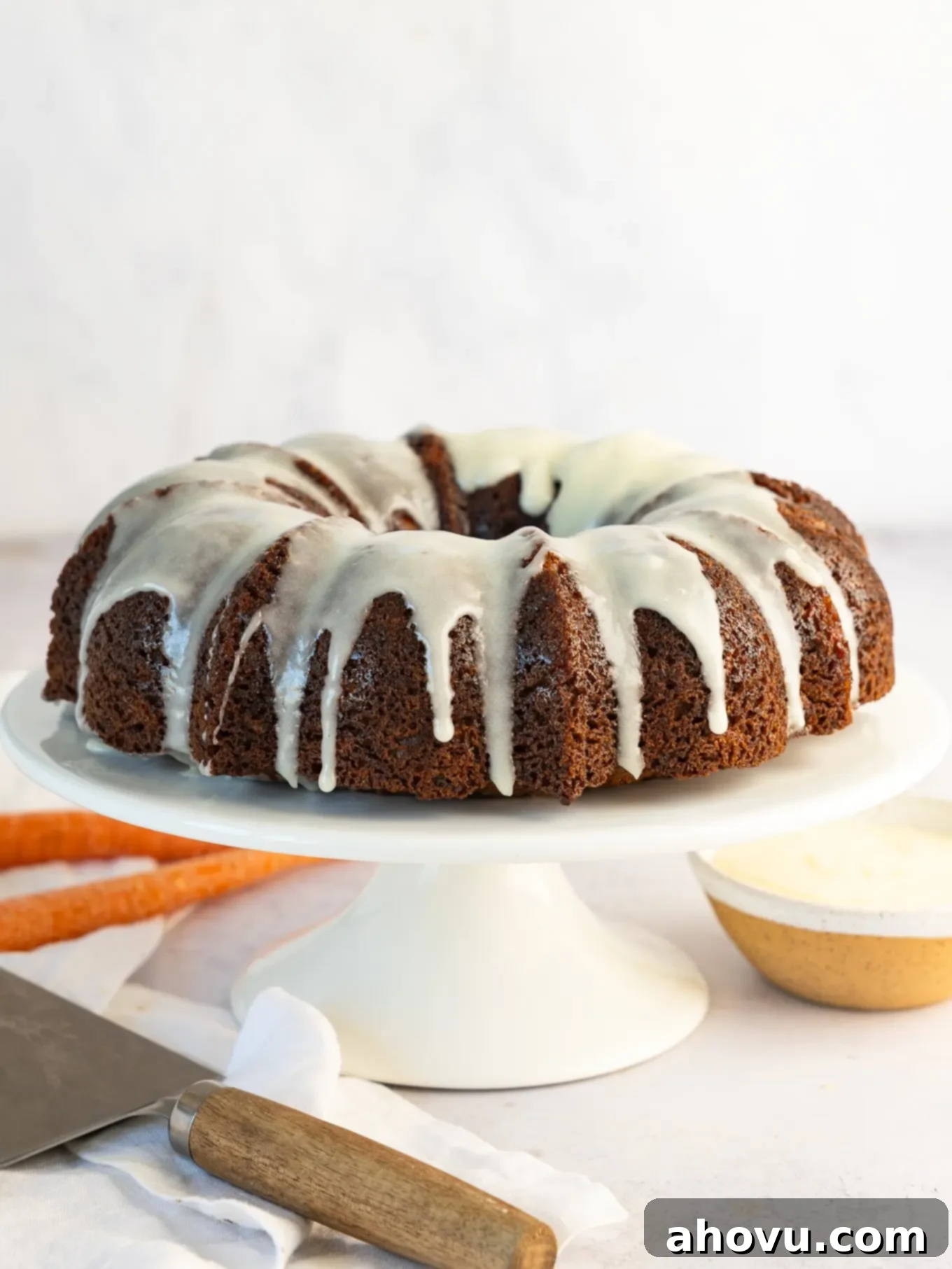
Prepare to fall in love with this incredibly delicious and effortlessly beautiful **carrot bundt cake**! It captures all the beloved spiced flavors and tender textures of a classic carrot layer cake, but without the time-consuming steps of stacking and intricate frosting. This recipe focuses on simplicity and maximum flavor, delivering a show-stopping dessert with minimal fuss. While our core recipe is free of nuts and raisins, we’ve included options for those who enjoy a more traditional, “loaded” carrot cake.
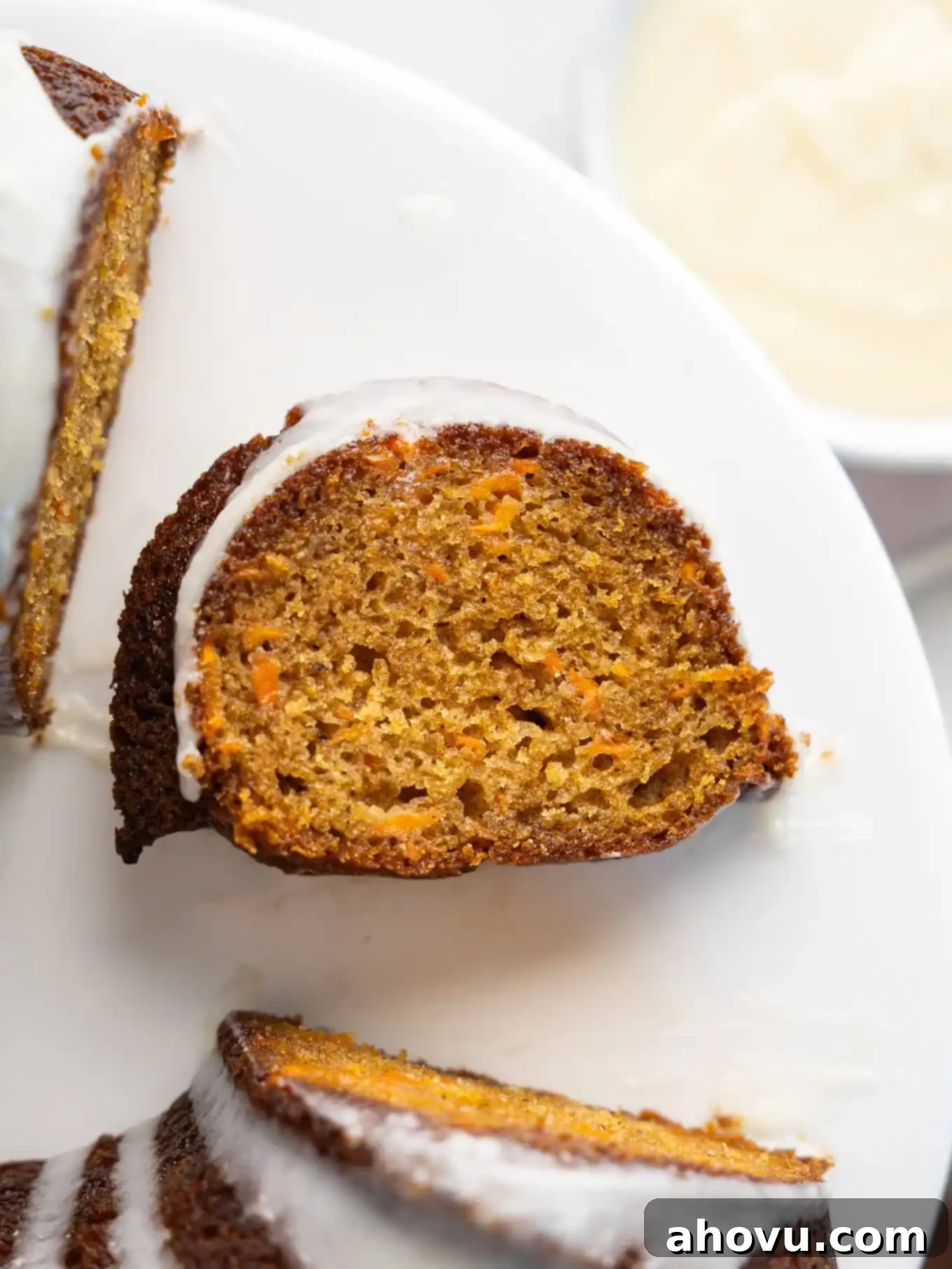
Baking cakes in a bundt pan has become one of my favorite methods, primarily because it simplifies the entire process. Traditional layer cakes often demand extra effort for frosting and elaborate decoration, which can be daunting for home bakers. A bundt cake, however, emerges from the oven with its own built-in intricate design, ready to be adorned with a simple glaze or a dusting of powdered sugar. This elegant presentation makes it look like you’ve spent hours in the kitchen, when in reality, it’s remarkably quick to prepare.
This particular carrot bundt cake perfectly exemplifies the ease and beauty of bundt baking. It’s an incredibly straightforward adaptation of my highly-rated classic carrot cake recipe, which has garnered nearly 700 five-star reviews! For this bundt version, we’ve slightly reduced the sugar content for a balanced sweetness, optimized it for baking in a bundt pan, and topped it with a luscious, pourable cream cheese icing that complements the rich cake perfectly.
The distinctive ridges and curves of a bundt pan transform a simple cake into a culinary masterpiece. There’s no need for special decorating tools or advanced techniques; the pan does all the hard work for you, creating an impressive dessert every time. Even better, the batter for this cake comes together in a flash—you’ll only need about 20 minutes of active prep time before it goes into the oven. This recipe is ideal for any upcoming spring celebrations, Easter brunch, Mother’s Day, or simply a weekend treat. It’s a universally loved dessert that is sure to delight family and friends alike!
Watch The Recipe Video
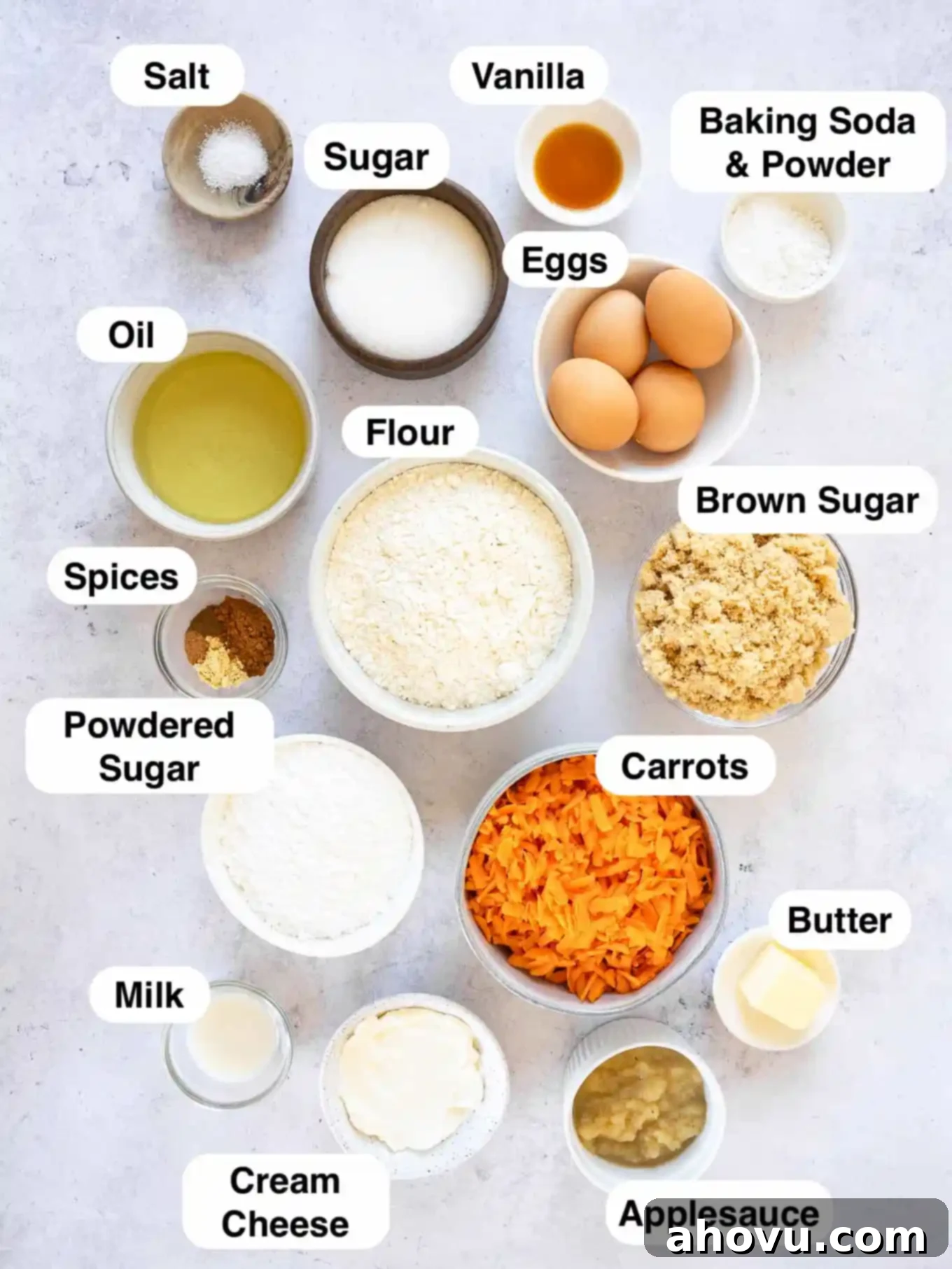
Ingredient Notes & Substitutions for a Perfect Carrot Bundt Cake
Understanding each ingredient’s role and knowing suitable substitutions can elevate your baking experience. Here are some key insights for this delicious carrot bundt cake:
Carrots: Freshly Grated for Optimal Moisture
For the best texture and moisture in your carrot cake, always opt for freshly grated carrots. Pre-shredded carrots found in grocery stores are typically drier and coarser, which can lead to a less tender cake. Grating them yourself ensures maximum moisture retention and a superior flavor. I recommend using the larger holes on the side of a box grater. This yields lovely, distinct carrot pieces that remain moist and flavorful throughout the baking process, preventing them from becoming mushy or disappearing into the batter.
Cream Cheese: The Key to a Rich, Tangy Icing
The cream cheese icing is a hallmark of an exceptional carrot cake. For this recipe, you’ll need just 2 ounces (approximately ¼ of a standard block) of full-fat, brick-style cream cheese. It’s crucial to choose this type over the spreadable varieties sold in tubs, as brick cream cheese has a firmer consistency and less water content, ensuring your icing sets beautifully and has that signature rich, tangy flavor and smooth texture. Ensure it’s softened to room temperature for easier mixing.
Applesauce: The Secret to Unbeatable Moistness
Applesauce is truly the unsung hero of this carrot cake, acting as a brilliant fat replacer that keeps the cake incredibly moist without adding any greasiness. It contributes natural sweetness and a subtle fruitiness that enhances the overall flavor profile. I prefer unsweetened applesauce to maintain control over the sugar levels, but sweetened versions work too; just be mindful of the overall sweetness. If you don’t have applesauce on hand, or prefer an alternative, you can substitute it with ½ cup of plain Greek yogurt or sour cream for a similar tang and moisture, or use one 8-ounce can of crushed pineapple (make sure it’s thoroughly drained to avoid excess liquid).
Oil: Choosing the Right Fat for Texture
Using oil in carrot cake contributes to a wonderfully moist and tender crumb. It’s best to stick with a neutral-flavored oil that won’t overpower the delicate spices and carrot flavor. Excellent choices include canola oil, vegetable oil, or avocado oil. These oils remain liquid at room temperature, contributing to a consistently moist cake. If you opt for coconut oil, ensure all your other ingredients are also at room temperature. This prevents the coconut oil from solidifying upon contact with colder ingredients, which could result in an unevenly mixed batter.
Flour and Sugars: Building the Foundation
The combination of all-purpose flour, light brown sugar, and granulated sugar forms the backbone of this cake. The brown sugar not only adds a deeper, caramel-like sweetness but also significantly contributes to the cake’s moistness due to its molasses content. Granulated sugar provides the necessary structure and a clean sweetness. Correct flour measurement (spooned and leveled!) is paramount to avoid a dense or dry cake.
Spices: The Heart of Carrot Cake Flavor
A harmonious blend of ground cinnamon, ginger, nutmeg, and cloves provides the warm, inviting aroma and rich, comforting flavor that is synonymous with classic carrot cake. These spices are carefully balanced to enhance, not overwhelm, the natural sweetness of the carrots.
Pro Tips for Baking a Super Moist Carrot Bundt Cake
Achieving a perfectly moist and tender bundt cake is easier than you think when you follow these crucial baking tips:
- Measure the Flour Correctly. This step is often overlooked but dramatically impacts your cake’s texture. Always spoon your all-purpose flour into the measuring cup, then level it off with the back of a straight edge, like a butter knife. Scooping flour directly from the container compacts it, leading you to use significantly more flour than the recipe intends. Excess flour results in a dense, dry, and crumbly cake rather than the light and tender texture we’re aiming for.
- Embrace Brown Sugar. You’ll notice this recipe calls for a substantial amount of brown sugar compared to granulated sugar, and there’s a good reason for it! Brown sugar contains molasses, which is a natural humectant. This means it draws in and retains moisture, making your cake exceptionally moist and tender. Beyond moisture, brown sugar also adds a deeper, more complex flavor profile and reacts beautifully with the baking soda to help the cake rise, contributing to a fluffy texture. If you find yourself without brown sugar, you can easily make a simple brown sugar substitute using granulated sugar and a touch of molasses.
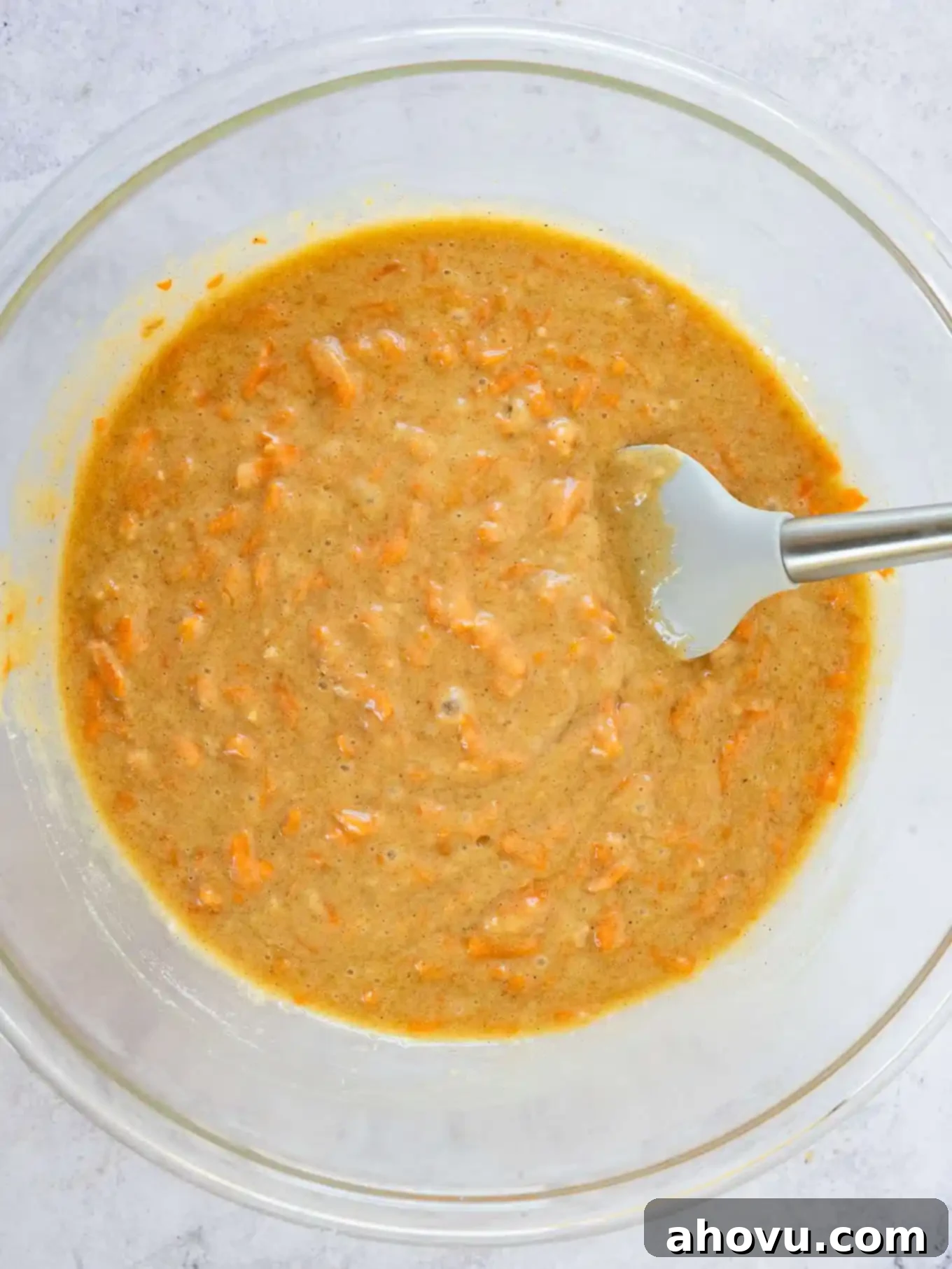
- Avoid Overmixing the Batter. Once you’ve combined the wet and dry ingredients, mix them only until they are just incorporated. Overmixing develops the gluten in the flour excessively, leading to a tough, chewy, or even gummy cake. A few lumps in the batter are perfectly fine and often preferable to an overmixed, tough cake. Gently fold the ingredients until no streaks of flour remain.
- Do Not Overbake Your Cake! This is perhaps the most common culprit behind a dry cake. Overbaking removes too much moisture, leaving you with a crumbly texture. Start checking for doneness at the lower end of the suggested baking time. You’re looking for a beautiful golden-brown top and a toothpick or wooden skewer inserted into the thickest part of the cake (usually the center) that comes out clean, or with just a few moist crumbs attached. If the top of your cake is browning too quickly before the center is cooked, loosely tent the pan with aluminum foil to protect the surface and allow the middle to finish baking.
- Room Temperature Ingredients: Ensure your eggs and cream cheese/butter for the icing are at room temperature. This allows them to emulsify better with other ingredients, creating a smoother, more uniform batter and a creamier icing.
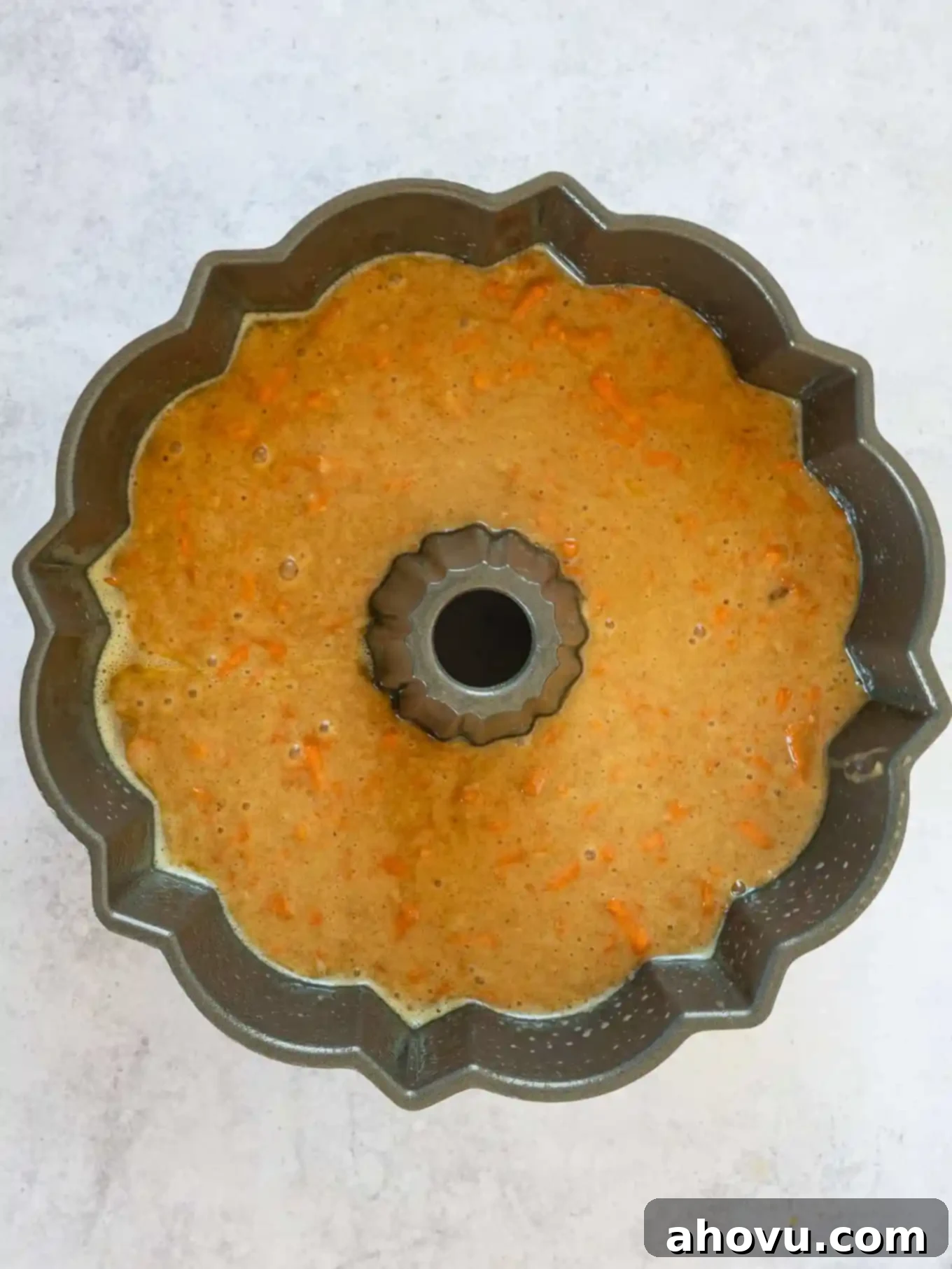
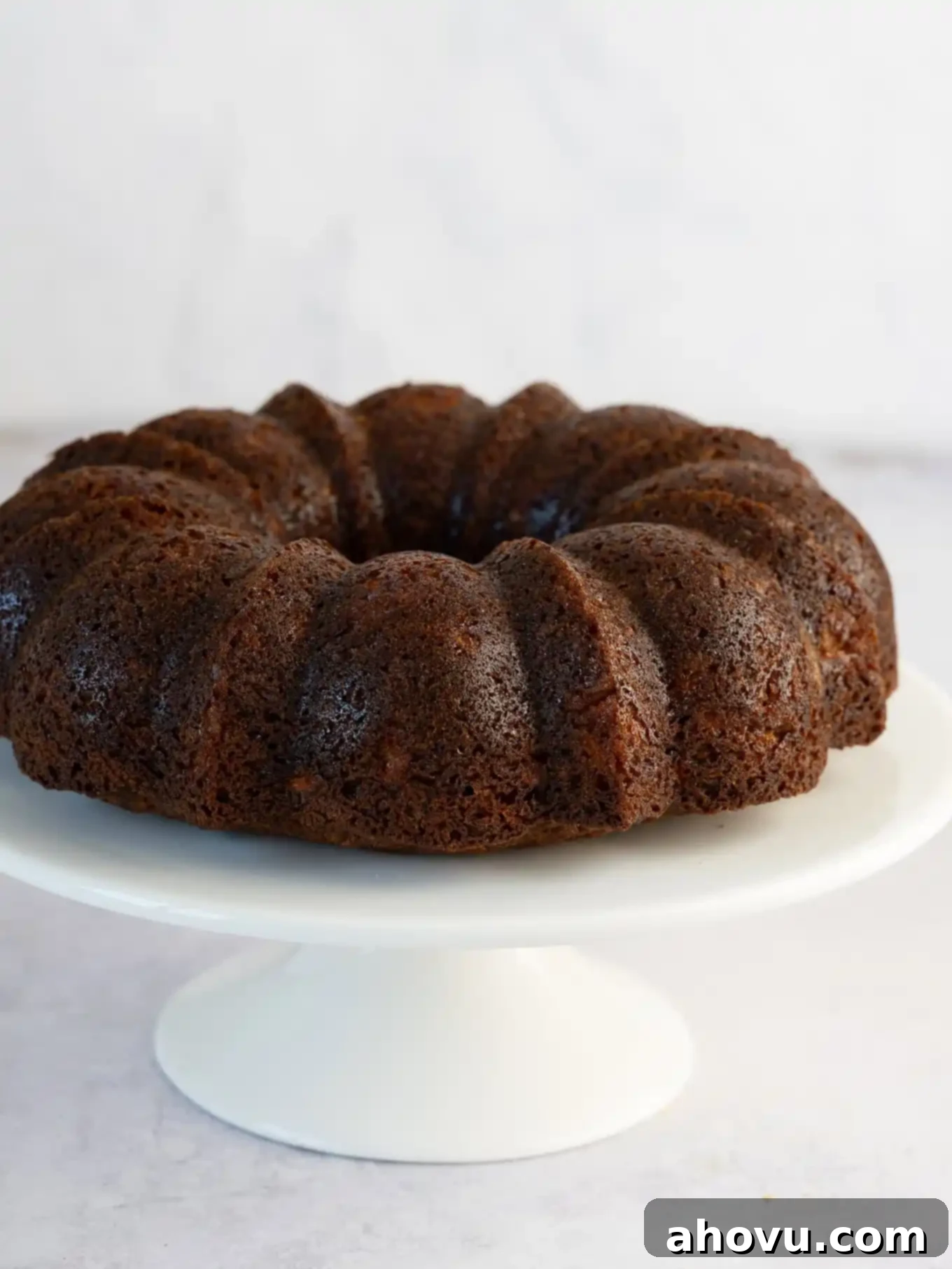
How To Prevent Your Bundt Cake from Sticking To The Pan
The intricate designs of bundt pans, while beautiful, can sometimes be a challenge, as cake batter loves to cling to every nook and cranny. Nothing is more frustrating than a delicious cake that won’t release cleanly from the pan!
To ensure a perfect release every single time, follow these critical steps:
- **Use a High-Quality Non-Stick Bundt Pan:** While any bundt pan can work, a good quality non-stick pan provides an extra layer of assurance. Inspect your pan for any scratches or worn-out non-stick coating, as these areas are prone to sticking.
- **Spray Generously and Thoroughly:** Don’t be shy with the non-stick cooking spray. Liberally coat every surface of the bundt pan, making sure to get into all the crevices and details. Some bakers prefer baking spray that contains flour (like Baker’s Joy or a homemade flour-oil paste), which offers even more protection against sticking. Ensure you cover the entire inner surface of the pan, leaving no dry spots.
- **Cool in the Pan for Exactly 20 Minutes:** This is a crucial timing step. Once removed from the oven, allow the cake to cool in the bundt pan on a wire rack for precisely 20 minutes. During this period, the cake pulls away slightly from the sides of the pan as it cools and firms up, making it easier to release. If you cool it for too long in the pan, moisture can get trapped, making it stick. If you try to invert it too soon, the cake may be too fragile and could break apart.
- **Invert Carefully and Completely:** After 20 minutes, place your wire cooling rack directly on top of the bundt pan. Using oven mitts, carefully but confidently flip the pan and rack together. Gently lift the bundt pan off the cake. If you notice any small parts of the cake still clinging to the pan, you can carefully slide a thin, flexible butter knife or offset spatula between the cake and the pan to help loosen it before completely removing the pan. Allow the cake to cool completely on the wire rack before attempting to glaze or slice.
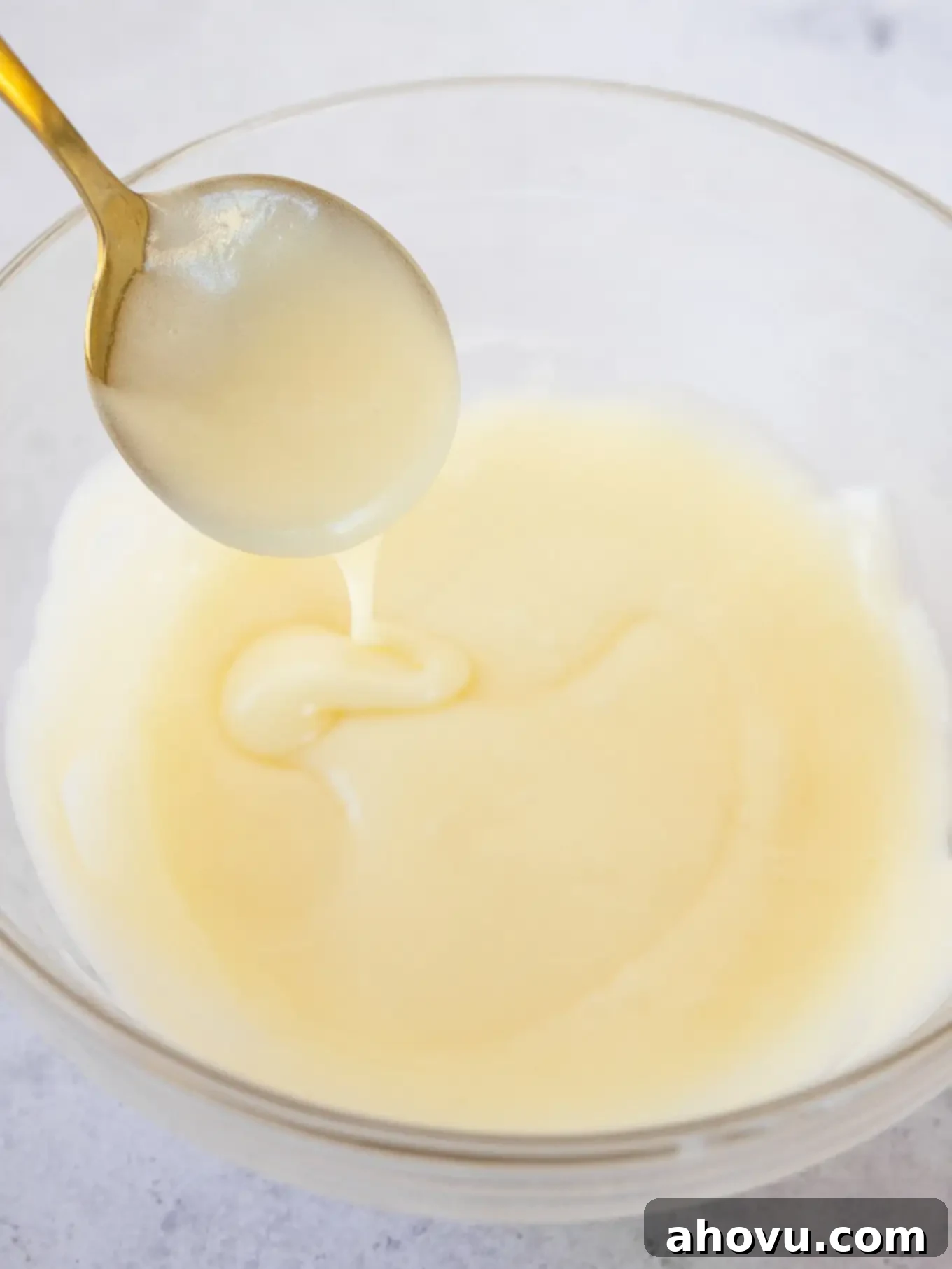
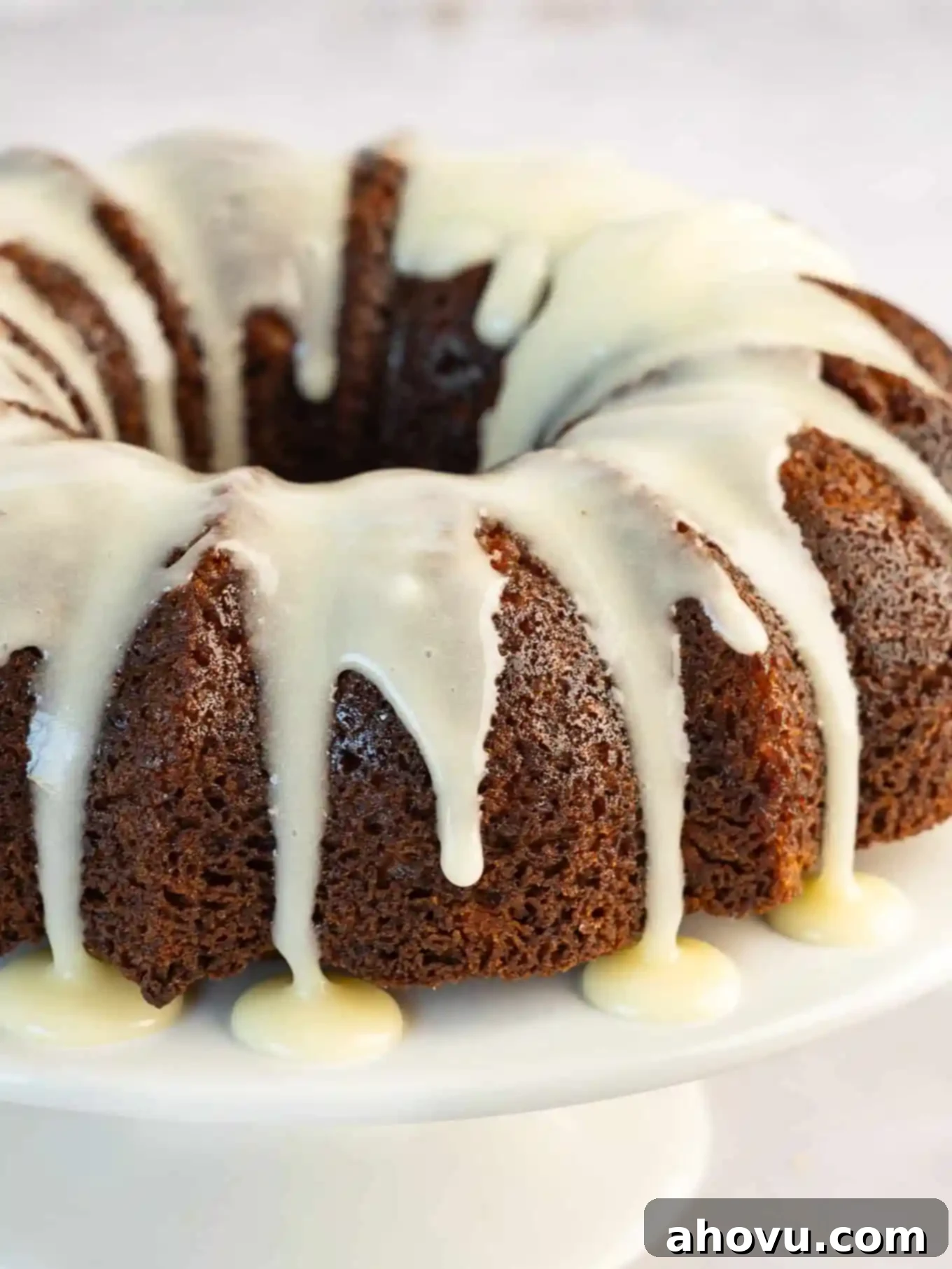
Delightful Icing Options for Your Carrot Bundt Cake
The right icing can truly elevate a delicious cake. While our recipe features a fantastic pourable cream cheese icing, you have several wonderful options to choose from, depending on your preference and storage needs.
For this specific recipe, I’ve chosen a simple yet luxurious cream cheese icing. It’s a classic pairing with carrot cake, offering a delightful tanginess that perfectly balances the cake’s sweetness and rich spices. Its pourable consistency means no fussy piping or spreading; just drizzle it generously over the cooled bundt cake for an elegant finish. The only consideration with this traditional cream cheese icing is that, due to its dairy content, the cake will need to be refrigerated if not consumed within a few hours, especially in warmer climates.
If you’re looking for an alternative that doesn’t require refrigeration, or simply want to explore different flavor profiles, consider these delicious glazes:
- **Maple Cinnamon Glaze:** A wonderful choice for a warm, autumnal twist. The maple notes complement the carrot and spice flavors beautifully, and the cinnamon adds an extra layer of coziness. You can find a fantastic recipe for this from my baked pumpkin donuts. This glaze is typically made with powdered sugar, maple syrup, and a touch of milk or cream, making it relatively stable at room temperature.
- **Simple Vanilla Glaze:** Sometimes, less is more. A classic vanilla glaze offers a straightforward sweetness that allows the carrot cake’s flavors to truly shine. It’s incredibly easy to whisk together with powdered sugar, milk, and vanilla extract. This lighter glaze from my apple cake recipe is also a great option if you prefer not to refrigerate your cake.
Whichever icing you choose, ensure your cake is completely cool before applying the glaze. This prevents the icing from melting and running off, ensuring it sets properly and looks beautiful.
Can I Customize My Carrot Bundt Cake with Nuts or Raisins?
Absolutely! If you’re a fan of a “loaded” carrot cake with added texture and flavor, feel free to incorporate nuts and/or raisins into your batter. They add a wonderful chewiness and a delightful crunch. For the best results, you can add up to 1 cup of chopped walnuts or pecans. For raisins, ½ cup is generally a good amount to ensure they are evenly distributed without making the cake too dense. For an extra layer of flavor, consider lightly toasting your nuts before adding them to the batter; this brings out their inherent nutty aroma and crunch. Simply toss them into the dry ingredients before combining with the wet ingredients to prevent them from sinking to the bottom of the pan during baking.
What’s The Best Type Of Bundt Pan To Use?
Choosing the right bundt pan can make a significant difference in both the baking process and the final appearance of your cake. I highly recommend using a light-colored bundt pan with a 12-cup capacity. Light-colored pans reflect heat, which helps prevent the cake from over-browning on the outside before the inside is fully cooked. This promotes even baking and a beautiful, consistent crust. A 12-cup capacity is standard for most bundt cake recipes, ensuring your batter fits comfortably without overflowing. Furthermore, a non-stick bundt pan is an absolute must-have. While proper greasing is always essential, a non-stick coating offers an invaluable extra layer of assurance that your beautifully baked cake will release cleanly and effortlessly, preserving its intricate design. Brands like Nordic Ware are known for their high-quality, non-stick bundt pans that last for years.
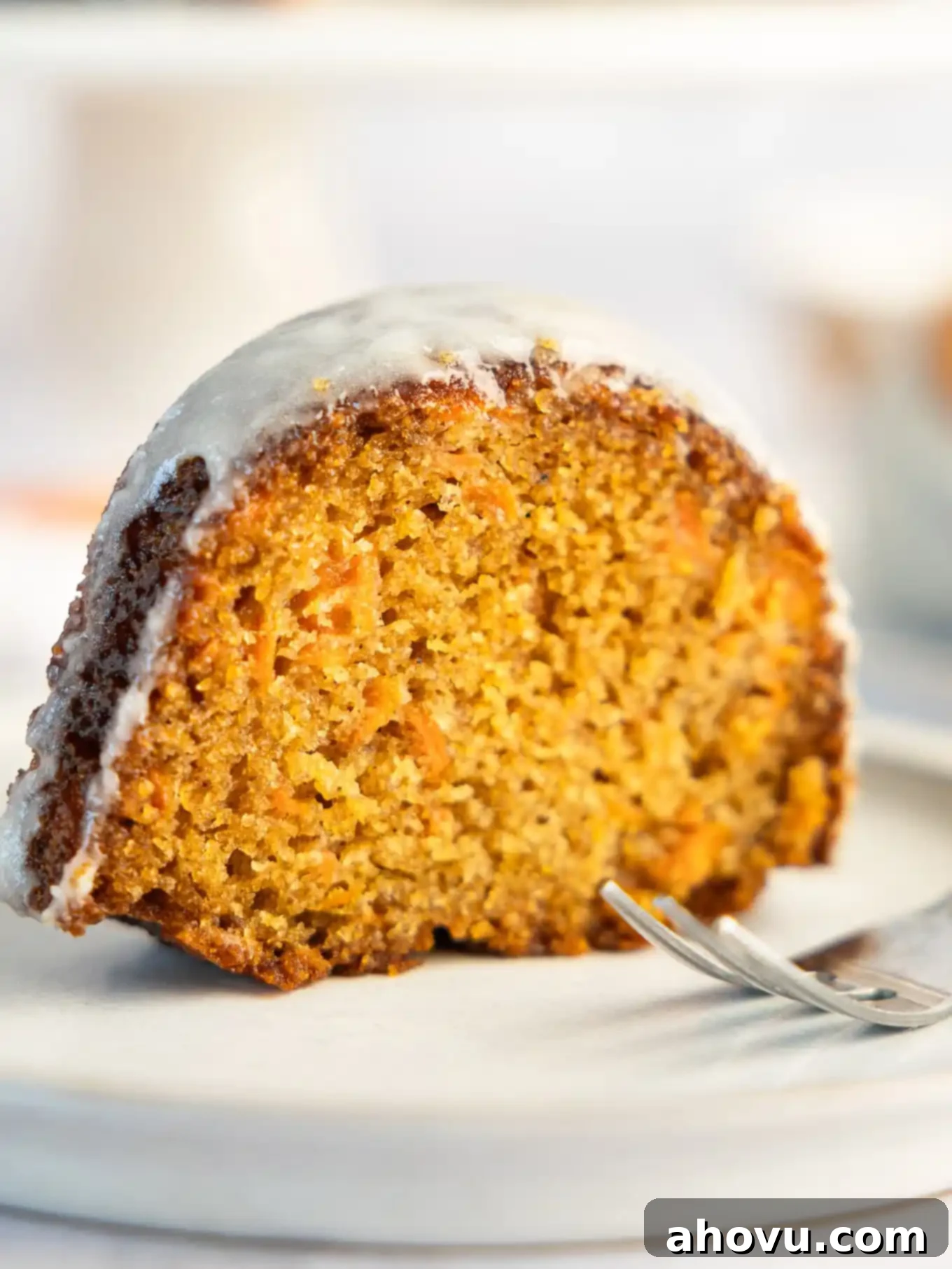
I genuinely hope you and your loved ones enjoy this simple yet utterly delightful carrot bundt cake as much as mine does! It’s truly a recipe that combines ease with impressive results, making it perfect for any occasion or just a special treat. If you decide to give it a try, please don’t hesitate to leave a comment below and share your experience. Your feedback is always appreciated!
Carrot Bundt Cake Recipe
Pin Recipe
SaveSaved!
Leave a Review
Ingredients
Carrot Bundt Cake
- 2 cups all-purpose flour spooned & leveled (250 grams)
- 2 teaspoons baking powder
- 1 teaspoon baking soda
- 1 ½ teaspoons ground cinnamon
- ½ teaspoon ground ginger
- ¼ teaspoon ground nutmeg
- ¼ teaspoon ground cloves
- ½ teaspoon salt
- 1 ¼ cups packed light brown sugar (250 grams)
- ½ cup granulated sugar (100 grams)
- ¾ cup canola or vegetable oil (180 ml)
- ½ cup unsweetened applesauce (125 grams)
- 4 large eggs at room temperature
- 1 teaspoon pure vanilla extract
- 3 cups lightly packed grated carrots (300 grams; I use the larger side of a cheese grater)
Cream Cheese Icing
- 2 ounces brick-style cream cheese softened (57 grams)
- 2 tablespoons unsalted butter softened (28 grams)
- 1 cup powdered sugar (120 grams)
- 1 tablespoon milk (15 ml)
- ½ teaspoon pure vanilla extract
Instructions
-
To make the carrot cake: Preheat the oven to 350°F (177°C).
-
In a large mixing bowl, whisk together the flour, baking powder, baking soda, cinnamon, ginger, nutmeg, cloves, and salt until well combined. Set aside.2 cups all-purpose flour,2 teaspoons baking powder,1 teaspoon baking soda,1 ½ teaspoons ground cinnamon,½ teaspoon ground ginger,¼ teaspoon ground nutmeg,¼ teaspoon ground cloves,½ teaspoon salt
-
In a separate large mixing bowl, whisk together the brown sugar, granulated sugar, oil, applesauce, eggs, and vanilla extract until fully combined. Add the grated carrots to the wet ingredients and mix until well combined.1 ¼ cups packed light brown sugar,½ cup granulated sugar,¾ cup canola or vegetable oil,½ cup unsweetened applesauce,4 large eggs,1 teaspoon pure vanilla extract,3 cups lightly packed grated carrots
-
Pour the dry ingredients into the wet ingredients and mix with a whisk or rubber spatula until just combined, making sure not to over mix the batter.
-
Spray a 10-inch (12 cup) bundt pan generously with nonstick cooking spray.
-
Pour the cake batter into the prepared bundt pan and smooth it out.
-
Bake for 45 to 50 minutes or until a toothpick or skewer inserted all the way into the cake comes out clean. If needed, cover loosely with foil for the last 10 to 15 minutes of baking time to prevent excess browning.
-
Remove from the oven and allow to cool in the pan on a wire cooling rack for 20 minutes. Slide a butter knife down the sides of the cake to loosen any parts that may be stuck, then carefully invert the cake on top of a cooling rack and allow to cool completely to room temperature.
-
To make the cream cheese icing: Add the cream cheese and butter to a large microwave-safe mixing bowl or glass measuring cup. Using a hand-held mixer, beat the cream cheese and butter until smooth.2 ounces brick-style cream cheese,2 tablespoons unsalted butter
-
Add half of the powdered sugar and mix until well combined, then add the remaining half of the powdered sugar and mix until fully combined.1 cup powdered sugar
-
Add the milk and vanilla extract and continue mixing until fully combined, stopping to scrape down the sides of the bowl as needed.1 tablespoon milk,½ teaspoon pure vanilla extract
-
Place the bowl of cream cheese frosting in the microwave and microwave in 10-second increments, stirring well after each one, until the frosting is thin and a pourable consistency (mine usually takes about 20 seconds total).
-
Pour the icing all over the top of the bundt cake. Allow to set before slicing and serving.
Notes
Freezing Instructions: Cake will freeze well for 2 to 3 months. Thaw to room temperature before serving.
More Carrot Cake Desserts You’ll Love!