
Decadent Buckeye Cookies: The Ultimate Chocolate Peanut Butter Bliss Recipe
Prepare to be enchanted by these incredible Buckeye Cookies – a truly irresistible twist on the beloved classic no-bake Buckeye candy! Imagine a perfectly soft and delightfully chewy chocolate cookie base, generously topped with a rich, creamy peanut butter mixture, and then elegantly finished with a luscious drizzle of melted chocolate. These cookies capture all the magic of the iconic chocolate and peanut butter combination in a delightful baked treat that’s perfect for any occasion, from holiday gatherings to everyday indulgence.

For those unfamiliar with Buckeye candy, it’s a cherished confection, particularly popular during the holiday season. It bears a close resemblance to peanut butter balls, but with a distinctive characteristic: the creamy peanut butter filling is only partially submerged in chocolate. This leaves a small circle of peanut butter visible at the top, perfectly mimicking the appearance of the nuts that fall from Ohio’s state tree, the Buckeye tree. They are utterly delicious, especially if you, like countless others, are a devoted fan of the harmonious pairing of chocolate and peanut butter.
My journey to these cookies began earlier this year when I successfully transformed the classic Christmas candy into buckeye brownies. That creation sparked an immediate desire to adapt them into a cookie format. After much anticipation and experimentation, I finally perfected this recipe last month, bringing this vision to life! The result is a cookie that not only tastes phenomenal but also beautifully replicates the iconic look of the original candy. It’s a sweet, salty, and utterly satisfying experience in every bite, promising to become a new favorite in your baking repertoire.
This recipe thoughtfully begins with a robust and flavorful chocolate cookie base, engineered for maximum softness and a delightful chewiness. Achieving the right texture for the cookie is paramount, as it provides a sturdy yet tender foundation for the rich layers to come. Once these chocolate wonders are baked to perfection and allowed to cool, they are crowned with a generous, thick layer of creamy peanut butter. This peanut butter layer is crafted to be firm enough to hold its shape but still melt-in-your-mouth smooth. Finally, an easy-to-make, glossy chocolate ganache is drizzled over the peanut butter, intentionally leaving a portion of the golden peanut butter exposed, just like the traditional Buckeye candies. This visual cue not only pays homage to the original but also signifies the delightful contrast of flavors awaiting you.
While I personally adore baking and sharing these buckeye cookies during the festive holiday season, their universal appeal means they can be cherished and enjoyed at any time of the year. They make a fantastic addition to potlucks, parties, or simply as a comforting treat with a cup of coffee or milk. Their striking appearance and rich flavor profile ensure they are always a crowd-pleaser, no matter the occasion.
Key Ingredients for Perfect Buckeye Cookies
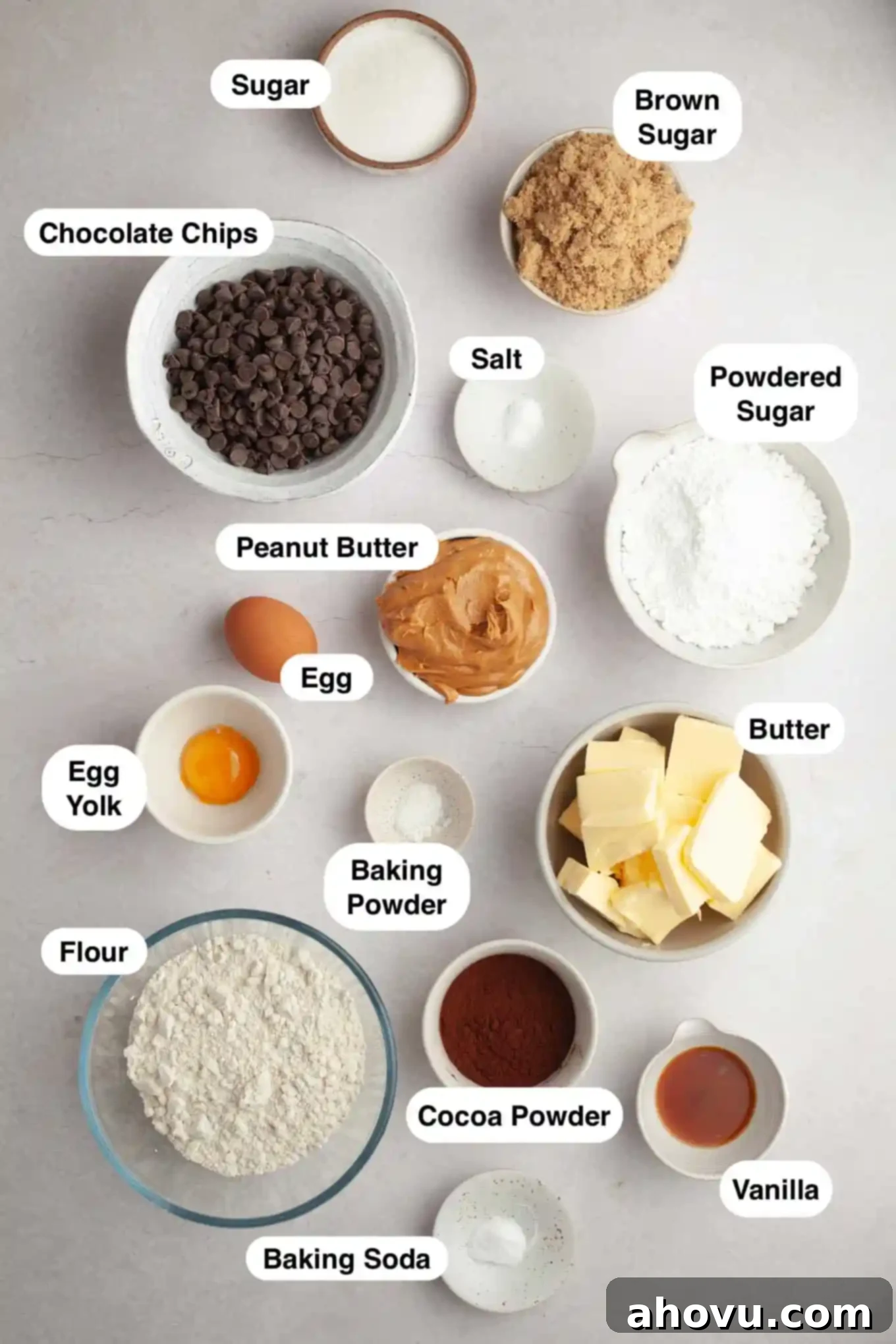
Crafting these delectable Buckeye Cookies requires a few essential ingredients, each playing a crucial role in achieving the perfect balance of flavor and texture. Here’s a detailed look at what you’ll need and why:
- Sugars: Our chocolate cookie base utilizes a blend of both granulated sugar and brown sugar. Granulated sugar contributes to the cookie’s structure and a slight crispness around the edges, while brown sugar ensures a deep, rich sweetness and an irresistible chewiness, along with vital moisture. For the creamy peanut butter layer, powdered sugar (confectioners’ sugar) is essential. It provides a fine sweetness and, more importantly, helps to thicken the peanut butter mixture to a smooth, fudgy consistency that holds its shape beautifully.
- Egg + Egg Yolk: Eggs are the binding agents that hold our cookie dough together, preventing it from crumbling. The addition of an extra egg yolk is a secret weapon; it significantly increases the fat content in the dough, resulting in a richer, more tender, and ultimately more decadent chocolate cookie base. Ensure your eggs are at room temperature for optimal emulsification with the butter and sugar, leading to a smoother dough.
- All-Purpose Flour: Flour is the foundational ingredient that provides the necessary structure for these cookies. It’s crucial to measure your flour accurately to avoid dry, crumbly cookies or overly spread ones. The best method is to spoon the flour into your measuring cup and then level it off with the flat side of a knife. This prevents compacting the flour and ensures you use the correct amount, leading to a consistently perfect cookie texture.
- Natural Cocoa Powder: The choice of cocoa powder is vital for the chocolate cookie base. Since this recipe incorporates both baking soda and baking powder as leavening agents, you must use natural unsweetened cocoa powder. Natural cocoa powder is acidic and reacts with the alkaline baking soda, helping the cookies to rise and achieve a deep, rich chocolate flavor. (Curious about the differences? Read more about natural vs Dutch process cocoa powder.)
- Peanut Butter: For the signature creamy peanut butter layer, it is highly recommended to use a traditional, no-stir creamy peanut butter such as Jif or Skippy. These types of peanut butter have a consistent texture and oil content, which is crucial for the peanut butter mixture to set correctly and achieve that smooth, fudgy consistency without becoming greasy. Avoid natural, oil-separated peanut butter unless you’re prepared to adjust the recipe significantly.
- Chocolate Chips: To streamline the process and make the chocolate topping effortlessly smooth, I’ve opted for chocolate chips. Their uniform size allows for even melting. Given that these cookies are inherently on the sweeter side due to the various sugar components, I strongly suggest using either semi-sweet or dark chocolate chips. This helps to balance the overall sweetness, adding a sophisticated depth to the chocolate layer and enhancing the overall flavor profile.
How To Master These Delicious Buckeye Cookies
Follow these detailed steps to create a batch of perfect Buckeye Cookies, layer by delicious layer:
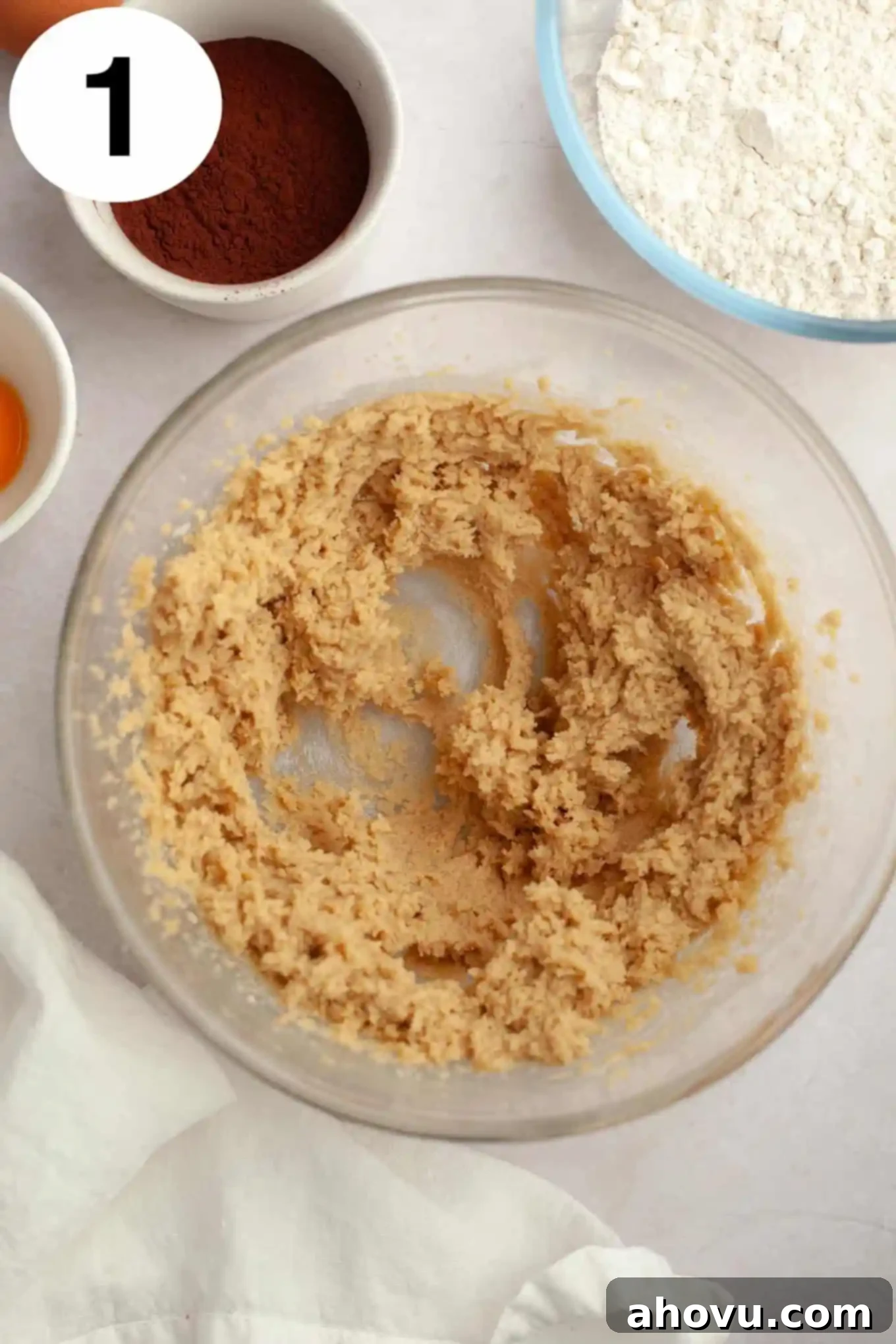
- Cream the butter and sugars together: Start by placing your softened unsalted butter, light brown sugar, and granulated sugar into a large mixing bowl. You can use either a stand mixer fitted with a paddle attachment or a reliable handheld mixer for this step. Beat them together on medium speed for about 1 to 2 minutes, or until the mixture is light in color, fluffy, and thoroughly combined. This creaming process incorporates air into the butter, which is crucial for a tender cookie texture.
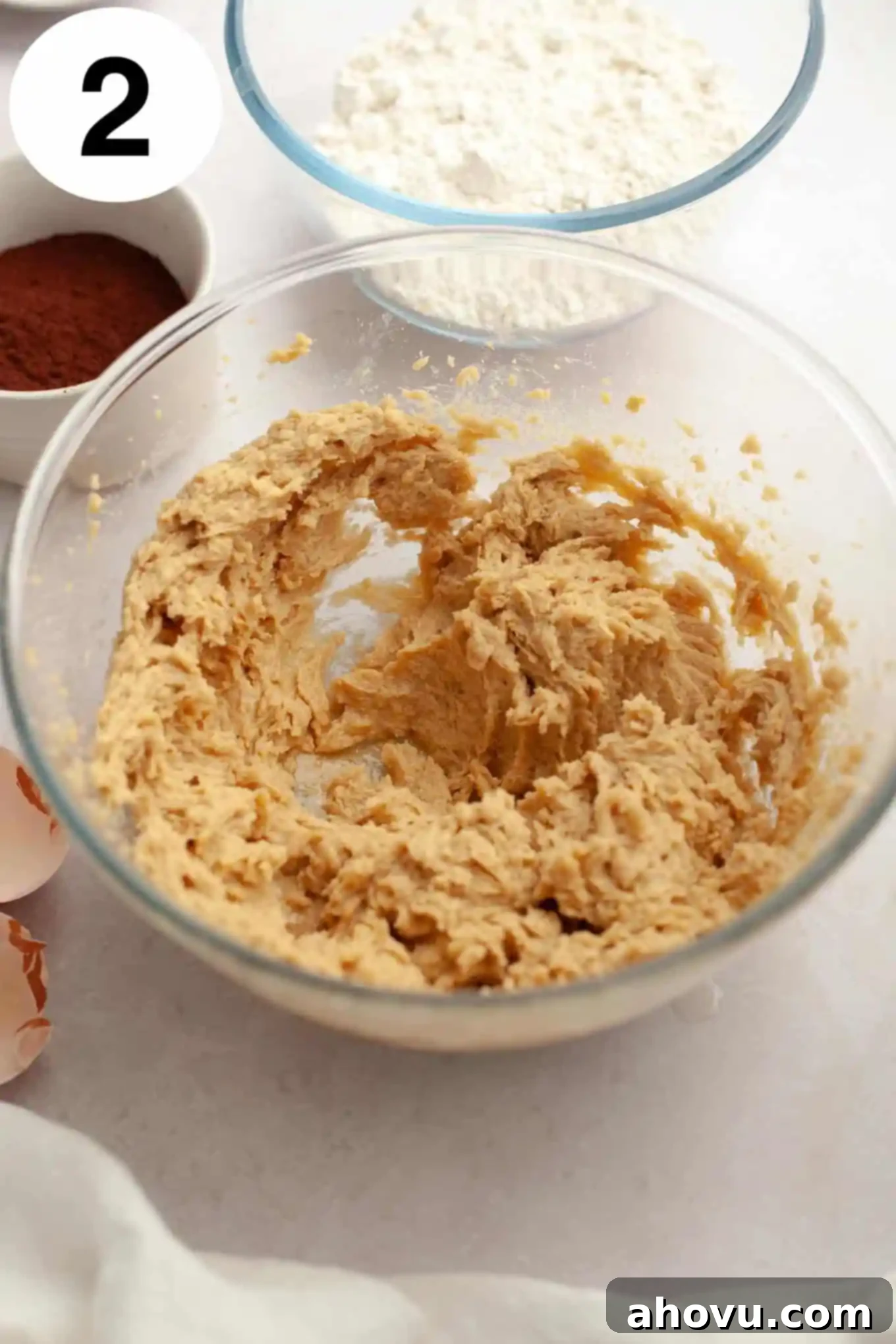
- Incorporate the egg, egg yolk, and vanilla extract: Once your butter and sugars are creamed, add the large egg, extra egg yolk, and the pure vanilla extract to the bowl. Continue to mix until these wet ingredients are fully incorporated. It’s important to stop and scrape down the sides and bottom of the bowl frequently with a rubber spatula. This ensures that all ingredients are evenly mixed, preventing any dry pockets or uncreamed butter from remaining.
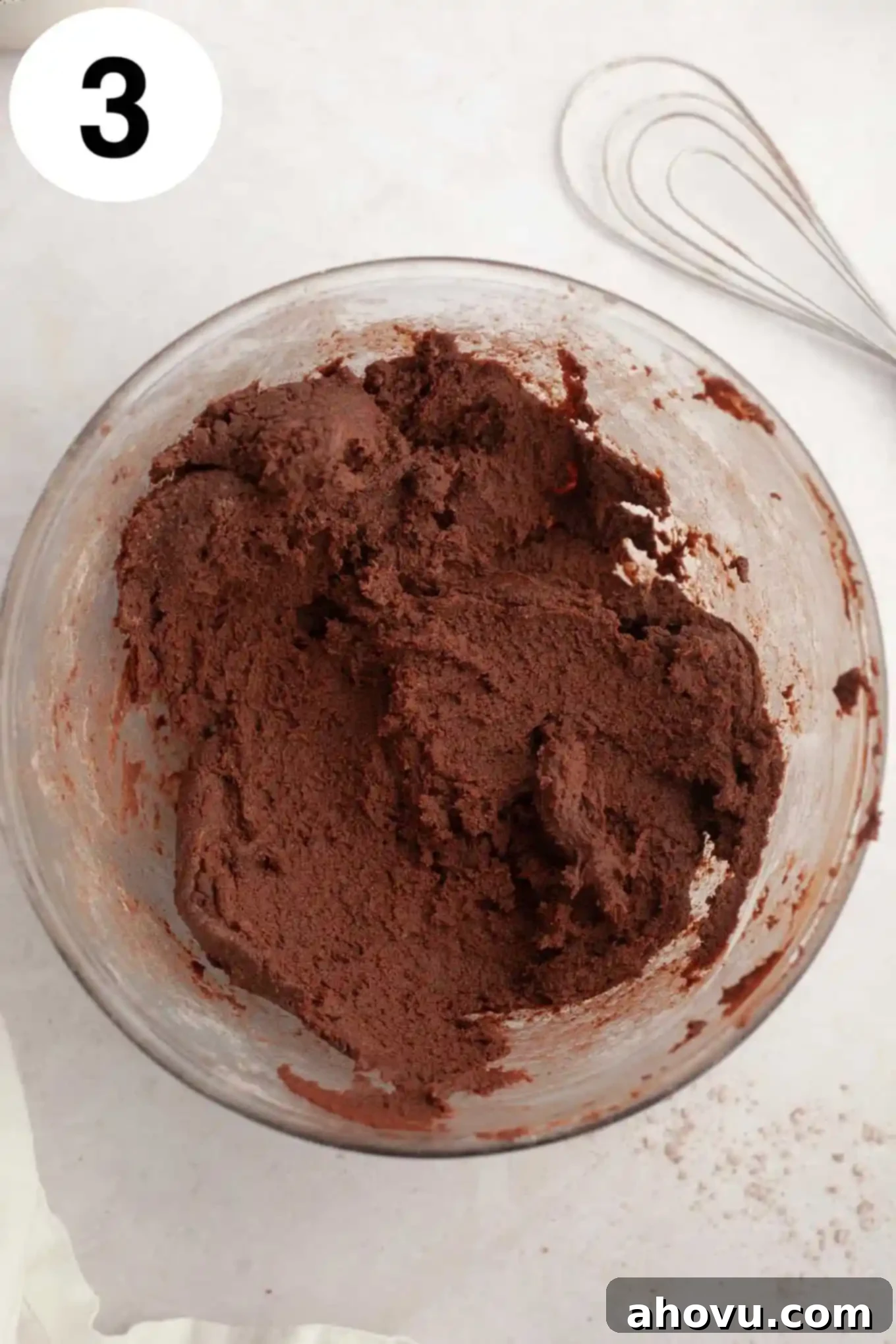
- Combine the dry ingredients and chill the cookie dough: In a separate medium-sized bowl, whisk together the all-purpose flour, natural cocoa powder, baking powder, baking soda, and salt until well combined. Gradually add these dry ingredients to the wet mixture in the stand mixer, mixing on low speed until just combined. Be careful not to overmix, as this can develop the gluten in the flour, leading to tough cookies. Once the dough comes together, cover the bowl tightly with plastic wrap and refrigerate it for at least 2 hours. Chilling is crucial; it allows the flavors to meld, prevents the cookies from spreading too much during baking, and makes the dough easier to handle. If you’re short on time, you can scoop the dough onto baking sheets first and then chill for at least 30 minutes.
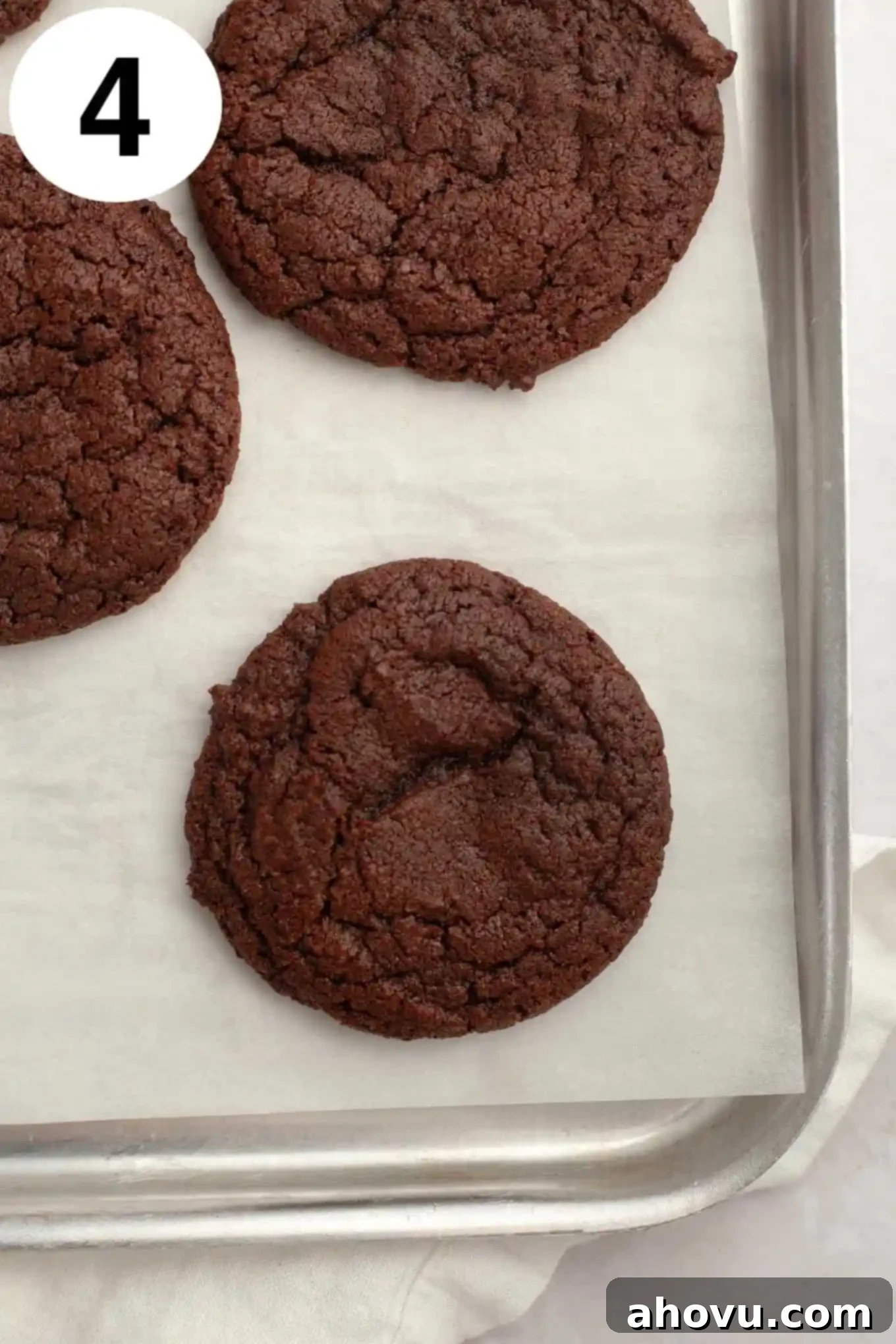
- Scoop and bake the chocolate cookies: Once the dough is adequately chilled, preheat your oven to 350°F (177°C) and line two to three large baking sheets with parchment paper or silicone baking mats. Using a 1.5-tablespoon cookie scoop, portion out the chilled cookie dough and drop it onto the prepared baking sheets, leaving enough space between each cookie for spreading. Bake for 10 to 12 minutes, or until the edges are set and the tops of the cookies no longer appear wet or glossy. The centers might look slightly soft, but they will firm up as they cool. Allow the cookies to cool on the baking sheets for 5-10 minutes before carefully transferring them to a wire rack to cool completely. This full cooling step is essential before adding the peanut butter layer to prevent melting.
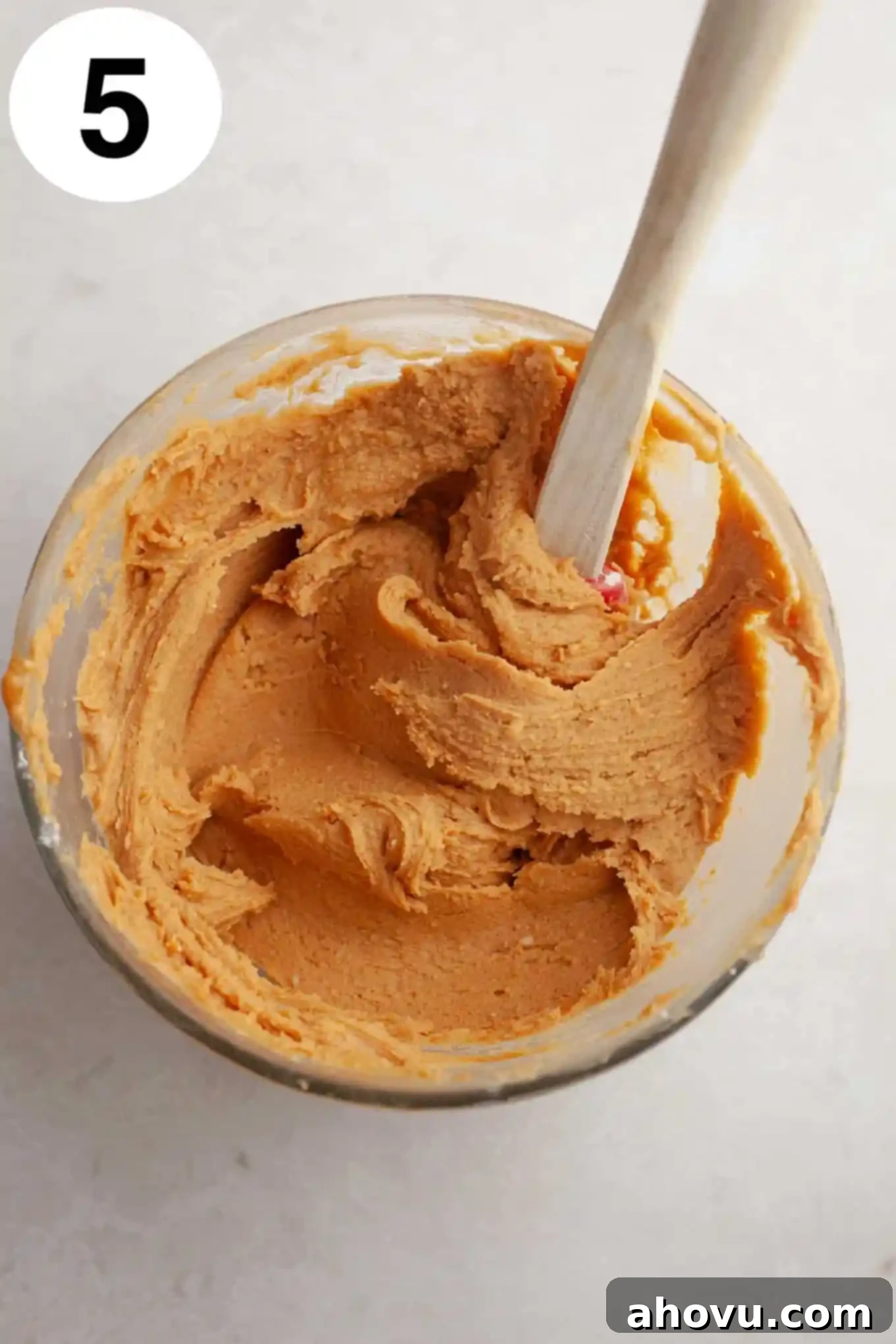
- Prepare the creamy peanut butter layer: In a microwave-safe bowl, combine the creamy peanut butter and the sliced unsalted butter. Microwave the mixture in 30-second intervals, stirring well after each interval, until it is completely melted and smooth. This gentle heating helps to combine the ingredients uniformly. Once smooth, stir in the vanilla extract and salt. Then, gradually add the powdered sugar in two additions, mixing thoroughly after each addition until no lumps or streaks of powdered sugar remain. If the mixture becomes too thick to stir easily, you can use your hands to knead it gently until it’s perfectly smooth and has a firm, fudgy consistency, ideal for topping.
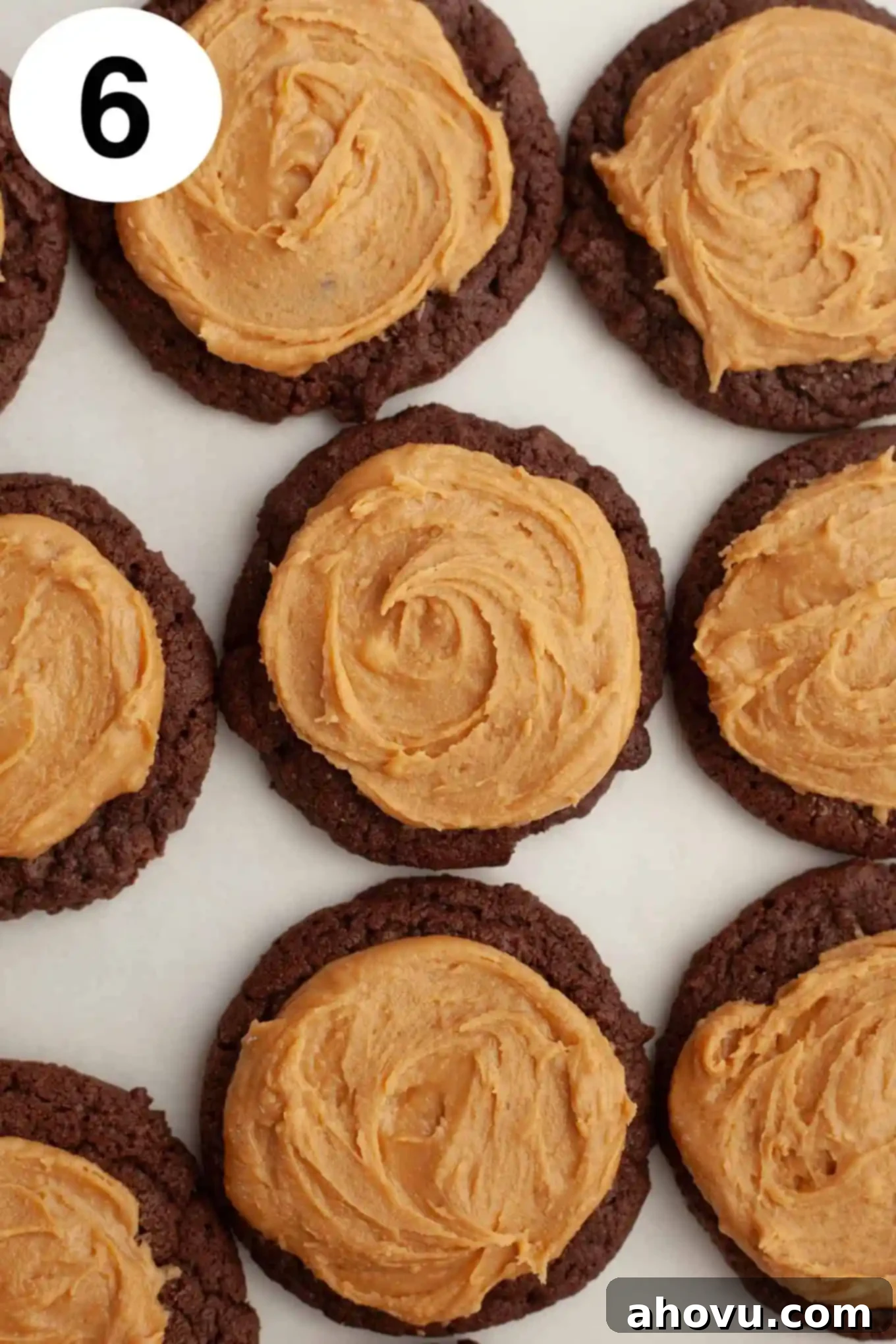
- Top the cookies with the peanut butter mixture: Once your chocolate cookies are completely cooled, and the peanut butter mixture is ready, it’s time to assemble. I recommend using a one-tablespoon cookie scoop or a measuring tablespoon to portion out roughly one tablespoon of the peanut butter mixture onto the center of each cooled cookie. To achieve the classic Buckeye look, gently flatten the peanut butter mound with the back of a spoon, an angled spatula, or even the palm of your hand, shaping it into a smooth disk that doesn’t quite reach the cookie’s edge. This leaves a border of chocolate cookie visible, just like the nut of a Buckeye.
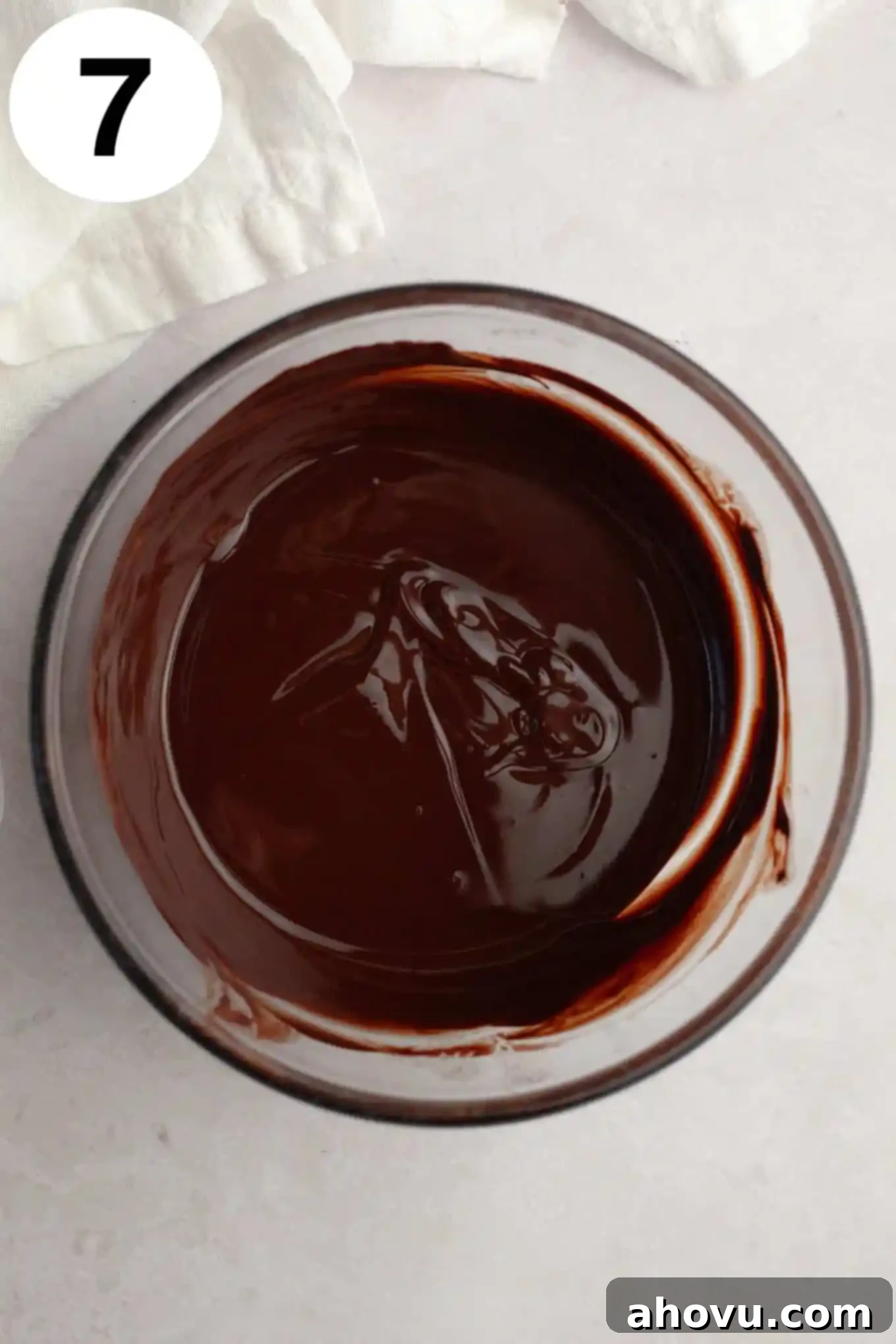

- Prepare the smooth chocolate topping: For the final touch, add the semi-sweet chocolate chips and the sliced unsalted butter to a separate microwave-safe bowl. Microwave this mixture at 50% power in 30-second increments. Stir thoroughly after each interval. Continue this process until the chocolate chips are completely melted and the mixture is silky smooth and glossy. This gentle melting method prevents the chocolate from seizing or burning, ensuring a beautiful, pourable consistency for your topping.
- Finish with chocolate and chill: Once your chocolate topping is perfectly smooth, spoon it carefully over the peanut butter layer on each cookie. Use the back of a spoon or an angled spatula to gently smooth out the chocolate, ensuring it covers most of the peanut butter while still allowing a small circle of the peanut butter to peek through, true to the Buckeye style. After topping all the cookies, transfer the baking sheets to the refrigerator. Allow them to chill for 30 to 45 minutes, or until the chocolate layer has fully firmed up and is set. This chilling time helps to solidify the chocolate, making the cookies easier to handle and ensuring the layers remain distinct and delicious.

Frequently Asked Questions About Buckeye Cookies
Here are answers to some common questions you might have while making these delightful Buckeye Cookies:
For the absolute best results and a consistent, fudgy texture in your peanut butter layer, I strongly recommend using a traditional, no-stir creamy peanut butter (like Jif or Skippy). Natural peanut butters tend to separate and have a different oil content and consistency, which can cause the peanut butter mixture to become overly greasy or too runny for this recipe. If you insist on using natural peanut butter, you’ll likely need to make significant adjustments, such as decreasing the amount of added butter and increasing the powdered sugar to achieve the correct, firm consistency.
Yes, absolutely! This recipe is quite adaptable. As long as you choose another creamy, no-stir nut or seed butter, it should work well. Options like almond butter, cashew butter, or sunflower seed butter (for nut-free alternatives) can be substituted. Just ensure they are the smooth, stabilized variety to maintain the desired texture for the peanut butter layer.
Of course! While I’ve recommended chocolate chips for convenience and ease of melting, high-quality chocolate bars can certainly be used. For best results, I suggest chopping up two standard-sized chocolate bars (typically around 3.5-4 ounces each) into small, uniform pieces before melting. This will help them melt more evenly and prevent scorching. Using a good quality chocolate bar can even enhance the richness of your chocolate topping!
No, it is not strictly necessary to refrigerate these Buckeye cookies for everyday storage. They can be perfectly stored at room temperature for up to a week. However, to maintain their freshness, prevent them from drying out, and protect them from external elements, it’s crucial to store them in an airtight container. If your kitchen is particularly warm, or for longer storage, refrigeration will certainly prolong their freshness and keep the chocolate and peanut butter layers firm. Just allow them to come to room temperature for a few minutes before serving for the best texture.
Absolutely! These cookies are excellent for making ahead. The chocolate cookie dough can be prepared and chilled in the refrigerator for up to 3 days, or even frozen for up to 3 months. Once baked and fully assembled, the finished Buckeye cookies can be stored at room temperature for up to a week in an airtight container, or frozen for 2-3 months. Thaw frozen cookies at room temperature before serving.
There are a few common reasons for excessive cookie spread. The most frequent culprit is insufficient chilling time for the dough – ensure you chill it for the recommended 2 hours (or 30 minutes after scooping). Another factor could be butter that was too soft or even melted before creaming, which also leads to spreading. Incorrect flour measurement (too little flour) can also contribute, so always spoon and level your flour accurately. Lastly, an oven that isn’t preheated properly or is running too cool can affect spread, so make sure your oven reaches the correct temperature before baking.

Expert Baking Tips for Success
Achieve perfection with your Buckeye Cookies every time with these helpful baking tips:
- Expedited Dough Chilling: If your schedule is tight and you don’t have the full two hours to wait for the cookie dough to chill in the bowl, there’s a convenient shortcut! Go ahead and scoop the dough directly onto your parchment-lined baking sheets first. Then, place these baking sheets, with the scooped dough, into the refrigerator for a minimum of 30 minutes. This significantly speeds up the chilling process without compromising the cookie’s structure.
- Customize Your Cookie Size: While these Buckeye cookies are inherently rich and satisfying, you have the flexibility to make them as large or as small as you prefer! I personally find that using a 1.5-tablespoon cookie scoop yields a perfectly sized cookie – big enough to be indulgent but manageable. If you opt for larger cookies, remember to increase the baking time slightly to ensure they cook through. Additionally, you’ll want to increase the amount of peanut butter and chocolate topping for each larger cookie to maintain the delicious balance of layers.
- Efficient Chocolate Setting: After topping your cookies with the melted chocolate, transferring the cookie sheets to the fridge is the quickest and most efficient way to get the chocolate to firm up. This process typically takes about 30 to 45 minutes, ensuring a beautifully set and stable chocolate layer. If, however, you lack refrigerator space, you can certainly let the cookies sit on your kitchen counter at room temperature until the chocolate hardens. Just be aware that this natural setting process will take considerably longer, often a few hours, depending on your ambient room temperature. For speed and convenience, the fridge is definitely the preferred method!
- Room Temperature Ingredients are Key: Always ensure your butter and eggs are at room temperature before you begin mixing. Room temperature butter creams more smoothly with sugar, creating a light and airy base, and room temperature eggs incorporate more evenly into the mixture, preventing a curdled appearance and ensuring a consistent dough.
- Avoid Overmixing the Flour: When adding the dry ingredients to the wet, mix only until just combined. Overmixing flour develops gluten, which can lead to tough, dense cookies instead of the desired soft and chewy texture. As soon as you see no more streaks of flour, stop mixing.
- Use a Cookie Scoop for Uniformity: For consistently sized and evenly baked cookies, a cookie scoop is your best friend. It ensures each cookie is the same volume, leading to uniform baking times and a professional appearance.

Buckeye Cookies
Pin Recipe
SaveSaved!
Leave a Review
Ingredients
Chocolate Cookies
- ¾ cup unsalted butter softened (170 grams; 1.5 sticks)
- 1 cup packed light brown sugar (200 grams)
- ⅓ cup granulated sugar (70 grams)
- 1 large egg at room temperature
- 1 large egg yolk at room temperature
- 1 ½ teaspoons pure vanilla extract
- 2 cups all-purpose flour spooned & leveled (250 grams)
- ½ cup unsweetened natural cocoa powder (45 grams)
- ½ teaspoon baking powder
- ½ teaspoon baking soda
- ¼ teaspoon salt
Peanut Butter Layer
- 1 cup creamy peanut butter (250 grams) Jif or Skippy is best, avoid natural pb
- 5 tablespoons unsalted butter sliced into pieces (70 grams)
- ½ teaspoon pure vanilla extract
- ⅛ teaspoon salt
- 1 ½ cups powdered sugar (180 grams)
Chocolate Topping
- 1 ⅓ cups semi sweet chocolate chips (240 grams)
- ½ cup unsalted butter sliced into tablespoon-size pieces (115 grams; 1 stick)
Instructions
-
To make the chocolate cookies: Using a handheld mixer, or stand mixer fitted with the paddle attachment, beat the softened unsalted butter, light brown sugar, and granulated sugar together for 1 to 2 minutes or until they are visibly lightened in color, fluffy, and well combined. This initial creaming step is essential for incorporating air and creating a tender cookie. Next, mix in the large egg, the extra egg yolk, and the pure vanilla extract. Continue mixing until all these wet ingredients are thoroughly integrated. Throughout this process, make sure to stop and scrape down the sides and bottom of the bowl as needed to ensure an even mix.
-
In a separate large mixing bowl, whisk together the all-purpose flour, natural cocoa powder, baking powder, baking soda, and salt. Whisking ensures these dry ingredients are evenly distributed, preventing pockets of leavening agents or salt in your cookies. Gradually add this dry ingredient mixture to the wet ingredients in the mixer, mixing on low speed until just combined. Be careful not to overmix the dough once the flour is added; overmixing can lead to tough cookies.
-
Cover the cookie dough tightly with plastic wrap to prevent it from drying out, and then refrigerate it for at least 2 hours. This chilling period is crucial; it allows the flavors to deepen, prevents the cookies from spreading excessively during baking, and makes the dough much easier to handle. If you’re pressed for time and need to speed up the process, you may go ahead and scoop the cookie dough into uniform balls onto a baking sheet and then chill them for at least 30 minutes.
-
Once your dough has chilled sufficiently, preheat your oven to 350°F (177°C). Prepare two to three large baking sheets by lining them with parchment paper or a silicone baking mat. This ensures the cookies don’t stick and promotes even baking.
-
Remove the chilled cookie dough from the refrigerator. Using a 1.5 tablespoon cookie scoop (or simply shaping with your hands), scoop out uniform portions of the cookie dough and drop them onto the prepared baking sheets, leaving about 2 inches of space between each cookie to allow for slight spreading.
-
Bake the cookies for 10 to 12 minutes. You’ll know they are done when the edges are set and appear slightly firm, and the tops of the cookies no longer look wet or glossy. They may still seem a little soft in the center, but they will continue to set as they cool. Avoid overbaking to maintain their soft and chewy texture.
-
Allow the freshly baked cookies to cool on the baking sheets for 5 to 10 minutes. This helps them firm up slightly before handling. Then, very carefully transfer them to a wire rack to cool completely. Ensuring they are fully cooled is critical before applying the peanut butter layer, as any residual warmth could melt the peanut butter.
-
To make the peanut butter layer: Add the creamy peanut butter (preferably Jif or Skippy) and the sliced unsalted butter to a microwave-safe bowl. Microwave the mixture in short 30-second increments, stirring well after each one, until both the peanut butter and butter are fully melted and the mixture is smooth and cohesive.
-
Once the peanut butter and butter are melted and smooth, stir in the vanilla extract and salt. Next, add the powdered sugar in two separate additions. After each addition, mix thoroughly until the powdered sugar is completely incorporated and no lumps or streaks remain. If the mixture becomes too thick to stir effectively with a spoon, you may find it easier to work it together with your hands, kneading gently until you achieve a perfectly smooth, thick, and fudgy consistency.
-
Once your chocolate cookies are completely cool, use a one-tablespoon cookie scoop (or a regular measuring tablespoon) to portion out the peanut butter mixture. Place one scoop on top of each cookie. To create the iconic Buckeye shape, gently flatten the peanut butter mound with the palm of your hand. If necessary, use an angled spatula or the back of a spoon to smooth out the top and shape it into a neat disk, leaving a small edge of the chocolate cookie visible around the perimeter.
-
To make the chocolate topping: In a separate microwave-safe bowl, combine the semi-sweet chocolate chips and the sliced unsalted butter.
-
Microwave the chocolate and butter mixture at 50% power in 30-second increments. It’s crucial to stir very well after each increment, even if the chocolate doesn’t look fully melted yet. Continue this gentle melting and stirring process until the chocolate is completely melted, smooth, and has a beautiful, glossy consistency. This careful approach prevents the chocolate from overheating and becoming grainy or seized.
-
Spoon the warm, melted chocolate topping carefully over the peanut butter layer on each cookie. Using an angled spatula or the back of a spoon, gently spread and smooth the chocolate, ensuring it covers the peanut butter but still leaves a small, distinct circle of peanut butter exposed in the center, mimicking the true Buckeye candy appearance.
-
Finally, transfer the cookie sheets with the chocolate-topped cookies to the refrigerator. Chill them for 30 to 45 minutes, or until the chocolate layer has completely hardened and set. This step is essential for the integrity of the cookies, making them easy to handle and ensuring the layers are perfectly firm.
Notes
Freezing Instructions: Buckeye cookies freeze exceptionally well! For longer storage, place them in an airtight freezer-safe container or a heavy-duty freezer bag. They will maintain their quality for 2 to 3 months. When you’re ready to enjoy them, simply thaw them to room temperature before serving for the best texture and flavor.