
Mastering Homemade Crepes: An Easy Step-by-Step Recipe for Sweet & Savory Delights
There’s something undeniably elegant and wonderfully satisfying about a perfectly thin crepe. Originating from France, these delicate, pancake-like pastries have captivated palates worldwide, offering a versatile canvas for an endless array of sweet and savory fillings. While they might appear sophisticated, making homemade crepes is surprisingly simple and requires only a few basic ingredients and a non-stick skillet. This comprehensive guide will walk you through every step, ensuring you achieve light, tender, and delicious crepes every time, whether you’re craving a sweet breakfast or a savory lunch.

What Exactly Is a Crepe?
If you’ve never experienced the delight of a crepe, you’re in for a treat! At its heart, a crepe is a very thin type of pancake, traditionally from the Brittany region of France. The key difference between a French crepe and a thick, fluffy American pancake lies in its texture and leavening. American pancakes typically use baking powder or soda to create a rise, resulting in a thick, airy texture. Crepes, however, contain no leavening agents, making them incredibly thin, pliable, and almost translucent. This unique characteristic allows them to be folded or rolled around various fillings, making them incredibly versatile for any meal.
Crepes are often enjoyed for breakfast, brunch, or dessert when filled with sweet ingredients like fresh fruit, chocolate, or jam. But don’t limit yourself! Savory crepes, known as “galettes” in some French regions (though often thicker and made with buckwheat flour), are equally popular, filled with cheeses, meats, and vegetables. This basic crepe recipe provides a perfect foundation for both sweet and savory creations, empowering you to customize them to your heart’s content.
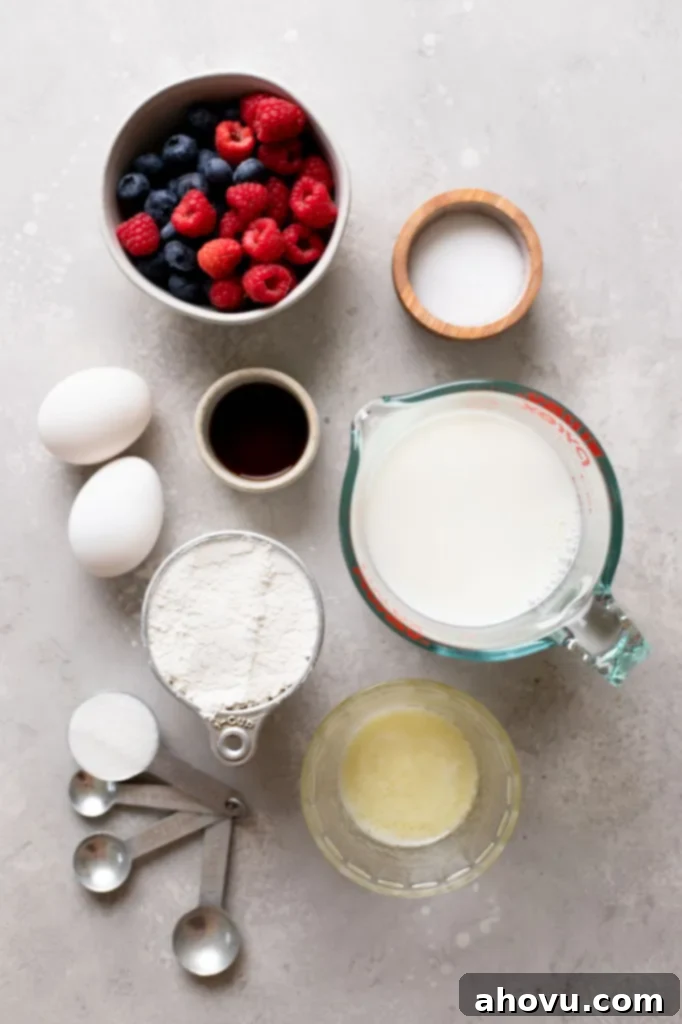
Essential Ingredients for Perfect Crepes
The beauty of this homemade crepe recipe lies in its simplicity. You’ll likely have most of these ingredients already stocked in your pantry and fridge. While the ingredient list is similar to American pancakes, the notable absence of a leavening agent (like baking powder) is what truly distinguishes crepes, ensuring their signature thinness. If you plan to make savory crepes, you can easily omit the granulated sugar and vanilla extract from the batter, allowing the savory fillings to shine through.
- All-Purpose Flour: The foundation of our crepe batter. For accurate measurement and the best texture, always spoon the flour into your measuring cup and then level it off with a straight edge. Scooping directly from the bag can compact the flour, leading to too much flour and a dense, less tender crepe.
- Granulated Sugar: Just a single tablespoon of sugar is enough to slightly sweeten the batter and aid in browning, giving the crepes a beautiful golden hue. Crepes themselves aren’t meant to be overly sweet; their sweetness often comes from the fillings. Feel free to reduce or omit entirely for savory applications.
- Salt: A pinch of salt is crucial for enhancing the flavors of the other ingredients and balancing the sweetness of the sugar. Don’t skip it, even in sweet recipes!
- Whole Milk: The fat content in whole milk contributes significantly to the crepes’ moistness, richness, and pliability. You can use lower-fat milk, but the texture might be slightly less tender.
- Eggs: Eggs are essential for binding the ingredients together, providing structure, and adding richness to the crepe batter. Unlike some baking recipes, there’s no need to bring the eggs to room temperature since the batter will be chilled anyway.
- Unsalted Butter: Melted butter adds a wonderful flavor and helps create a tender crumb. I recommend unsalted butter so you can control the overall salt content in the recipe. Remember to melt it and let it cool slightly before adding it to the batter. You’ll also need a little extra butter for greasing the pan between crepes.
- Pure Vanilla Extract: For sweet crepes, pure vanilla extract is a game-changer. It infuses the batter with a warm, aromatic flavor that makes these crepes truly delicious. Opt for pure vanilla over imitation for the best taste. This ingredient should be omitted for savory crepes.
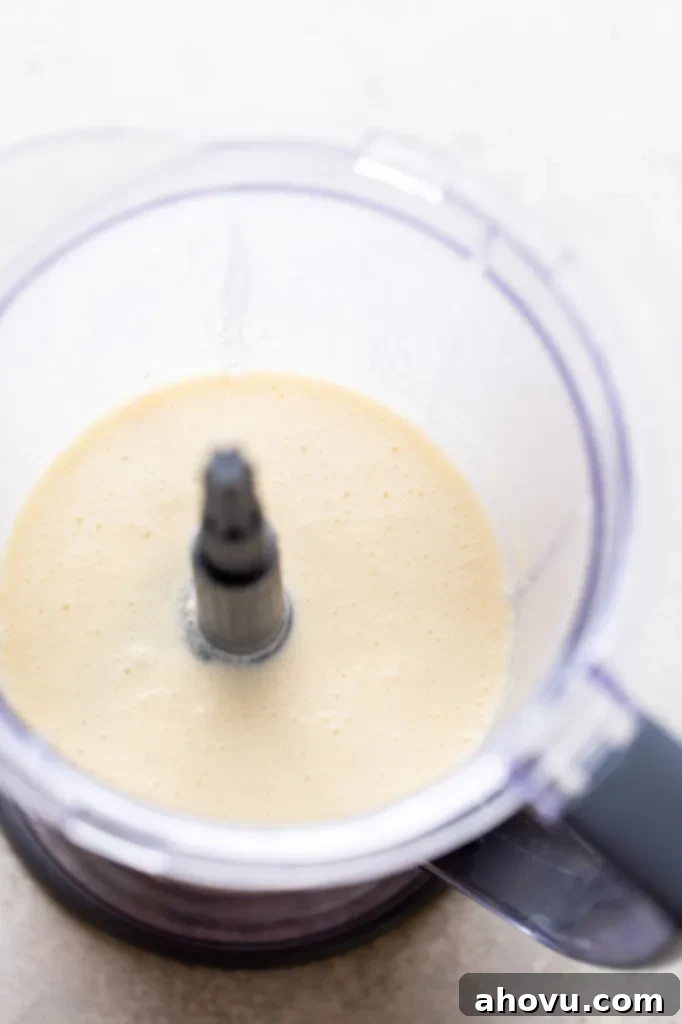
How to Make Crepes at Home: A Step-by-Step Guide
Making French crepes at home is much simpler than you might imagine. The process is straightforward, and the results are incredibly rewarding. Follow these steps for perfect, tender crepes every time.
1. Prepare the Batter
The easiest way to achieve a silky-smooth crepe batter is by using a blender. Simply add all the recipe ingredients (flour, sugar, salt, milk, eggs, melted butter, and vanilla extract if using) to your blender. Blend on medium speed for about 15 to 20 seconds, or until the mixture is completely smooth and free of lumps. Using a blender ensures thorough mixing and aeration, contributing to a better texture. If you don’t have a blender, you can prepare the batter by hand (see “Do I Have to Use a Blender?” below).
2. Chill the Batter
Once blended, transfer the batter to a large bowl, cover it tightly with plastic wrap, and refrigerate it for at least one hour. This chilling step is absolutely crucial for perfect crepes. During this time, the flour fully absorbs the liquid, and the gluten relaxes. This process makes the crepes more tender and pliable, preventing them from becoming rubbery. It also allows any air bubbles created during blending to subside, which reduces the likelihood of your crepes tearing while cooking.
3. Cook the Crepes
After the batter has chilled, remove it from the refrigerator. Heat an 8- or 9-inch non-stick skillet over medium heat. A non-stick pan is essential to prevent sticking and ensure easy flipping. Lightly brush the skillet with a small amount of melted butter. This initial buttering helps with the first crepe and sets the stage for even browning.
Now comes the technique for pouring: Lift the pan off the heat. Quickly pour a scant ¼ cup of the crepe batter into the center of the pan. Immediately and quickly swirl the pan in a circular motion, tilting it gently, to spread the batter evenly across the entire bottom surface in a thin layer. This step requires a bit of practice but is key to achieving that signature thinness.
Return the pan to the stovetop and cook for 1 to 2 minutes. You’ll know it’s ready to flip when the edges begin to slightly lift from the sides of the pan and the bottom is lightly golden brown. Carefully loosen the crepe with a thin, flexible spatula and then gently flip it to cook the other side for another 30 seconds to 1 minute, until lightly browned.
4. Stack and Repeat
Once cooked, slide the crepe onto a wire rack. Repeat the process with the remaining batter, lightly coating the pan with a tiny bit more melted butter between each crepe as needed. It’s perfectly fine to stack the cooked crepes on top of each other on the wire rack; they won’t stick together. Continue until all the batter is used. You should yield approximately 12 crepes.


Do I Have to Use a Blender?
While a blender is highly recommended for achieving the smoothest crepe batter with minimal effort, it’s certainly not a requirement. You can absolutely whisk the batter together by hand. Here’s how:
- In a large mixing bowl, whisk together the dry ingredients: all-purpose flour, granulated sugar, and salt.
- In a separate medium bowl, whisk together the wet ingredients: whole milk, large eggs, melted and slightly cooled unsalted butter, and pure vanilla extract (if using).
- Create a “well” in the center of the dry ingredients. Gradually pour the wet ingredients into the well, whisking continuously from the center outwards to slowly incorporate the dry ingredients. This method helps prevent lumps.
- Continue whisking until the batter is smooth. To ensure there are absolutely no lumps of flour, I highly recommend straining the batter through a fine-mesh sieve into another bowl before covering and refrigerating it.
Regardless of the method, don’t forget the crucial chilling step!
Troubleshooting Common Crepe Problems
Even with a simple recipe, minor issues can arise. Here are some common crepe problems and how to fix them:
- Crepes are Tearing: This usually means your batter might be too thin or your pan is too hot. If the batter seems very watery, try adding another tablespoon of flour. If the pan is too hot, the crepe will cook too quickly and stick, making it fragile. Reduce the heat to medium. Ensure you’re using enough butter in the pan, and the pan is truly non-stick.
- Crepes are Too Thick: This indicates too much batter in the pan or not swirling fast enough. Practice pouring a scant ¼ cup and quickly swirling to get a very thin, even layer. If the batter itself seems too thick (like a pancake batter), you can thin it with a tablespoon or two of milk.
- Crepes are Rubbery: Overmixing the batter can develop the gluten too much, leading to a rubbery texture. Blend or whisk just until smooth. Also, skipping the chilling step can result in less tender crepes. The chilling allows the gluten to relax, yielding a more delicate result.
- Crepes are Sticking to the Pan: Ensure your non-stick skillet is in good condition. Always brush with a little melted butter between each crepe. Make sure the pan is adequately preheated; if it’s not hot enough, the crepe won’t set quickly and will stick.
- Crepes are Unevenly Cooked/Browned: This could be due to uneven heat distribution on your stovetop or not swirling the batter consistently. Ensure your pan heats evenly, and practice that swift, circular swirl to coat the pan uniformly.

Delicious Crepe Filling Ideas
The beauty of crepes lies in their incredible versatility! You can fill them with virtually anything your heart desires, transforming them from a simple breakfast into an elaborate dessert or a satisfying main course. Here are some ideas to spark your culinary imagination:
Sweet Crepe Fillings:
- Microwave Lemon Curd: A tangy and bright filling that’s perfect for spring.
- Dulce de Leche: A rich, caramel-like spread that’s utterly decadent.
- Blueberry Sauce or Strawberry Sauce: Fresh, fruity, and bursting with flavor.
- Salted Caramel Sauce: The perfect balance of sweet and savory.
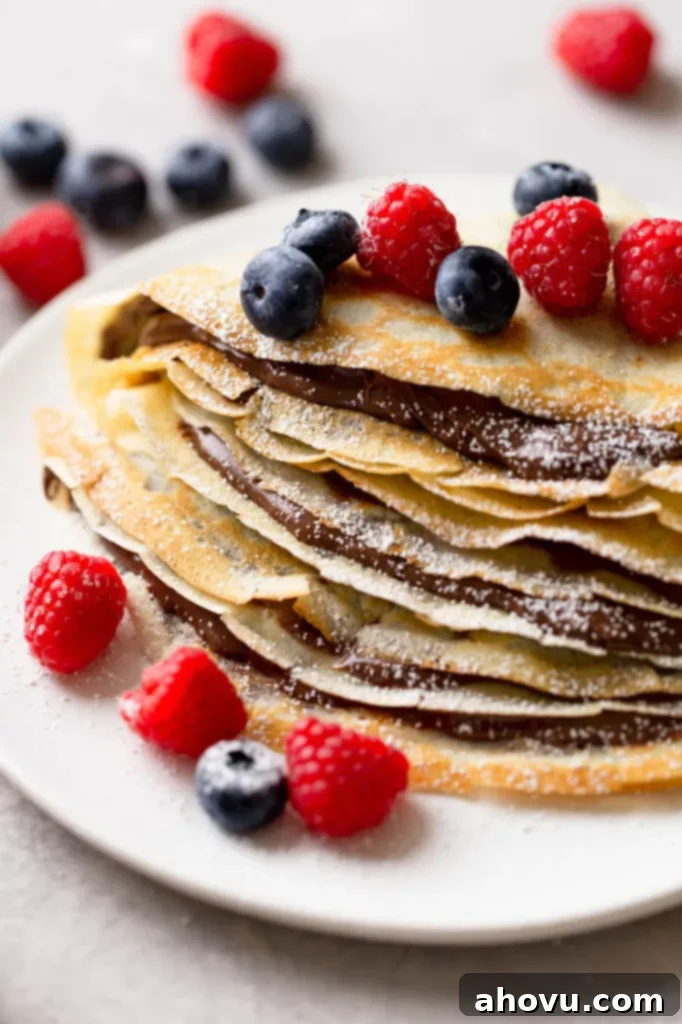
- Nutella: A classic favorite for chocolate and hazelnut lovers. Spread generously!
- Fresh Berries: Strawberries, blueberries, raspberries, or a mix. Simple, healthy, and vibrant.
- Sliced Bananas: Great on their own or paired with Nutella or caramel.
- Lemon Juice and Granulated Sugar: A traditional, minimalist, and refreshing French way to enjoy crepes.
- Sweetened Cream Cheese: Mix cream cheese with a little sugar and vanilla for a creamy filling.
- Whipped Cream: Light and airy, pairs well with almost any fruit.
- Fruit Preserves or Jams: Quick and easy, choose your favorite flavor.
- …and any combination of the above for a truly personalized treat!
Savory Crepe Fillings:
Remember to omit the sugar and vanilla from the batter for savory crepes!
- Ham and Cheese: A classic combination, especially with Gruyere or Swiss cheese.
- Spinach and Feta: A Mediterranean-inspired filling that’s light and flavorful.
- Mushrooms and Herbs: Sautéed mushrooms with garlic and fresh thyme or rosemary.
- Chicken and Mushroom Cream Sauce: A heartier option, perfect for a light dinner.
- Smoked Salmon and Cream Cheese: A sophisticated brunch option, often garnished with fresh dill.
- Goat Cheese and Caramelized Onions: A wonderfully balanced sweet and tangy flavor profile.
- Ratatouille: A delicious way to enjoy seasonal vegetables.
Pro Tips for Perfect Crepes
- Chill the Batter: This cannot be stressed enough. Aim for at least one hour, but overnight is even better. It allows the flour to hydrate fully and the gluten to relax, resulting in super tender crepes that won’t tear easily.
- Adjust for Savory: If your heart is set on savory crepes, simply leave out the granulated sugar and vanilla extract from the batter. The base recipe is perfectly adaptable!
- Non-Stick is Key: Invest in a good quality non-stick skillet. This will make the cooking and flipping process infinitely easier. Remember to brush the pan with a tiny bit of melted butter between every single crepe to ensure even browning and prevent sticking.
- Perfect Pan Temperature: Medium heat is usually ideal. If the pan is too hot, the crepe will burn before it cooks through. If it’s too cold, it will absorb too much butter, cook slowly, and become tough or greasy.
- The First Crepe is a Test: Don’t get discouraged if your first crepe isn’t perfect. It’s often referred to as the “test crepe” because it helps you adjust the pan temperature and your pouring/swirling technique. The subsequent crepes will likely be flawless!
More Sweet Breakfast Recipes to Try!
- Grandma’s Cinnamon Rolls
- Chocolate Chip Muffins
- Classic Buttermilk Pancakes
- The Best French Toast
- Classic Scones
Video Tutorial

Crepes
This basic recipe breaks down how to make crepes step by step. You can use this as the base for sweet or savory crepes!
Prep Time: 15 mins
Cook Time: 35 mins
Chilling Time: 1 hr
Total Time: 1 hr 50 mins
Pin Recipe
Ingredients
Servings: 12 crepes
- 1 cup (125 grams) all-purpose flour (spooned & leveled)
- 1 tablespoon (12 grams) granulated sugar
- ¼ teaspoon salt
- 1 ½ cups (360 ml) whole milk
- 2 large eggs
- 2 tablespoons (30 grams) unsalted butter, melted and slightly cooled (plus more for the pan)
- 1 teaspoon pure vanilla extract
Instructions
- Add all of the ingredients to a blender and blend until smooth, about 15 to 20 seconds.
- Pour the mixture into a large mixing bowl, cover tightly with plastic wrap, and refrigerate for at least one hour.
- Heat an 8- to 9-inch nonstick skillet over medium heat. Brush the skillet with some melted butter.
- Lift the pan off of the heat and quickly pour a scant ¼ cup of the crepe mixture in the center of the pan, swirling the pan in a circular motion so that the mixture evenly coats the bottom.
- Return the pan to the stovetop and cook for 1 to 2 minutes, or until the bottom is lightly browned and the edges begin to lift from the pan. Carefully loosen with a spatula and flip to cook the other side.
- Remove from the heat and slide the crepe onto a wire rack. Repeat with the remaining batter, lightly coating the pan with melted butter as needed. You may stack the cooked crepes on top of each other while the rest of the batter is cooking.
- Top with fresh fruit and dust with powdered sugar or fill with your favorite fillings.
Notes
- Storage Instructions: Crepe batter may be prepared, covered tightly, and refrigerated for up to 2 days. The cooked crepes can be stored in a large ziplock bag in the refrigerator for up to 3 days. Reheat in 15-second increments in the microwave or in a skillet until warmed through.
- Freezing Instructions: Crepes will freeze well for up to 3 months. I recommend placing a piece of parchment paper between each crepe and storing them in a large freezer bag. You can thaw them overnight in the refrigerator and reheat in the microwave or a skillet.
- For Savory Crepes: Omit the granulated sugar and vanilla extract and prepare as directed.
- Don’t have a blender? Whisk the flour, sugar, and salt together in a large bowl. In a separate mixing bowl, whisk the milk, eggs, melted butter, and vanilla extract together until fully combined. Make a well in the center of the dry ingredients and slowly pour the wet ingredients into it, making sure to whisk well. Strain the mixture through a fine mesh strainer, then cover it, and refrigerate it.
Cuisine: French
Course: Breakfast
Author: Danielle Rye