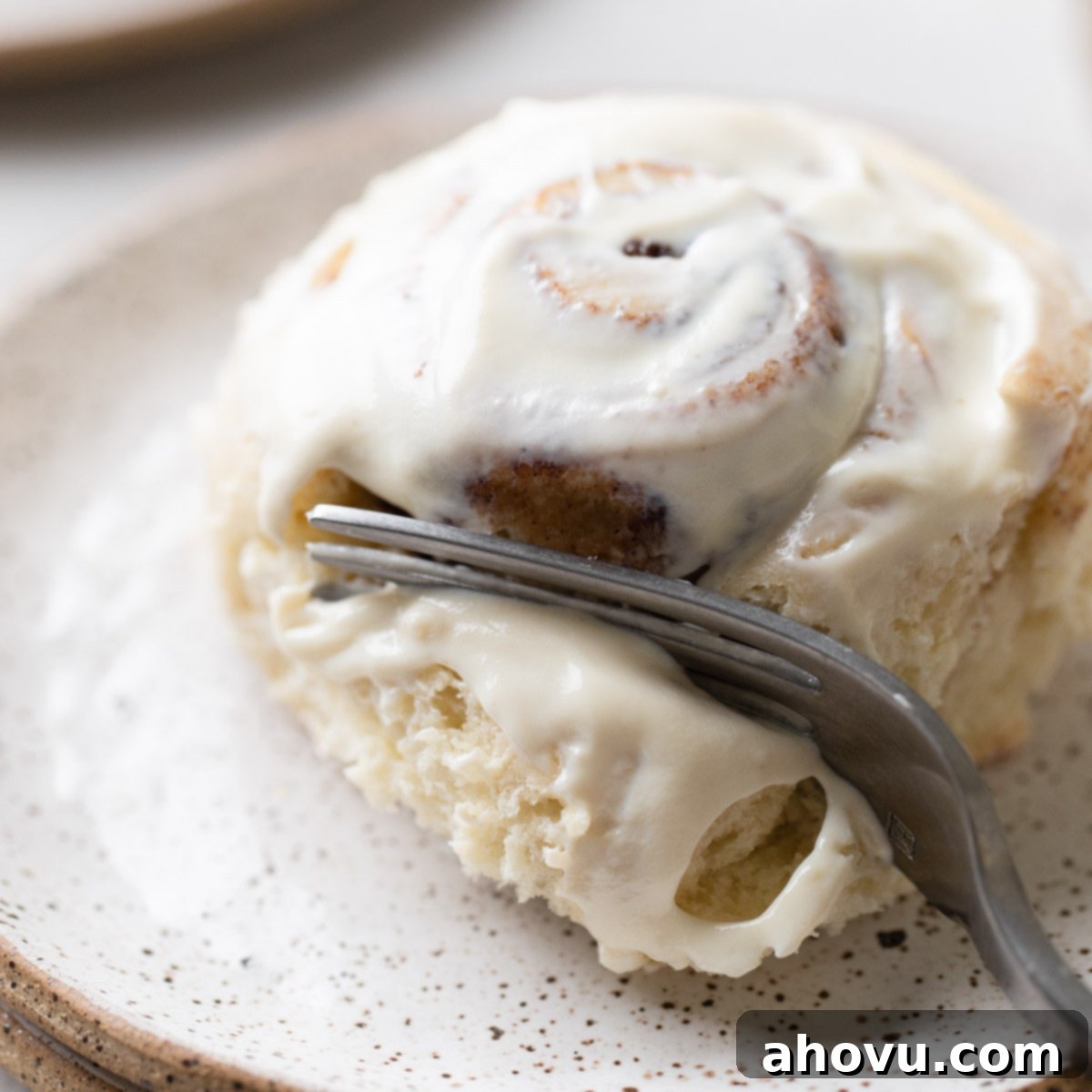
Ultimate Homemade Cinnamon Rolls: Grandma’s Easy Recipe for Soft, Gooey Perfection
Prepare to embark on a delightful baking journey with my grandmother’s cherished cinnamon roll recipe. This comprehensive tutorial will guide you through creating the most incredibly soft, fluffy, and undeniably gooey cinnamon rolls you’ve ever tasted. Whether you choose a rich cream cheese frosting or a simple vanilla glaze, these homemade delights are perfect for any occasion and can even be prepared ahead of time to simplify your mornings!
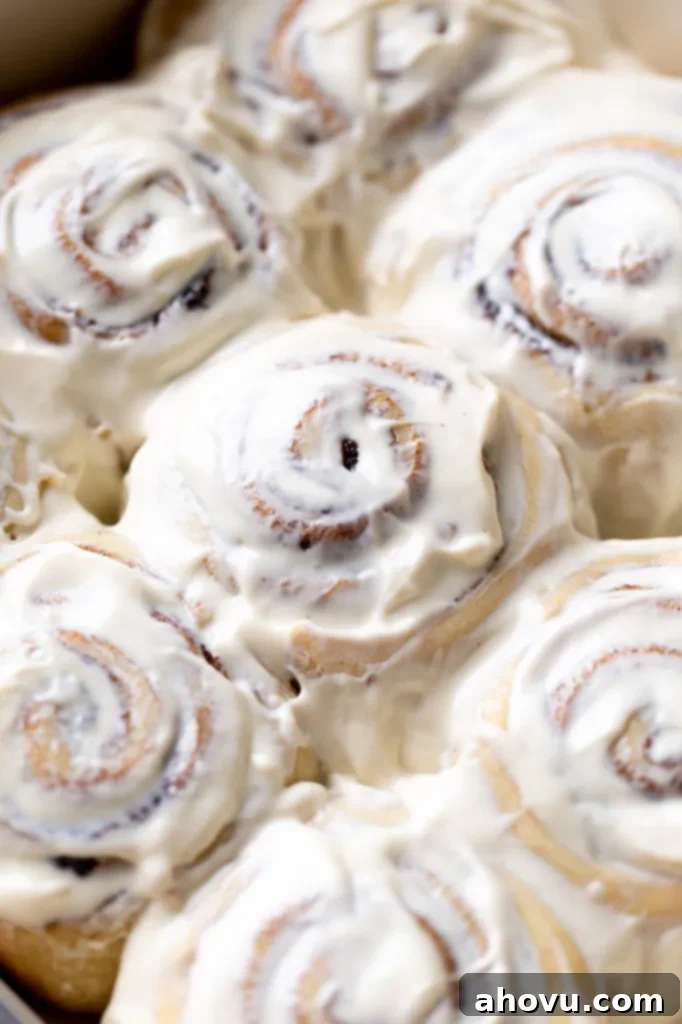
As the holiday season draws near, my heart always turns to the comforting warmth of homemade cinnamon rolls. But these aren’t just any rolls; this is my beloved grandmother’s recipe, a culinary legacy perfected over decades in her kitchen. Every bite of these rolls carries with it the warmth of tradition and generations of baking wisdom, making them truly special. The rich aroma of cinnamon and brown sugar filling your home is an experience in itself, promising an unforgettable treat.
Originally published in 2018, this beloved recipe has received a thorough update, transforming it into an even more accessible and foolproof guide. I’ve meticulously detailed every crucial step, from the delicate art of proofing yeast to the science behind scalding milk, ensuring your dough rises perfectly every time. You’ll learn the simplest techniques for slicing your rolls, how to confidently determine if your dough is perfectly kneaded for maximum tenderness, and invaluable tips for preparing them in advance to enjoy fresh-baked goodness with minimal morning effort. This updated guide is designed to empower every baker, regardless of experience, to create bakery-quality cinnamon rolls at home.
If the thought of baking homemade cinnamon rolls from scratch feels daunting, I genuinely believe this recipe will completely transform your perspective. Forget tough or dry pastries; these rolls promise an unparalleled softness, an irresistible gooey center, and a heavenly aroma that fills your home. Once you experience the melt-in-your-mouth perfection of these delicious, fluffy cinnamon rolls, they’re bound to become a staple in your family’s culinary traditions, just as they are in mine. Get ready to impress your family and friends with the ultimate breakfast or dessert!
How To Bake the Best Homemade Cinnamon Rolls
While the process of crafting these perfect homemade cinnamon rolls involves several distinct steps, each one is straightforward and contributes significantly to the final, mouth-watering result. Don’t be intimidated by the number of steps; think of it as a rewarding journey that culminates in truly unforgettable pastries. Our detailed breakdown ensures that even novice bakers can achieve perfectly soft, fluffy, and gooey cinnamon rolls. Here’s a detailed guide on how we bring these incredible treats to life:
- Proof the Yeast for Optimal Rise: The first critical step for exceptionally fluffy cinnamon rolls is properly activating your yeast. In a small bowl, gently whisk together 1/4 cup of warm water (aim for 105°F to 115°F – it should feel comfortably warm, not hot, to the touch, as excessively hot water will kill the yeast). Add 1 teaspoon of granulated sugar (this provides food for the yeast), then sprinkle one package (2 and 1/4 teaspoons) of active dry yeast over the surface and stir it in lightly. Let this mixture sit undisturbed for 5 to 10 minutes. When successful, the yeast will become visibly foamy and bubbly, indicating it’s active and ready to work its magic. If it doesn’t foam, your water might have been too hot or too cold, or your yeast may be expired. Set aside this living proof of deliciousness!
- Scald Your Milk for Superior Softness: Scalding milk is a traditional yet vital technique essential for achieving the incredibly light and soft texture that makes these cinnamon rolls so delightful. This process heats the milk to just below boiling, which denatures certain proteins that can otherwise inhibit gluten development and prevent a proper rise, leading to a tougher crumb. To scald the milk, pour 1 cup of whole milk into a saucepan and heat it over medium heat, stirring frequently to prevent scorching on the bottom. Watch for small bubbles to form around the edges of the pan, just before it comes to a full, rolling boil. Immediately remove it from the heat once you see these bubbles.
- Combine Warm Milk with Sugar, Shortening, and Salt: In a large mixing bowl (or the bowl of your stand mixer), combine the 5 tablespoons of granulated sugar, 3 tablespoons of shortening, and 1 and 1/4 teaspoons of salt. Pour the freshly scalded milk over these ingredients. The residual warmth of the milk will help dissolve the sugar and salt effectively, and the shortening will gradually melt into the mixture, contributing to the rolls’ tender crumb. Don’t worry if a few small pieces of shortening remain; they will incorporate fully later during kneading. The most important part here is to let this milk mixture cool down to about 110°F (43°C) before proceeding. Introducing your activated yeast to a too-hot mixture will undoubtedly kill it, hindering your dough’s ability to rise.
- Incorporate Flour, Egg, and Activated Yeast: Once your milk mixture has cooled to the appropriate temperature (110°F / 43°C), add 2 cups of all-purpose flour, one large room-temperature egg, and your foamy, activated yeast mixture to the mixing bowl. Mix these ingredients thoroughly until they are just combined, forming a loose, shaggy dough. You can do this by hand with a sturdy spoon or using the dough hook attachment on a stand mixer. The mixture should resemble the soft, batter-like consistency shown in the image above on the left, an important stage before adding more flour.
- Gradually Add Remaining Flour for Perfect Dough Consistency: Achieving the right dough consistency is paramount for truly soft and tender cinnamon rolls. I typically use a total of 4 and 1/4 to 4 and 1/2 cups of all-purpose flour. After the initial 2 cups, gradually incorporate another 2 cups of flour. Continue adding 1 to 2 tablespoons of flour at a time, as needed, until the dough is no longer excessively sticky but remains pliable, elastic, and easy to handle. The exact amount of flour can vary based on factors like humidity and how precisely you measure, so always trust the feel of the dough over strict measurements for this stage.
- Knead the Dough to Develop Gluten: Kneading is a crucial step that develops the vital gluten structure in your dough, which is what gives cinnamon rolls their characteristic chewiness and their incredible ability to rise high and fluffy. Knead the dough for approximately 5 to 10 minutes. If using a stand mixer, attach the dough hook and knead on low speed until the dough comes together. Alternatively, you can knead by hand on a lightly floured surface, pushing and folding the dough. Proper kneading results in a smooth, elastic dough that springs back when gently poked. Without adequate gluten development, your rolls can turn out tough and dense, so do not skip or rush this essential step!
- First Rise: Allow the Dough to Double in Size: After kneading, form the dough into a smooth ball and place it into a lightly greased bowl. Turn the dough once to ensure it’s coated in oil, which prevents a dry crust from forming, then cover the bowl tightly with plastic wrap or a clean kitchen towel. Place the covered bowl in a warm, draft-free area to rise. An ideal spot might be a slightly warmed oven (turned off after heating, of course!), near a sunny window, or, as a clever trick, on a heating pad set to low. Let the dough rise undisturbed until it has visibly doubled in size, which typically takes about 1 to 1.5 hours, though timing can vary based on your kitchen’s temperature.
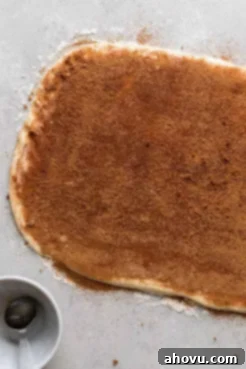
- Punch Down and Roll Out the Dough: Once your dough has gloriously doubled in size and looks puffy, gently punch it down to release the accumulated gases. This step is important for creating a finer, more even crumb texture in the finished rolls. Transfer the dough to a lightly floured surface and roll it out into a large rectangle, approximately 12×18 inches and about 1/4-inch thick. Aim for an even thickness across the entire rectangle to ensure uniform rolls and consistent baking.
- Generously Add the Flavorful Filling: This is where the magic truly happens, creating the signature taste of our cinnamon rolls! Evenly spread 4 tablespoons of softened, room-temperature butter across the entire surface of your rolled-out dough, leaving a small border free on one of the longer sides (this helps to seal the roll tightly when you roll it up). In a separate small bowl, mix together the 3/4 cup of rich brown sugar and 1 and 1/2 tablespoons of fragrant ground cinnamon. Sprinkle this aromatic mixture generously over the buttered dough, then gently press it down with your hands to help it adhere well and prevent it from spilling out during rolling.
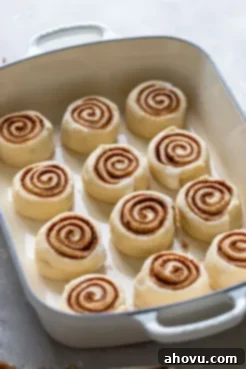
- Roll and Cut the Dough into Perfect Swirls: Starting from one of the 18-inch (longer) sides, carefully and tightly roll the dough into a log. A tight roll is absolutely crucial for creating those beautiful, distinct cinnamon swirls and ensuring your rolls hold their shape. Once you have a firm log, use a sharp knife or, for the cleanest cuts, unwaxed dental floss (see baking tips below for details!) to cut it into 12 equal pieces. Prepare a 9×13 inch baking pan by greasing it well, then arrange the cut cinnamon rolls in the pan, leaving a little space between each one to allow for their final rise and expansion during baking.
- Second Rise or Prepare Ahead for Convenience: Now, your rolls need one more important rise before baking. Cover the baking pan loosely with plastic wrap or a clean kitchen towel and let the rolls rise in a warm place for about 45 minutes, or until they look visibly puffy and have nearly doubled in size again. Alternatively, for a fantastic make-ahead option, cover the pan tightly with plastic wrap and refrigerate the dough overnight. This allows the flavors to develop and makes morning baking a breeze! In the morning, simply remove them from the refrigerator, let them rise in a warm spot for 45 minutes to 1 hour (allowing them to come to room temperature and proof), then bake as directed. Both methods yield phenomenal, fresh-baked results!
- Bake to Golden Perfection & Cool: Preheat your oven to 375°F (190°C). Once the oven is ready, place the cinnamon rolls in the oven and bake for about 25 minutes. Keep a close eye on them, as oven temperatures can vary significantly. If you notice the tops browning too quickly after about 10-15 minutes of baking, loosely tent the pan with a piece of aluminum foil to prevent excessive browning while the centers continue to cook through. The rolls are done when they’re beautifully golden brown on top and cooked through in the middle (a toothpick inserted into the center should come out clean of raw dough). Once baked, remove the pan from the oven and allow the cinnamon rolls to cool slightly in the pan for about 10-15 minutes before applying any icing or frosting. This prevents the frosting from melting right off and creates a perfectly set glaze.
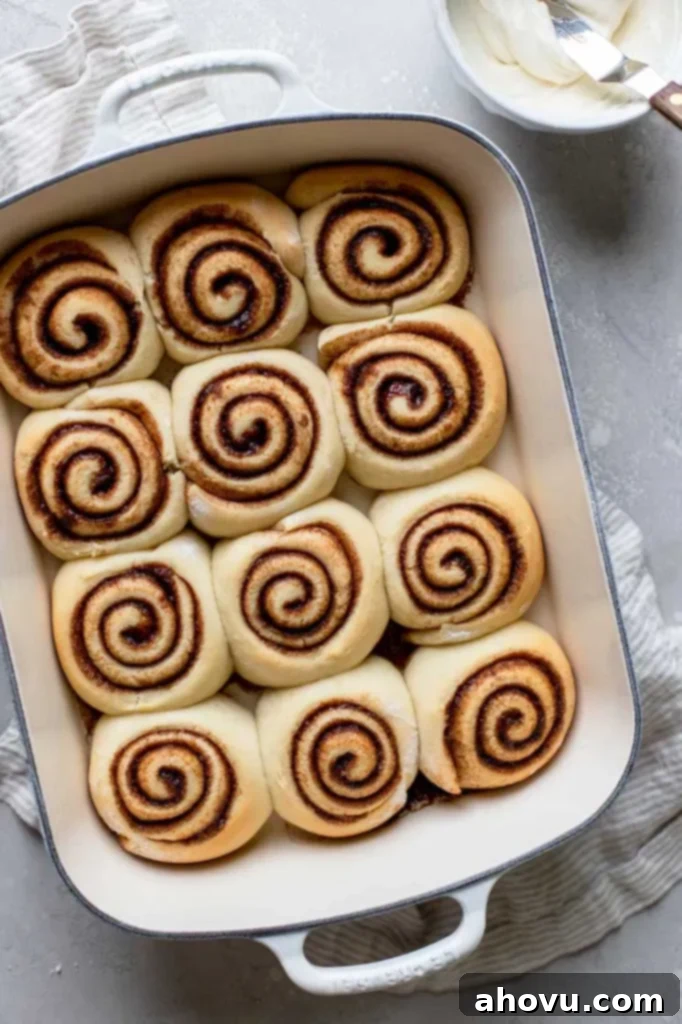
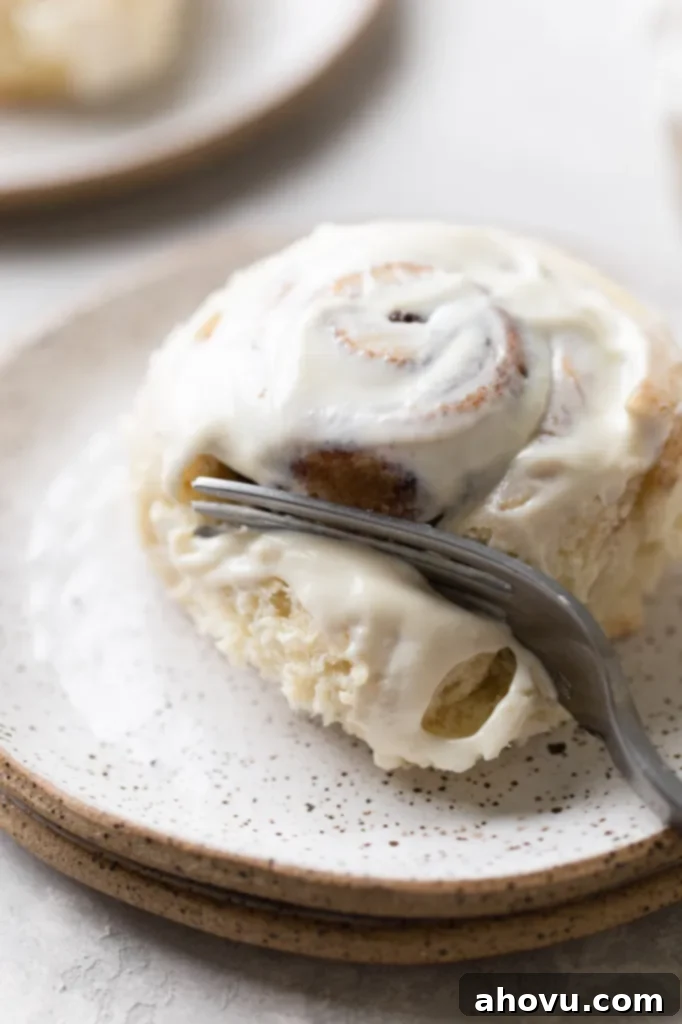
The final, irresistible touch to these incredible homemade cinnamon rolls is your choice of luscious topping! While I’ve provided a recipe for a classic, rich, and tangy cream cheese frosting below, feel free to get creative and personalize your rolls. For those who prefer a lighter, simpler finish, a quick and easy vanilla glaze recipe is conveniently included in the recipe notes, offering a sweet and elegant adornment. No matter how you choose to adorn them, these fluffy, gooey rolls are guaranteed to be among the best cinnamon rolls you’ll ever experience – a true taste of home, comfort, and baking perfection that your family will adore.
Frequently Asked Questions About Homemade Cinnamon Rolls
How can you tell if your dough is properly kneaded?
Determining if yeast dough is perfectly kneaded can be a common hurdle, especially for new bakers. A well-kneaded dough will exhibit several key characteristics: it will be smooth and supple to the touch, no longer excessively sticky (though it might still be slightly tacky), and will hold its shape beautifully. A reliable test is the “windowpane test”: pinch off a small piece of dough (about a tablespoon size) and gently stretch it between your fingers. If you can stretch it thin enough to see light through it without it tearing, your gluten is sufficiently developed and the dough is ready. Additionally, if you lightly press the dough with your finger, it should spring back slowly, indicating good elasticity and proper gluten formation.
How long do I bake these cinnamon rolls?
I typically find that these homemade cinnamon rolls bake to golden perfection in about 25 minutes in my oven. However, it’s very important to remember that every oven is unique and can vary significantly in temperature and baking time. It’s crucial to keep a close watch on your rolls as they bake. Look for a beautiful golden-brown top and edges. To ensure they’re cooked through in the center, you can lightly touch the center; it should feel firm and baked, not raw or doughy. If the tops are browning too quickly, loosely covering the pan with aluminum foil after about 10-15 minutes of baking will help prevent over-browning while allowing the inside to finish cooking thoroughly.
How do you store homemade cinnamon rolls?
Proper storage is key to ensuring your delicious homemade cinnamon rolls remain fresh and enjoyable for as long as possible. If you’ve topped your rolls with the rich cream cheese frosting, it’s best to store them in an airtight container in the refrigerator due to the dairy content of the frosting. They will stay fresh and moist for 3 to 4 days. If you opt for the simple vanilla icing (which is dairy-free), you can safely store the frosted rolls in an airtight container at room temperature for the same duration. For longer storage, unfrosted baked cinnamon rolls can be wrapped tightly and frozen for up to 1 month. Thaw them overnight in the refrigerator, then warm them gently and frost before serving.
Essential Baking Tips for Perfect Cinnamon Rolls
- Temperature is Key for Yeast Activation: Always ensure the scalded milk mixture cools to approximately 110°F (43°C) before you incorporate the flour, yeast, and egg. Using milk that is too hot will kill the active yeast, preventing your dough from rising, which is vital for a good rise and an ultimately fluffy texture.
- Floss for Flawless Slices: For perfectly clean, uniform slices of your cinnamon roll log without squishing your beautiful dough, use unwaxed, unflavored dental floss! Simply slide a long piece of floss underneath the rolled log of dough at your desired cutting point, cross the ends over the top, and pull tightly to cut through. It’s an incredibly effective and neat trick that ensures each roll maintains its perfect spiral shape.
- Prevent Over-Browning: While your delicious cinnamon rolls are baking, monitor them carefully, especially in the last 10-15 minutes. If the tops begin to brown too much before the centers are fully cooked through, loosely cover the entire baking pan with a piece of aluminum foil. This gentle shield will help the rolls cook evenly without over-browning, ensuring a beautifully golden top without burnt edges.
- Convenient Make-Ahead Option: To enjoy fresh, warm cinnamon rolls with less morning rush, you can easily prepare them up to the cutting and placing in the pan stage. Once you’ve sliced and arranged the rolls in the baking pan, cover them tightly with plastic wrap and refrigerate overnight. The next morning, remove them from the fridge, allow them to come to room temperature and rise in a warm spot for 45 minutes to 1 hour (this second proofing is crucial after refrigeration), then bake according to the recipe instructions. This method ensures fresh, warm rolls without all the morning prep.
More Easy & Delicious Breakfast Recipes to Try!
- Fluffy Buttermilk Pancakes
- Moist and Flavorful Banana Muffins
- Classic Homemade French Toast
- Wholesome Blueberry Banana Baked Oatmeal
- Easy, Flaky Buttermilk Biscuits
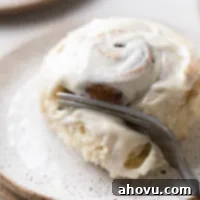
Grandma’s Irresistible Cinnamon Rolls
Pin Recipe
SaveSaved!
Leave a Review
Ingredients
For the dough:
- 1/4 cup warm water (110°F-115°F) plus 1 teaspoon granulated sugar
- 1 package (2 and 1/4 teaspoons) active dry yeast
- 5 tablespoons (62 grams) granulated sugar
- 3 tablespoons (32 grams) shortening
- 1 and 1/4 teaspoons salt
- 1 cup (240 ml) whole milk, scalded*
- 1 large egg room temperature
- 4-5 cups (500-625 grams) all-purpose flour, spooned & leveled
For the filling:
- 4 tablespoons (60 grams) butter, softened to room temperature
- 3/4 cup (150 grams) brown sugar packed
- 1 and 1/2 tablespoons ground cinnamon
For the cream cheese frosting:
- 3 ounces (85 grams) brick-style cream cheese softened to room temperature
- 2 tablespoons (30 grams) butter, softened to room temperature
- 1/2 cup (60 grams) powdered sugar
- 1/2 teaspoon vanilla extract
- 1-2 tablespoons (15-30 ml) milk, use more as needed
Instructions
To make the cinnamon rolls:
-
Whisk the warm water with the teaspoon of sugar until the sugar is dissolved. Sprinkle the yeast on top and gently stir it into the water. Set aside for 5 to 10 minutes until the yeast is foamy.
-
Add the 5 tablespoons of sugar, shortening, and salt to a heat-proof mixing bowl or the bowl of a stand mixer. Pour the scalded milk on top and whisk until well combined. Set aside and allow to cool until it’s warm and no longer hot (about 110°F or 43°C).
-
Once the scalded milk mixture has cooled, mix in 2 cups (250 grams) of flour by hand or using the dough hook attachment on a stand mixer. Add the yeast mixture and mix until well combined, then mix in the egg.
-
Mix in 2 more cups (250 grams) of flour until fully combined, then mix in 1 to 2 tablespoons of flour at a time until the dough is easy to handle. Knead the dough by hand on a lightly floured surface or using the dough hook on a stand mixer on low speed for 5 to 10 minutes until the dough is smooth and elastic, adding a little extra flour if needed.
-
Once the dough is kneaded, form it into a ball and place it into a lightly greased bowl. Cover and allow to rise in a warm place for about 1 hour or until double in size.
-
Once double in size, punch down the dough and roll it out on a lightly floured surface into a 12×18 inch rectangle (about 1/4-inch thick).
-
Spread the softened butter all over the dough. Mix the brown sugar and ground cinnamon in a mixing bowl until well combined, then sprinkle on top of the butter and gently press it down.
-
Starting at the 18-inch side, roll the dough up tightly. Cut the roll of dough into 12 equal pieces and place each piece in a greased 9×13 baking pan. Cover and allow to rise in a warm place for about 45 minutes.
-
After about 30 minutes of rising, preheat the oven to 375°F (190°C). Once the oven is preheated, place the cinnamon rolls in the oven and bake for about 25 minutes or until the cinnamon rolls are cooked through in the center. Cover loosely with foil after about 10 to 15 minutes of baking to prevent excess browning. Once the cinnamon rolls are done, remove them from the oven and set aside to cool.
To make the cream cheese frosting:
-
In a medium-sized mixing bowl, beat the cream cheese and butter together until smooth. Mix in the powdered sugar and vanilla extract until fully combined. Then mix in the milk, adding more as needed until it has reached your desired consistency.
-
Once the cinnamon rolls have cooled slightly, frost them, serve and enjoy!
Notes
To make ahead of time: Cinnamon rolls may be baked, cooled, and covered tightly at room temperature for up to 2 days. Add the cream cheese frosting or icing right before serving.
To prepare ahead of time: Once you’ve cut the cinnamon rolls, cover them tightly, and refrigerate overnight. In the morning, remove from the refrigerator and allow to rise for 45 minutes to 1 hour in a warm place, then bake as instructed.
For a vanilla glaze: Whisk together 1 cup (120 grams) of powdered sugar, 1/2 teaspoon vanilla extract, and 2 tablespoons of milk. If the glaze is too thin, add more powdered sugar and if it’s too thick add more milk.
For the filling: You may reduce the filling down to 1/2 cup (100 grams) brown sugar and 1 tablespoon ground cinnamon. I suggest still using 1/4 cup (60 grams) of butter to spread on top of the dough.
Store frosted cinnamon rolls in the refrigerator covered tightly for 3 to 4 days. Reheat in the microwave if desired.