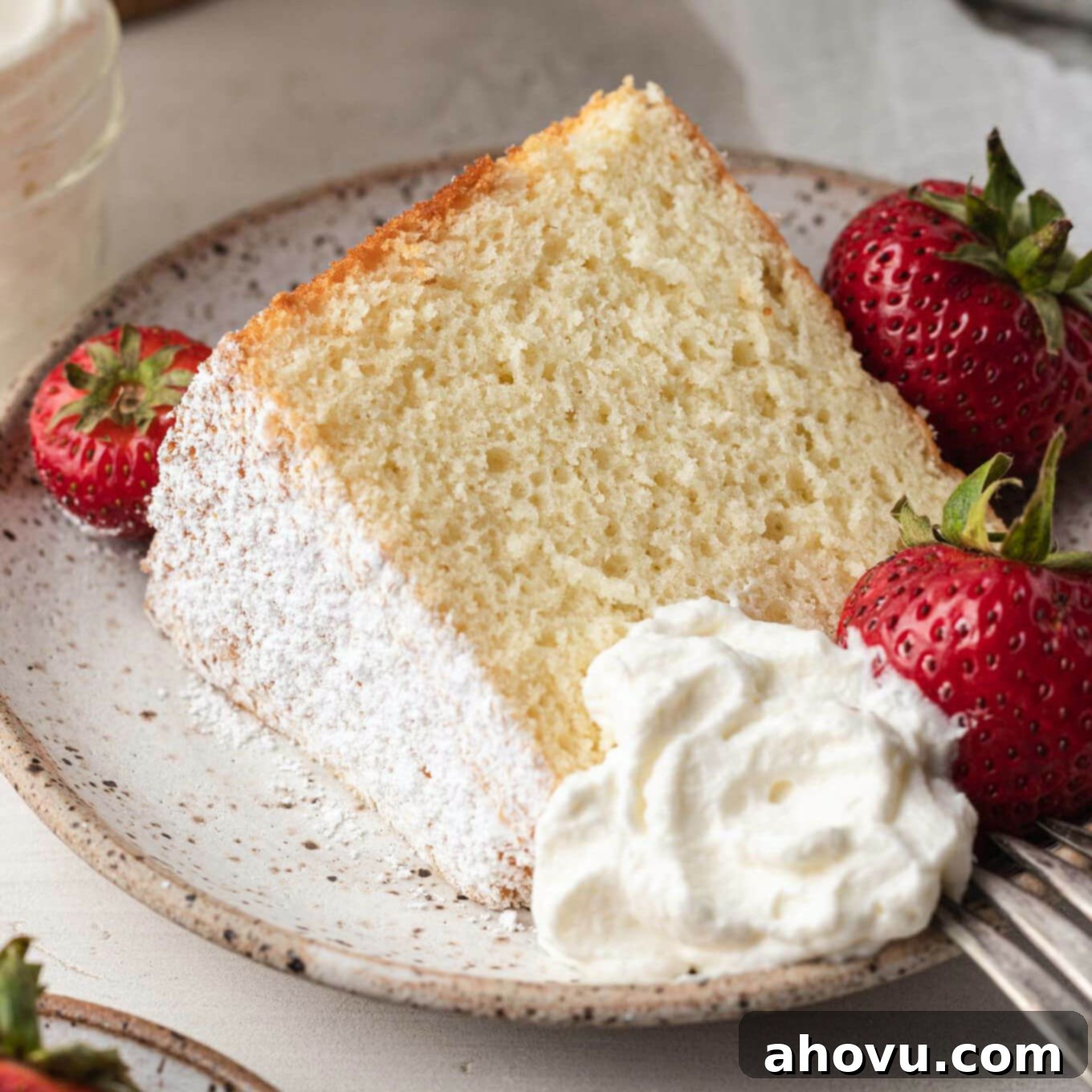
Classic Vanilla Chiffon Cake: Your Ultimate Guide to a Perfectly Light & Fluffy Dessert
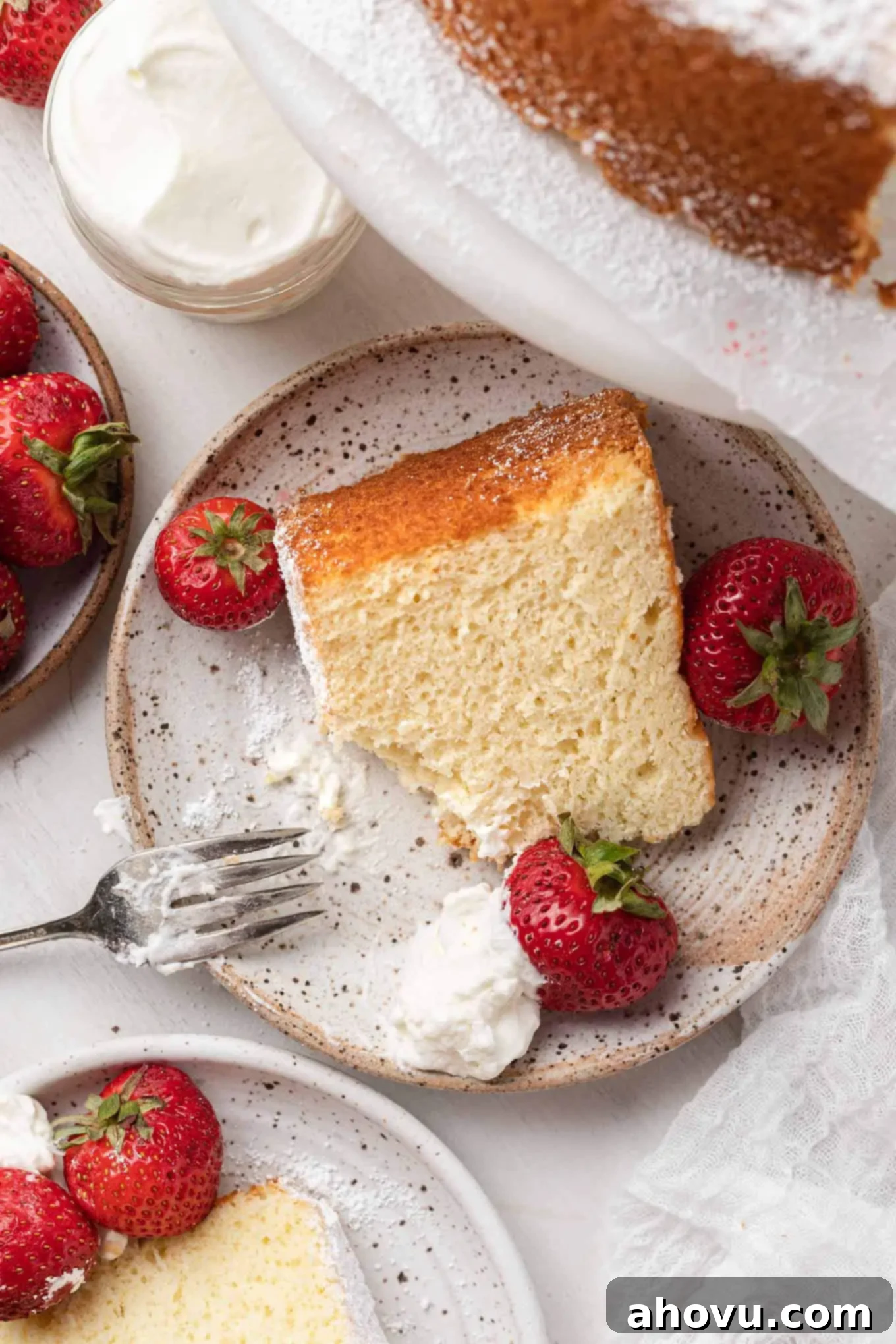
Experience the sheer delight of a truly classic chiffon cake – a dessert renowned for its incredibly light, airy, and fluffy texture, coupled with a subtly sweet vanilla flavor that melts in your mouth. This elegant cake is traditionally finished with a delicate dusting of powdered sugar, allowing its natural beauty to shine. For an added touch of freshness and visual appeal, feel free to garnish individual slices with a dollop of whipped cream and a medley of vibrant, fresh berries. Whether enjoyed on its own or as part of a celebratory spread, this vanilla chiffon cake promises a delightful culinary experience that’s surprisingly simple to achieve at home.
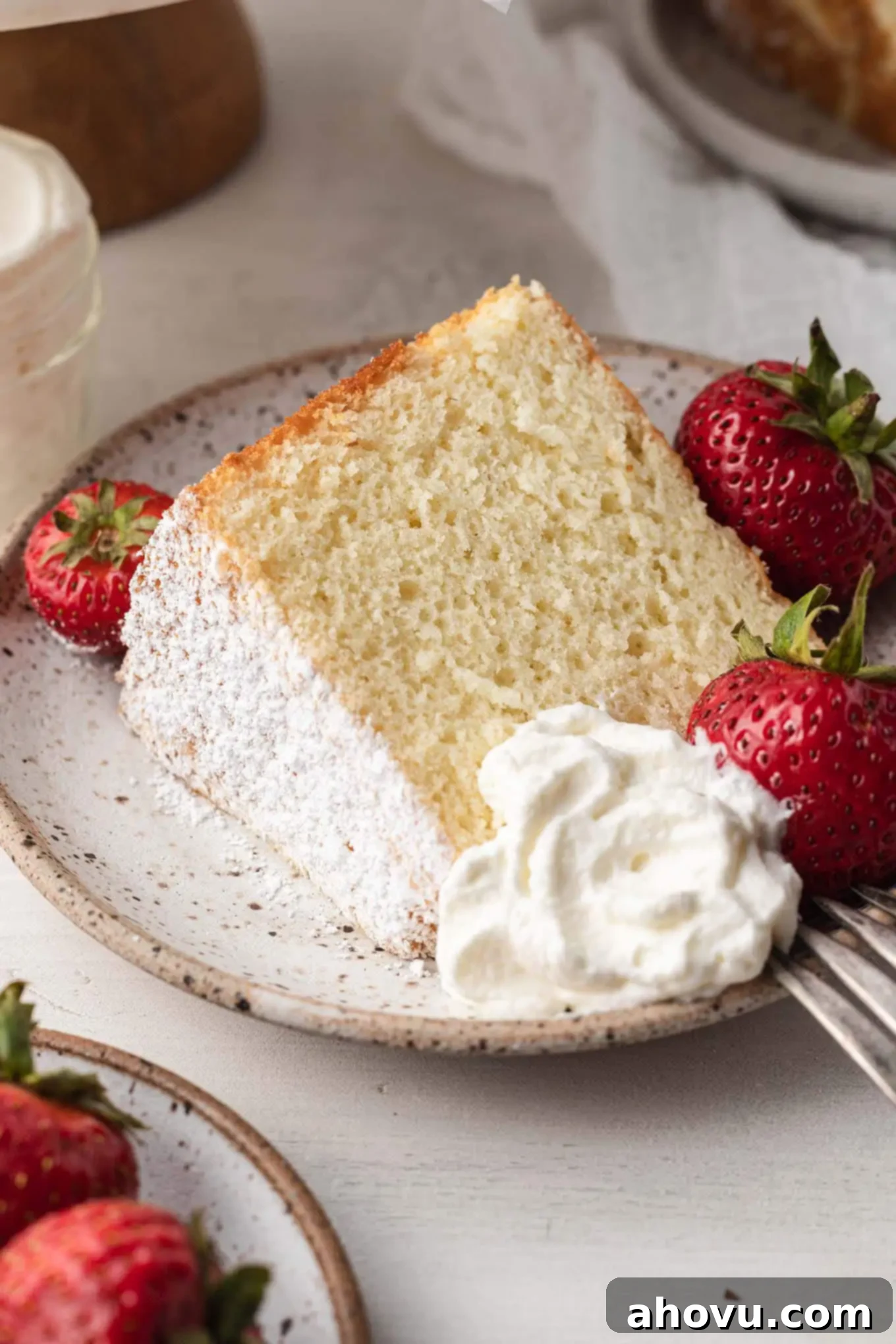
Understanding Chiffon Cake: A Cloud-Like Confection
Chiffon cake stands out in the world of baking as a unique hybrid, boasting qualities of both a rich butter cake and a delicate foam cake. Its signature ethereal lightness and tenderness are achieved through a clever combination of ingredients and techniques. At its heart, a chiffon cake is made with vegetable oil, which contributes to its moistness and fine crumb, unlike butter which can sometimes make cakes denser when chilled. It also features a generous amount of baking powder for chemical leavening and, crucially, incorporates a substantial volume of whipped egg whites, providing the structural integrity and airy volume that gives it its characteristic “chiffon” quality.
The distinction between chiffon cake and other popular light cakes, such as sponge cake, lies primarily in the fat content and leavening agents. Traditional sponge cake typically relies solely on the air whipped into eggs for its rise and often contains little to no added fat or chemical leavening like baking powder. This results in a slightly drier texture compared to chiffon cake. When you consider chiffon cake vs. sponge cake, the oil in chiffon cake ensures a moistness and tender crumb that many find irresistible.
Comparing chiffon cake to angel food cake reveals even more distinct differences. Angel food cake is exclusively made with egg whites and contains no added fat or leavening agents beyond the air incorporated into the meringue. This makes angel food cake incredibly light, but also gives it a chewier, more porous texture. Chiffon cake, on the other hand, utilizes the entire egg – both yolks and whites – contributing to a richer flavor profile and a softer, more delicate crumb due to the fat from the egg yolks and the added oil. This blend of ingredients results in a cake that offers the best of both worlds: the airy lightness of a foam cake with the tender richness of a butter cake.
This versatile vanilla chiffon cake is perfect for any occasion, from casual family desserts to elegant dinner parties. While a simple dusting of powdered sugar is classic and beautiful, don’t hesitate to elevate it further. A dollop of freshly whipped cream and a vibrant garnish of seasonal fruits – think fresh strawberries, blueberries, or sliced peaches – can transform it into an even more spectacular treat. Its delicate flavor profile also makes it an excellent canvas for various toppings and fillings, allowing for endless customization to suit your taste and the season.
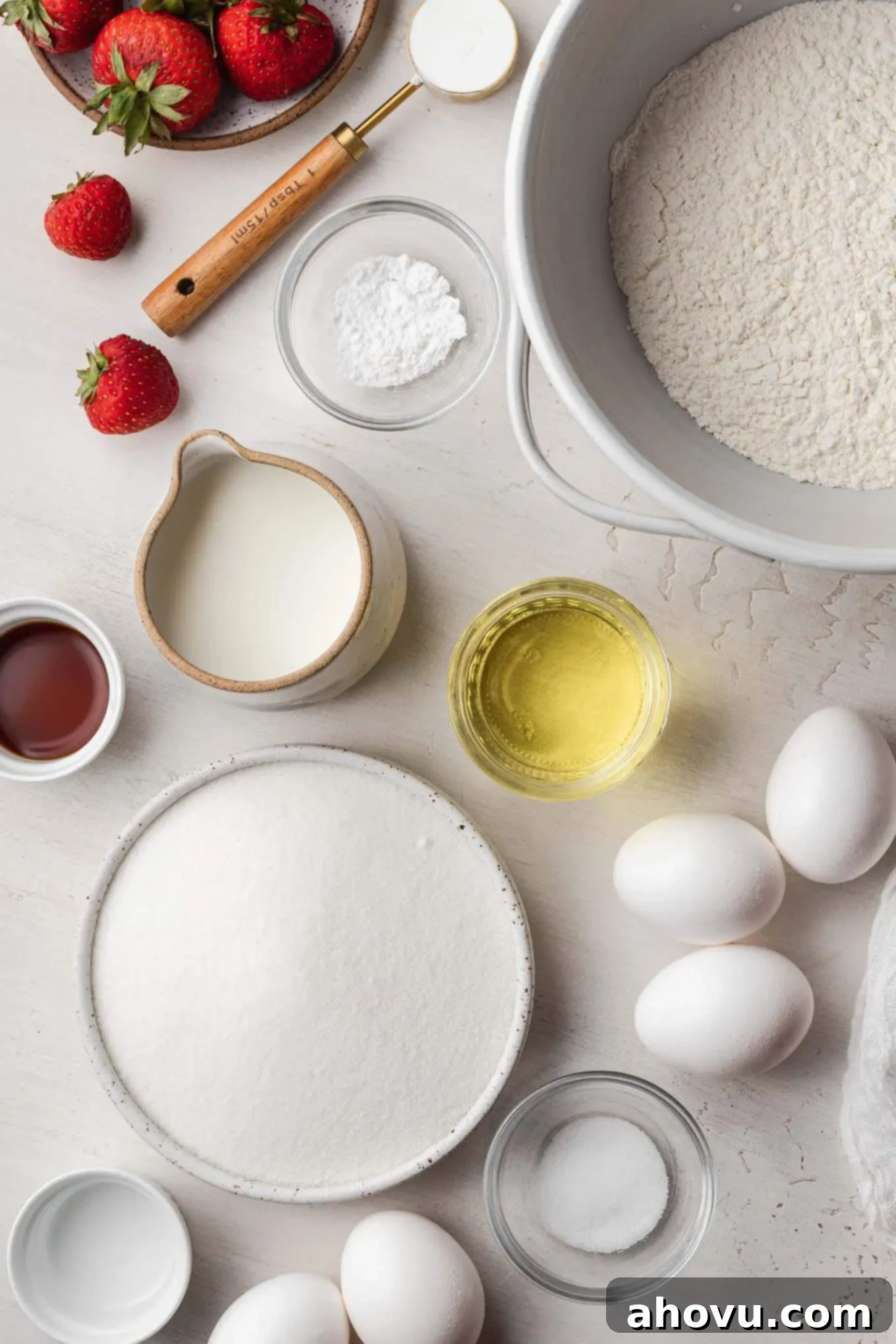
Essential Ingredients for a Perfect Chiffon Cake
Creating a truly remarkable chiffon cake begins with understanding the role each ingredient plays. This recipe relies on readily available pantry staples, but when combined and handled correctly, these everyday items transform into the most spectacular, light-as-air dessert. Let’s delve deeper into the key components you’ll need to achieve chiffon cake perfection.
- Cake Flour: This is a crucial ingredient for achieving the signature tender crumb of chiffon cake. Cake flour has a lower protein content compared to all-purpose flour, which results in less gluten development. Less gluten means a softer, more delicate, and lighter cake that practically melts in your mouth. If you don’t have cake flour on hand, don’t worry! You can easily make a simple substitute by combining all-purpose flour with a small amount of cornstarch. This trick helps mimic the lower protein content, giving you a very similar result.
- Granulated Sugar: Beyond just sweetness, sugar plays a vital role in the texture and stability of the chiffon cake. It not only contributes to the flavor but also helps tenderize the cake and provides structure to the whipped egg whites, ensuring they hold their peaks.
- Eggs: You’ll need six large eggs for this recipe, and proper separation of the yolks and whites is paramount. The egg yolks contribute richness, moisture, and a subtle golden hue to the batter. The egg whites, when whipped, are the primary leavening agent for the cake, creating its incredible volume and airy texture. It’s highly recommended to separate the eggs while they are cold (as yolks are less likely to break), then allow the whites to come to room temperature before whipping for optimal volume.
- Baking Powder: Unlike many other foam cakes, chiffon cake includes a full tablespoon of baking powder. This isn’t a typo! This chemical leavener provides an extra boost, working in conjunction with the whipped egg whites to ensure a dramatic rise and an incredibly light crumb. It’s a key factor in achieving that unmistakable chiffon texture.
- Neutral Oil: Vegetable or canola oil is the preferred fat for chiffon cake. Unlike solid fats like butter, liquid oil coats the flour proteins more thoroughly, inhibiting gluten development and resulting in a cake that is exceptionally moist and tender, even when cold. A neutral oil ensures the cake’s delicate vanilla and almond flavors remain prominent.
- Whole Milk: Milk adds moisture and contributes to the cake’s tender texture. Using whole milk ensures a slightly richer batter, enhancing the overall flavor and mouthfeel of the finished cake. Make sure it’s at room temperature for smooth incorporation.
- Vanilla Extract: A staple in most baking, high-quality vanilla extract provides the foundational sweet and aromatic flavor that makes this a classic vanilla chiffon cake. Don’t skimp on the quality here, as it truly makes a difference.
- Almond Extract: While optional, I highly recommend adding a touch of almond extract. It imparts a subtle, sophisticated nutty note that beautifully complements the vanilla, elevating the cake’s flavor profile to something truly special. If you don’t have it, simply use an additional ½ teaspoon of vanilla extract.
- Cream of Tartar: This acidic ingredient is essential when whipping egg whites. It helps stabilize the egg whites, allowing them to whip up to a greater volume and maintain stiff peaks without easily deflating. It also contributes to the cake’s bright white color.
- Salt: Just a half teaspoon of salt might seem insignificant, but it’s crucial for balancing the sweetness and enhancing all the other flavors in the cake.
Baking Perfection: Step-by-Step Guide to Chiffon Cake
Crafting a classic chiffon cake is a rewarding process that combines simplicity with elegance. While the steps are straightforward, paying close attention to specific details is key to achieving that signature light and fluffy texture. Be sure to read through all instructions before you begin, as this recipe has a few unique guidelines (like using an ungreased pan!) that are crucial for success.
- Prepare Your Dry Ingredients: Begin by preheating your oven to 325°F (163°C). In a large mixing bowl, meticulously sift together the cake flour, granulated sugar, baking powder, and salt. Sifting is not just for preventing lumps; it also aerates the flour, which contributes to a lighter final cake. Once combined, set this bowl aside.
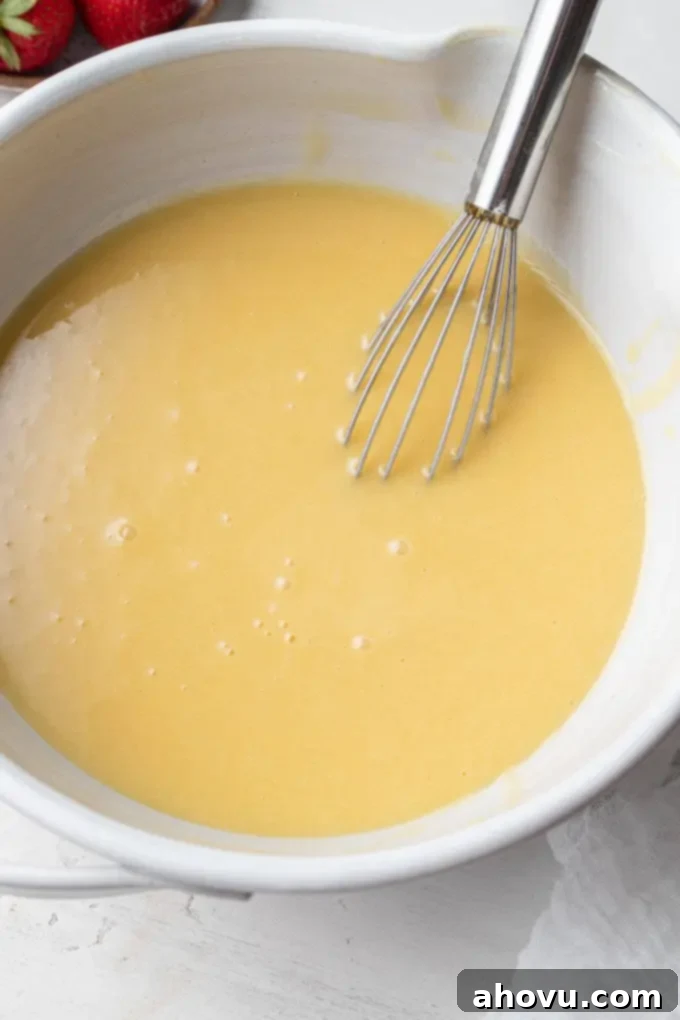
- Combine the Wet Ingredients: In a separate, medium-sized mixing bowl, whisk together the egg yolks, whole milk, vegetable or canola oil, vanilla extract, and almond extract. Whisk thoroughly until the mixture is smooth and well-emulsified, about 1-2 minutes. Ensure all wet ingredients are at room temperature for seamless integration into the batter.
- Integrate Dry and Wet Components: Carefully pour the wet ingredient mixture into the bowl of sifted dry ingredients. Using a rubber spatula, mix until just combined. It’s incredibly important not to overmix at this stage; overmixing can develop too much gluten in the flour, leading to a tough cake. A few streaks of flour are acceptable, as further mixing will occur when the egg whites are added.
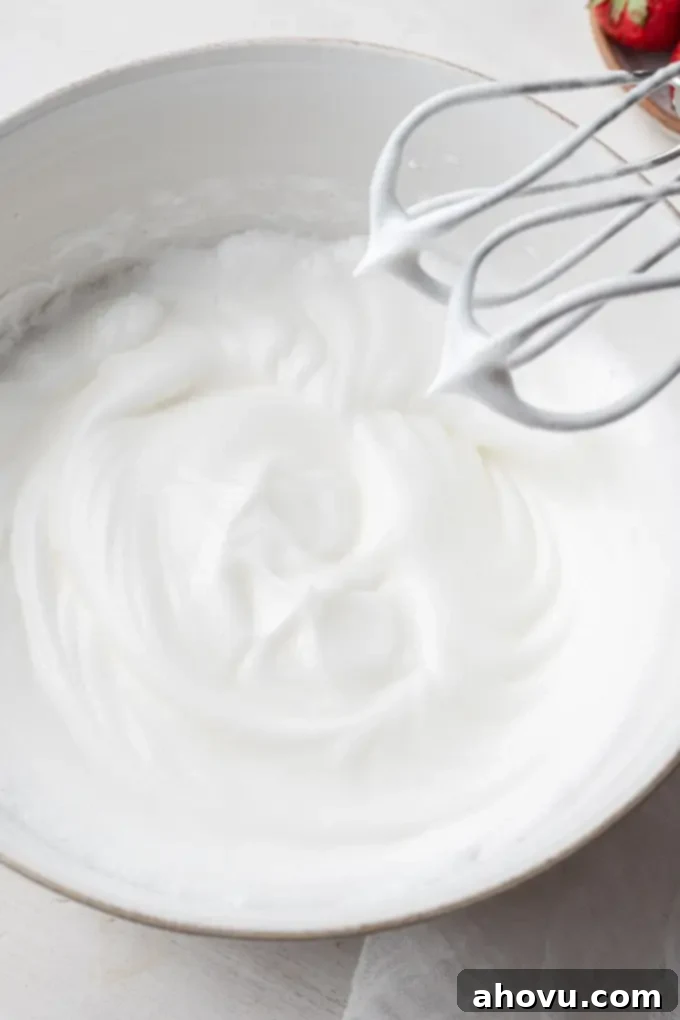
- Achieve Perfect Stiff Egg Whites: In a completely clean and grease-free large mixing bowl (or the bowl of a stand mixer with a whisk attachment), combine the egg whites and cream of tartar. Beat on medium-low speed until the mixture becomes foamy. Then, gradually increase the speed to medium-high and continue beating until stiff, glossy peaks form. Stiff peaks mean that when you lift the whisk, the peak of egg white stands tall and holds its shape firmly without drooping. Any traces of yolk or grease will prevent the egg whites from whipping properly, so cleanliness is critical.
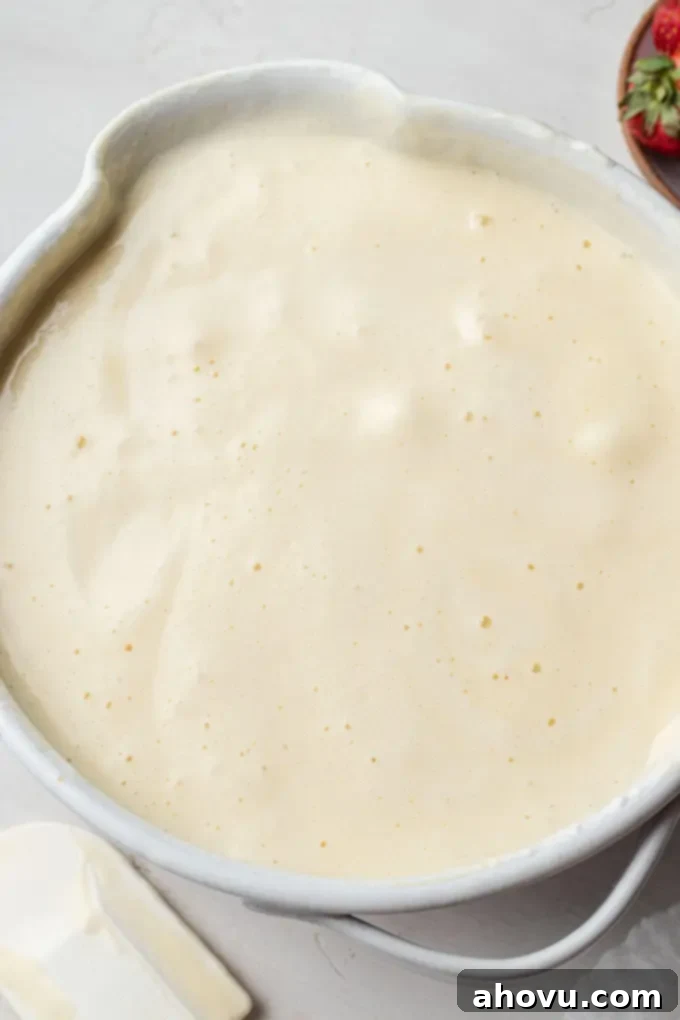
- Gently Fold the Egg Whites into the Batter: This is the most delicate and crucial step. First, take about one-quarter of the whipped egg whites and fold them gently into the main batter. This step, often called “lightening the batter,” helps to loosen the thick batter and makes it easier to incorporate the remaining egg whites without deflating them. Once the first portion is mostly combined, gently fold in the remaining whipped egg whites in two additions. Use a large rubber spatula and a cut-and-fold motion, bringing the batter from the bottom of the bowl up and over the egg whites, rotating the bowl as you go. Be very careful not to overwork the mixture, as you want to preserve as much of the air in the egg whites as possible; this air is what gives chiffon cake its incredible lift and lightness.
- Prepare for Baking: Carefully pour the aerated cake batter into an ungreased 10-inch tube pan. It is essential that the pan remains ungreased! The batter needs to cling to the sides of the pan as it rises to achieve its impressive height and maintain its structure. If using a pan with a removable bottom, ensure it’s securely latched. Gently run a knife or thin skewer through the batter in a zig-zag motion to release any large air pockets, then gently smooth the top surface into an even layer.
- Bake to Golden Perfection: Transfer the tube pan to the preheated oven. Bake for 55 to 65 minutes, or until a wooden skewer or toothpick inserted into the center of the cake comes out clean. The top should be golden brown and spring back lightly when touched. If the top starts to brown too quickly before the cake is fully baked, you can loosely tent it with aluminum foil for the last 10-15 minutes of baking.
- Cooling the Chiffon Cake Correctly: As soon as the cake is removed from the oven, immediately invert the entire tube pan onto a wire cooling rack. Many tube pans come with small “feet” for this purpose. If yours doesn’t, you can invert it over the neck of a bottle. This critical step prevents the delicate, newly risen cake from collapsing under its own weight as it cools. Allow the cake to cool completely, upside down in the pan, for at least 2 to 3 hours, or until it reaches room temperature. Only once it’s fully cooled will it be stable enough to remove from the pan.
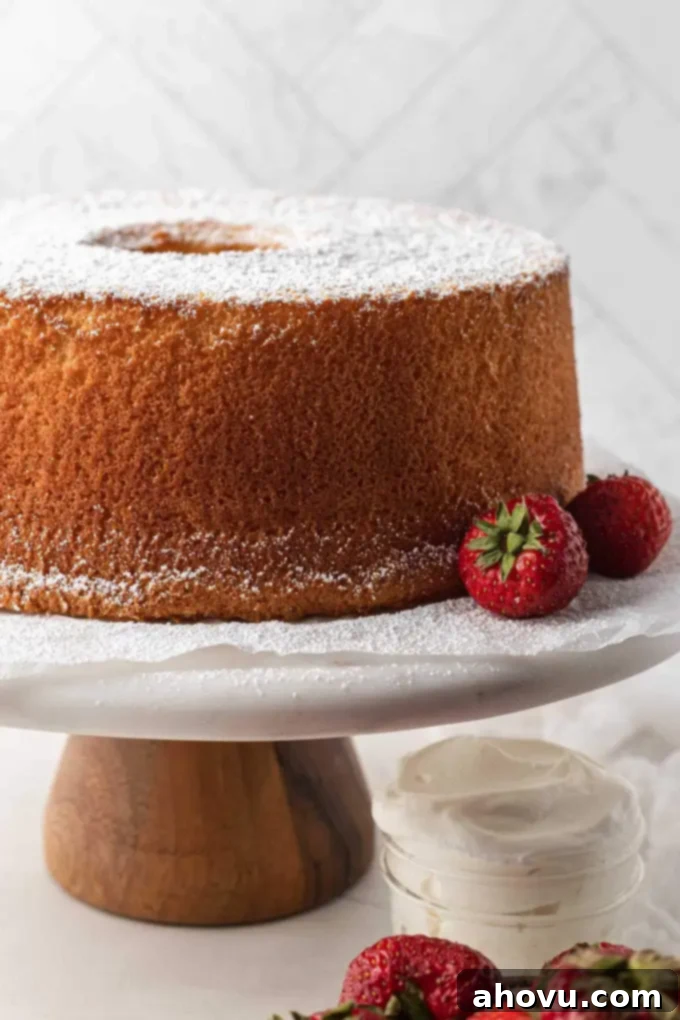
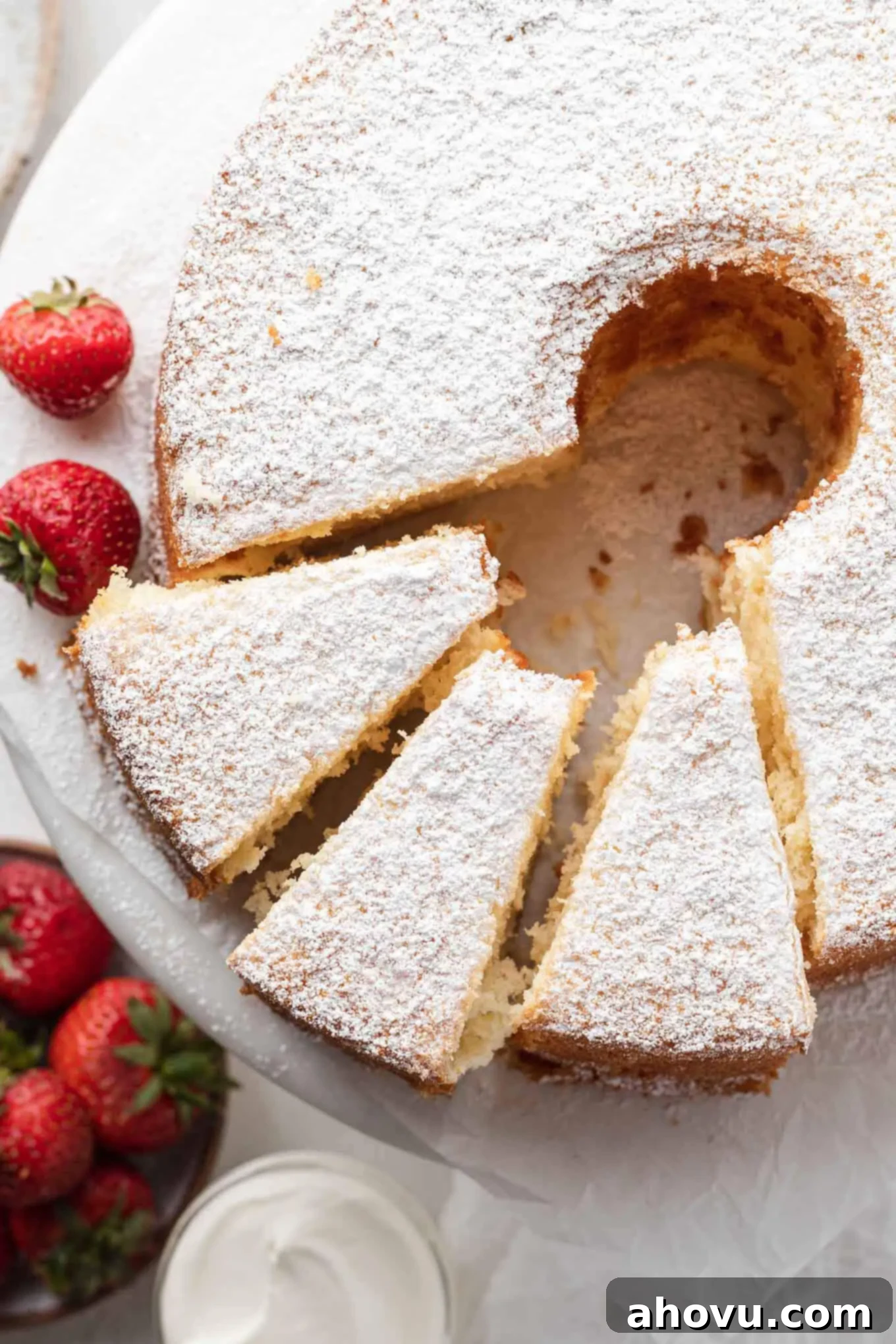
- Remove and Serve: Once completely cool, carefully run a thin offset spatula or a sharp knife around the outer and inner edges of the pan to loosen the cake. If your pan has a removable bottom, push up from the bottom to release the cake. Then, run the spatula or knife between the cake and the bottom of the pan to fully detach it. Invert the cake onto a serving plate. Finish your vanilla chiffon cake with a generous dusting of powdered sugar, and serve individual slices with a dollop of whipped cream and an assortment of fresh berries like strawberries, raspberries, or blueberries for a truly elegant presentation.
Frequently Asked Questions About Chiffon Cake
Absolutely! Chiffon cake freezes beautifully, making it an excellent dessert to prepare in advance. Once your chiffon cake has cooled completely to room temperature, you can wrap the entire cake or individual slices tightly with plastic wrap, followed by a layer of aluminum foil, or place them in a large freezer-safe bag. It can be stored in the freezer for up to 3 months without compromising its texture or flavor.
When you’re ready to enjoy the cake, simply transfer it from the freezer to the counter and let it thaw to room temperature, which typically takes a few hours. For best results, allow it to thaw unwrapped on a wire rack to prevent condensation from making it soggy.
This is one of the most critical rules for baking chiffon and angel food cakes. Similar to angel food cake, chiffon cake batter rises significantly in the oven, primarily relying on the structure provided by whipped egg whites. As the cake bakes and expands, the batter needs to cling to the sides of the ungreased tube pan. This adhesion allows the cake to climb up the sides of the pan, achieving its impressive height and maintaining its airy structure.
If you grease the tube pan, the batter will have nothing to stick to, making it unable to climb properly. The result will be a cake that collapses or deflates after being taken out of the oven, losing its signature light and fluffy texture.
A collapsed or deflated chiffon cake can be disheartening, but it’s a common issue with a few identifiable causes. Understanding these can help you avoid it next time:
- Under-Beaten Egg Whites: The egg whites are the primary source of lift. If they weren’t beaten to stiff peaks (meaning they couldn’t hold their shape firmly), they won’t provide enough structure to support the cake, leading to an unstable and collapsed crumb.
- Greased Pan or Non-Stick Pan: As mentioned, chiffon cake needs to cling to the sides of an ungreased tube pan to rise and hold its shape. Using a non-stick pan or greasing a standard pan will prevent this adhesion, causing the cake to fall in on itself.
- Not Inverting the Pan Soon Enough: Immediately after taking the cake out of the oven, it must be inverted onto a wire rack. This allows the cake to cool slowly while gravity helps to prevent it from sinking or collapsing. If left upright, the tender, hot structure is too weak to support itself.
- Underbaked Cake: An underbaked cake lacks the internal structure to hold its shape once removed from the oven. Even if you follow all other steps correctly, an underbaked center will cause the cake to sink. Always test the cake with a skewer or toothpick inserted into the center; it should come out clean, with no wet batter or moist crumbs. If it’s browning too fast, tent with foil.
- Overfolding the Egg Whites: Once the whipped egg whites are incorporated, gentle folding is key. Aggressive or excessive folding can deflate the air out of the egg whites, reducing the cake’s potential volume and leading to collapse.
Expert Tips for Chiffon Cake Success
Achieving a perfect, cloud-like chiffon cake might seem daunting, but with these expert tips, you’ll master this elegant dessert in no time:
- Room Temperature Eggs are a Must: For optimal volume and stability when whipping egg whites, it’s crucial to use eggs that are at room temperature. If you forgot to take them out in advance, simply place them in a bowl of warm (not hot!) water for 5 to 10 minutes. Cold egg whites won’t whip up as high or hold their peaks as well.
- Ensure Your Bowls are Spotless: Any trace of grease or egg yolk in the bowl or on your whisk can prevent egg whites from whipping up properly. Use a clean, dry metal or glass bowl (plastic bowls can retain grease) and a clean whisk. You can even wipe the bowl and whisk with a lemon wedge or white vinegar to ensure they are perfectly clean.
- Gentle Folding is Key: Once your egg whites are perfectly stiff, the goal is to incorporate them into the batter without deflating all that precious air. Use a large rubber spatula and a gentle, ‘cut and fold’ motion. This involves cutting down through the center of the batter, scraping along the bottom of the bowl, and folding the mixture back over the top. Rotate the bowl as you go. Work quickly but carefully until just combined – a few small streaks of white are better than overmixing.
- Never Grease Your Tube Pan: This cannot be stressed enough! Chiffon cake batter needs to cling to the sides of the ungreased tube pan to climb and rise tall. Greasing the pan will cause the batter to slip, resulting in a short, dense, and collapsed cake. Stick with a traditional aluminum tube pan, preferably with a removable bottom and small feet for inverted cooling.
- Don’t Open the Oven Door Prematurely: Resist the temptation to peek at your cake too early in the baking process. Sudden temperature drops can cause the delicate structure of the rising cake to fall. Wait until at least three-quarters of the estimated baking time has passed before opening the oven door, and even then, do so quickly.
- Cool Upside Down, Always: The moment your chiffon cake comes out of the oven, it must be inverted. If your tube pan has feet, use them. Otherwise, invert the pan over a bottle neck. This allows the cake to cool gradually without collapsing under its own weight, ensuring its light, airy texture is preserved. Do not attempt to remove the cake from the pan until it is completely cooled, typically 2-3 hours.
Recipe Video: Watch the Magic Unfold!
Chiffon Cake
Pin Recipe
SaveSaved!
Leave a Review
Ingredients
- 2 cups cake flour spooned & leveled (230 grams)
- 1 ½ cups granulated sugar (300 grams)
- 1 tablespoon baking powder
- ½ teaspoon salt
- 6 large eggs separated and at room temperature
- ¾ cup whole milk at room temperature (180 ml)
- ½ cup vegetable or canola oil (120 ml)
- 2 teaspoons vanilla extract
- ½ teaspoon almond extract
- ½ teaspoon cream of tartar
Instructions
-
Preheat the oven to 325°F (163°C). Ensure your oven rack is in the middle position for even baking.
-
In a large mixing bowl, meticulously sift together the cake flour, granulated sugar, baking powder, and salt. Sifting helps to aerate the dry ingredients and removes any lumps, ensuring a uniform batter. Set this bowl aside.
-
In another large mixing bowl, whisk together the egg yolks (making sure the egg whites are separated and reserved for a later step), whole milk, vegetable or canola oil, vanilla extract, and almond extract. Whisk by hand for 1 to 2 minutes, ensuring all ingredients are thoroughly combined and smooth.
-
Pour the wet ingredients into the dry ingredients. Whisk until they are just combined, being careful not to overmix. Overmixing can develop gluten, leading to a tougher cake. Set this batter aside while you prepare the egg whites.
-
In a completely clean bowl of an electric stand mixer fitted with a whisk attachment, or using a large mixing bowl with a handheld mixer, combine the room-temperature egg whites and cream of tartar. Beat on medium-low speed until the mixture becomes foamy and bubbly.
-
Increase the mixer speed to medium-high and continue beating the egg whites until stiff, glossy peaks form. The peaks should hold their shape when the whisk is lifted. Do not beat beyond stiff peaks, as this can cause them to become dry and break.
-
Gently fold ¼ of the whipped egg whites into the main batter. This initial folding helps to lighten the denser batter, making it easier to incorporate the rest of the whites without deflating them. Continue to gently fold in the remaining whipped egg whites in two additions until just combined. Be extremely gentle to preserve the air in the egg whites, which gives the chiffon cake its signature lightness.
-
Carefully pour the delicate batter into an ungreased 10-inch tube pan (preferably one with a removable bottom). The ungreased surface is crucial for the cake to cling to as it rises. Gently cut a knife or thin skewer through the batter in a zig-zag motion to release any large air pockets, then smooth the top into an even layer.
-
Bake for 55 to 65 minutes, or until a wooden toothpick inserted into the center of the cake comes out clean. If the top of the cake starts to brown too much before it’s fully cooked, loosely tent it with aluminum foil for the remaining baking time.
-
Immediately upon removing the cake from the oven, invert the entire cake pan over a wire rack. Many tube pans have small feet for this purpose. If yours doesn’t, you can invert it over the neck of a sturdy bottle. Allow the cake to cool completely in the inverted pan, which usually takes about 2 to 3 hours, to prevent it from collapsing.
-
Once the cake has fully cooled (approximately 2 to 3 hours), carefully run a thin offset spatula or a sharp knife around both the outer and inner edges of the pan to loosen the cake. If you have a pan with a removable bottom, gently push up from the bottom to release the cake. Then, use a butter knife or angled spatula to help separate the cake from the bottom piece of the pan. Turn the cake out onto a serving plate.
-
Serve your magnificent chiffon cake with a delicate dusting of confectioners’ sugar, or elevate it further with a dollop of fresh whipped cream and an assortment of seasonal berries like strawberries, blueberries, or raspberries. Enjoy!
Notes
Freezing Instructions: This cake freezes exceptionally well for up to 3 months. For best results, wrap the cooled cake (whole or in slices) tightly with plastic wrap, then again with aluminum foil, and place it in a large freezer-safe bag or container. To thaw, simply place it in the refrigerator overnight or allow it to sit at room temperature for several hours until fully defrosted.