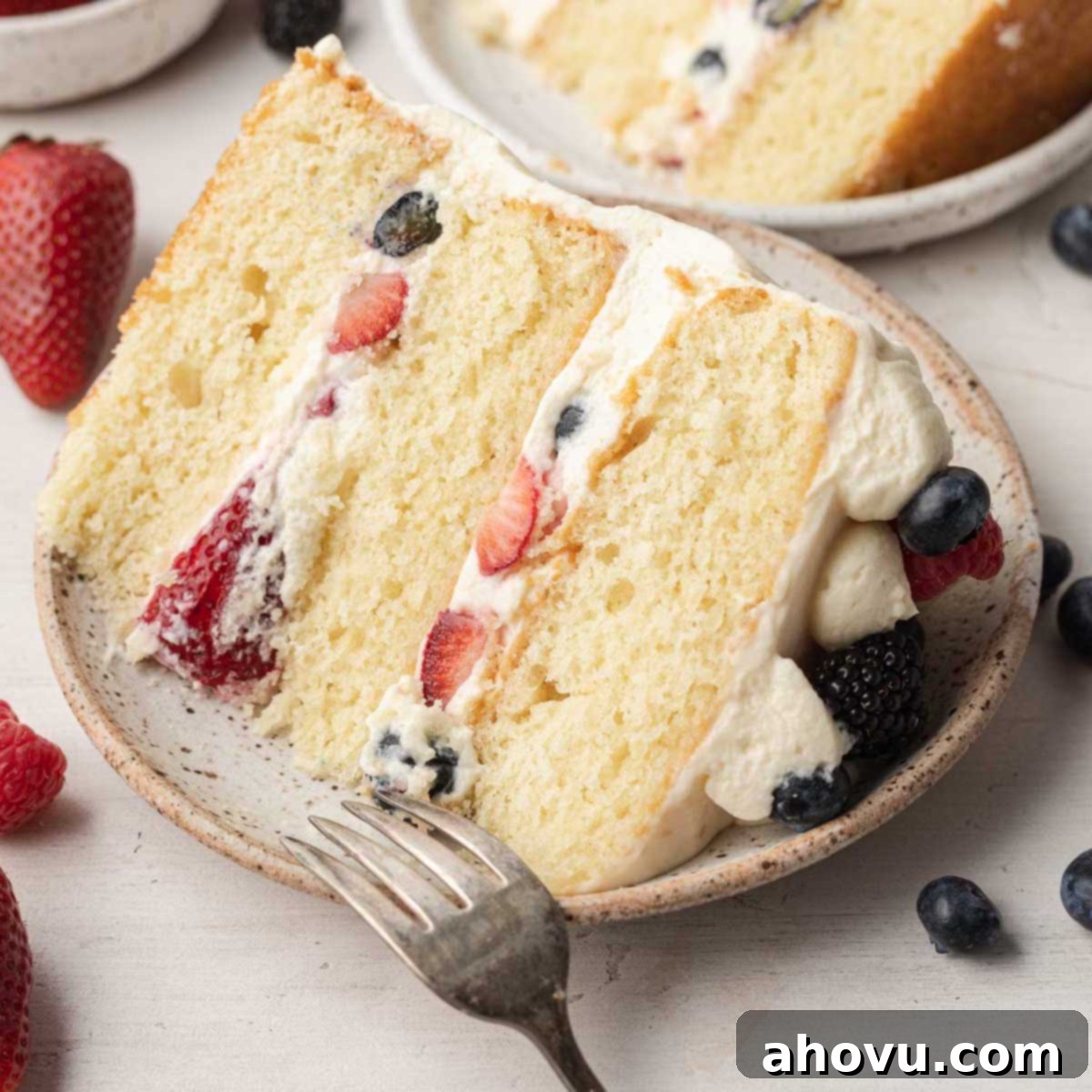
Elegant Chantilly Cake with Fresh Berries: The Ultimate Vanilla Mascarpone Delight
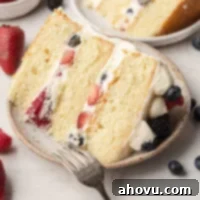
Indulge in the exquisite flavor of this classic Chantilly cake, featuring fluffy vanilla cake layers, a rich and creamy mascarpone-cream cheese frosting, and a vibrant medley of fresh seasonal berries. This show-stopping dessert is perfect for spring and summer celebrations, or any occasion that calls for a truly elegant treat.
This post is sponsored by Danish Creamery. As always, all opinions are mine.
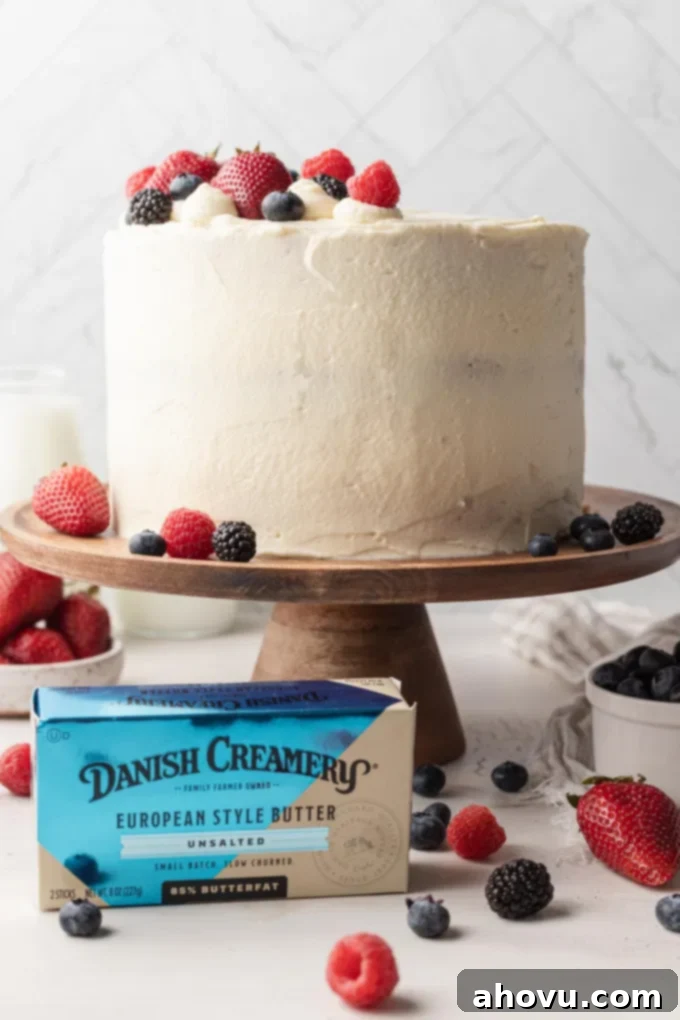
What Defines a Chantilly Cake?
Chantilly cake, a beloved dessert, especially prevalent in the Southern United States, is far more than just a simple layer cake. It’s an experience of contrasting yet harmonious textures and flavors. At its heart, it combines delicate vanilla cake layers with an incredibly rich, yet surprisingly light, Chantilly frosting, all brought to life with an abundance of fresh, juicy berries. While the name “Chantilly” in French traditionally refers to sweetened whipped cream, the American adaptation takes this concept to a new level, incorporating a luxurious blend of mascarpone and cream cheese into the whipped cream base. This creates a frosting that is both tangy and sweet, remarkably stable, and sumptuously creamy without being overly heavy.
This particular rendition of Chantilly cake elevates the classic by ensuring each element contributes to an unforgettable taste. The vanilla cake provides a tender, moist foundation, while the unique frosting offers a delightful counterpoint with its subtle tang and opulent mouthfeel. When berries are in season, their natural sweetness and slight tartness burst through the creamy layers, making this cake an absolute standout. It’s a dessert that not only looks impressive but truly delivers on flavor, making it a favorite for family gatherings, garden parties, or any festive event where you want to impress your guests with a homemade masterpiece.
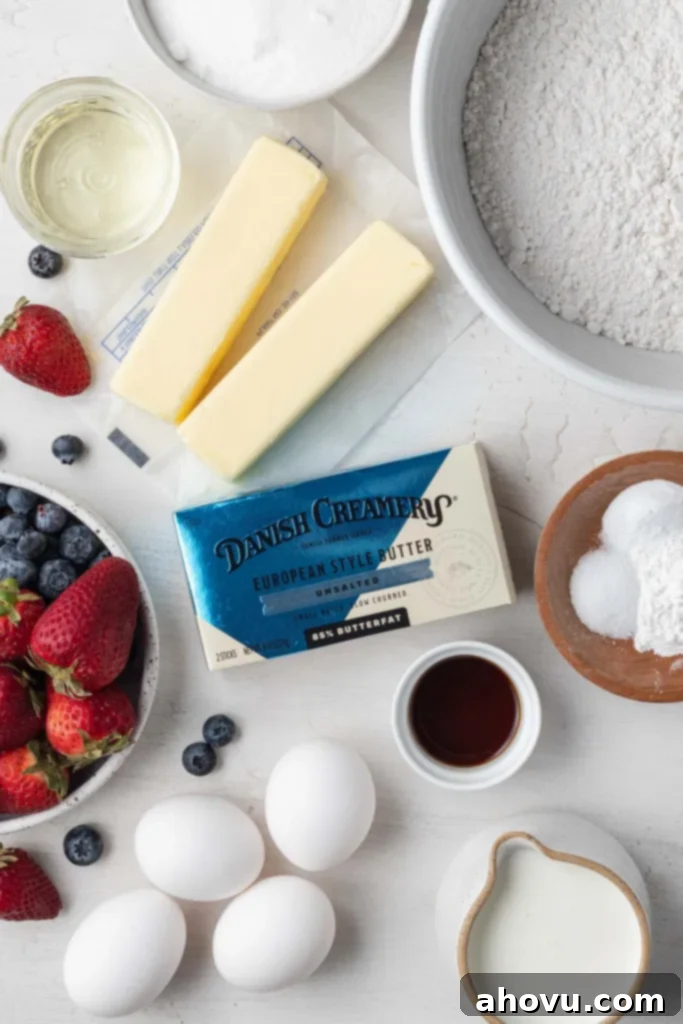
Essential Ingredients for Your Chantilly Berry Cake
Crafting this Chantilly berry cake involves three distinct yet perfectly complementary components: the moist vanilla cake layers, the signature Chantilly frosting, and the vibrant fresh fruit filling. While the complete list is available in the recipe card below, let’s highlight some star ingredients and why they are crucial to achieving the cake’s signature taste and texture.
- Almond Extract: This optional but highly recommended ingredient adds a subtle, delicate almond undertone to both the cake and the frosting. This nutty hint beautifully complements the sweetness of the vanilla and the tartness of the fresh berries, adding an extra layer of complexity that truly elevates the flavor profile. Don’t skip it if you want that classic Chantilly taste!
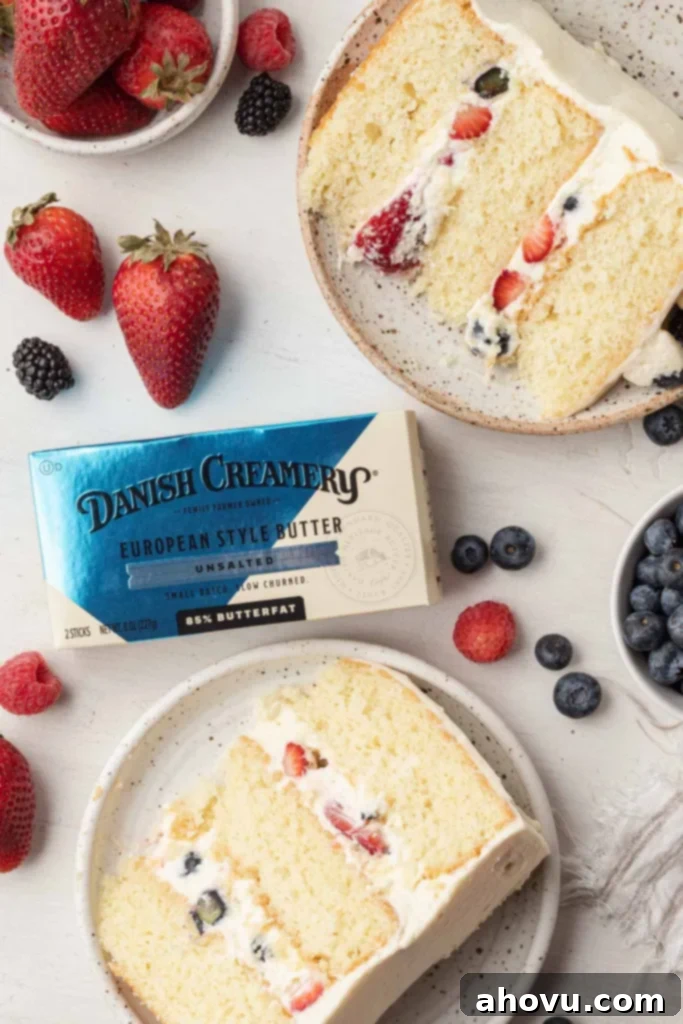
- Danish Creamery European Style Unsalted Butter: For superior baking results, the quality of your butter truly matters. Danish Creamery’s European-style butter is my go-to choice, and for good reason. It boasts an impressive 85% butterfat content, which is notably higher than many other European-style butters (typically 82-83%). This higher butterfat means less water, resulting in richer flavor, a more tender crumb in the cake, and a silkier, more stable frosting. Its slow-churned process also contributes to its exquisite taste and texture, making it ideal for creating luxurious baked goods.
- Cake Flour: The secret to light and airy cake layers lies in using cake flour. Unlike all-purpose flour, cake flour has a lower protein content, which reduces gluten development. This results in a cake with a much softer, finer, and more tender crumb, giving it that melt-in-your-mouth quality that is characteristic of a truly exceptional layer cake.
- Buttermilk: Buttermilk is a magic ingredient for moist and tender cakes. Its acidity reacts with the baking soda, creating air pockets that contribute to the cake’s lift and ultra-soft texture. Beyond its leavening properties, buttermilk also adds a subtle tang that balances the sweetness of the cake, enhancing its overall flavor and ensuring a wonderfully moist crumb that stays fresh longer.
- Mascarpone and Cream Cheese: The Chantilly frosting’s unique richness and fluffy texture come from the harmonious blend of mascarpone and cream cheese. Mascarpone, an Italian cream cheese, provides unparalleled richness and a smooth, luxurious mouthfeel, while cream cheese contributes a delightful tang and helps stabilize the frosting. Using both together creates a frosting that is incredibly decadent yet light, perfectly balanced, and holds its shape beautifully. Do not substitute one for the other if you want to achieve the authentic Chantilly frosting experience.
- Granulated Sugar: Essential for sweetness and structure in the cake, and for a balanced flavor.
- Eggs: Provide structure, richness, and moisture to the cake layers, as well as contributing to their golden color.
- Heavy Whipping Cream: The base for the “Chantilly” aspect of the frosting, whipped to stiff peaks for lightness and volume.
- Powdered Sugar: Used in the frosting for sweetness and a smooth, lump-free texture.
- Fresh Berries: The crowning glory of this cake! A mix of fresh strawberries and blueberries are used between the layers, providing bursts of juicy flavor and vibrant color. These also serve as an elegant garnish.
Baking the Perfect Chantilly Cake: A Step-by-Step Guide
While this Chantilly cake recipe yields an incredibly impressive result, the process itself is straightforward and enjoyable. Here’s a detailed overview of how to achieve those tender vanilla cake layers and the lusciously smooth Chantilly frosting.
Creating the Vanilla Cake Layers
The foundation of this cake is a moist and fluffy vanilla sponge. Proper preparation and attention to detail are key here.
- Prepare Your Pans: Begin by preheating your oven to 350ºF (175°C). This ensures a consistent baking temperature from the start. For even baking and easy release, generously spray three 8-inch round cake pans with non-stick cooking spray, then line the bottoms with parchment paper. This parchment barrier is crucial for preventing sticking and ensuring perfectly flat bottoms.
- Combine Dry Ingredients: In a large mixing bowl, thoroughly whisk together the cake flour, baking powder, baking soda, and salt. Whisking ensures these ingredients are evenly distributed, which is vital for a uniform rise and texture in your cake. Set this aside.
- Mix Wet Ingredients (excluding butter and eggs): In a separate bowl or a large measuring cup, whisk together the room temperature buttermilk, oil, pure vanilla extract, and the optional almond extract until well combined. Having your wet ingredients at room temperature helps them emulsify better and integrate smoothly into the batter.
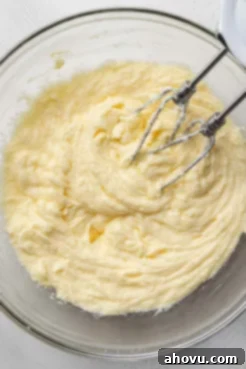
- Cream Butter and Sugars: In the bowl of a stand mixer fitted with the paddle attachment (or using a handheld mixer), beat the softened Danish Creamery unsalted butter on low speed until it’s smooth. Gradually add the granulated sugar, continuing to beat until fully incorporated. Then, increase the speed to medium-high and cream the butter and sugar mixture for about 4-5 minutes. This step is crucial: you want the mixture to become light in color and fluffy, almost aerated. This process incorporates air, which contributes significantly to the cake’s tender texture.
- Incorporate Eggs: Add the large room temperature eggs one at a time to the butter mixture, beating well after each addition until fully incorporated. It’s important to scrape down the sides and bottom of the bowl after every couple of eggs to ensure everything is evenly mixed and there are no pockets of unmixed ingredients.
- Finish the Batter: Now, you’ll add the dry ingredients and the buttermilk mixture in alternating additions. Begin and end with the dry ingredients, adding them in three parts. Add a third of the dry mixture, mix on low speed until just combined, then add half of the buttermilk mixture, mix until just combined, and repeat. Be careful not to overmix the batter at this stage, as overmixing can develop too much gluten from the flour, leading to a tough cake. A rubber spatula can be used to gently scrape around the bottom and sides of the bowl to ensure a well-combined batter without overworking it.
- Bake to Perfection: Divide the prepared cake batter evenly among your three lined and greased 8-inch cake pans. Spread the batter gently to create an even layer. Bake for 25 to 30 minutes, or until a wooden skewer or toothpick inserted into the center of the cakes comes out clean.
- Cooling the Layers: Once baked, remove the cakes from the oven and let them cool in their pans on a wire rack for about 20 minutes. This allows the cakes to set properly before handling. After 20 minutes, run a knife gently around the edges of the pans, then carefully invert the cakes onto the wire rack to cool completely. Ensure they are fully cooled before frosting to prevent your frosting from melting.
Preparing the Luxurious Chantilly Frosting
While your cake layers are cooling, you can turn your attention to the star of the show: the Chantilly frosting. This rich, yet airy, frosting is what truly defines this cake.
- Whip the Heavy Cream: The first step is to whip your very cold heavy whipping cream until stiff peaks form. Using a stand mixer with a whisk attachment is ideal for this. Start on low speed, then gradually increase to medium-high. Watch carefully; you want firm peaks that hold their shape, but be extremely cautious not to over-whip, as heavy cream can quickly turn grainy or even into butter. Once achieved, immediately transfer the whipped cream to the refrigerator to keep it chilled and stable while you prepare the rest of the frosting.
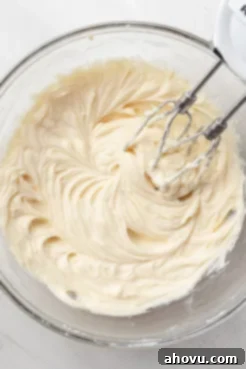
- Combine Cheeses and Sweeteners: In a separate large mixing bowl, beat the softened brick-style cream cheese until it’s perfectly smooth and free of lumps. Then, add the cool (but not cold) mascarpone, powdered sugar, vanilla extract, and the optional almond extract. Mix on low speed until just combined. Overmixing the mascarpone can cause it to separate and become watery, so mix only until smooth and well-integrated. Scrape down the sides of the bowl as needed to ensure everything is thoroughly mixed.
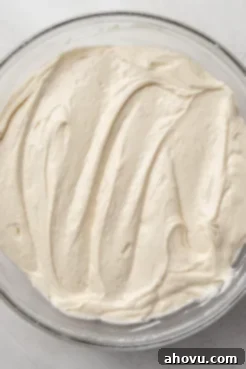
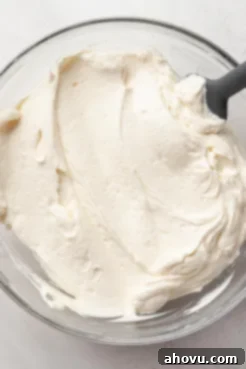
- Gently Fold in Whipped Cream: Retrieve the chilled whipped cream from the refrigerator. Using a rubber spatula, gently fold about a third of the whipped cream into the cream cheese and mascarpone mixture. This lightens the base without deflating the whipped cream. Then, carefully fold in the remaining whipped cream until the frosting is light, airy, and evenly combined. The key here is gentle folding to maintain the volume and fluffy texture of the frosting. If necessary, you can use your mixer on the lowest speed for just a few seconds to assist in the final folding, but manual folding is preferred.
Assembling Your Stunning Chantilly Cake
The assembly process is where your hard work truly comes together to create a visual and culinary masterpiece. The key to a stable and beautiful Chantilly cake is to carefully sandwich the cake layers with generous amounts of frosting and fresh berries. The frosting acts as an anchor for the fruit, ensuring everything stays in place.
- Prepare Cake Layers: Start by ensuring your cake layers are completely cool. Use a sharp serrated knife or a cake leveler to gently level the tops of each cake layer. This creates flat surfaces, allowing your cake to stack evenly and look professional.
- Secure the First Layer: To prevent your cake from sliding during assembly and serving, dollop about a tablespoon of Chantilly frosting into the center of your cake stand or cardboard cake round. Place the first leveled cake layer firmly on top of this frosting base.
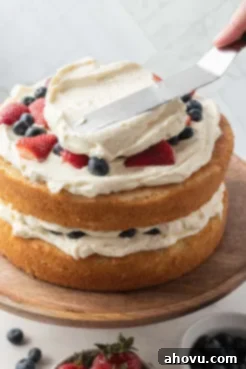
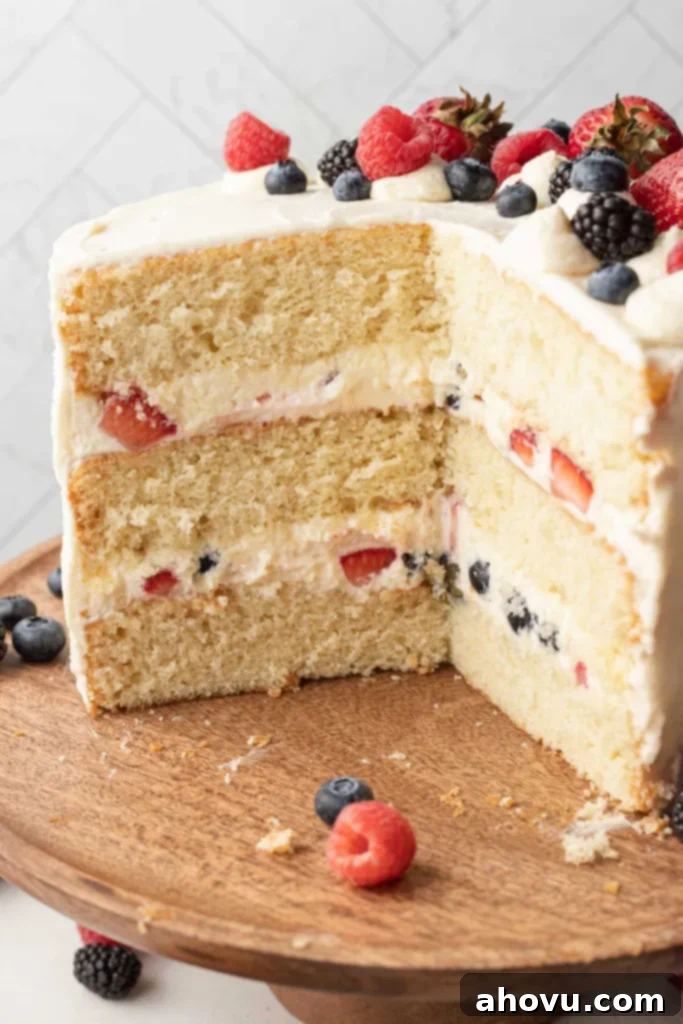
- First Berry and Frosting Layer: Scoop approximately 1/2 cup of the prepared Chantilly frosting onto the first cake layer. Using an offset spatula or the back of a spoon, spread it evenly across the entire surface. Arrange half of your quartered fresh strawberries and half of your fresh blueberries neatly over the frosting. Gently press the berries down slightly into the frosting to help them adhere. Then, carefully spread another generous scoop (a little over 1/2 cup) of frosting over the berries, ensuring they are mostly covered. This layer of frosting on top of the berries is crucial for holding the next cake layer securely.
- Second Berry and Frosting Layer: Place the second cake layer, upside down (this often creates a flatter top), directly on top of the frosted first layer. Repeat the frosting and berry process: spread about 1/2 cup of frosting, arrange the remaining strawberries and blueberries, gently press them in, and then top with a final scoop of frosting (a little over 1/2 cup), spreading it evenly.
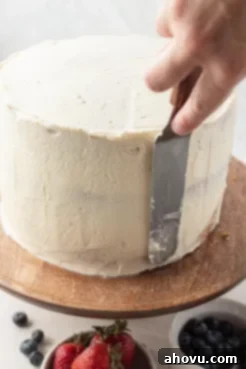
- Third Layer and Crumb Coat: Carefully place the third cake layer, also upside down, on top of the second frosted layer. At this point, it’s time for the crumb coat. Take a small amount of frosting and apply a thin, even layer all over the top and sides of the entire cake. This initial thin layer seals in any loose crumbs, preventing them from mixing into your final frosting coat. If your kitchen is warm or the cake feels soft, you can chill the cake in the refrigerator for about 15-20 minutes after the crumb coat to firm it up.
- Final Frosting and Garnish: Once the crumb coat is set (or after chilling), use the remaining Chantilly frosting to generously frost the top and sides of the cake. Use an offset spatula or bench scraper to create smooth, even sides and a flat top. For an extra decorative touch, if you plan to pipe details, set aside about 1 ½ cups of frosting before frosting the entire cake.
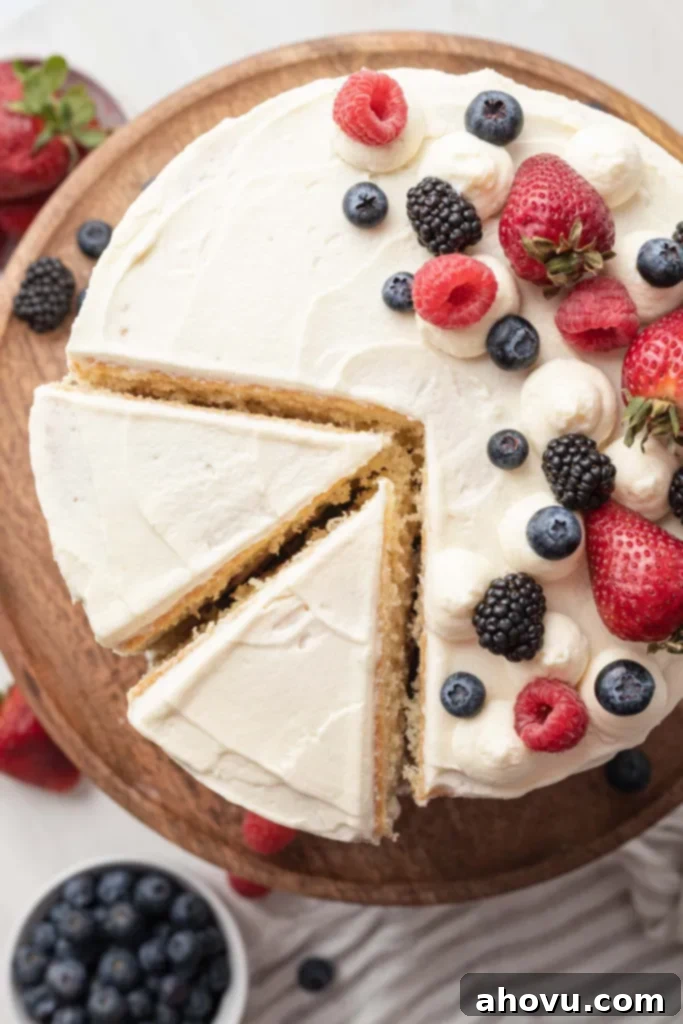
- Garnish with Fresh Berries: For a truly show-stopping presentation, garnish the top of your cake with a beautiful arrangement of fresh berries. I love using a colorful mix of whole strawberries, blueberries, blackberries, and raspberries to highlight the season’s best and add visual appeal.
- Chill Before Serving: Refrigerate the assembled cake for at least an hour before serving to allow the frosting to firm up and the flavors to meld beautifully.
Planning Ahead: Making and Storing Your Chantilly Cake
Can This Recipe Be Made in Advance?
Yes, you can certainly prepare components of this elegant Chantilly cake in advance to make your assembly day smoother. The vanilla cake layers are quite forgiving and can be baked one to two days before you plan to assemble the cake. Once they are completely cooled, wrap each cake layer tightly in plastic wrap (and then optionally in aluminum foil) and store them in the refrigerator. This helps lock in moisture and flavor. You can even freeze the wrapped cake layers for up to a month, thawing them in the refrigerator overnight before use.
However, I strongly recommend assembling the entire cake no more than one day before you intend to serve it. The fresh berries, while delightful, will naturally soften and release juices over time, which can affect the cake’s texture and appearance if assembled too far in advance. For the freshest taste and best presentation, assemble the cake the day before or the morning of your event.
Does Chantilly Cake Need To Be Refrigerated?
Absolutely! Due to the presence of fresh dairy products—specifically cream cheese, mascarpone, and heavy whipping cream in the luscious Chantilly frosting—this cake must be refrigerated. These ingredients are perishable and require cool temperatures to maintain their stability, texture, and food safety. Storing the cake in an airtight container in the refrigerator will keep it fresh and delicious for 3 to 4 days. Allowing it to come to room temperature for about 15-20 minutes before serving can enhance the frosting’s creaminess and flavor.
Helpful Recipe Substitutions for Your Chantilly Cream Cake
While this Chantilly cream cake recipe is carefully balanced for optimal flavor and texture, there are a few practical substitutions you can make if certain ingredients aren’t readily available or if you have dietary preferences:
- Cake Flour: If you don’t have cake flour on hand, don’t worry! You can easily make a homemade cake flour substitute. For every cup of cake flour needed, measure out 1 cup of all-purpose flour, remove 2 tablespoons, and then replace those 2 tablespoons with cornstarch. Sift this mixture together thoroughly. This helps to mimic the lower protein content of commercial cake flour.
- Buttermilk: No buttermilk in the fridge? No problem! You can quickly make a buttermilk substitute at home. For every cup of buttermilk required, pour 1 tablespoon of lemon juice or white vinegar into a liquid measuring cup, then fill the rest of the way to the 1-cup line with regular milk (dairy or non-dairy). Let it sit for 5-10 minutes until it slightly curdles before using.
- Butter: For the absolute best results in both the cake and frosting, I highly recommend using Danish Creamery’s European-Style Unsalted Butter. Its high butterfat content (85%) and slow-churned process contribute to a superior richness and tenderness. However, if you only have salted butter available, you can still use it! Simply omit the additional 1/2 teaspoon of salt called for in the cake batter to avoid an overly salty flavor.
- Almond Extract: The almond extract adds a lovely, subtle flavor that pairs beautifully with the berries. However, if you’re not a fan of almond flavor or don’t have it, it can be entirely omitted from both the cake and frosting without compromising the recipe’s integrity. You can also increase the vanilla extract slightly to compensate.
- Berries: This recipe uses fresh blueberries and quartered strawberries between the cake layers, which is a classic combination. However, the beauty of a Chantilly cake is its versatility with fruit. Feel free to experiment with pretty much any fresh berry that’s in season. Raspberries, blackberries, or a mixed berry blend would all be delicious and visually stunning choices. Ensure all berries are fresh, ripe, and gently patted dry before using.
Pro Baking Tips for a Flawless Chantilly Cake
Achieving a bakery-quality Chantilly cake is easier than you think with these expert tips:
- Mascarpone Temperature Matters: Unlike cream cheese which benefits from being fully softened, avoid using room temperature mascarpone. Mascarpone has a tendency to separate and become grainy or even watery if it gets too warm. I typically remove my mascarpone from the fridge only about 20 minutes before I need to use it. It should still feel cool to the touch when you add it to your frosting mixture.
- Handle Mascarpone with Care: Be very careful not to overmix your mascarpone once it’s incorporated into the frosting. Over-mixing can quickly lead to a grainy texture or cause it to “break” and become watery. It’s best to add the mascarpone towards the end of the frosting preparation and mix it in on low speed, only until it’s just combined and smooth.
- Pre-plan for Decorations: If you envision piping decorative borders or intricate designs on your finished cake, it’s wise to set aside about 1 and 1/2 cups of the prepared Chantilly frosting before you start frosting the entire cake. This ensures you have a consistent and ample amount of frosting specifically for your decorative work.
- Room Temperature Ingredients for Cake: Ensure your butter, eggs, and buttermilk for the cake layers are all at proper room temperature. This allows them to emulsify correctly, creating a smooth, homogenous batter that traps air effectively, leading to a lighter and more tender cake.
- Don’t Overmix the Cake Batter: After adding the dry ingredients and buttermilk in alternating additions, mix only until just combined. Overmixing develops gluten, which can lead to a dense, tough cake.
- Cool Cakes Completely: Resist the temptation to frost warm cake layers! Even slightly warm cakes will melt your delicate Chantilly frosting, leading to a messy, unstable cake. Allow the layers to cool completely on a wire rack before you even think about the frosting.
- The Importance of a Crumb Coat: Don’t skip the crumb coat! A thin initial layer of frosting applied to the cake helps to trap any loose crumbs, preventing them from mixing into your final, pristine layer of frosting. This step is crucial for a smooth, professional finish.
More Delicious Berry Desserts You’ll Love:
- Lemon Blueberry Bread
- Strawberry Cake
- Blackberry Cobbler
- Strawberry Shortcakes
- Lemon Blueberry Bundt Cake
Recipe Video
Chantilly Cake
Pin Recipe
SaveSaved!
Leave a Review
Ingredients
Vanilla Cake
- 3 cups cake flour spooned & leveled (345 grams)
- 2 teaspoons baking powder
- ½ teaspoon baking soda
- ½ teaspoon salt
- 1 cup buttermilk at room temperature (240 ml)
- ¼ cup canola or vegetable oil (60 ml)
- 1 tablespoon pure vanilla extract
- ½ teaspoon pure almond extract optional
- 1 cup Danish Creamery unsalted butter softened (2 sticks; 230 grams)
- 2 cups granulated sugar (400 grams)
- 4 large eggs at room temperature
Chantilly Frosting
- 2 cups cold heavy whipping cream (480 ml)
- 8 ounces brick-style cream cheese softened (226 grams)
- 8 ounces mascarpone cool but not cold, remove it from the refrigerator about 20 minutes beforehand (226 grams)
- 2 cups powdered sugar (240 grams)
- 1 ½ teaspoons pure vanilla extract
- ¼ teaspoon almond extract optional
Fruit Filling
- 1 cup fresh quartered strawberries stems removed
- 1 cup fresh blueberries
- Optional topping: Fresh strawberries, blueberries, blackberries, or raspberries
Instructions
-
To make the vanilla cake: Preheat the oven to 350°F (180°C). Spray three 8-inch round cake pans with nonstick cooking spray, line the bottom of the pans with parchment paper (this will prevent your cakes from sticking), and set aside.
-
In a large mixing bowl, whisk the cake flour, baking powder, baking soda, and salt together until well combined. Set aside.
-
In a large bowl or measuring cup, whisk the buttermilk, oil, vanilla extract, and almond extract together. Set aside.
-
In the bowl of a stand mixer fitted with the paddle attachment or in a large mixing bowl using a handheld mixer, beat the butter on low speed until smooth, then slowly mix in the granulated sugar.
-
Once all of the sugar is added, increase to medium speed and continue mixing for another 4 to 5 minutes or until the butter and sugar is light in color and fluffy.
-
Mix in the eggs, one at a time, making sure to stop and scrape around the bottom and sides of the bowl as needed. I typically stop and scrape my bowl after the first two eggs, then again after the last two eggs.
-
Add the dry ingredients in three additions alternating with the buttermilk mixture (begin and end with the dry ingredients) on low speed. Mix in each addition until just combined, making sure not to over mix the batter.
-
Use a rubber spatula to scrape around the bottom and sides of the bowl to ensure the batter is well combined.
-
Evenly divide the cake batter between the three prepared cake pans and spread it around into one even layer.
-
Bake for 25 to 30 minutes or until a toothpick inserted into the center of the cakes comes out clean. Remove from the oven and allow to cool in the pans for about 20 minutes. Slide a knife around the outside of the cakes, then carefully remove the cakes from the pans, and transfer them to a wire rack to cool completely.
-
To make the chantilly frosting: In the bowl of a stand mixer fitted with the whisk attachment, or in a large mixing bowl using a handheld mixer, add the heavy whipping cream. Start mixing on low speed. Once the mixture starts to increase in volume, increase the speed to medium-high and mix until stiff peaks form. Be careful not to over mix the heavy cream or it can become grainy!
-
Transfer the whipped cream to the refrigerator and let it chill while you mix together the rest of the frosting.
-
In the bowl of a stand mixer fitted with the whisk or paddle attachment, or in a large mixing bowl using a handheld mixer, add the cream cheese and mix on medium speed until smooth. Then, mix in the mascarpone, powdered sugar, vanilla extract, and almond extract on low speed until just combined. If needed, stop and scrape down the sides of your bowl. Avoid over mixing at this step, otherwise the mascarpone can start to separate.
-
Remove the whipped cream from the fridge. Use a rubber spatula to gently fold ⅓ of the whipped cream into the cream cheese/mascarpone mixture until just combined. Then, fold in the remaining whipped cream. If needed, you can use your mixer and mix on the lowest speed to help “fold” in the whipped cream.
-
To assemble the cake: Level the tops of each cake layer with a knife or cake leveler.
-
Add a tablespoon of frosting to the center of a cardboard cake round or a cake stand to help the cake stick to the surface.
-
Place the first layer of cake onto your work surface. Scoop ½ cup of frosting onto the first layer of cake and spread it around into one even layer with an offset spatula or the back of a spoon. Add half of the quartered strawberries and half of the blueberries on top of the frosting and gently press them into it. Top the fresh fruit with another scoop of frosting (a little over ½ cup) and spread it around into one even layer.
-
Place the second cake layer upside down on top of the frosted cake layer. Spread ½ cup of frosting onto the second layer of cake and spread it around into one even layer. Add the remaining half of the quartered strawberries and blueberries on top of the frosting and gently press them into it. Top the fresh fruit with another scoop of frosting (a little over ½ cup) and spread it around evenly.
-
Place the third cake layer upside down on top of the frosted cake layer. Use a small amount of the frosting to apply a crumb coat to the entire outside of the cake. If needed, you can chill the cake at this point for 15 minutes. Use the remaining frosting to frost the top and sides of the cake. If you want to pipe some decorations on top, I suggest setting aside about 1 ½ cups.
-
If desired, place a mixture of fresh fruit on top of the cake. I like to use a mixture of whole strawberries, blueberries, blackberries, and raspberries.
-
Refrigerate until ready to serve.