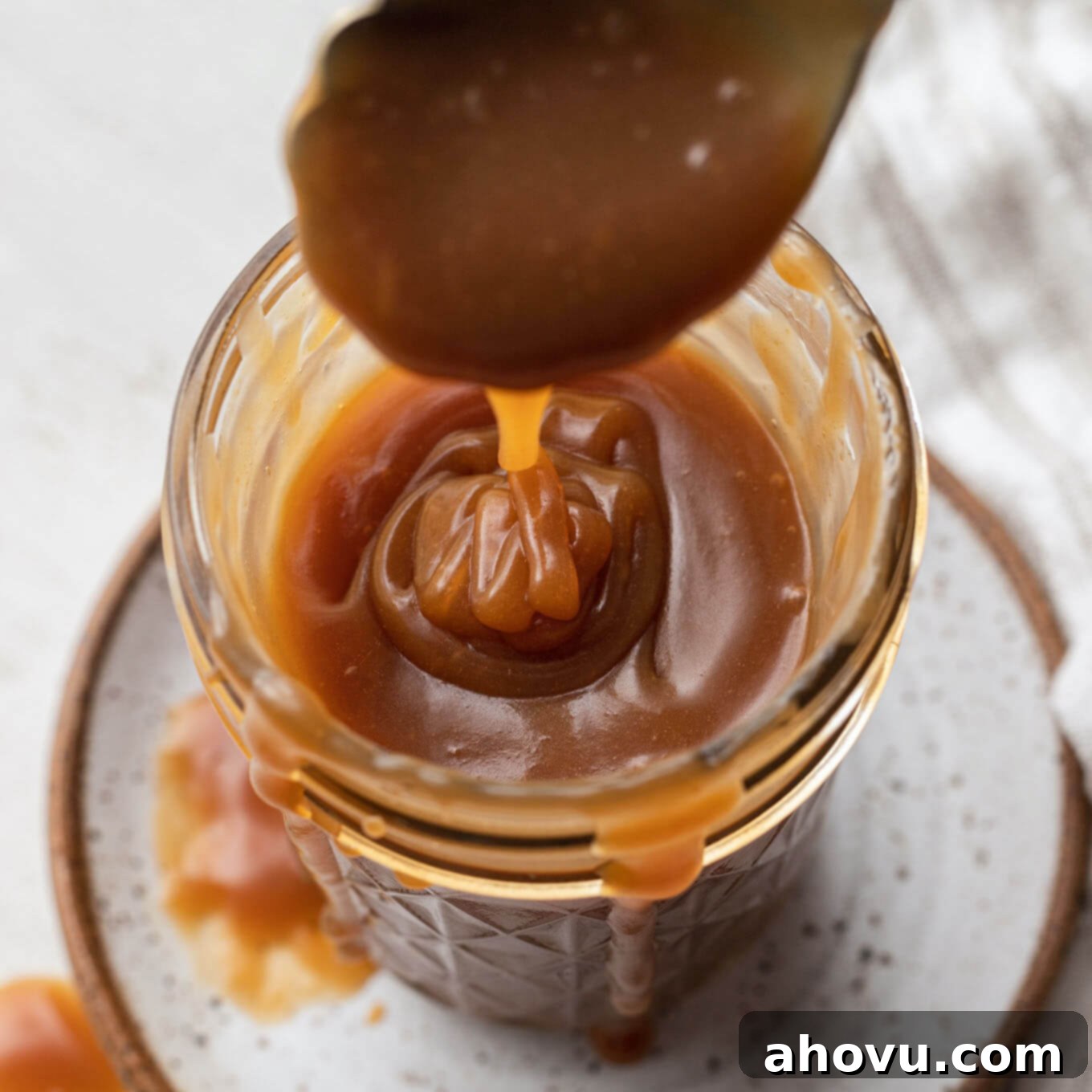
Ultimate Homemade Salted Caramel Sauce: Easy & Foolproof Recipe
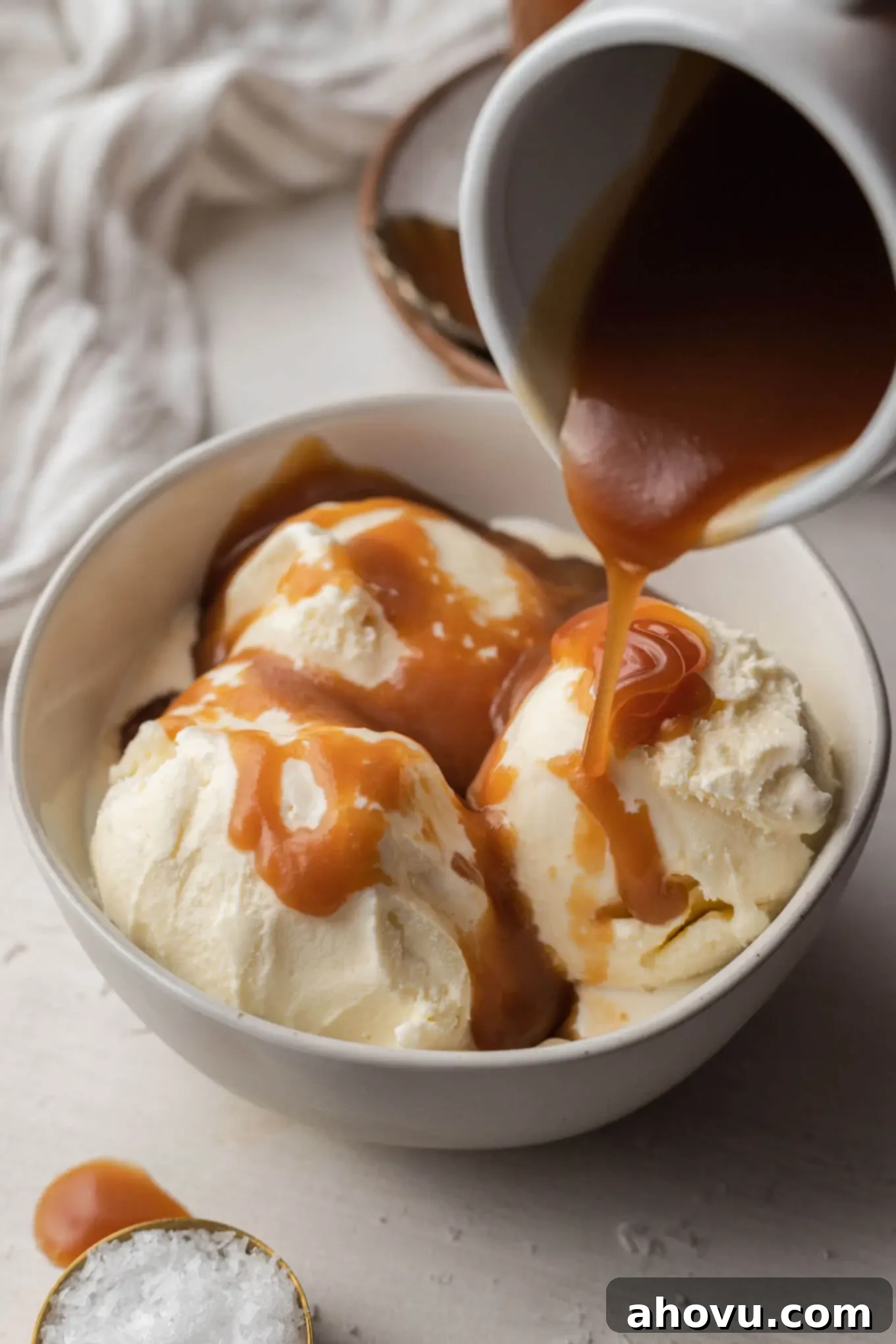
Imagine a rich, velvety sauce that perfectly balances sweet and salty notes, ready to elevate any dessert. This incredible homemade salted caramel sauce is exactly that! Crafted with just six basic ingredients and taking a mere 15 minutes to prepare, it’s a culinary game-changer. Whether you spoon it generously over creamy vanilla ice cream, use it as an irresistible dip for crisp apple slices, or drizzle it over your favorite baked goods like brownies, cakes, or cookies, this recipe promises pure indulgence. Prepare to transform simple pantry staples into a gourmet delight that will have everyone asking for more.
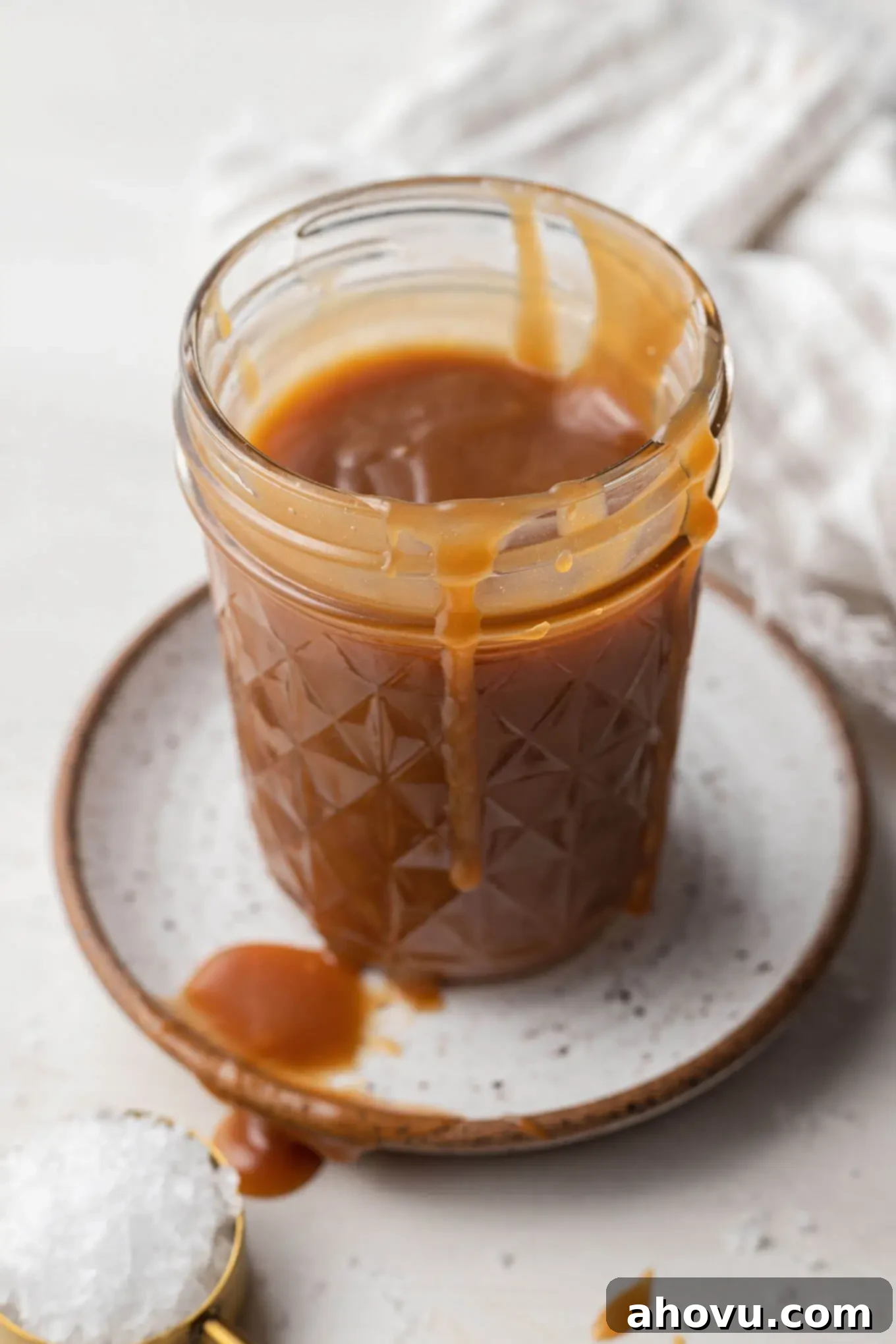
If the thought of making homemade caramel sauce from scratch has always seemed daunting or intimidating, prepare to have your mind completely changed! This recipe demystifies the process, proving that a truly exceptional caramel sauce is within reach for any home cook, regardless of experience level.
There’s a significant difference between store-bought salted caramel sauce and a batch made fresh in your kitchen. Commercial varieties often rely on various thickeners, artificial flavors, and an abundance of added sweeteners, resulting in an overly sweet and sometimes cloying product. This often masks the true, complex flavor of caramel.
Our recipe, however, is a celebration of purity and balance. It uses only six fundamental ingredients, each playing a vital role, to create a perfectly sweet, rich, and intensely flavorful caramel with that irresistible salty kick. You control the quality, the sweetness, and the saltiness, leading to a superior product every single time.
In this comprehensive guide, I’ll not only walk you through my foolproof method step-by-step but also share my top tips and tricks for guaranteed success. We’ll cover everything from selecting the right ingredients to troubleshooting common issues, ensuring you end up with a smooth, luscious, and utterly delicious salted caramel sauce that will become a staple in your dessert repertoire.
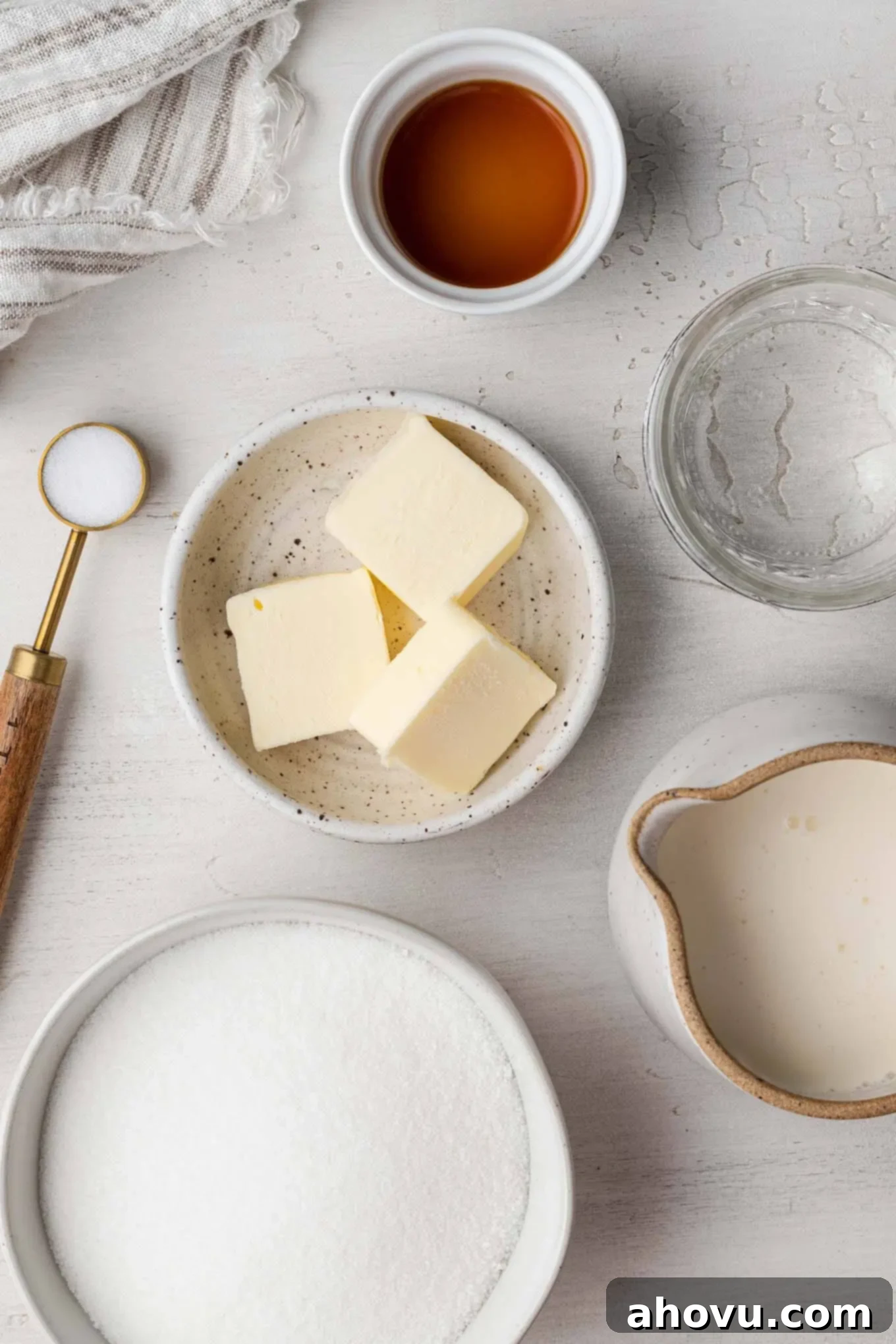
Key Ingredients for Perfect Salted Caramel
Creating this exquisite salted caramel sauce is surprisingly simple, thanks to a short list of straightforward ingredients. Each component is essential for achieving the perfect texture and flavor. Let’s delve into what you’ll need and why:
- Water: A small amount of water is crucial at the beginning of the process. It helps the granulated sugar dissolve evenly and prevents premature crystallization, which can lead to a grainy caramel. Think of it as a facilitator for a smooth start to your sauce.
- Granulated Sugar: This is the very foundation of our caramel. As the sugar cooks and undergoes the magical process of caramelization, it transforms from simple sweetness into a rich, complex flavor with nutty and toasted undertones. It’s imperative to use standard granulated sugar; alternative sweeteners or sugar substitutes will not caramelize in the same way and will yield entirely different results.
- Heavy Whipping Cream: For that luxurious, creamy texture, heavy whipping cream (with at least 36% fat content) is non-negotiable. The high fat content is key to creating a thick, stable, and wonderfully smooth sauce. Avoid using lower-fat alternatives like half-and-half or whole milk, as they lack the necessary fat to thicken the caramel properly, resulting in a thin, runny sauce. For best results and to prevent clumping, ensure your cream is at room temperature or slightly warmed before adding it to the hot sugar.
- Unsalted Butter: Butter contributes richness, depth of flavor, and a beautiful sheen to the caramel. I highly recommend using unsalted butter because it gives you precise control over the final saltiness of your sauce. The salt content in different brands of salted butter can vary significantly, and we want to achieve a balanced, not overly salty, flavor profile.
- Pure Vanilla Extract: Vanilla extract is a flavor enhancer that beautifully complements the sweet and salty notes of the caramel. Pure vanilla extract offers the most robust and authentic flavor, adding a layer of warmth and sophistication. However, if you only have imitation vanilla, it will still work, though the flavor may be slightly less complex.
- Salt: The star of our “salted” caramel! Regular table salt works perfectly well for this recipe, providing a clean, even saltiness. If you prefer a more gourmet touch or a subtle textural contrast, sea salt or even flaky sea salt would also be excellent choices. Be mindful that coarser salts like sea salt might require a slightly larger quantity to achieve the same level of saltiness as finely milled table salt, so always taste and adjust to your preference.
Step-by-Step Guide: How to Make Salted Caramel Sauce
Making homemade caramel sauce is an exciting and rewarding process, primarily involving careful simmering and strategic combining of ingredients. Follow these steps for a perfectly smooth and rich salted caramel:
- Dissolve the Sugar: Begin by adding the water and granulated sugar to a heavy-bottomed saucepan. The heavy bottom helps distribute heat evenly and prevents scorching. It’s wise to use a saucepan that’s larger than you think you’ll need, as the mixture will bubble up considerably later. Heat the mixture over medium heat, stirring constantly with a heat-proof spatula or wooden spoon. Continue stirring until all the sugar crystals have completely dissolved and the mixture is clear and just begins to bubble gently. This initial stirring is crucial to prevent crystallization.
- Bring to a Boil and Caramelize: Once the sugar is fully dissolved, increase the heat to medium-high or high and bring the sugar mixture to a rolling boil. At this critical stage, it is absolutely essential that you do NOT stir the sugar mixture anymore. Stirring after it begins to boil can introduce air bubbles and cause the sugar to crystallize, leading to a grainy texture. Allow the mixture to boil undisturbed. Watch it carefully; after approximately 4 to 12 minutes (timing can vary based on heat intensity and pan size), the clear syrup will begin to turn amber in color. It will progress from a pale yellow to a rich, deep amber. This is the caramelization process, where the sugar develops its signature flavor. Aim for a color similar to a copper penny or a light maple syrup – dark enough for flavor, but not burnt.
- Add the Cream: As soon as the sugar mixture reaches that beautiful amber color, immediately remove the saucepan from the heat. Carefully, yet steadily, pour in the heavy cream while continuously whisking. Be prepared for a vigorous bubbling and steaming reaction – this is perfectly normal due to the temperature difference. The mixture will seize up and solidify slightly at first, but keep whisking gently. If your cream was at room temperature, this step will be much smoother and less likely to cause clumping.
- Incorporate Remaining Ingredients: Continue to whisk until the caramel mixture is smooth. Then, add the unsalted butter (cut into tablespoon-sized pieces for quicker melting), pure vanilla extract, and salt. Whisk everything together until the butter has fully melted and all ingredients are thoroughly combined and smooth. The sauce will still be quite thin at this point.
- Cool and Store: Once your salted caramel sauce is smooth and beautifully blended, I recommend transferring it to a clean, heat-proof storage container, such as a glass jar with a tight-fitting lid. It’s best to allow the sauce to cool completely to room temperature before sealing and storing it in the refrigerator. As it cools, the caramel will thicken significantly, achieving that perfect pourable consistency.
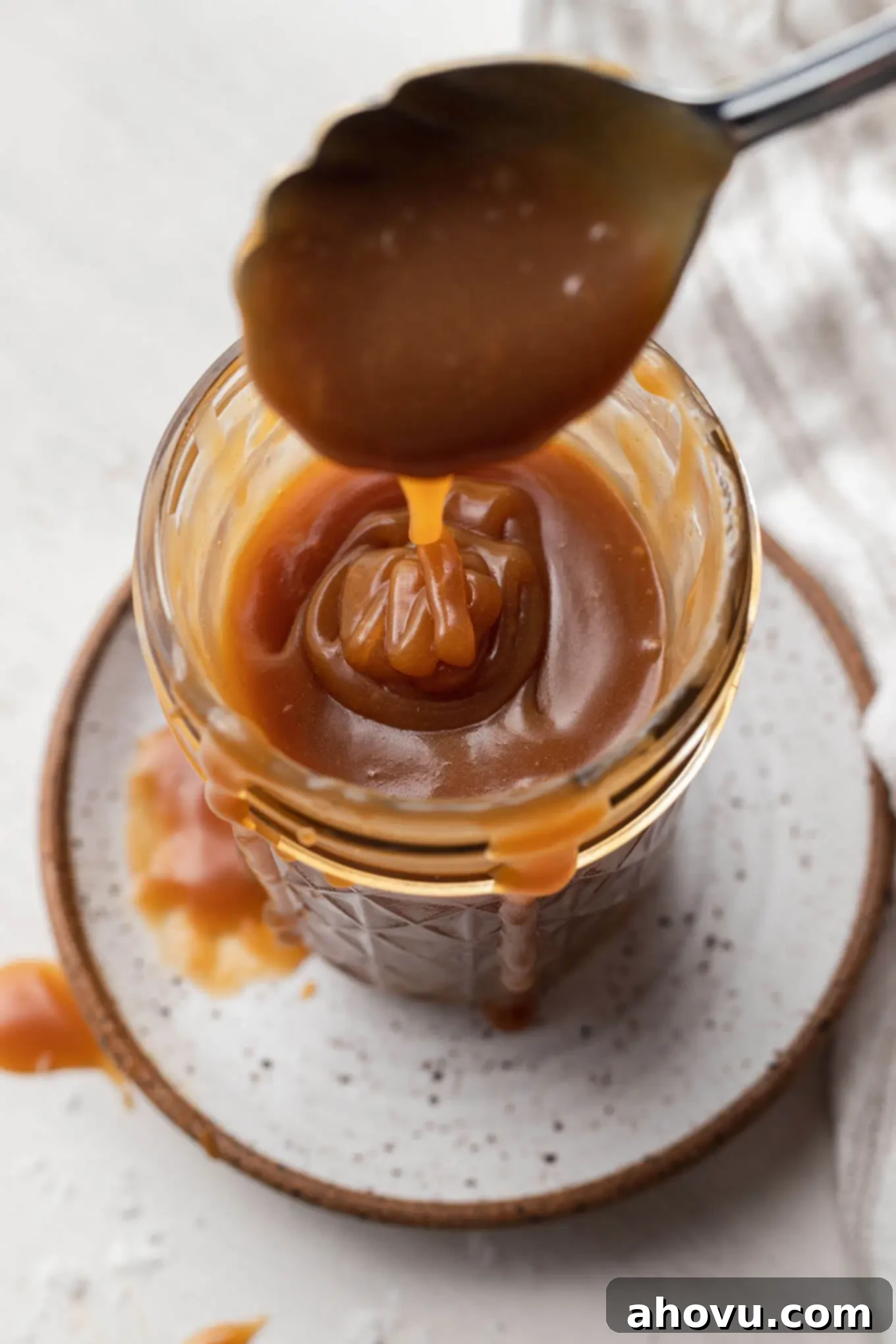
Frequently Asked Questions About Homemade Salted Caramel
Even with a foolproof recipe, questions can arise during the cooking process. Here are some common queries and their answers to help you master your homemade salted caramel sauce:
What Type of Salt Is Best for This Recipe?
For this recipe, I initially used regular finely ground table salt, which provides an even distribution of saltiness throughout the sauce. However, you absolutely can make a delicious sea salt caramel sauce if that’s your preference. Many culinary enthusiasts enjoy the subtle crunch and more complex mineral flavor that sea salt offers.
If you opt for sea salt, particularly a coarser grind, you may need to adjust the quantity. Sea salt typically has larger, coarser grains compared to finely milled table salt, meaning you might need to add a little more by volume to achieve the same intensity of saltiness. It’s always a good idea to start with the recommended amount and then taste the finished sauce, adding small pinches of extra salt until it perfectly suits your palate. For an extra touch of gourmet appeal and textural contrast, a sprinkle of flaky sea salt over the finished dessert just before serving is truly divine.
What Causes Caramel Sauce to Form Clumps?
If your caramel sauce seizes up and forms clumps when you stir in the heavy cream, it’s almost certainly because the cream was too cold when it was added to the scorching hot sugar mixture. The sudden thermal shock causes the sugar to crystallize and clump together. To prevent this, always ensure your heavy cream is at room temperature. You can achieve this by setting the cream out on your kitchen counter for at least 30 minutes before you begin the recipe. Alternatively, gently warm it in the microwave for 30-60 seconds (do not boil it) before adding it to the hot sugar. This temperature moderation helps the cream integrate smoothly without shocking the sugar. If clumps do form, don’t despair! You can usually salvage the sauce by gently reheating it over low heat, stirring constantly, until the clumps dissolve. If a few stubborn clumps remain, simply strain the finished sauce through a fine mesh sieve before storing.
How Do You Thicken Caramel Sauce?
If your caramel sauce turns out thinner than you’d like after it has cooled, it usually indicates that the sugar mixture wasn’t simmered long enough to caramelize to the correct stage. The sugar-water needs to reach a proper rolling boil and cook until it develops a rich, deep amber color. This caramelization process is what creates the thickness and depth of flavor. Patience is key during this step, as it can indeed take anywhere from 4 to 12 minutes (or even slightly longer) depending on your stovetop and pan.
It’s important to remember that caramel sauce will always be much thinner when it’s warm and will thicken considerably as it cools down. If your sauce is still too runny even after being refrigerated for several hours, you can gently reheat it on the stovetop over low heat and simmer it for an additional 2-5 minutes, stirring occasionally, until it reaches a slightly thicker consistency. Be careful not to overcook, as it can become too thick and solidify. A visual cue is often better than strict timing here; look for it to coat the back of a spoon more thickly.
How Long Can I Store Homemade Salted Caramel Sauce?
Homemade salted caramel sauce keeps exceptionally well! Once cooled and transferred to an airtight container, it can be stored in the refrigerator for up to two to three weeks. For longer storage, you can even freeze it for up to 3 months. Thaw frozen caramel in the refrigerator overnight before reheating. Always reheat gently on the stovetop or in the microwave until it reaches your desired consistency.
What are the Best Ways to Use Salted Caramel Sauce?
The versatility of this sauce is one of its greatest assets! Beyond drizzling it over ice cream, consider these delightful applications: use it as a dip for fresh fruit like apple slices or pear wedges; stir it into your morning coffee or hot chocolate for a decadent twist; swirl it into brownie or cheesecake batter before baking; use it as a filling for macarons, tarts, or cakes; or simply enjoy it by the spoonful straight from the jar!
Expert Tips for Salted Caramel Success
- Choose the Right Pan: As mentioned in the instructions, the heavy whipping cream will bubble up quite vigorously when added to the hot sugar. To prevent any messy overflows or burns, always make sure to use a saucepan that’s a little larger than what you initially think you will need. A 2-quart saucepan is usually sufficient for this recipe.
- Mise en Place (Prepare Your Ingredients): Caramelization happens quickly and requires your full attention. Before you even turn on the stove, measure out all your ingredients and have them ready to go, especially the heavy cream and butter. This crucial step will make the entire process much smoother and reduce the chances of anything burning or going wrong while you’re scrambling for an ingredient.
- Achieving Regular Caramel: If you desire a classic, unsalted caramel sauce instead of salted caramel, simply adjust the salt content. Use just a tiny pinch of salt or about 1/8 teaspoon to balance the sweetness without imparting a noticeable salty flavor.
- Caramel as a Finishing Sauce: Note that this particular recipe yields a perfectly pourable, luscious caramel sauce that is best used as a finishing sauce for desserts. While delicious, it’s generally a little too thin and rich for direct baking applications within a cake or cookie batter where structural integrity is key. It’s ideal for drizzling, dipping, or filling.
- Safety First: Sugar syrup gets incredibly hot during caramelization (reaching temperatures well over 300°F or 150°C). Exercise extreme caution when working with it. Avoid touching the hot sugar, and be especially careful when adding the cream, as the steam and bubbling can be intense.
- Preventing Crystallization: Once the sugar mixture starts boiling, resist the urge to stir it. If sugar crystals form on the sides of the saucepan, you can gently brush them down with a pastry brush dipped in a little water. This helps prevent them from falling back into the caramel and initiating further crystallization.
- Consider a Candy Thermometer: While not strictly necessary for this recipe if you’re comfortable judging color, a candy thermometer can offer extra precision. Cook the sugar syrup to approximately 320-350°F (160-175°C) for a rich amber color before removing from heat and adding the cream.
- Cleaning Up: Don’t struggle with a sticky pan! After pouring out your caramel, simply fill the saucepan with water and bring it to a boil on the stove. The residual caramel will dissolve into the water, making cleanup a breeze.
More Irresistible Dessert Sauces to Make!
- Dulce de Leche
- Pumpkin Butter
- Lemon Curd
- Blueberry Sauce
- Strawberry Sauce
- Apple Butter
Recipe Video
Homemade Salted Caramel Sauce
Pin Recipe
SaveSaved!
Leave a Review
Ingredients
- ¼ cup water (60 ml)
- 1 cup granulated sugar (200 grams)
- ⅔ cup heavy whipping cream (160 ml) at room temperature
- 3 tablespoons unsalted butter (45 grams) cut into tablespoon-sized pieces
- 1 teaspoon pure vanilla extract
- 1 teaspoon salt or to taste
Instructions
-
In a heavy-bottomed saucepan, combine the water and granulated sugar. Heat over medium heat, stirring constantly until the sugar has fully dissolved and the mixture begins to gently bubble. Use a saucepan slightly larger than you think you’ll need to accommodate bubbling.
-
Increase the heat to high and bring the mixture to a rolling boil, then stop stirring completely. Allow it to boil undisturbed until it transforms into a rich amber color, which typically takes between 4 to 12 minutes. Watch carefully to avoid burning.
-
Immediately remove the saucepan from the heat. Carefully and slowly whisk in the room-temperature heavy cream. The mixture will bubble up vigorously, so exercise caution. Continue to whisk until smooth, then mix in the butter (one piece at a time), vanilla extract, and salt until fully incorporated.
-
Pour the hot caramel sauce into a clean, heat-proof dish or glass jar. Allow it to cool completely to room temperature. Once cooled, cover tightly and store in the refrigerator. The caramel sauce will significantly thicken as it cools and chills.
Notes
For Classic Caramel: If you prefer a regular, unsalted caramel sauce, simply reduce the salt amount to a pinch or approximately 1/8 teaspoon.
Yield: This recipe typically yields about 1 and 1/2 cups of luscious caramel sauce.