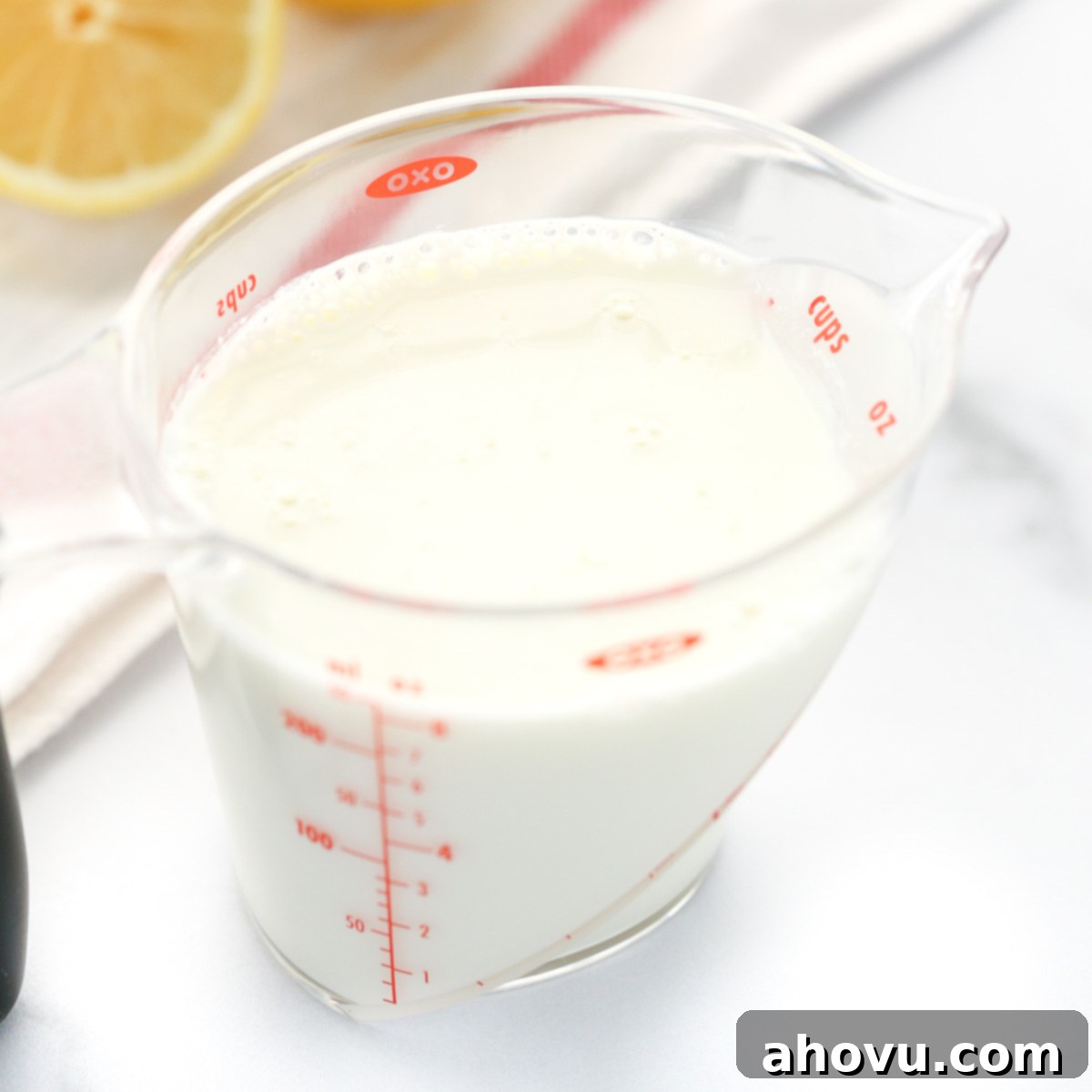
Mastering Homemade Buttermilk: Your Essential 10-Minute Recipe for Perfect Baking
Unlock the secret to tender, moist baked goods with this incredibly simple homemade buttermilk substitute. You only need two basic ingredients and less than 10 minutes to whip up this kitchen staple, ensuring you’re never caught without it again!
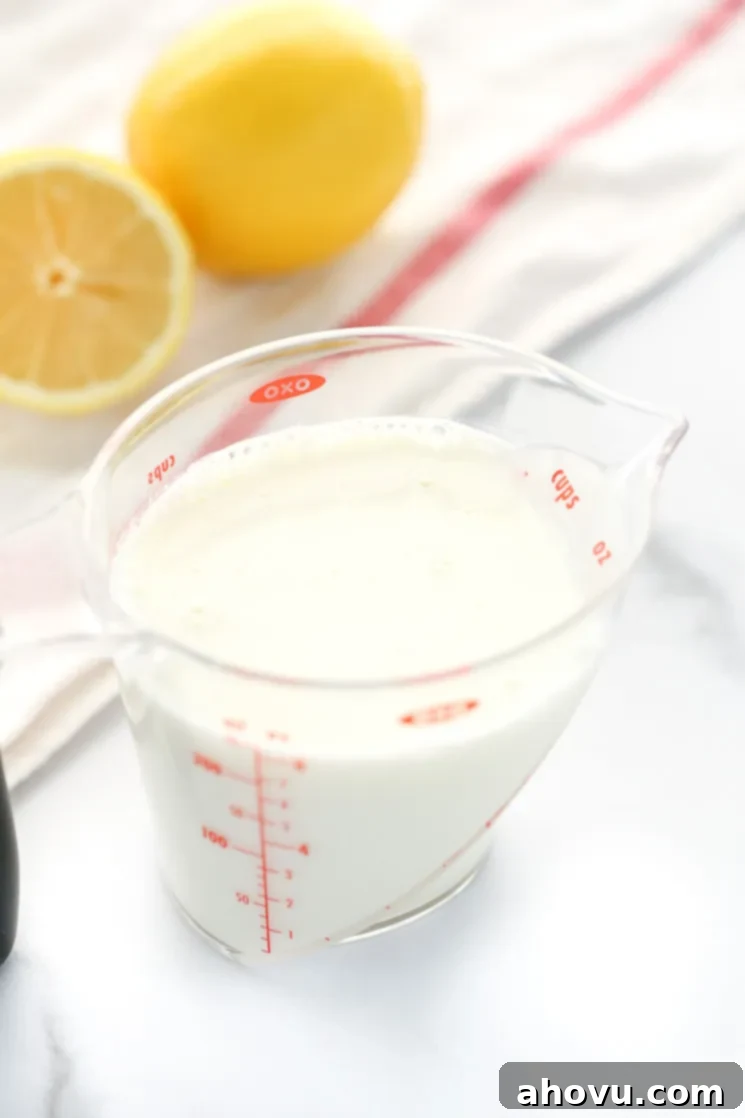
What Exactly is Buttermilk?
Buttermilk is a cornerstone ingredient in countless baking recipes, celebrated for its unique ability to impart a tender crumb, rich moisture, and a subtle tang that elevates the flavor profile of everything from fluffy pancakes to decadent cakes. While many home bakers recognize its importance, few truly understand what it is or how it’s traditionally made.
Historically, buttermilk was the slightly tart, thin liquid byproduct left behind after churning butter from cream. This traditional form was naturally low in fat, rich in beneficial cultures, and possessed a distinctively tangy flavor profile. It also had a longer shelf life compared to fresh milk due to its lactic acid content.
The buttermilk you typically find in grocery stores today, often labeled “cultured buttermilk,” is produced differently. It’s made by adding a bacterial culture (specifically, lactic acid bacteria) to pasteurized skim or low-fat milk. These cultures ferment the lactose in the milk, converting it into lactic acid, which causes the milk proteins (casein) to curdle and thicken. This process gives commercial buttermilk its characteristic creamy texture and tangy taste. This store-bought variety is thicker than traditional buttermilk and is prized for its consistent quality and availability.
However, running out of buttermilk can halt your baking plans right in their tracks. That’s why learning how to make a quick and effective substitute at home is an invaluable skill for any baker. This simple DIY method replicates the acidity and curdled texture of commercial buttermilk, ensuring your recipes turn out perfectly every time.
Its acidic nature is particularly crucial in baking. When combined with baking soda, buttermilk creates a chemical reaction that produces carbon dioxide bubbles, acting as a leavening agent. This reaction contributes to the rise and airy texture of baked goods. Beyond leavening, the acid also helps to break down gluten, resulting in a more tender and less chewy texture. The slight tang it adds also balances sweetness and enriches the overall flavor, making buttermilk an irreplaceable ingredient for many classic recipes.
Why Make Your Own Buttermilk?
Discovering you’re out of a crucial ingredient like buttermilk can be frustrating, especially when you’re in the middle of preparing a recipe. This is precisely why mastering the art of making homemade buttermilk is a game-changer for any home cook or baker. Here are several compelling reasons why a DIY approach is not just convenient, but also smart:
- Unparalleled Convenience: The most immediate benefit is avoiding that last-minute, inconvenient trip to the grocery store. Imagine being halfway through a recipe only to realize you’re missing buttermilk – with this simple method, you can whip up a fresh batch in minutes using ingredients you likely already have on hand.
- Cost-Effective: Buttermilk, especially if only used occasionally, can be an extra expense. By making your own from regular milk and a common acid (lemon juice or vinegar), you utilize staples that are usually more affordable and readily available in your pantry, saving you money in the long run.
- Freshness on Demand: Store-bought buttermilk, while convenient, has a limited shelf life once opened. Homemade buttermilk, especially this quick substitute, is made fresh for your immediate needs, ensuring you always have the freshest possible ingredient for your baked goods.
- Control Over Ingredients: Making your own allows you to choose the type of milk you prefer—whether it’s whole milk for a richer flavor, skim milk for a lighter option, or even non-dairy alternatives like almond or soy milk for dietary needs. This control extends to the acid as well, allowing you to select between lemon juice or various types of vinegar.
- Mastering Baking Basics: Learning simple kitchen hacks like this builds confidence and broadens your culinary skill set. It empowers you to tackle a wider range of recipes without relying solely on specialized store-bought ingredients. It’s a fundamental “baking basics” technique that every enthusiastic baker should know.
- Emergency Substitute: This method is perfect for those unexpected baking urges or when you’re following a new recipe that calls for buttermilk. It eliminates the need to plan ahead specifically for this one ingredient.
With just a few simple steps and readily available ingredients, you can effortlessly create a perfect buttermilk substitute that performs just as effectively as its store-bought counterpart, making your baking journey smoother and more enjoyable.
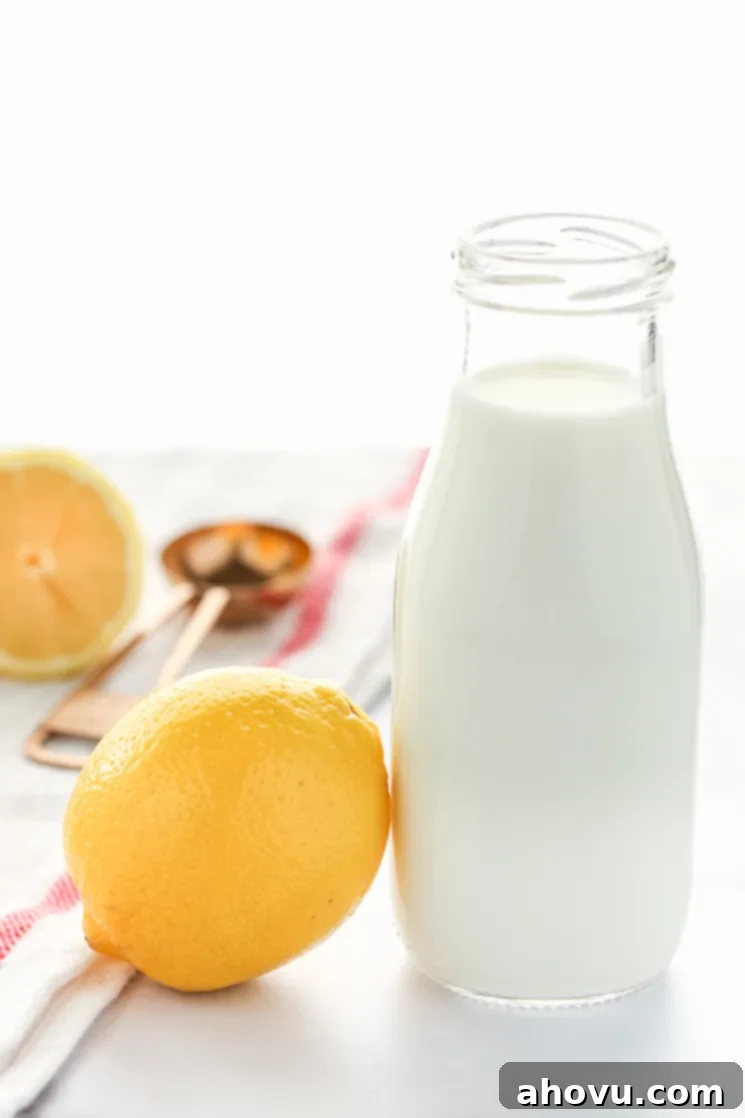
Essential Ingredients You’ll Need
The beauty of this homemade buttermilk recipe lies in its simplicity, requiring only two staple ingredients you likely already have in your kitchen. This minimalist approach ensures that you can always whip up a batch whenever a recipe calls for it, without any extra trips to the store.
The Acid Component: Lemon Juice or Vinegar
The key to transforming regular milk into buttermilk is the introduction of an acid. This acid reacts with the milk proteins, causing them to curdle and thicken, mimicking the texture and tang of traditional buttermilk. You have a few excellent choices for the acid:
- Freshly Squeezed Lemon Juice: This is often my preferred choice. Fresh lemon juice provides a bright, clean tang that complements most baked goods beautifully without overpowering other flavors. Always opt for fresh if you can, as it offers the best flavor. Bottled lemon juice can also work in a pinch, but fresh is superior.
- Vinegar: Various types of vinegar can be used, but it’s important to choose one that has a relatively neutral flavor to avoid altering the taste of your final product.
- White Distilled Vinegar: This is an excellent and widely available option. It’s highly acidic and virtually flavorless, making it ideal for buttermilk substitutes where you don’t want any added taste.
- Apple Cider Vinegar: Another popular choice, apple cider vinegar works effectively and imparts a very subtle, slightly fruity tang. Ensure it’s not an unfiltered, raw apple cider vinegar if you want to avoid any strong flavor notes.
- Other Vinegars: While less common, you could technically use other light-colored vinegars like white wine vinegar, but I generally recommend sticking to white distilled or apple cider vinegar for the most consistent and neutral results. Avoid dark, strongly flavored vinegars like balsamic or red wine vinegar.
- Cream of Tartar (Alternative): While not liquid, cream of tartar is another acidic ingredient that can be used. For every cup of milk, you’d use 1 ¾ teaspoons of cream of tartar. Mix it well with a small amount of milk first to create a slurry before adding to the rest of the milk to prevent clumps.
The standard ratio for either lemon juice or vinegar is 1 tablespoon (15 ml) per 1 cup (240 ml) of milk. This proportion ensures sufficient acidity to properly curdle the milk.
The Milk Component: Any Type of Milk Works!
One of the most versatile aspects of this recipe is that it accommodates almost any type of milk you have on hand, whether dairy or non-dairy. The acidity will react with the proteins in the milk to create a curdled effect, providing the necessary texture and acidity for baking.
- Dairy Milk:
- Whole Milk: This will produce the richest and thickest homemade buttermilk, closely resembling store-bought cultured buttermilk in consistency and mouthfeel. It’s an excellent choice for recipes where a creamy texture is desired.
- 2% Milk: A great all-purpose option that yields a slightly lighter but still effective buttermilk substitute.
- Skim Milk: This will result in the thinnest version of homemade buttermilk, but it will still provide the crucial acidity needed for leavening and tenderizing in baking. It’s perfect for those seeking a lower-fat option.
- Non-Dairy Milk: For those with lactose intolerance or following a vegan diet, non-dairy milks are an excellent alternative.
- Almond Milk: A very popular non-dairy choice that works wonderfully. It curdles effectively and has a neutral flavor.
- Soy Milk: Another reliable option that consistently curdles well and performs admirably in baking.
- Oat Milk: Oat milk can also be used, producing a buttermilk substitute with a slightly creamy texture.
- Coconut Milk (from a carton, not canned): Carton coconut milk works, but be mindful of its inherent flavor, which might subtly affect your baked goods.
The temperature of your milk can slightly influence the curdling time. While not strictly necessary, using milk that is closer to room temperature can sometimes speed up the curdling process by a minute or two. Avoid using milk that is too cold directly from the fridge if you’re in a hurry.
How to Make Buttermilk: A Simple Step-by-Step Guide
Making your own buttermilk at home is incredibly straightforward, requiring minimal effort and time. This tutorial will walk you through the process, ensuring you achieve perfect results every time. Follow these simple steps to create a reliable buttermilk substitute that will elevate your baking.
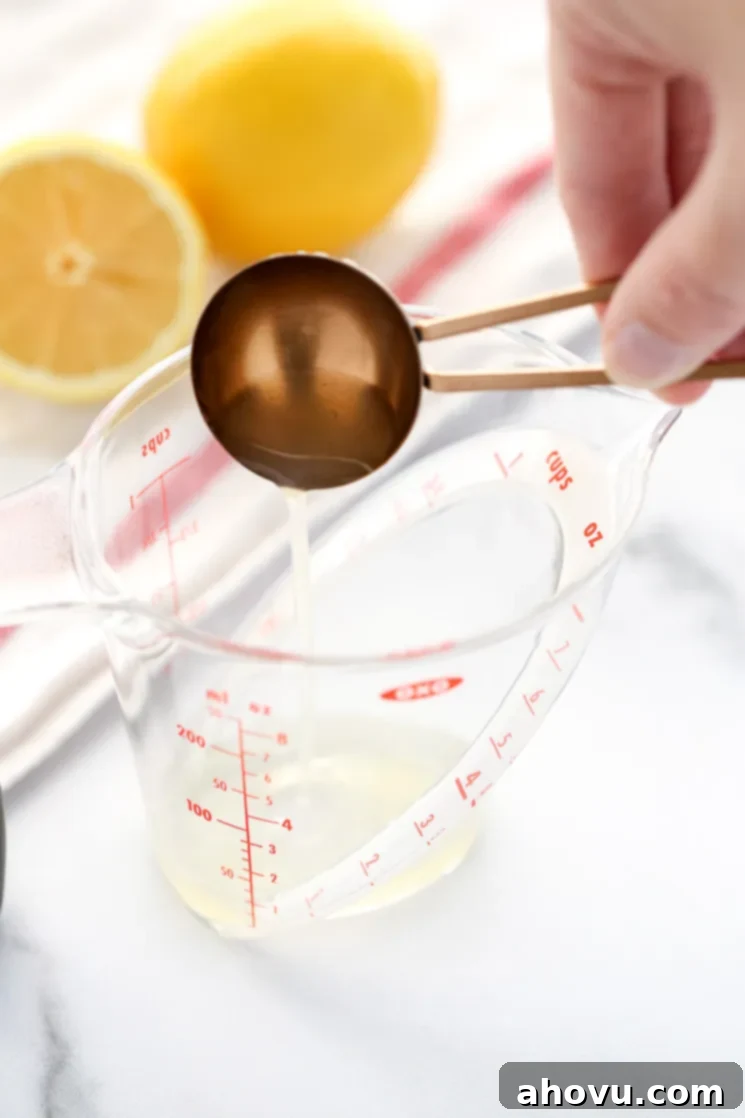
Step 1: Measure Your Acid Precisely
Begin by measuring out 1 tablespoon (15 ml) of your chosen acid. This is a crucial step for achieving the right balance of acidity and proper curdling. Pour this measured amount into a liquid measuring cup. My personal preference often leans towards fresh lemon juice for its bright flavor, but distilled white vinegar is equally effective and completely neutral. You’ll notice the measuring cup will have the acid settled at the bottom.
Step 2: Add Milk to the Measuring Cup
Next, carefully pour your preferred type of milk into the same measuring cup. You will pour the milk until the liquid level reaches the 1-cup (240 ml) line. This is referred to as a “scant cup” of milk because you are adding milk *up to* the 1-cup mark after the tablespoon of acid has already been added. Essentially, you’re getting 1 cup total volume of liquid with the acid included. For example, if you’re using whole milk, pour it directly on top of the lemon juice or vinegar until the combined liquid reaches the 1-cup mark on your measuring cup.
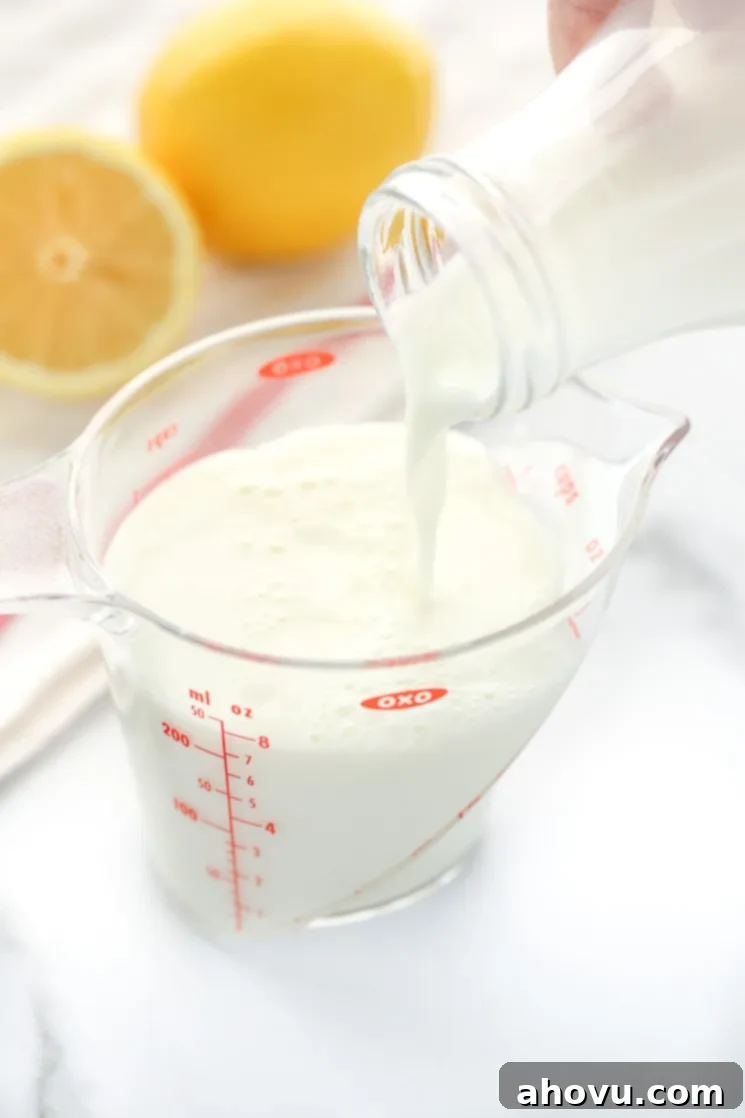
Step 3: Stir and Let It Rest
Once both ingredients are in the measuring cup, give the mixture a gentle stir with a spoon to ensure the acid is evenly distributed throughout the milk. Do not over-mix or whisk vigorously. Then, simply set the measuring cup aside at room temperature and allow it to rest undisturbed for 5 to 10 minutes. During this waiting period, the magic happens: the acid will react with the milk proteins, causing them to coagulate and thicken.
Step 4: Observe for Curdling – It’s Ready!
After 5 to 10 minutes, take a look at your mixture. You should observe a noticeable change in its appearance. The milk will appear slightly thickened, and you’ll likely see small, subtle curds forming. This is exactly what you want! The mixture will look a little “clabbered” or “curdled,” similar to very thin cottage cheese or yogurt. This indicates that the acidification process is complete, and your homemade buttermilk is ready to be used immediately in your recipe. If after 10 minutes it doesn’t seem quite ready, give it another 2-3 minutes. Sometimes, colder milk might take slightly longer to curdle.
Side note: For precise measurements and ease of use, I highly recommend these OXO angled measuring cups. Their innovative design allows you to read measurements from above, eliminating the need to stoop down to eye level and ensuring accurate liquid levels every time.
Tips for Perfect Homemade Buttermilk
- Use Room Temperature Milk: While cold milk works, milk that’s closer to room temperature (let it sit out for 10-15 minutes) tends to curdle a bit faster and more effectively.
- Don’t Worry About Huge Curds: The goal isn’t to create chunky cottage cheese. A slight thickening and the presence of small, fine curds are all you need to indicate that the milk has properly acidified.
- Ratio is Key: Stick to the 1 tablespoon of acid per 1 cup of milk ratio. Deviating too much can affect the chemical reactions in your baking.
- Gentle Stirring: A gentle stir is enough to combine the ingredients. Aggressive whisking isn’t necessary and won’t speed up the curdling process.
Frequently Asked Questions About Buttermilk
What does buttermilk do in baking?
Buttermilk plays a multifaceted and crucial role in baking, extending beyond just adding flavor. Its acidity is paramount:
- Leavening Power: When buttermilk is combined with baking soda (a common ingredient in recipes calling for buttermilk), the acid in the buttermilk reacts with the alkaline baking soda. This reaction produces carbon dioxide gas, which creates bubbles within the batter or dough, causing your baked goods to rise and become light and airy.
- Tenderizing Effect: The lactic acid in buttermilk helps to break down gluten strands, which can otherwise make baked goods tough. This results in a more tender, softer, and more delicate crumb structure in cakes, muffins, and biscuits.
- Adds Moisture: Buttermilk contributes significant moisture to baked goods, helping to prevent them from drying out during baking and ensuring a pleasant, moist texture even after cooling.
- Enhances Flavor: Its characteristic tangy flavor adds depth and a subtle complexity, balancing sweetness and enhancing the overall taste profile of the final product.
Essentially, buttermilk is often the secret ingredient behind truly delightful, perfectly textured baked goods.
Can you make buttermilk without dairy milk?
Absolutely, yes! This homemade buttermilk substitute works remarkably well with various non-dairy milks. Almond milk, soy milk, and oat milk are excellent choices. Simply follow the same ratio: 1 tablespoon of lemon juice or vinegar to 1 cup of your chosen non-dairy milk. The acid will still cause the plant-based proteins to coagulate and thicken, providing the necessary acidity and texture for your recipes. Be mindful that very low-fat non-dairy milks might yield a slightly thinner result, but the crucial acidic properties will still be present and effective for leavening.
How long does homemade buttermilk last?
While commercially processed buttermilk typically has a refrigerator shelf life of up to 2 weeks (sometimes even longer if unopened), the homemade substitute has a significantly shorter lifespan. Because it’s not made with specific cultures designed for preservation, I highly recommend using your homemade buttermilk within 3 to 4 days of making it. Always store it in an airtight container in the refrigerator. Before using, give it a quick sniff and check for any off-odors or unusual discoloration. When in doubt, it’s always best to make a fresh batch for optimal results and food safety.
Can you freeze homemade buttermilk?
Yes, you can freeze homemade buttermilk, but with a caveat. While it retains its acidity, the texture might change slightly upon thawing. It may separate or become a bit grainy, which is normal. It’s best used in recipes where the texture isn’t critical, such as in batters or doughs where it will be cooked or blended in. Freezing it in ice cube trays (each cube typically 1-2 tablespoons) is a great way to have small portions ready for future use. Once frozen, transfer the cubes to a freezer-safe bag. Thaw it in the refrigerator overnight or gently in the microwave. Stir well before using. For the absolute best results in delicate recipes, however, I still recommend making it fresh on the day you plan to use it.
Is this homemade buttermilk the same as traditionally cultured buttermilk?
No, this quick homemade substitute is not exactly the same as traditionally cultured buttermilk (either the historical byproduct or modern commercial cultured buttermilk). This DIY method is a “cheater” version designed to replicate the acidity and curdled texture *quickly*. Traditional cultured buttermilk undergoes a longer fermentation process with specific bacteria that develop a more complex flavor profile and produce additional beneficial compounds. While our homemade version effectively provides the necessary acidity for baking reactions and tenderizing, it won’t have the same depth of flavor or probiotic benefits as true cultured buttermilk. For most baking applications, however, this substitute works perfectly.
What’s the difference between buttermilk and sour milk?
While both buttermilk and sour milk are acidic milk products, there’s a key distinction. “Sour milk” typically refers to milk that has gone bad due to natural spoilage from environmental bacteria. While it’s acidic and might curdle, its flavor can be unpleasant, and it can harbor harmful bacteria, making it unsafe for consumption. Buttermilk, on the other hand, is milk that has been *intentionally* acidified, either through controlled bacterial cultures (commercial buttermilk) or by adding a safe acid like lemon juice or vinegar (homemade substitute). The curdling is a controlled process, resulting in a product that is safe and beneficial for baking. Never substitute spoiled sour milk for buttermilk.
Buttermilk’s Versatility: Delicious Ways to Use It
Now that you know how easy it is to make your own buttermilk, you’ll find countless applications for it in your kitchen. Beyond the obvious baking necessities, its tangy flavor and tenderizing properties make it a stellar ingredient in a variety of dishes. Here are some fantastic ways to put your homemade buttermilk to good use:
- Red Velvet Cupcakes: Buttermilk is essential for these classic cupcakes, contributing to their signature moist texture, tender crumb, and helping to activate the cocoa’s red hue.
- Fluffy White Cake: The acidity in buttermilk ensures a light and airy white cake, adding a subtle tang that balances the sweetness beautifully.
- Lemon Blueberry Cupcakes: It enhances the moisture and tenderness, allowing the vibrant flavors of lemon and blueberry to shine through.
- Decadent Chocolate Layer Cake: Buttermilk reacts with cocoa powder to deepen its chocolatey flavor and creates an incredibly moist and rich cake.
- Light & Fluffy Buttermilk Pancakes: The most iconic use! Buttermilk is key to achieving those irresistibly fluffy, golden-brown pancakes with a delightful tangy zest.
- Easy Buttermilk Biscuits: Creates tender, flaky layers and a wonderfully rich flavor, making them melt-in-your-mouth delicious.
- Crispy Fried Chicken Marinade: Buttermilk is a fantastic marinade for chicken. Its acidity tenderizes the meat while its subtle tang infuses flavor, leading to incredibly juicy and flavorful fried chicken with a perfectly crispy crust.
- Creamy Salad Dressings: Use it as a base for homemade ranch or other creamy dressings. Its tanginess brightens up the flavors and provides a rich, smooth consistency.
- Quick Breads & Muffins: Any recipe calling for leavening agents like baking soda will benefit from buttermilk, ensuring a tender crumb and good rise in your banana bread, zucchini bread, or blueberry muffins.
- Scones: Similar to biscuits, buttermilk helps create light, tender, and flaky scones, perfect for breakfast or afternoon tea.
- Mashed Potatoes: A splash of buttermilk can add a lovely tang and creaminess to mashed potatoes, elevating this humble side dish.
With this simple DIY method, you’re always ready to bake, cook, and explore new recipes, ensuring delicious and consistent results every time!
How To Make Buttermilk
Pin Recipe
SaveSaved!
Leave a Review
Ingredients
- 1 tablespoon (15 ml) fresh lemon juice or distilled white vinegar
- 1 scant cup (225 ml) milk
Instructions
-
Pour the lemon juice or vinegar into a measuring cup. Then, pour in the milk until it reaches the 1 cup line.
-
Stir the mixture well, then set aside for 5-10 minutes before using in your recipe.
Notes
Nutrition information is calculated with whole milk and fresh lemon juice.