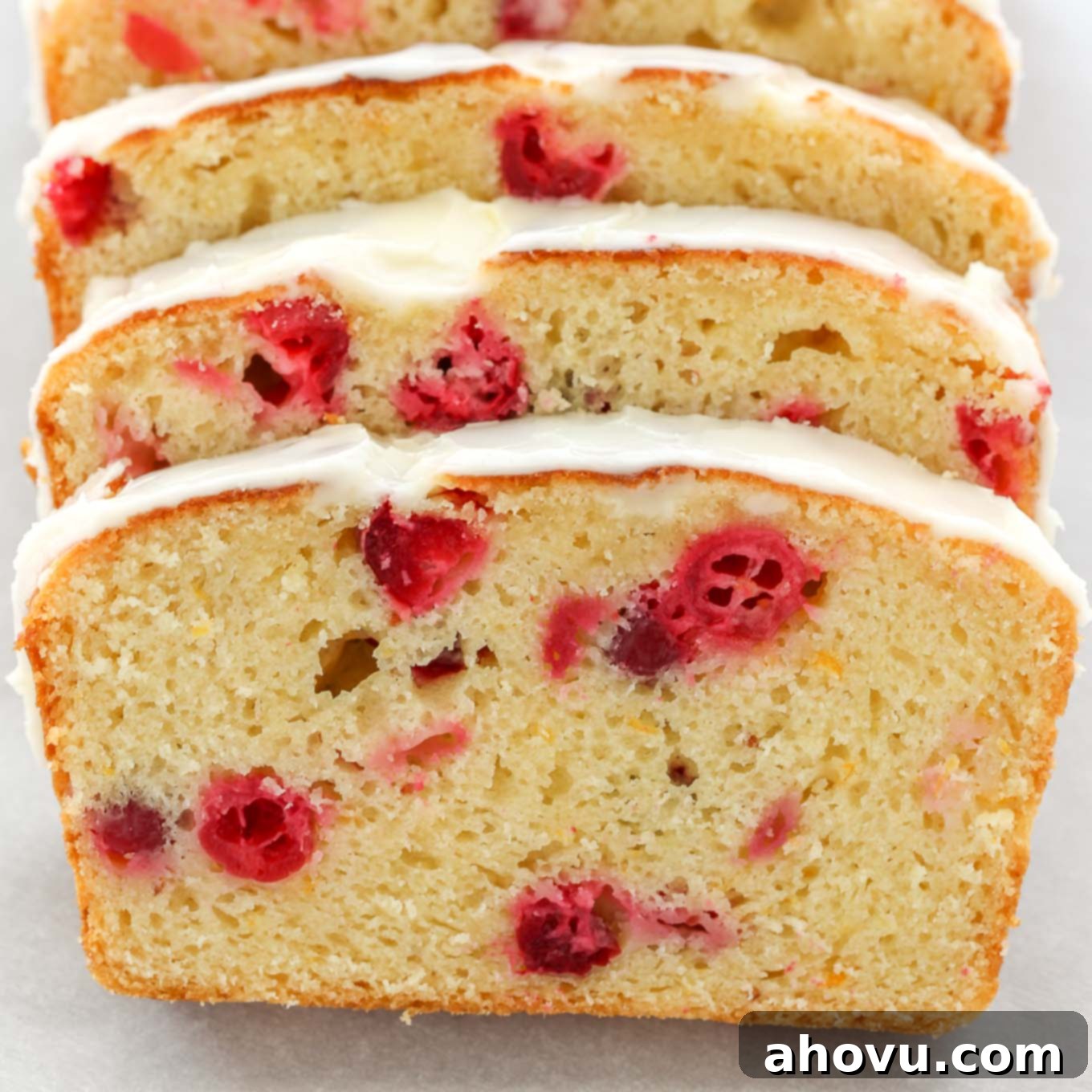
The Ultimate Moist Cranberry Orange Bread with Zesty Glaze: An Easy Holiday Baking Favorite
Welcome to your new favorite holiday baking tradition! This Cranberry Orange Bread recipe promises a deliciously moist loaf, bursting with the vibrant flavors of tart cranberries and bright orange, all topped off with a luscious, zesty orange glaze. It’s incredibly easy to make, requires no special equipment like a stand mixer, and is perfect for any occasion – from a cozy breakfast to an elegant dessert or a heartfelt homemade gift.

As the festive season approaches, many of us eagerly plan our holiday baking endeavors. This year, alongside timeless classics like soft molasses cookies and decadent peppermint fudge, be sure to carve out time for a few loaves of this irresistible cranberry orange bread. Its delightful aroma will fill your kitchen, instantly transforming it into a festive haven.
Why This Cranberry Orange Bread Will Be Your New Go-To Recipe
What truly sets this cranberry orange loaf apart is its remarkable simplicity coupled with its unforgettable flavor and texture. You won’t need any specialized kitchen gadgets or a powerful stand mixer for this recipe – just a few basic bowls and a whisk are all it takes! The baking process is wonderfully straightforward: you’ll whisk together your dry ingredients, then your wet ingredients, gently combine them, fold in those beautiful, tart cranberries, and finally, pop the loaf into the oven. Even beginner bakers will find this recipe incredibly approachable and rewarding.
Beyond its ease of preparation, this bread boasts incredible versatility. It’s an ideal companion for your morning coffee, a delightful and comforting treat for an afternoon snack, or a sophisticated dessert to round off any festive meal. Moreover, a freshly baked loaf makes for a thoughtful and much-appreciated homemade gift for friends, family, and neighbors during the holiday season. The good news doesn’t stop there – this bread also freezes exceptionally well, allowing you to bake ahead and savor the taste of the season whenever the craving strikes. We’ve included detailed instructions within the recipe notes on how to best prep, store, and freeze this delightful bread for future enjoyment!
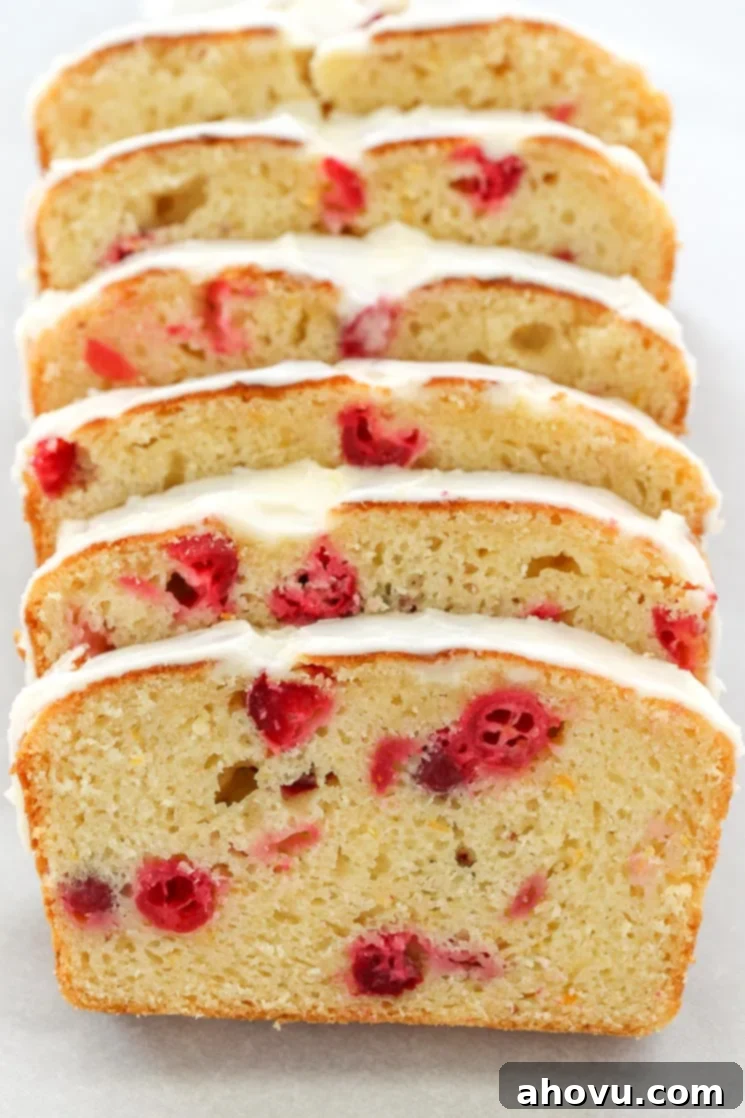
Essential Ingredients for Your Perfect Cranberry Orange Loaf
The secret to this bread’s exceptional taste and wonderfully moist texture lies in a thoughtful combination of simple, fresh ingredients. Here’s a closer look at what you’ll need and the vital role each component plays in creating the ultimate cranberry orange experience:
- All-purpose flour: This forms the essential structure of our bread. Accurate measurement of flour is paramount for a tender crumb. Always remember to fluff your flour first, then spoon it gently into your measuring cup, and level it off with the back of a knife. Scooping directly from the container can compact the flour, resulting in a heavier measure and, consequently, a dense, dry bread instead of a light, airy loaf.
- Baking powder and salt: Baking powder serves as our primary leavening agent, responsible for giving the bread its wonderful lift and fluffy texture. Salt, a crucial flavor enhancer, perfectly balances the sweetness of the bread and highlights the vibrant notes of orange and cranberry, making all the flavors sing.
- Oil: For this recipe, oil is preferred over solid fats like butter because it contributes significantly to the bread’s incredible moisture content, helping it stay tender and fresh for several days. Neutral-flavored oils such as canola or vegetable oil are excellent choices, ensuring that the bright cranberry and orange flavors remain the stars. If you choose to use melted coconut oil, it’s important to ensure all your other wet ingredients are at room temperature to prevent the coconut oil from solidifying upon contact with colder ingredients.
- Granulated sugar: This provides the perfect amount of sweetness without introducing any competing flavors, allowing the natural fruit notes to truly shine. Granulated sugar also aids in the bread’s golden-brown crust development and contributes to its overall tender texture.
- Sour cream: A true hero for moisture and richness! Sour cream is the key ingredient that gives this bread its signature soft and exceptionally moist crumb. Its slight acidity also plays a role in activating the baking powder, contributing to a better rise. If sour cream isn’t readily available, plain, full-fat Greek yogurt is an excellent, comparable substitute, offering similar moisture and a pleasant tanginess.
- Eggs: Acting as a vital binder, eggs provide essential structure to the bread and contribute significantly to its rich flavor. It’s crucial that your eggs are at room temperature before being incorporated into the batter; this helps them emulsify more effectively with the other wet ingredients, leading to a smoother, more uniform batter and a finer, more consistent texture in the final baked bread.
- Fresh orange juice and zest: For that truly bright, authentic, and aromatic orange flavor, freshly squeezed orange juice and finely grated orange zest are absolute necessities. The zest, in particular, contains the concentrated essential oils of the orange, infusing the bread with an intense, fragrant citrus punch that cannot be replicated with bottled or artificial alternatives. Always zest your orange before juicing!
- Pure vanilla extract: A touch of high-quality pure vanilla extract beautifully complements the tangy cranberry and zesty orange flavors, adding a layer of warmth, depth, and comforting aroma to the bread’s overall profile.
- Fresh cranberries: These jewel-toned berries provide the perfect burst of tartness, offering a delightful contrast to the sweet bread and glaze. Slicing them in half before adding ensures an even distribution throughout the loaf, guaranteeing a burst of bright, tangy flavor in every single bite. While fresh cranberries are ideal, frozen cranberries can be used directly from the freezer without thawing. To help prevent them from sinking to the bottom, toss frozen cranberries with a tablespoon of flour (taken from the recipe’s measured amount) before folding them into the batter.
- Powdered sugar: This fine sugar forms the base for our irresistibly smooth and perfectly pourable orange glaze. Powdered sugar dissolves effortlessly, creating a silky texture that sets beautifully on the cooled bread, adding an extra layer of sweetness and citrusy zing.
Baking Your Delicious Cranberry Orange Bread: A Simple Step-by-Step Guide
Creating this bread is a delightful and wonderfully straightforward process, making it enjoyable even for novice bakers. Follow these clear steps to achieve a perfectly moist and flavorful loaf every time:
You’ll begin by preparing your dry ingredients. In a large mixing bowl, thoroughly whisk together the all-purpose flour, baking powder, and salt. Whisking vigorously ensures that these dry components are not only combined but also evenly distributed throughout, which is crucial for the bread to rise properly and achieve a consistent, tender texture. Once mixed, set this bowl aside.
Next, move on to combining the wet ingredients. In a separate, medium-sized bowl, whisk together the oil, granulated sugar, sour cream, room-temperature eggs, pure vanilla extract, fresh orange juice, and the fragrant orange zest. Continue whisking until the mixture is completely smooth and all ingredients are fully integrated. This step ensures all the liquid and flavor components are perfectly emulsified before they are introduced to the dry mixture.
Once both your dry and wet mixtures are prepared, it’s time to bring them together. Pour the wet ingredients into the bowl containing the dry ingredients. Mix them gently until they are *just* combined. It is vital to avoid overmixing at this stage, as excessive stirring can over-develop the gluten in the flour, resulting in a tough, dense, and less tender bread. A few streaks of flour remaining are perfectly fine; they will disappear with the next step.
Finally, gently fold in your chopped fresh cranberries, ensuring they are evenly distributed throughout the batter. Then, pour the prepared batter into your loaf pan and place it in the preheated oven to bake until golden brown and cooked through. The tantalizing aroma that fills your kitchen during baking will undoubtedly get your mouth watering!
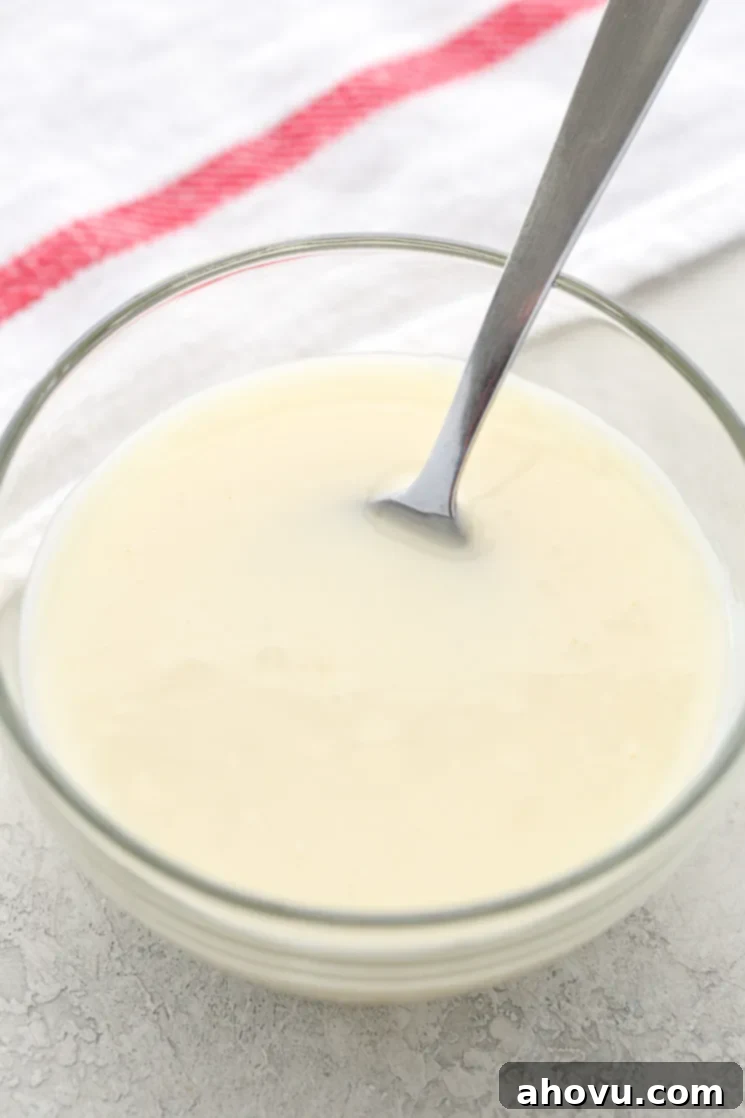
After your beautiful cranberry orange loaf has baked and cooled slightly, it’s time to crown it with a simple yet incredibly flavorful orange glaze. While the bread itself is infused with a generous amount of orange juice and zest, the glaze truly intensifies and enhances that bright, citrusy essence, creating a perfect balance with the tart cranberries and the sweet, moist bread.
Should you prefer a different flavor profile for your topping, or if you simply don’t have enough orange juice on hand for the glaze, there are easy alternatives! You can readily replace the orange juice in the glaze with a splash of milk or water for a more neutral, simple glaze. For an added touch of comforting sweetness, consider mixing in a hint of vanilla extract to create a delightful vanilla glaze, which offers a lovely complementary contrast to the cranberry and orange notes already present in the bread itself.
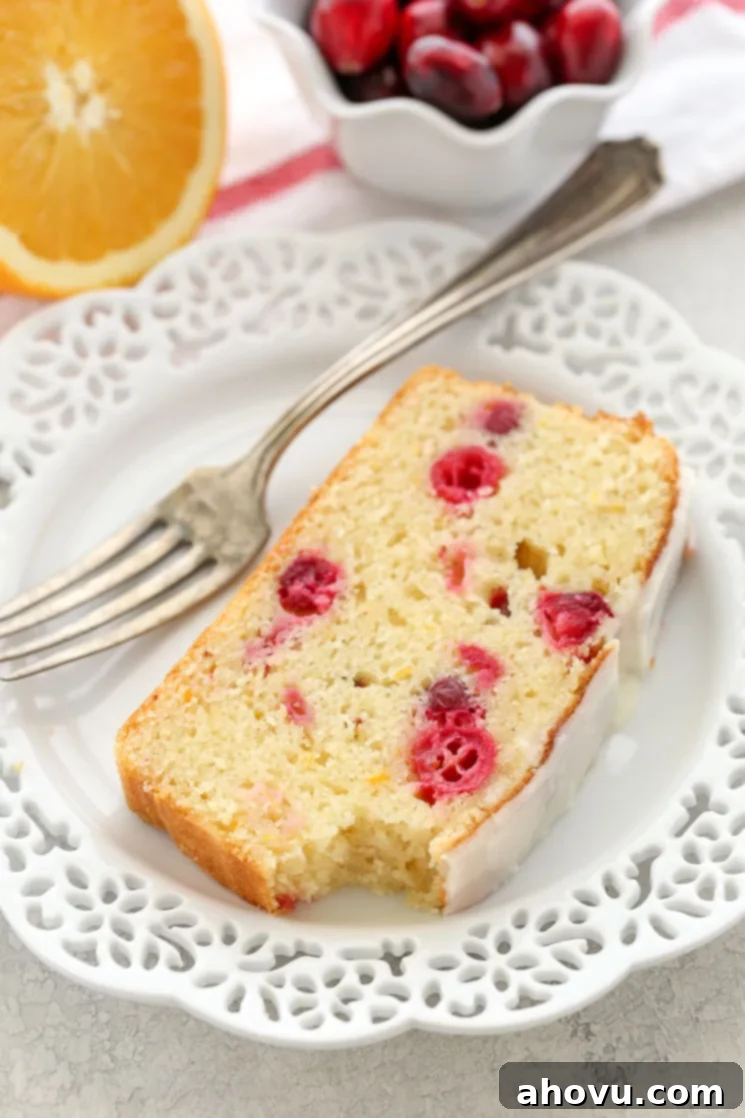
Frequently Asked Questions About Cranberry Orange Bread
Do you have questions about making, storing, or adapting this incredibly delicious quick bread? Here are comprehensive answers to some of the most common queries:
How to Store This Cranberry Orange Bread Properly
To ensure your cranberry orange bread retains its wonderfully moist texture and fresh, vibrant flavor, it’s crucial to store it correctly. After the glaze has set completely, place the loaf in an airtight container. It will remain fresh and delicious at room temperature for up to three days. Alternatively, you can store it in the refrigerator for up to four days. If refrigerating, for the best taste and texture, we recommend allowing the bread to come back to room temperature for about 30 minutes before serving.
Can I Freeze This Cranberry Orange Bread for Later?
Absolutely! This cranberry orange bread is an excellent candidate for freezing, allowing you to prepare it in advance or save a loaf for a future craving. For optimal freshness during freezing, allow the baked loaf to cool completely *before* applying the glaze. Once cooled, wrap it tightly in several layers of plastic wrap, then follow with a layer of aluminum foil, or place it inside a large, airtight freezer-safe bag or container. It will maintain its quality in the freezer for up to three months. To serve, thaw the bread overnight in the refrigerator, then bring it to room temperature. Prepare and add the fresh orange glaze just before serving for the perfect finish.
Can I Substitute Butter for Oil in This Recipe?
While it is technically possible to substitute melted butter for the oil in this recipe, it’s important to understand that doing so will slightly alter the bread’s texture and overall taste. Oil is instrumental in creating an exceptionally moist crumb that remains tender and fresh for a longer period. Butter, on the other hand, tends to result in a slightly denser loaf that may dry out a bit faster. Additionally, using butter will impart a richer, buttery flavor, which, while delicious, might slightly overshadow the pure, bright fruit flavors of the cranberry and orange that are prominent when using oil. For the moistest bread as intended by this recipe, sticking with oil is recommended.
Can I Use Frozen Cranberries Instead of Fresh Ones?
Yes, you can certainly use frozen cranberries if fresh ones are not in season or are difficult to find. There’s no need to thaw them before adding them to the batter; in fact, it’s often better to use them straight from the freezer. Adding frozen cranberries helps them maintain their shape and prevents them from bleeding their color excessively into the batter. For an extra measure to ensure even distribution and minimize sinking to the bottom of the loaf, you can lightly toss the frozen cranberries with a tablespoon of the all-purpose flour (taken from the total amount specified in the recipe) before gently folding them into the prepared batter.
Is It Possible to Make Cranberry Orange Muffins with This Same Batter?
Absolutely! This versatile cranberry orange bread recipe can easily be adapted to make delicious muffins. Simply prepare the batter exactly as directed in the instructions. Instead of pouring it into a loaf pan, divide the batter evenly among a standard 12-cup muffin tin, which you’ve either greased or lined with paper liners. The baking time will be significantly shorter for muffins, typically around 20-25 minutes at 375°F (190°C), or until a wooden skewer or toothpick inserted into the center of a muffin comes out clean. Once baked and cooled, you can still drizzle them with the zesty orange glaze for a perfect single-serving treat.
Expert Baking Tips for a Flawless Cranberry Orange Bread
Achieving a perfectly moist and flavorful cranberry orange bread is simple with these expert tips:
- Accurate Flour Measurement is Key: To guarantee a tender, light crumb, always measure your flour with precision. Avoid the common mistake of scooping flour directly from its container with your measuring cup, as this method compacts the flour, leading to an excess amount and a dry, dense loaf. Instead, first stir the flour lightly to aerate it, then spoon it into your measuring cup until overflowing, and finally, level it off with the straight edge of a knife. This method ensures you get the correct amount every time.
- Avoid Overmixing the Batter at All Costs: Once you combine the wet and dry ingredients, mix them only until they are just moistened and barely come together. Overmixing is the enemy of tender quick breads; it develops the gluten in the flour too much, resulting in a tough, chewy, and less enjoyable texture. A few small streaks of flour remaining are perfectly fine; they will incorporate fully as you gently fold in the cranberries.
- Maximize the Natural Orange Flavor: Typically, one large orange should yield sufficient zest and juice for both the bread batter and the delicious glaze. For the most intense citrus aroma and taste, always remember to zest the orange *before* you cut and juice it. The zest contains the most potent essential oils and provides a powerful flavor punch.
- Ensure Room Temperature Ingredients: For a smoothly emulsified batter and an ultimately even, tender crumb, it’s best to ensure that your eggs and sour cream are at room temperature before adding them to the mixture. Room temperature ingredients combine more uniformly and prevent temperature shock to the batter.
- Patience During the Cooling Process: After baking, allow your bread to cool in the loaf pan for approximately 15 to 20 minutes before attempting to remove it. This crucial cooling period allows the bread to set its structure, preventing it from crumbling or collapsing when transferred. Once removed from the pan, place it on a wire rack to cool completely. Attempting to glaze warm bread will only result in the glaze melting and running off, rather than setting into a beautiful, opaque layer.
More Easy and Delicious Holiday Desserts to Try!
If you thoroughly enjoyed baking and tasting this Cranberry Orange Bread, you’ll undoubtedly love these other festive and easy-to-make holiday treats. They are perfect for expanding your holiday baking repertoire:
- Classic Pumpkin Bread
- Easy Creme Brûlée
- Pumpkin Roll
- Apple Hand Pies
- Mint Chocolate Truffles

Cranberry Orange Bread
Pin Recipe
SaveSaved!
Leave a Review
Ingredients
For the cranberry orange bread:
- 2 cups (250 grams) all-purpose flour (spooned & leveled for accuracy)
- 2 teaspoons baking powder
- 1/2 teaspoon salt
- 1/2 cup (120ml) vegetable or canola oil
- 1 cup (200 grams) granulated sugar
- 1 cup (230 grams) sour cream (or plain full-fat Greek yogurt for similar moisture)
- 2 large eggs (at room temperature)
- 2 tablespoons (30 ml) fresh orange juice
- 2 teaspoons orange zest (from approximately one large orange for maximum flavor)
- 2 teaspoons pure vanilla extract
- 1 and 1/4 cups (130 grams) fresh cranberries , chopped (cutting them in half ensures better distribution and a burst of flavor in every bite)
For the orange glaze:
- 1 cup (120 grams) powdered sugar
- 1.5 -2 tablespoons (23-30ml) fresh orange juice (adjust slowly to achieve desired drizzling consistency)
Instructions
To make the cranberry orange bread:
-
Preheat your oven to 350°F (177°C). Prepare a 9×5-inch loaf pan by lightly spraying it with nonstick cooking spray, ensuring complete coverage to prevent any sticking, then set it aside.
-
In a large mixing bowl, thoroughly whisk together the measured all-purpose flour, baking powder, and salt. This step ensures all dry ingredients are perfectly combined and aerated for optimal bread texture. Set this bowl aside.
-
In a separate medium bowl, whisk together the oil, granulated sugar, sour cream, room-temperature eggs, fresh orange juice, aromatic orange zest, and pure vanilla extract until the mixture is completely smooth and homogeneous. Pour these wet ingredients into the bowl containing your dry ingredients and mix gently with a whisk or spatula until they are just combined. Avoid overmixing; a few small streaks of flour are acceptable. Finally, gently fold in the chopped fresh cranberries, distributing them evenly throughout the batter.
-
Transfer the prepared batter evenly into the greased 9×5-inch loaf pan. Bake in the preheated oven for 50 to 60 minutes, or until a wooden skewer or toothpick inserted into the very center of the loaf comes out clean, indicating it is fully cooked. If the top begins to brown too rapidly during the last 10 to 15 minutes of baking, loosely cover the pan with aluminum foil to prevent excessive browning.
-
Once baked, remove the loaf from the oven and allow it to cool in the pan for about 20 minutes. This critical cooling period helps the bread set its structure and prevents it from crumbling when removed. After 20 minutes, carefully invert and remove the bread from the loaf pan and transfer it to a wire rack to cool completely before proceeding to glaze.
To make the orange glaze:
-
Ensure the cranberry orange bread has cooled completely to room temperature before preparing and applying the glaze. In a small bowl, whisk together the powdered sugar and fresh orange juice. Begin by adding 1.5 tablespoons of orange juice and whisk thoroughly until the mixture is smooth and free of lumps. If your glaze appears too thick to drizzle easily, slowly add a tiny bit more orange juice (about half a teaspoon at a time), whisking well after each addition, until it reaches your desired drizzling consistency—it should be thin enough to pour but thick enough to coat the spoon and set nicely on the bread. Should the glaze become too thin, simply whisk in a little more powdered sugar as needed until the ideal consistency is achieved.
-
Using a spoon or a small whisk, generously drizzle the freshly prepared orange glaze over the top of the completely cooled bread. You can spread it gently with the back of the spoon for an even coating. Allow the glazed bread to rest undisturbed for approximately 15 to 20 minutes at room temperature, which gives the glaze sufficient time to harden slightly and set into a beautiful, appealing finish.
Notes
Freezing instructions: This bread freezes beautifully for up to three months. To freeze, ensure the baked loaf is completely cooled and *unglazed*. Wrap it tightly first in several layers of plastic wrap, then securely in aluminum foil, or place it into a large, airtight freezer-safe bag or storage container. When you’re ready to enjoy it, thaw the bread overnight in the refrigerator. Once thawed, bring it to room temperature, and then prepare and add the fresh orange glaze just before serving for optimal results.