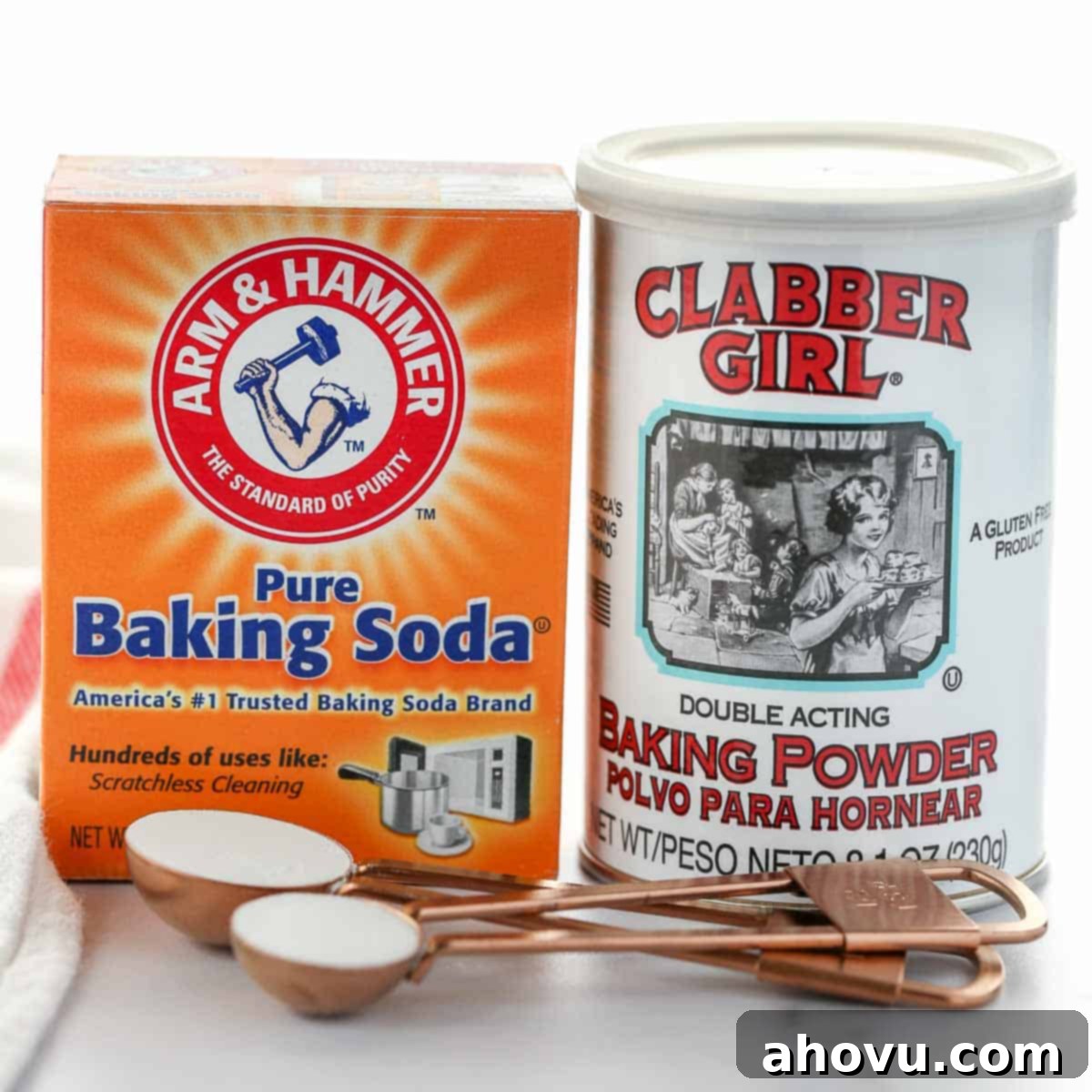
Baking Soda vs. Baking Powder: Your Essential Guide to Leavening Agents, Substitutions, and Freshness
Unlock the secrets of successful baking! This comprehensive guide delves into the crucial differences between baking soda and baking powder, essential leavening agents that can make or break your recipes. Discover helpful tips for clever substitutions, learn how to easily test their freshness, and master the science behind perfectly risen baked goods.
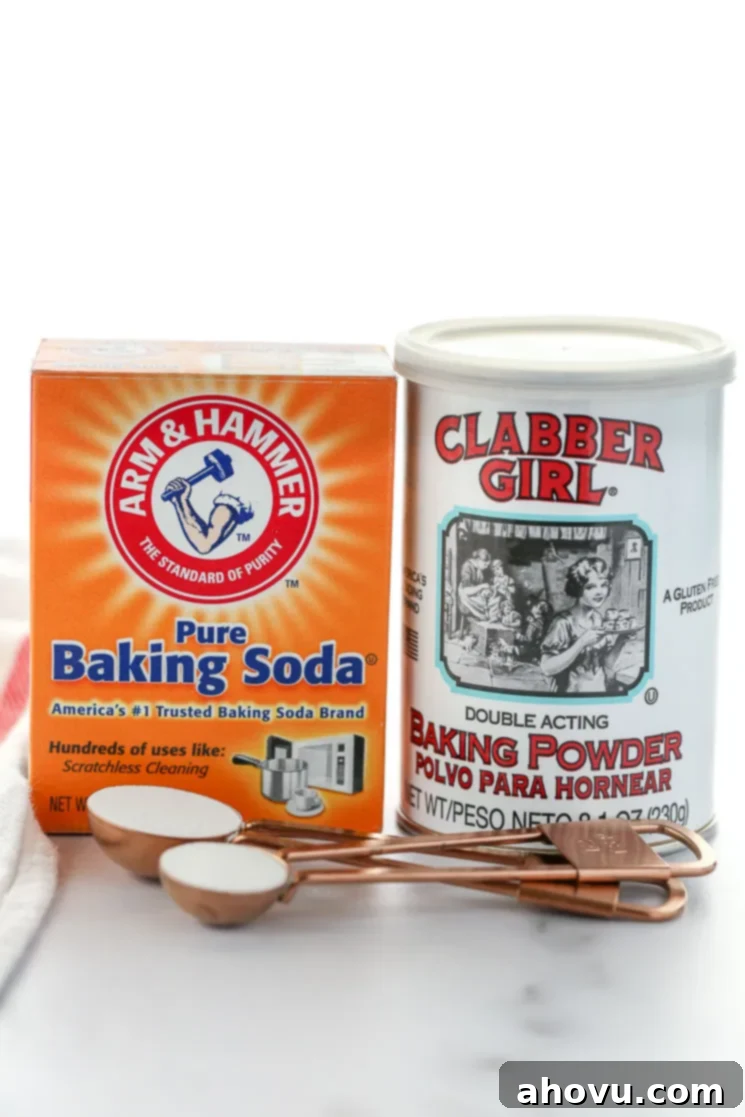
Every home baker, from novice to expert, has likely faced the common kitchen conundrum: “What exactly is the difference between baking soda and baking powder?” While their names sound similar and they both serve as crucial leavening agents, these two powerhouse ingredients are fundamentally distinct. Understanding their unique properties is key to achieving consistent, delicious results in your baking endeavors.
As integral components in countless recipes, mastering the roles of baking soda and baking powder is paramount. This guide is designed to be your ultimate resource, providing an in-depth exploration of each ingredient. We’ll cover how they function chemically within your batter, when and why to use them, how to effortlessly test their potency, and even how to make smart substitutions when you’re caught without one. If you’re fascinated by the transformative chemistry that happens in your oven, prepare to find this post incredibly enlightening and practical!
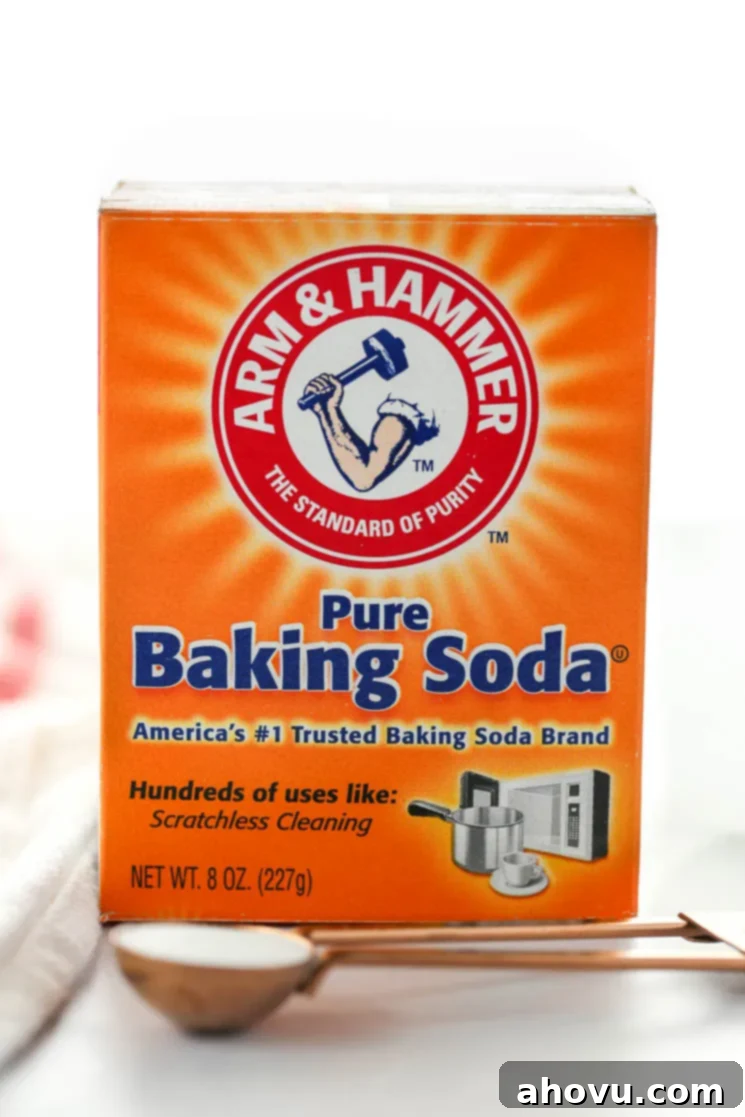
What is Baking Soda? Unveiling Sodium Bicarbonate
Baking soda, chemically known as sodium bicarbonate (or bicarbonate of soda), is a pure alkaline compound. Its primary function in baking hinges on a simple yet powerful chemical reaction: when combined with an acidic ingredient and moisture, it produces carbon dioxide gas. This reaction is what creates the “lift” or “rise” in your baked goods, giving them a light and airy texture.
In the presence of an acid, baking soda rapidly releases tiny carbon dioxide bubbles. These bubbles become trapped within the gluten structure of your batter, expanding as they heat in the oven, thus causing your cakes, cookies, and quick breads to rise beautifully. This process is immediate and vigorous, which is why recipes using baking soda often instruct you to bake promptly after mixing.
To ensure baking soda performs its leavening magic, your recipe must contain an adequate acidic component. Common acidic ingredients found in baking include:
- Lemon juice
- Vinegar (especially apple cider vinegar)
- Buttermilk (a classic partner for baking soda)
- Brown sugar (due to its molasses content)
- Sour cream or yogurt
- Molasses
- Honey
- Cocoa powder (natural, unsweetened cocoa is acidic; Dutch-processed is not)
It’s crucial to maintain a proper balance between baking soda and the acidic ingredients. An excess of baking soda, or insufficient acid to neutralize it, can leave a distinctly unpleasant metallic, soapy, or bitter aftertaste in your finished product. Conversely, enough baking soda also contributes to the desirable browning of baked goods, such as the golden crust on homemade pancakes, and helps tenderize the crumb.
How Much Baking Soda Should You Use?
The precise amount of baking soda required will always depend on the specific recipe and the quantity of acidic ingredients present. However, a general guideline often suggested is to use approximately 1/4 teaspoon of baking soda per cup of all-purpose flour. This is a starting point, and experienced bakers or specific recipes might deviate based on the desired rise and flavor profile. Always follow your recipe carefully, as too much can lead to that undesirable taste, and too little won’t provide enough lift.
How to Test Baking Soda for Freshness
Baking soda can lose its potency over time, especially if not stored properly. A simple test ensures your ingredient is still active and ready to perform:
- Place 1/4 teaspoon of baking soda into a small bowl.
- Add 1 tablespoon of fresh lemon juice or white vinegar over the baking soda.
- Observe the reaction. If the mixture immediately bubbles vigorously, your baking soda is fresh and good to use. If there are minimal bubbles or no reaction, it’s time to replace it.
This test works because you’re mimicking the acid-base reaction that happens in your baked goods. A strong reaction indicates the sodium bicarbonate is still capable of producing carbon dioxide.

What is Baking Powder? The All-in-One Leavening Agent
Is baking powder simply baking soda? Not quite! While baking soda is its fundamental component, baking powder is a complete leavening system unto itself. It is a carefully formulated mixture containing baking soda, an acid (typically cream of tartar), and a starch (like cornstarch) to keep the other two from reacting prematurely and to absorb moisture.
The beauty of baking powder lies in its self-sufficiency. Unlike baking soda, it doesn’t require an additional acidic ingredient in your recipe to activate its leavening power. The acidic component is already built right into the powder. All it needs is liquid to begin its initial reaction, and for most types, heat to initiate a second, more powerful rise.
There are two main types of baking powder available:
- Single-Acting Baking Powder: This type reacts fully and immediately upon contact with liquid. This means you need to get your batter into the oven very quickly after mixing to capture all the leavening gases before they dissipate. It’s less common in home kitchens today.
- Double-Acting Baking Powder: This is the most widely available and commonly used type of baking powder. As its name suggests, it works in two stages. The first reaction occurs when it’s moistened with liquid during mixing. The second, more significant reaction is activated by the heat of the oven. This two-stage process provides a more sustained and reliable lift, giving bakers more flexibility with their mixing and baking times without compromising the final rise.
The inclusion of cornstarch in baking powder serves a dual purpose: it acts as a buffer to prevent the acid and base from reacting prematurely when dry, and it also helps absorb any moisture that might otherwise lead to clumping or early activation.
How Much Baking Powder Should You Use?
Because baking powder is a blend of ingredients, including the less powerful acid and starch, it is not as potent as pure baking soda. In fact, baking soda is generally considered to be 3 to 4 times stronger than baking powder. A reliable rule of thumb for recipes calling for baking powder is to use approximately 1 teaspoon of baking powder per cup of all-purpose flour. Always adjust according to the specific recipe instructions to achieve the desired texture and rise.
How to Test Baking Powder for Freshness
Like baking soda, baking powder can lose its efficacy over time. Its freshness test is slightly different, reflecting its double-acting nature:
- Place 1/4 teaspoon of baking powder into a small bowl.
- Add 1 tablespoon of hot tap water over the baking powder.
- Observe for bubbles. If the mixture vigorously bubbles and fizzes, your baking powder is still fresh and ready for use. A weak or absent reaction indicates it has lost its leavening power.
The hot water helps to activate both stages of a double-acting baking powder’s reaction, giving you a clear indication of its potency.
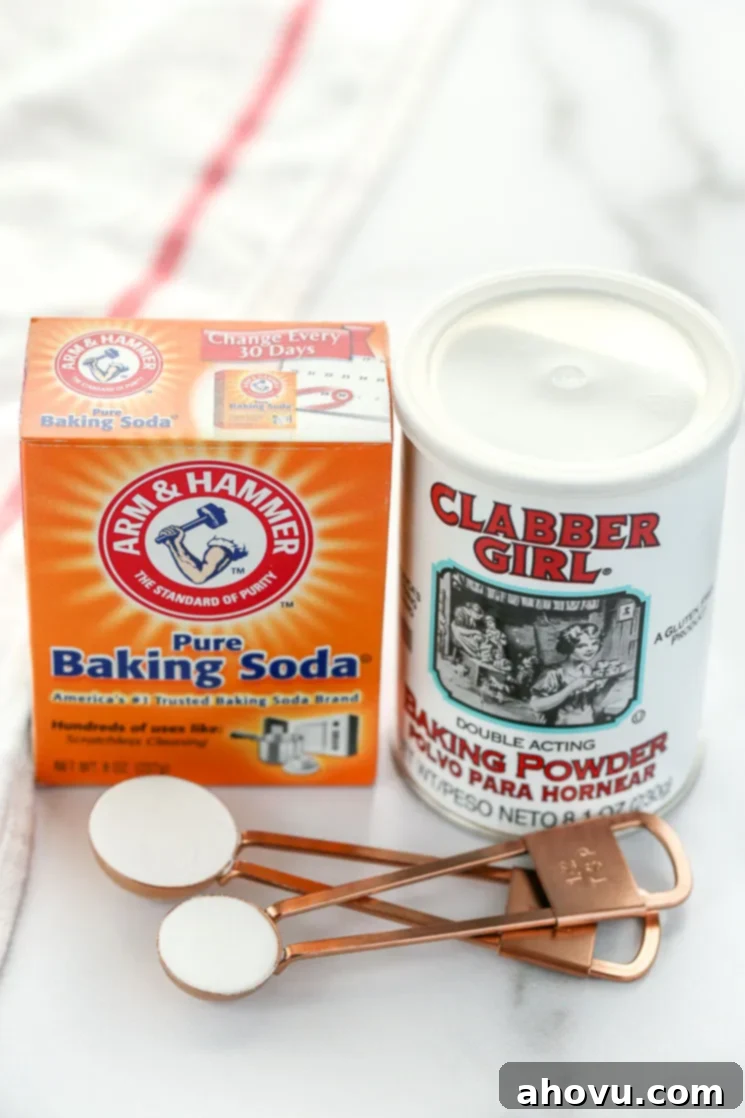
Frequently Asked Questions About Leavening Agents
Why Do Some Recipes Use Both Baking Soda and Baking Powder?
This is a common and insightful question! When a recipe calls for both baking soda and baking powder, it’s usually a sign of a carefully balanced formula. The most common reason is that the recipe contains some acidic ingredients (like buttermilk, brown sugar, or cocoa powder) but not enough to be fully neutralized by the baking soda alone. In such cases:
- Baking soda is included to react with the existing acidic ingredients, neutralizing them (which can affect flavor and color) and providing an initial burst of leavening.
- Baking powder is added to provide the *additional* lift needed to achieve the desired fluffy, light texture, without requiring more acid in the recipe.
This combination ensures optimal leavening, balances flavors, and often contributes to a tender crumb and appealing color. For example, chocolate cake recipes often use both to enhance flavor (baking soda reacts with acidic cocoa) and ensure a good rise (baking powder provides extra lift).
What’s a Good Substitute for Baking Powder?
If you find yourself without baking powder, you can easily create a substitute using baking soda and cream of tartar, provided you have both ingredients on hand. The ideal ratio is 2 parts cream of tartar to 1 part baking soda. For instance, if your recipe requires 1 1/2 teaspoons of baking powder, you would combine 1 teaspoon of cream of tartar with 1/2 teaspoon of baking soda. It’s crucial to use this homemade substitute immediately in your recipe, as the reaction begins as soon as the dry ingredients are mixed, especially if there’s any residual moisture in the air. This mixture acts similarly to single-acting baking powder.
What’s a Good Substitute for Baking Soda?
Substituting baking soda can be trickier, primarily because of its powerful leavening ability and its role in neutralizing acids. As established, baking soda is 3 to 4 times stronger than baking powder. Therefore, if you must substitute baking powder for baking soda, you’ll need to use a significantly larger quantity of baking powder. As a general rule, if your recipe calls for 1/4 teaspoon of baking soda, you can substitute it with 1 teaspoon of double-acting baking powder. However, be aware that this substitution may slightly alter the flavor and texture of your baked goods, as the baking powder won’t fully neutralize any acidic ingredients present, and it will introduce its own acidic component. This substitution is best reserved for recipes where the amount of baking soda is small, and the recipe doesn’t heavily rely on the acid-neutralizing property of baking soda for flavor balance. It’s always best to stick with baking soda when the recipe specifically calls for it.
How Often Should You Replace Baking Soda and Baking Powder?
For optimal freshness and consistent baking results, both baking soda and baking powder should be stored in a cool, dry place in airtight containers. When stored correctly, they can maintain their potency for up to 6 months, or even longer in ideal conditions. However, many avid bakers, myself included, prefer to replace these ingredients approximately every 3 months. This ensures maximum freshness and leavening power, minimizing the risk of a failed bake due to inactive ingredients. Always perform the freshness tests described above if you are unsure about the age or efficacy of your leavening agents.
We hope this comprehensive guide has helped clarify the distinct roles and properties of baking soda and baking powder, empowering you to bake with greater confidence and success. Understanding these fundamental ingredients is a significant step towards becoming a more skilled and intuitive baker. If you have any further questions or helpful tips, please don’t hesitate to share them in the comments section below! Happy baking!