Perfectly Sweet & Moist Homemade Cornbread Recipe: Your Ultimate Guide to Fluffy, Crispy Golden Goodness
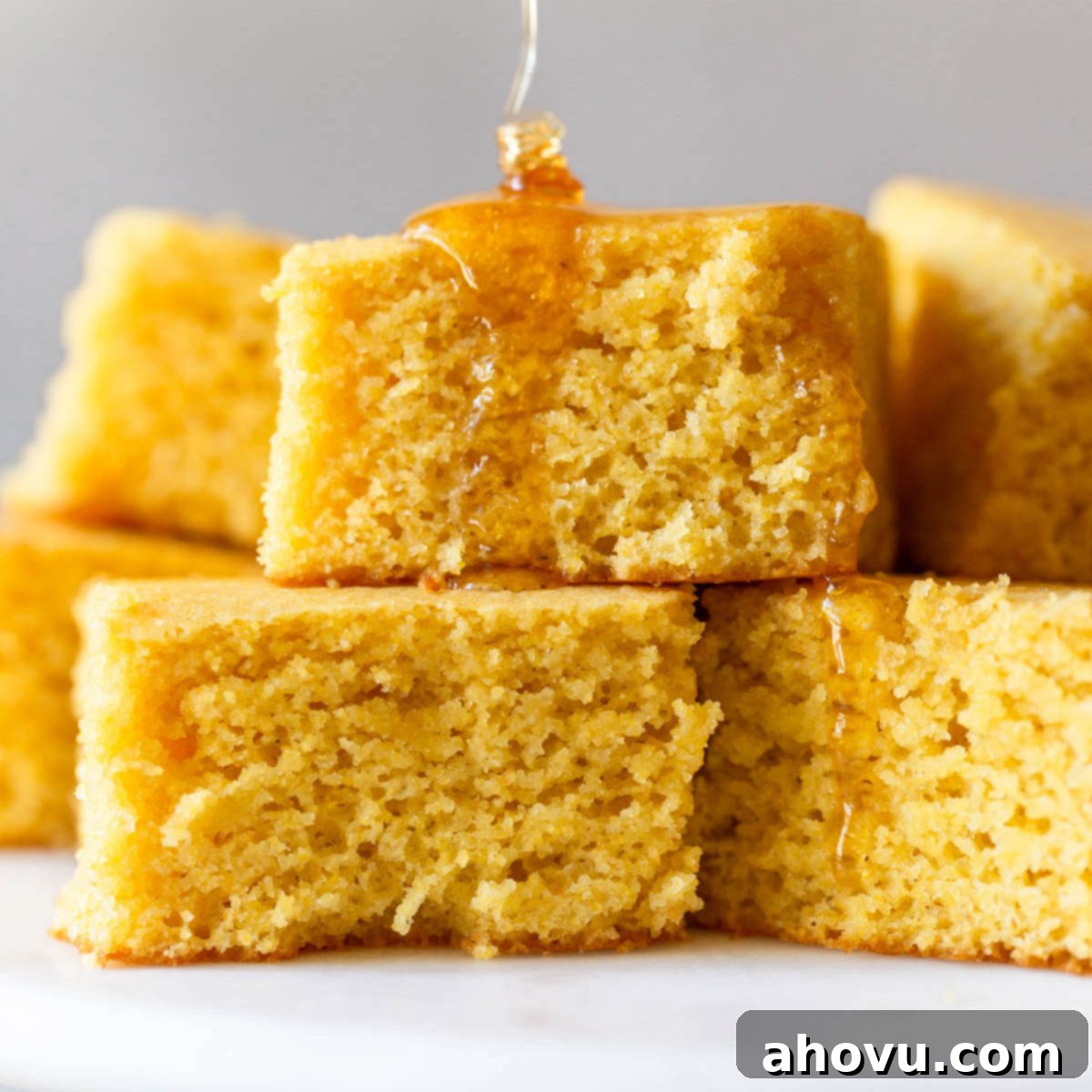
This easy Homemade Cornbread Recipe delivers an unparalleled experience: moist, perfectly sweet, and incredibly soft on the inside with those irresistible crispy, golden-brown edges. It’s truly perfect for any meal, serving as a versatile and beloved side dish.
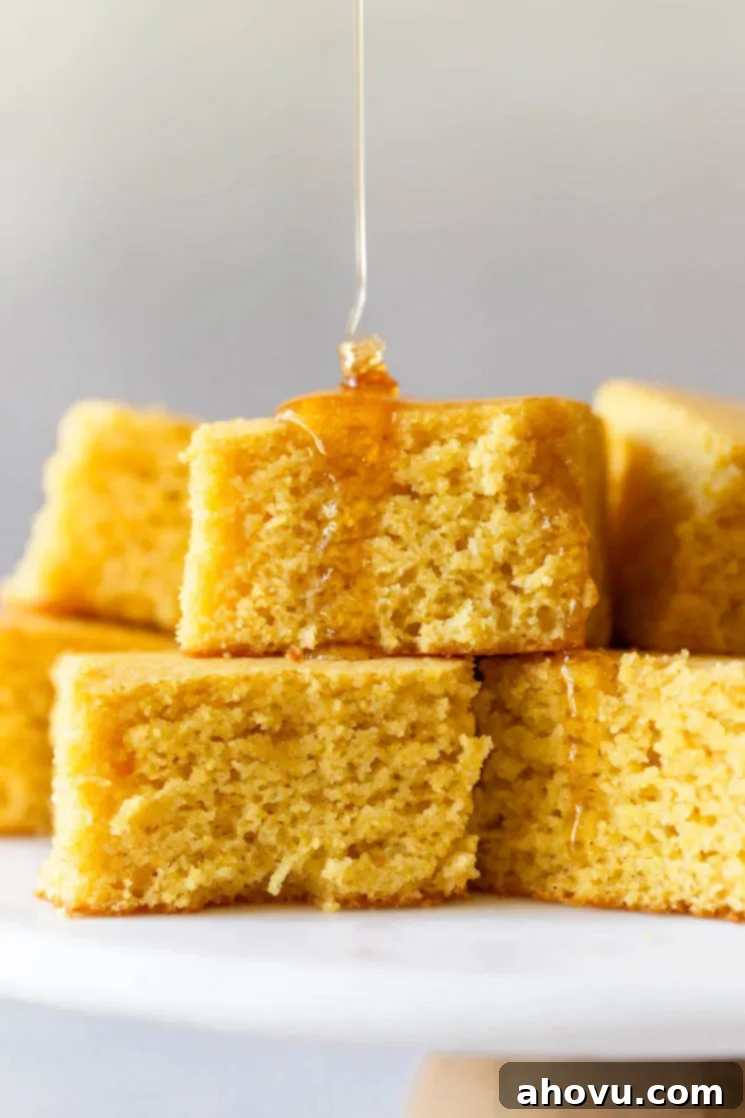
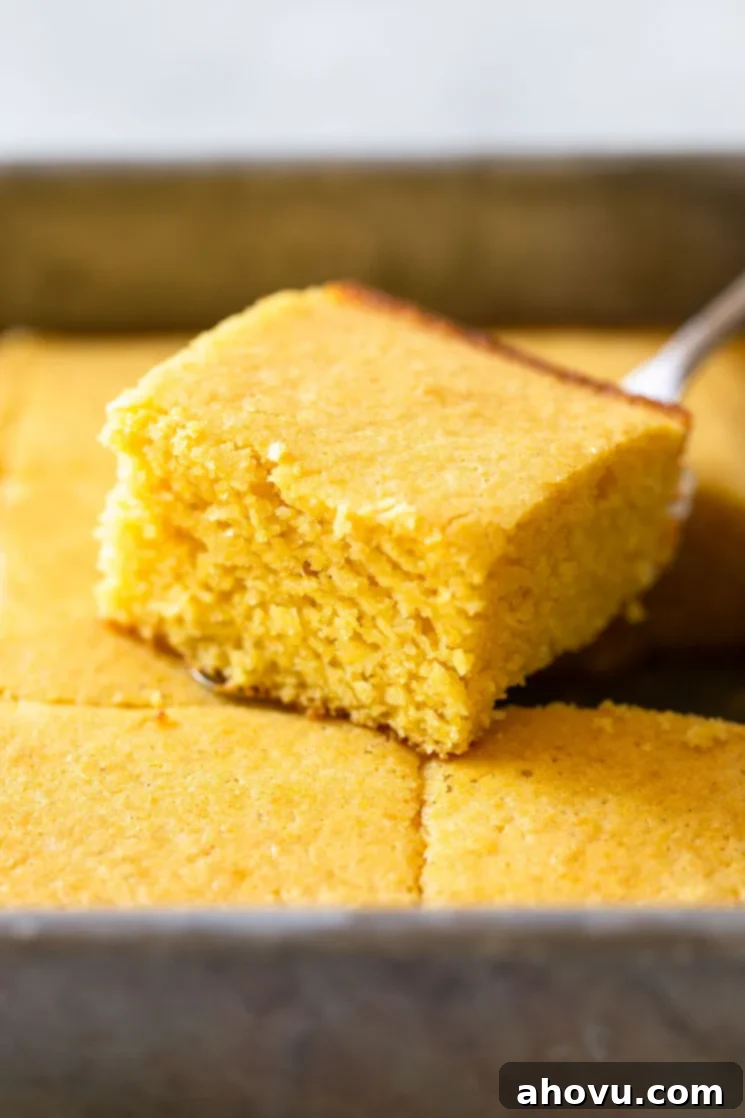
Few side dishes evoke such a warm sense of nostalgia and comfort as a perfectly baked batch of cornbread. Growing up, it was a staple on our family table, cherished for its unique combination of textures and flavors. That irresistible contrast between the rich, golden-brown crispy edges and the tender, fluffy interior is what makes cornbread so utterly delightful.
For years, like many home cooks, I relied on convenient store-bought mixes. While they served their purpose, I always longed for that truly exceptional, from-scratch taste and texture. A few weeks ago, I embarked on a mission to develop the ultimate homemade cornbread recipe – one that would capture everything I loved about it, but elevated. I envisioned a cornbread with those coveted crisp edges, a perfectly balanced sweetness that wasn’t overpowering, and a crumb so soft it practically melted in your mouth. This recipe is the culmination of that quest, checking every single box and proving that making homemade cornbread is not only achievable but also incredibly straightforward.
What makes this recipe truly special is its simplicity. You won’t need any exotic ingredients or complex techniques. In fact, chances are you already have most, if not all, of these basic pantry staples on hand right now. It’s a testament to the fact that the best flavors often come from the most humble beginnings.
Bonus: This versatile recipe isn’t limited to a traditional square pan. Whether you prefer individual cornbread muffins or the rustic charm of skillet cornbread, I’ve included detailed instructions to adapt this recipe to your preferred baking vessel!
Why Choose Homemade Cornbread?
While store-bought mixes offer convenience, opting for homemade cornbread elevates your dining experience significantly. When you bake from scratch, you gain complete control over the quality of ingredients, allowing you to avoid artificial flavors or preservatives often found in mixes. The result is a fresher, more authentic flavor and a texture that’s simply unmatched – think a truly tender crumb and those deeply satisfying crispy edges that only a homemade recipe can achieve. Plus, there’s an inherent joy and pride in serving something you’ve created with your own hands, filling your kitchen with the comforting aroma of freshly baked bread.
Essential Ingredients for Perfect Cornbread
Creating this delicious cornbread starts with understanding the role each ingredient plays. We’ll combine a selection of dry and wet ingredients that work in harmony to produce a moist, tender, and perfectly textured loaf.
The Dry Ingredients: The Foundation of Flavor and Structure
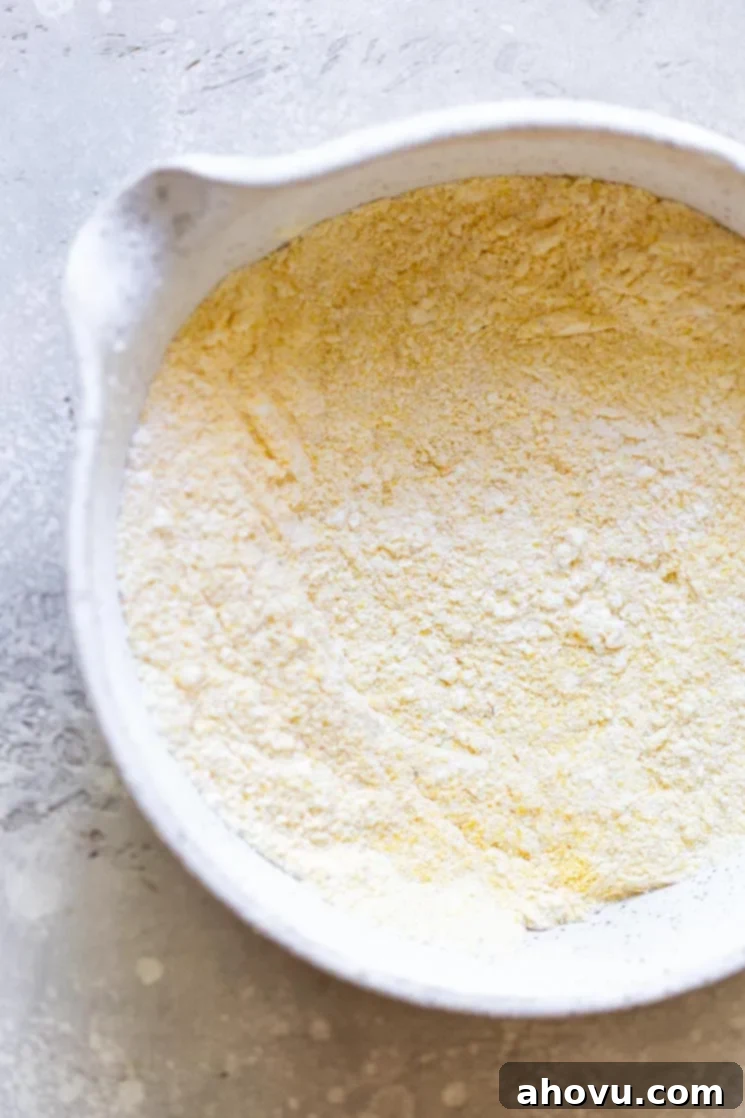
Begin by carefully whisking together your dry ingredients. This step ensures even distribution of leavening agents and salt, crucial for a consistent rise and flavor throughout your cornbread.
- All-Purpose Flour: This provides the primary structure for our cornbread. When measuring flour, it’s vital to use the “spoon and level” method. Instead of scooping directly with your measuring cup (which compacts the flour, leading to too much being used), gently spoon the flour into your measuring cup until it overflows, then level it off with the back of a knife. This technique prevents a dense, heavy cornbread, ensuring a light, soft, and fluffy result.
- Yellow Cornmeal: The star of the show, yellow cornmeal imparts that classic cornbread flavor and a slightly gritty, pleasant texture. I’ve found that using equal amounts of all-purpose flour and yellow cornmeal creates the perfect balance, delivering robust corn flavor without being overly crumbly. Be sure to select regular yellow cornmeal, not self-rising cornmeal, which already contains baking powder and salt and would throw off our leavening balance. Fine or medium-ground cornmeal typically works best for a tender crumb.
- Baking Powder & Baking Soda: These are our essential leavening agents. The combination of both baking powder and baking soda is key to achieving the ideal rise and airy texture. Baking soda requires an acid (which our buttermilk provides) to activate fully, while baking powder works independently and also reacts a second time with heat, ensuring a consistent lift.
- Salt: A crucial flavor enhancer, salt isn’t just for making things salty. In baking, it brightens and balances the sweetness from the sugar and honey, bringing out the true depth of the cornmeal flavor.
The Wet Ingredients: Bringing Moisture and Sweetness
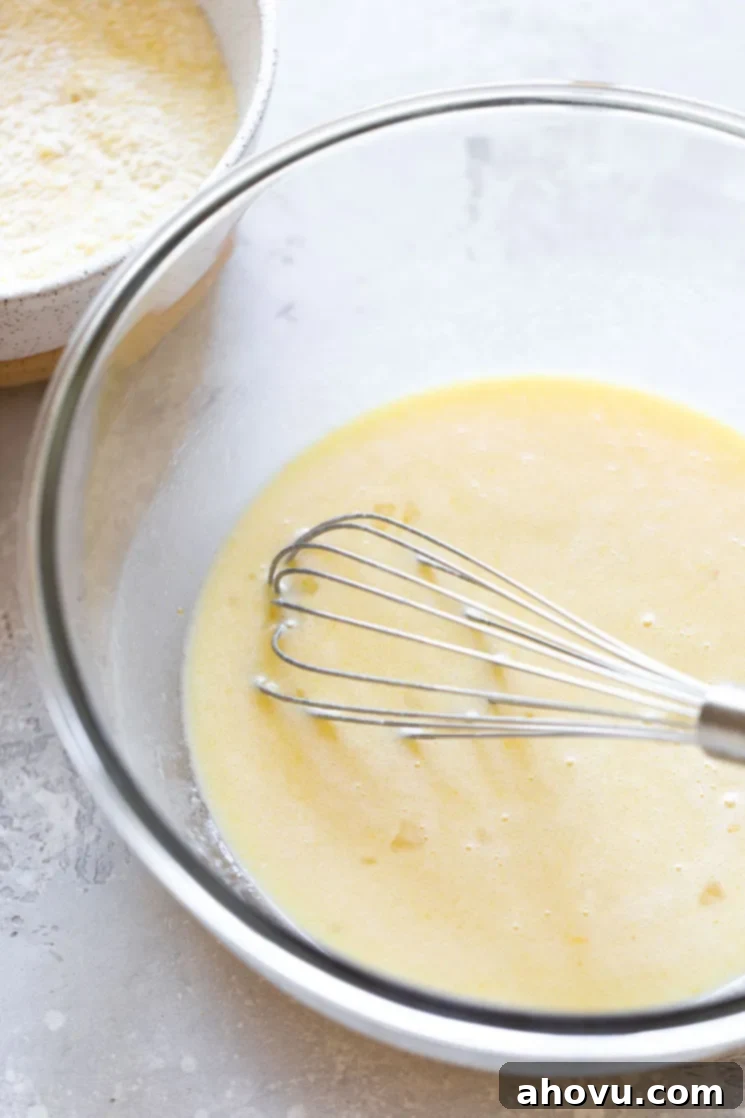
Once your dry ingredients are perfectly mixed, turn your attention to the wet components. These ingredients infuse our cornbread with moisture, richness, and that coveted sweet profile.
- Unsalted Butter: For maximum convenience and a wonderfully tender result, we use melted unsalted butter. Melting the butter ensures it’s easily incorporated into the batter, distributing richness evenly. Opting for unsalted butter is always recommended in baking, as it allows you to precisely control the amount of salt in the overall recipe. If you only have salted butter on hand, simply reduce the added salt in the dry ingredients to just 1/8 teaspoon to avoid an overly salty flavor.
- Granulated Sugar & Honey: This recipe utilizes a delightful combination of both granulated sugar and honey, with 1/4 cup of each. This dual approach provides a nuanced sweetness that is perfectly balanced – sweet enough to be delicious but never cloyingly so. Granulated sugar contributes to the browning of the edges and a classic sweetness, while honey adds a unique depth of flavor, extra moisture, and a lovely golden hue.
- Eggs: Eggs are vital for binding all the ingredients together, providing structure to the cornbread, and contributing to its rich, moist texture. Using large, room-temperature eggs is ideal, as they emulsify more easily with the other wet ingredients, leading to a smoother, more uniform batter.
- Buttermilk: Buttermilk is the secret weapon for an incredibly moist and tender cornbread with a fine crumb. Its acidity reacts with the baking soda, aiding in leavening, and its unique properties contribute significantly to the overall texture. If you don’t have buttermilk readily available, don’t despair! You can easily make a homemade buttermilk substitute by adding 1 tablespoon of lemon juice or white vinegar to a liquid measuring cup, then filling the rest of the cup with regular milk (dairy or non-dairy) until it reaches the 1-cup line. Stir gently and let it sit for 5-10 minutes until it slightly curdles.
Crafting Your Homemade Cornbread: Step-by-Step
With your ingredients prepped, the baking process is wonderfully straightforward. Follow these steps for a perfect batch every time:
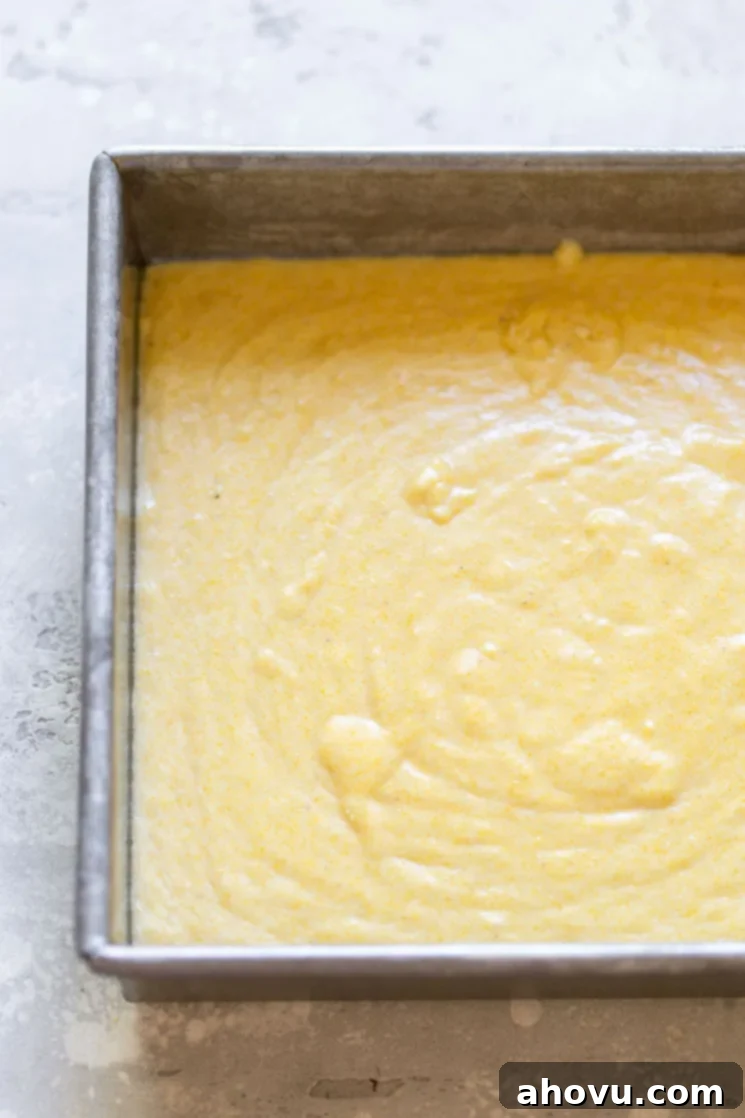
- Combine Wet and Dry: Once both your dry and wet ingredient mixtures are ready, it’s time to bring them together. Pour the wet ingredients into the bowl with the dry ingredients. Mix gently with a whisk or spatula until they are *just combined*. It’s crucial to avoid overmixing, as this can develop the gluten in the flour, leading to a tough and dense cornbread. A few small lumps are perfectly fine.
- Prepare for Baking: Pour your beautifully combined batter into a greased 8-inch square baking pan. Use a spatula to gently spread the batter evenly. The higher oven temperature of 400°F (204°C) is key here; it not only helps the cornbread achieve a proper and impressive rise but is also instrumental in creating those sought-after, deeply golden-brown crispy edges that everyone loves.
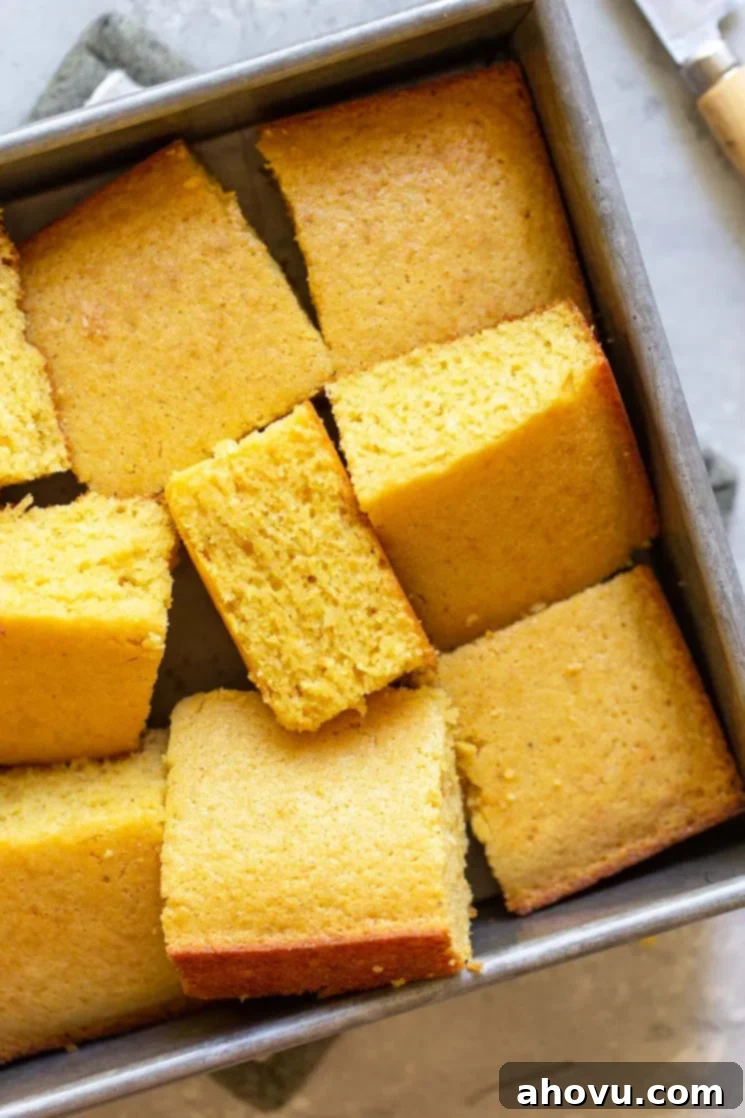
- Bake to Perfection: Place the prepared pan into your preheated oven and bake for 18-22 minutes. You’ll know it’s done when the edges are visibly browned and a toothpick inserted into the center comes out clean or with only a few moist crumbs attached.
- Cool and Serve: Once baked, remove the cornbread from the oven. While it’s tempting to dive right in, allow it to cool slightly in the pan for about 5-10 minutes before transferring it to a wire rack to cool further. This brief cooling period helps the cornbread set and makes it easier to slice without crumbling. For an extra touch of indulgence, I highly recommend serving it warm with a generous pat of butter and a delicate drizzle of extra honey. The melted butter seeps into the warm cornbread, and the honey adds another layer of sweet, comforting flavor.
Versatile Baking: Adapting to Different Pan Sizes
While an 8-inch square pan is a fantastic and convenient option for this cornbread, its versatility shines through in other baking vessels. Here’s how to adjust the recipe for delicious cornbread muffins or a rustic skillet cornbread:
- To Make Cornbread Muffins: For individual portions, spray the cavities of a standard 12-count muffin pan generously with nonstick cooking spray or grease them thoroughly with butter. Evenly distribute the prepared cornbread batter among all 12 muffin cavities. Bake at 400°F (204°C) for a slightly shorter duration of 13-15 minutes, or until the tops are golden brown and a toothpick inserted into the center of a muffin comes out clean. Muffins offer a delightful crust-to-interior ratio and are perfect for grab-and-go servings.
- To Make Skillet Cornbread: For a truly authentic and incredibly crispy crust, skillet cornbread is the way to go. Place a 10-inch cast iron skillet into the oven as it preheats to 400°F (204°C). While the skillet and oven are heating, prepare your cornbread batter. Once the batter is ready, melt one tablespoon of butter in the microwave. Carefully (and with oven mitts!) remove the hot skillet from the oven. Pour the melted butter into the scorching hot skillet and use a pastry brush to quickly and thoroughly coat the bottom and sides. Immediately pour the cornbread batter into the hot, buttered skillet. Return the skillet to the oven and bake for 18-22 minutes, or until the top is golden brown and a toothpick inserted into the center comes out clean. The preheated skillet is key to achieving that deep, golden, and satisfyingly crisp bottom crust.
Expert Baking Tips for Cornbread Success
Achieving consistently perfect cornbread is simple when you follow a few key guidelines:
- Accurate Flour Measurement: Always use the spoon and level method for measuring flour. Stir the flour in its container to aerate it, then gently spoon it into your measuring cup until it overflows, and level it off with the flat side of a knife. This prevents over-measuring, which leads to dense cornbread.
- Choose the Right Cornmeal: Ensure you are using regular yellow cornmeal, not self-rising cornmeal. Self-rising varieties contain added leavening and salt, which will disrupt the balance of this recipe.
- Avoid Overmixing: Mix the wet and dry ingredients together only until they are just combined. Overmixing develops gluten in the flour, resulting in a tough, chewy cornbread rather than a soft and fluffy one. A few small lumps are perfectly acceptable.
- Preheat Your Oven Thoroughly: Always make sure your oven is fully preheated to the specified temperature before placing the cornbread inside. A hot oven is crucial for immediate lift and helps to create those desirable crisp, golden-brown edges.
- Room Temperature Ingredients: Whenever possible, use room temperature eggs and buttermilk. They combine more easily and evenly with other ingredients, leading to a smoother batter and a better final texture.
- Customize Your Cornbread: Feel free to experiment with additions! For a delightful savory kick, consider making a jalapeño cheddar cornbread by adding 1/2 to 3/4 cup of shredded cheddar cheese and 2-3 chopped jalapeños (with seeds removed for less heat) to the batter after combining wet and dry ingredients.
Serving Suggestions: The Perfect Accompaniment
Cornbread is incredibly versatile and pairs beautifully with a wide array of dishes. It’s more than just a side; it’s a comforting addition that elevates any meal:
- Classic Pairings: Serve it alongside hearty bowls of chili, stews, or soups. Its absorbent texture is perfect for soaking up rich broths and sauces.
- Southern Comfort: It’s a must-have with barbecue, fried chicken, collard greens, or pulled pork.
- Breakfast Delight: Enjoy it for breakfast with a dollop of butter and a drizzle of maple syrup, or as a base for savory breakfast casseroles.
- Creative Toppings: Beyond butter and honey, consider serving it with a flavored butter (like honey-cinnamon butter or herb butter), a dollop of sour cream, or even a savory bacon jam.
Storage and Freezing Instructions
To keep your homemade cornbread fresh and delicious:
- Room Temperature: Store cooled cornbread in an airtight container at room temperature for up to 3-5 days. While it’s best enjoyed fresh, it remains moist and flavorful for several days.
- Freezing: For longer storage, allow the cornbread to cool completely. Wrap individual slices or the entire loaf tightly in plastic wrap, then place in a freezer-safe bag or airtight container. It can be stored in the freezer for up to 3 months.
- Reheating: Thaw frozen cornbread at room temperature or gently reheat slices in the microwave for 20-30 seconds until warm. You can also warm it in a low oven (around 300°F/150°C) for 10-15 minutes for a slightly crisper exterior.
Frequently Asked Questions About Cornbread
New to cornbread baking or have questions about this recipe? Here are some common queries:
- Why is my cornbread dry? Dry cornbread is often the result of overbaking, measuring too much flour (not using the spoon and level method), or overmixing the batter. Ensure you follow the baking times closely and mix only until just combined.
- Can I use self-rising cornmeal? No, this recipe specifically calls for regular yellow cornmeal. Self-rising cornmeal already contains leavening agents and salt, which would throw off the balance of this recipe and could lead to an overly salty or unusually textured cornbread.
- What kind of cornmeal is best for this recipe? For a tender crumb and classic flavor, fine or medium-ground yellow cornmeal is ideal. Brands like Quaker yellow cornmeal work wonderfully.
- Can I substitute milk for buttermilk? While buttermilk is highly recommended for its tenderness and moisture, you can create a homemade substitute. Add 1 tablespoon of white vinegar or lemon juice to a measuring cup, then fill it to the 1-cup line with regular milk. Let it sit for 5-10 minutes until it slightly curdles before using.
- How do I get crispy edges on my cornbread? Several factors contribute to crispy edges: a high oven temperature (400°F/204°C), a well-greased baking pan, and especially using a preheated cast iron skillet (as detailed in the “Skillet Cornbread” section).
Homemade Cornbread Recipe
Pin Recipe
SaveSaved!
Leave a Review
Ingredients
- 1 cup (155 grams) yellow cornmeal
- 1 cup (125 grams) all-purpose flour spooned and leveled
- 1 teaspoon baking powder
- ½ teaspoon baking soda
- ¼ teaspoon salt
- ¼ cup (60 grams) unsalted butter, melted and slightly cooled
- ¼ cup (50 grams) granulated sugar
- ¼ cup (85 grams) honey
- 2 large eggs room temperature
- 1 cup (240 ml) buttermilk room temperature
Instructions
-
Preheat the oven to 400°F (204°C). Grease an 8-inch square baking dish generously with butter or spray with nonstick cooking spray. Set aside.
-
In a large mixing bowl, whisk together the cornmeal, all-purpose flour, baking powder, baking soda, and salt until well combined.
-
In a separate large mixing bowl, whisk together the melted butter, granulated sugar, honey, eggs, and buttermilk until fully combined.
-
Add the dry ingredients to the wet ingredients and mix together until just combined. Pour the batter into the prepared baking pan and smooth it out.
-
Bake at 400°F (204°C) for 18-22 minutes or until the edges are browned and a toothpick inserted into the center comes out clean.
-
Remove from the oven, transfer to a wire rack to cool, then slice, and enjoy.
Notes
Freezing Instructions: Once the cornbread has cooled completely, you may store it in a freezer bag or container for up to 3 months. Thaw to room temperature before serving or reheat frozen slices/muffins in the microwave for 20-30 seconds.
Yellow Corn Meal: Make sure to use regular yellow corn meal and not self-rising corn meal. I really love Quaker yellow corn meal in this cornbread, but anything similar will be fine.
Unsalted Butter: I recommend unsalted butter so that you can control the amount of salt. If using salted butter, reduce the salt in this recipe to 1/8 teaspoon.
Buttermilk: If you don’t have any on hand, you can use my homemade buttermilk substitute.
To make cornbread muffins: Spray the cavities in a 12-count muffin pan well with nonstick cooking spray or grease with butter. Evenly distribute the batter between all 12 cavities in the muffin pan. Bake at 400°F for 13-15 minutes or until a toothpick inserted into the center of the muffins comes out clean.
To make skillet cornbread: Place a 10-inch cast iron skillet into the oven while you prepare the batter. Once the batter is ready, melt one tablespoon of butter in the microwave, then carefully remove the skillet from the oven (make sure to be careful – it will be hot!). Pour the melted butter into the skillet, use a pastry brush to brush it around the skillet, then pour the batter into the hot skillet. Return to the oven and bake at 400°F for 18-22 minutes or until a toothpick inserted into the center comes out clean.
For a jalapeño cheddar cornbread: After you combined the wet and dry ingredients, add 1/2 – 3/4 cup of shredded cheddar cheese and 2-3 chopped jalapeños with the seeds removed.