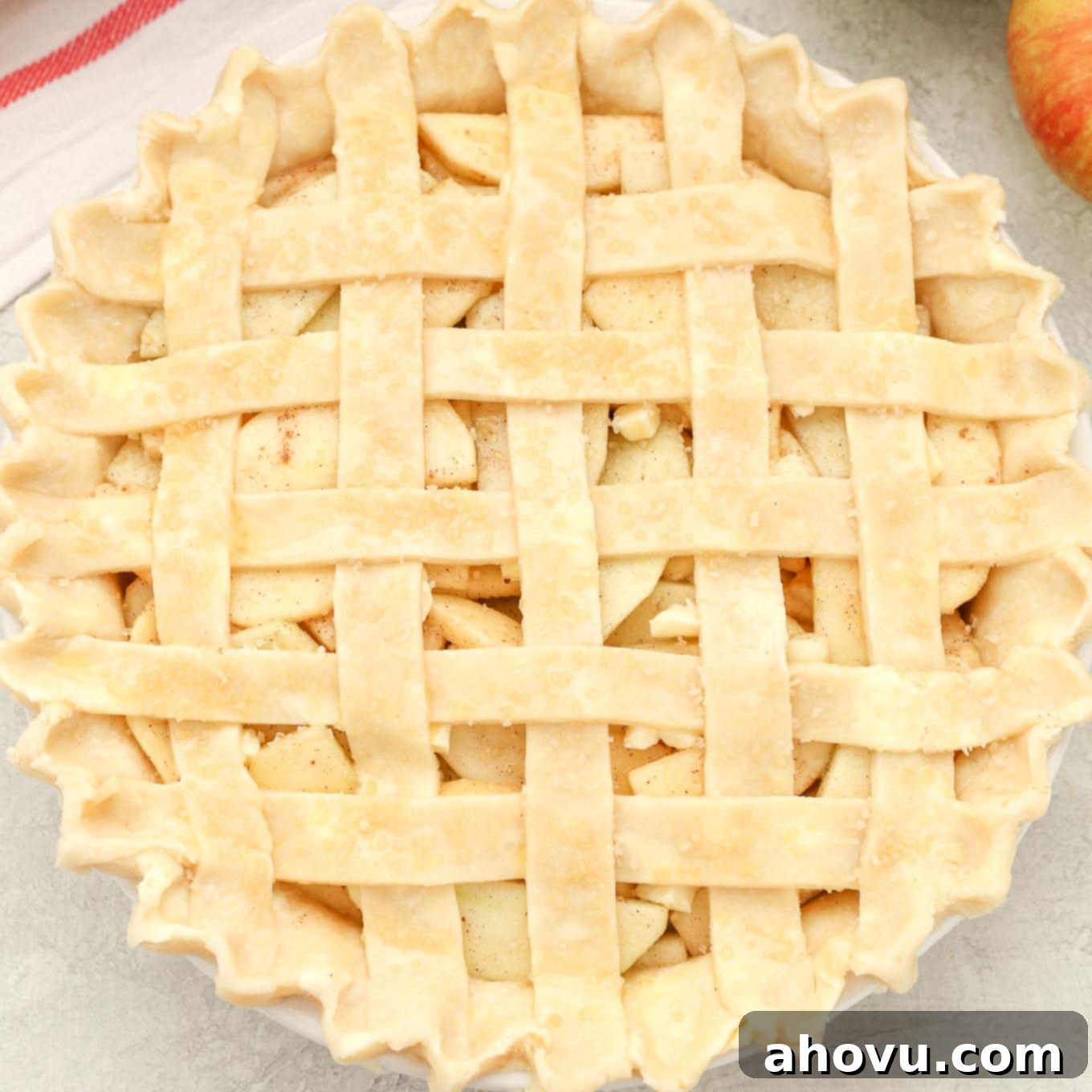
Mastering the Easy Lattice Pie Crust: A Step-by-Step Guide to Beautiful Baking
Have you ever marveled at a beautifully woven lattice pie crust, thinking it must be an incredibly difficult feat of baking artistry? Many home bakers share this sentiment, often finding the idea of creating such an intricate design intimidating. However, what if we told you that crafting a stunning lattice pie topping is far simpler than it appears? This comprehensive, easy-to-follow tutorial will demystify the process, guiding you through each step to create a decorative pie crust that will impress everyone, proving that elegance in baking doesn’t have to be complicated.
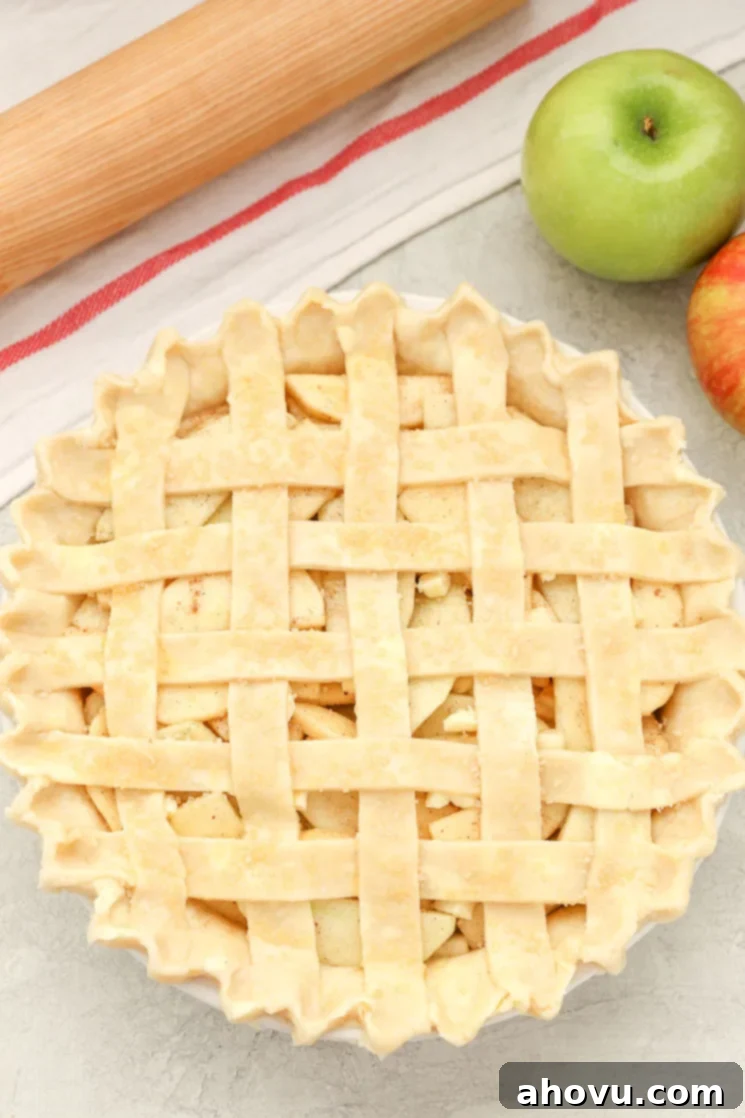
For a long time, the mere thought of attempting to weave a lattice topping on a pie seemed like an insurmountable challenge in my baking journey. It conjured images of complex braiding techniques and delicate pastry work that felt beyond my skill level. It wasn’t until I decided to finally face my fears and try it myself, not just once but a few times, that I had a significant revelation: it’s actually not very difficult at all! Like many aspects of baking, it simply requires understanding a clear process and a bit of practice. The initial intimidation quickly faded, replaced by the satisfaction of creating something visually spectacular with surprising ease.
Through some enjoyable trial and error in my kitchen, I meticulously refined a technique that transforms the daunting task of weaving a lattice pie crust topping into an extremely easy and surprisingly quick process. You’ll be amazed at how a few minutes can elevate your pie from simple to show-stopping. If you possess the basic skills of rolling out pie dough, cutting it into even strips, and are willing to follow a few straightforward steps, then you are perfectly equipped to assemble this beautiful decorative element. This isn’t just a technique for expert bakers; it’s accessible to anyone looking to add a touch of handmade charm to their desserts.
With festive occasions like Thanksgiving and other holidays just around the corner, mastering this simple lattice technique becomes even more valuable. It’s a perfect way to infuse a special, homemade touch into your holiday pies without demanding extensive time or effort. Imagine the compliments you’ll receive as your guests admire the intricate design gracing your pie. Everyone will likely assume it took hours of painstaking work, but the truth – that it’s actually incredibly easy and quick – can remain our little baking secret. This decorative pie crust not only looks fantastic but also allows steam to escape during baking, contributing to a perfectly cooked filling and a wonderfully flaky crust.
Gathering Your Materials: The Foundation of Your Lattice
To embark on crafting this beautiful lattice topping, your journey begins with the essential ingredient: pie crust dough. You have a couple of excellent options here, depending on your comfort level and the time you have available. For those seeking maximum convenience without compromising on quality, readily available store-bought pie crusts are a fantastic choice. They are consistently good and save a significant amount of preparation time, allowing you to focus purely on the art of the lattice. Simply ensure you have two crusts for a standard pie, one for the bottom and one for the lattice topping.
However, if you’re feeling a touch more adventurous, or if you simply prefer the unparalleled flavor and texture of a truly homemade crust, then making your own pie dough is a wonderfully rewarding experience. The process is simpler than you might imagine, and the resulting flaky, buttery crust is undeniably superior. For a comprehensive, full step-by-step tutorial on how to create a perfect homemade pie crust from scratch, which is surprisingly simple to master, you can follow my detailed guide right here. Whichever dough option you choose, ensure it is well-chilled before you begin, as cold dough is much easier to work with and helps maintain the integrity of your lattice design.
Preparing Your Dough Strips: Precision for Perfection
Once you have your chosen pie dough ready, the next critical step is to prepare it for weaving. You’ll need to roll out the dough evenly and then cut it into uniform strips. For a standard 9-inch pie, I’ve found that strips approximately 3/4-inch wide are ideal. This thickness strikes a perfect balance, providing enough substance for easy handling without being overly chunky, allowing for that classic, elegant lattice appearance. While you can certainly experiment with slightly thicker strips if you prefer a bolder look, be mindful that excessively thick strips can become challenging to weave smoothly and may not lie as flat, potentially making your lattice less stable. Conversely, strips that are too thin can be fragile and prone to breaking during the weaving process, so aim for that sweet spot of about 3/4 inch.
You’ll typically need about 10 to 12 strips for a standard pie, depending on how tightly woven you want your lattice and the exact size of your pie plate. To ensure precision and straight lines, I highly recommend using a ruler and a sharp pastry wheel or a knife. Cut the strips carefully, taking your time to achieve consistent widths across all pieces. This uniformity is key to a professional-looking lattice. Once your strips are cut, gently place them on a parchment-lined baking sheet and chill them in the refrigerator for another 10-15 minutes. This brief chilling period will make the dough firmer, significantly easier to handle, and less likely to stretch or tear during the weaving process, setting you up for success.
The Weaving Process: Step-by-Step Lattice Creation
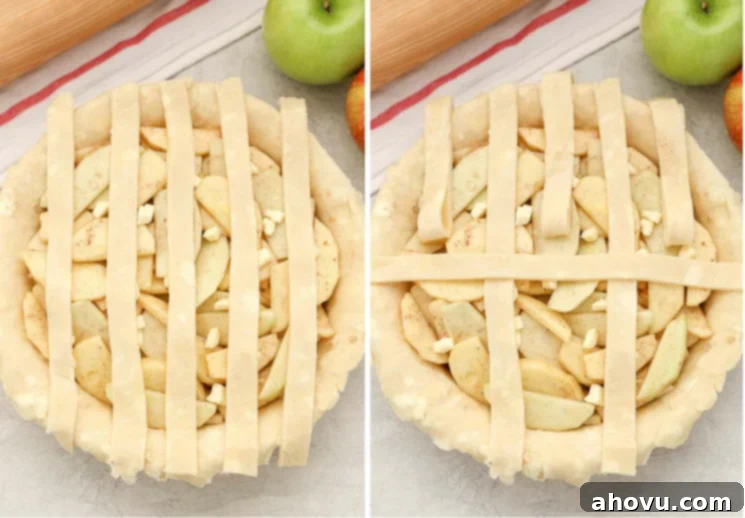
Now, let’s dive into the exciting part: weaving your beautiful lattice! Start by carefully placing five of your chilled dough strips vertically across the top of your pie, which should already have its bottom crust filled with your chosen delicious pie filling. Aim to space these vertical strips as evenly as possible. Don’t worry too much about perfection at this stage; slight adjustments can always be made. For easier reference during the weaving, let’s mentally number these vertical strips from left to right as 1, 2, 3, 4, and 5. This numbering system will be invaluable for keeping track of your pattern.
Weaving the Central Strip
The first horizontal strip is crucial, as it sets the foundation for your entire lattice pattern. To begin, gently lift up alternate vertical strips – specifically, strips 1, 3, and 5. Fold them back over themselves, creating enough space to slide another strip underneath. Take one of your remaining dough strips and carefully place it horizontally across the middle of the pie, directly underneath the lifted strips. Position it so it bisects the pie, creating a central anchor point for your design. I always recommend starting in the middle because it inherently helps in ensuring that your subsequent strips are evenly spaced and that the overall lattice remains centered and symmetrical. Once the horizontal strip is in place, gently fold strips 1, 3, and 5 back down over it, allowing them to lie flat again. You’ve just completed the first, and arguably the most important, weave!
Building the Upper Half of Your Lattice
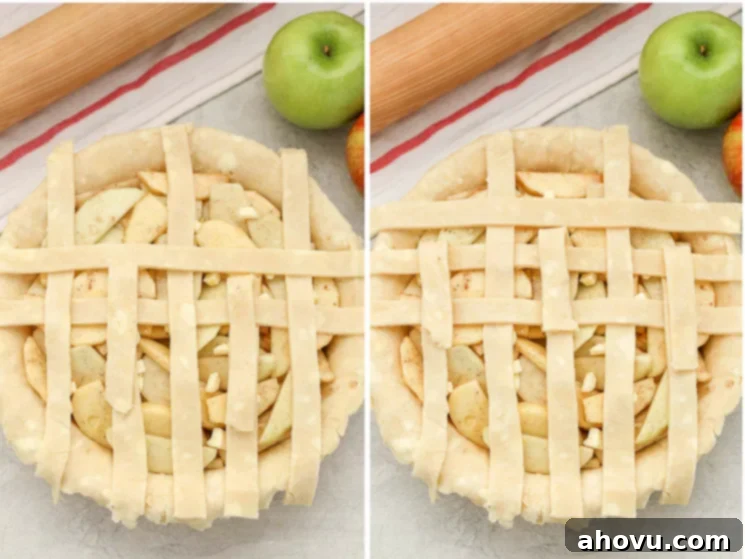
With the central horizontal strip secured, you can now proceed to build the rest of your lattice. For this tutorial, we’ll start by working our way upwards from the center. The pattern is based on alternating which vertical strips are lifted. For your next horizontal strip, you will reverse the pattern from the first weave. This time, gently lift up strips 2 and 4. These are the vertical strips that were *not* lifted in the previous step. Carefully place another strip of dough horizontally, parallel to the first, just above the central strip. Once it’s positioned correctly, gently lay strips 2 and 4 back down over the newly placed horizontal strip. Take your time with each placement to ensure neatness and even tension.
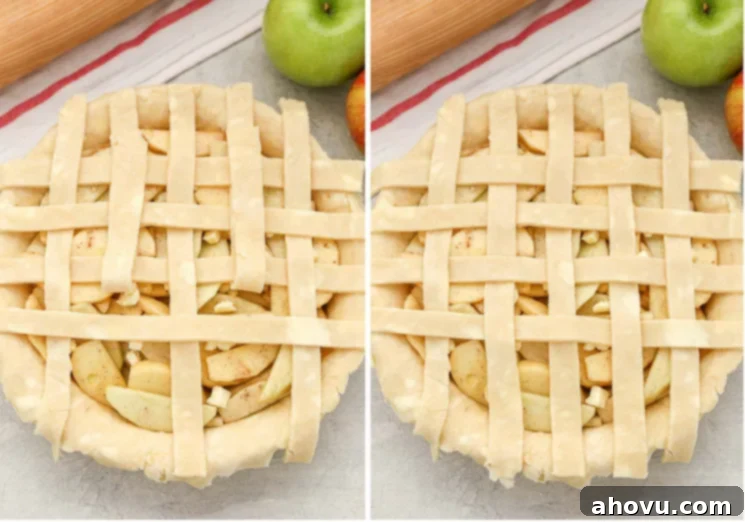
To add the next horizontal strip, closest to the top edge of the pie, you will revert to the original lifting pattern. Lift strips 1, 3, and 5 back up. Place one more piece of dough horizontally towards the top edge of the pie, just above the previous horizontal strip. Once this strip is in place, carefully fold strips 1, 3, and 5 back down. You have now successfully completed the upper half of your lattice design! Take a moment to admire the emerging pattern, ensuring your strips are relatively straight and evenly spaced. If any adjustments are needed, now is the time to gently nudge the strips into their ideal positions before they get too warm and soft.
Completing the Lower Half
Once the upper section of your pie’s lattice is beautifully completed, you’ll simply repeat the same alternating weaving process for the bottom portion of the pie. The key is consistency in your pattern. Just as you did for the upper half, mimic the alternating lifts and placements below the central horizontal strip.
To place the first horizontal strip in the lower section, you’ll lift strips 2 and 4 back up. This is the opposite set of vertical strips from your very first central weave. Gently slide another horizontal piece of dough underneath the lifted strips, parallel to the central strip and positioned towards the middle-bottom section of the pie. After placing it, carefully lay strips 2 and 4 back down over this new horizontal strip, securing it in place. Maintain gentle tension to keep your lattice neat and tight, but avoid pulling too hard, which could stretch or tear the dough.
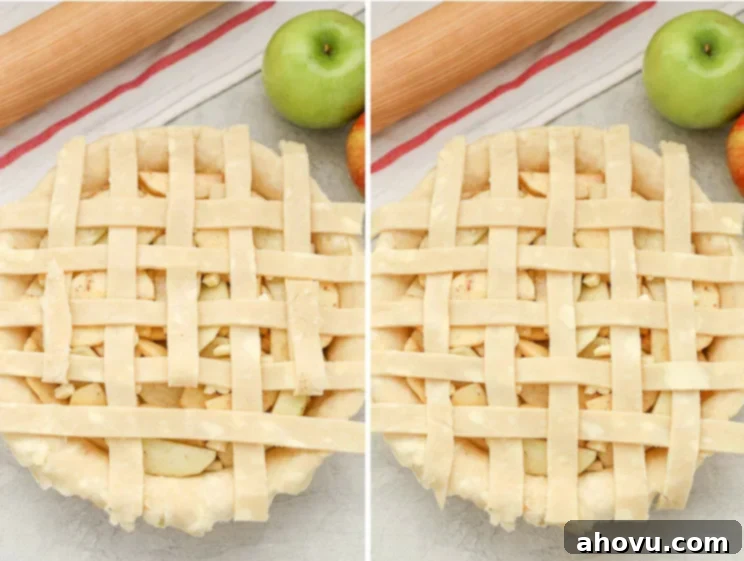
Finally, to add the last horizontal strip for the bottom half, which will be closest to the bottom edge of your pie, you will again alternate your lift. Lift strips 1, 3, and 5 back up, just as you did for the very first horizontal strip and the uppermost one. Carefully place down your final strip of dough horizontally, ensuring it’s evenly spaced from the previous one. With the last strip in position, gently lay strips 1, 3, and 5 back down over it. And there you have it! Your beautiful, intricate lattice pattern is now fully woven. Take a step back and appreciate your handiwork. The alternating over-and-under pattern should now be clearly visible, creating that classic basketweave effect.
Finishing Touches: Trimming, Sealing, and Decorating the Edges
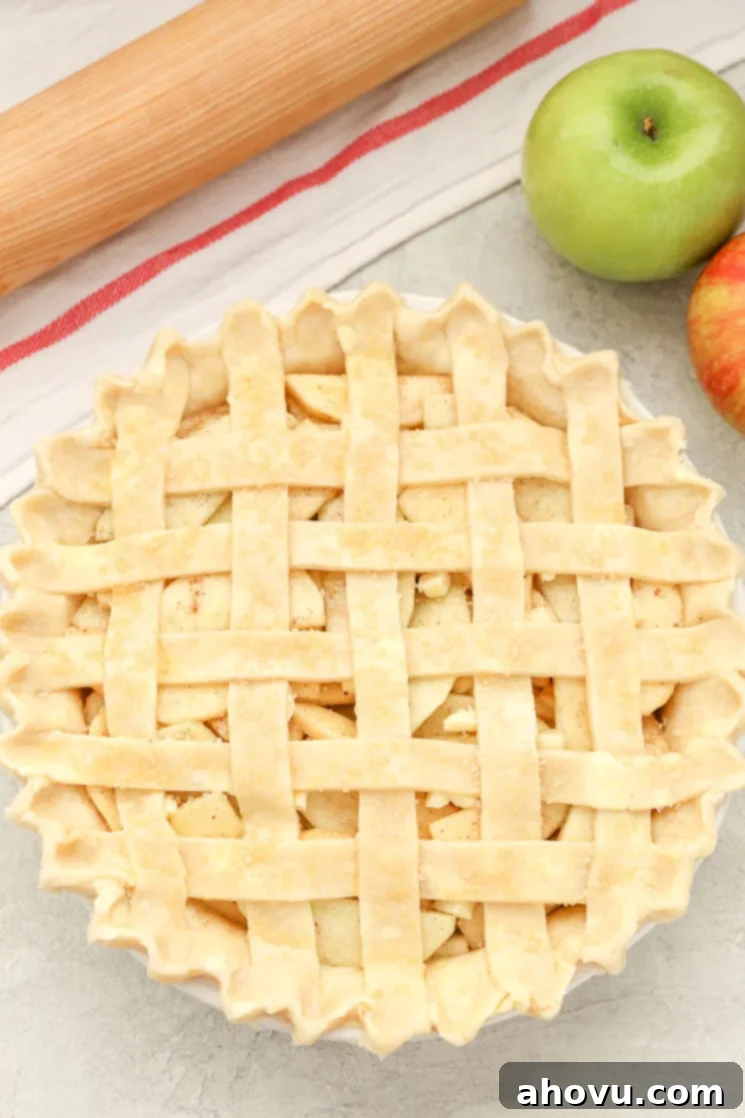
With your lattice beautifully woven, the final steps involve refining the edges to create a professional and appealing finish. The very last step is to carefully trim off any excess dough hanging over the edge of your pie plate. Use a sharp knife or kitchen shears to cut the dough, leaving about a 1/2-inch overhang around the entire circumference. This overhang is crucial for creating a secure seal between the lattice and the bottom crust, preventing the filling from bubbling out during baking and keeping your crust intact.
Once trimmed, you’ll need to decorate and seal the edges of your pie crust. There are several popular methods for this, each offering a distinct aesthetic. For this particular pie crust, I opted to use my index finger to create a classic fluted edge. To do this, simply press your index finger into the edge of the dough, using the thumb and index finger of your other hand to pinch the dough around it, creating a wavy, decorative border. Repeat this motion all the way around the pie. Alternatively, a simpler yet equally effective method is to just trim off the excess dough flush with the pie plate and then use the tines of a fork to press and crimp the edges. This not only adds a lovely rustic texture but also effectively presses the lattice topping into the bottom pie crust, ensuring a secure seal. Whichever method you choose, the goal is to create a visually appealing edge that also holds everything together securely.
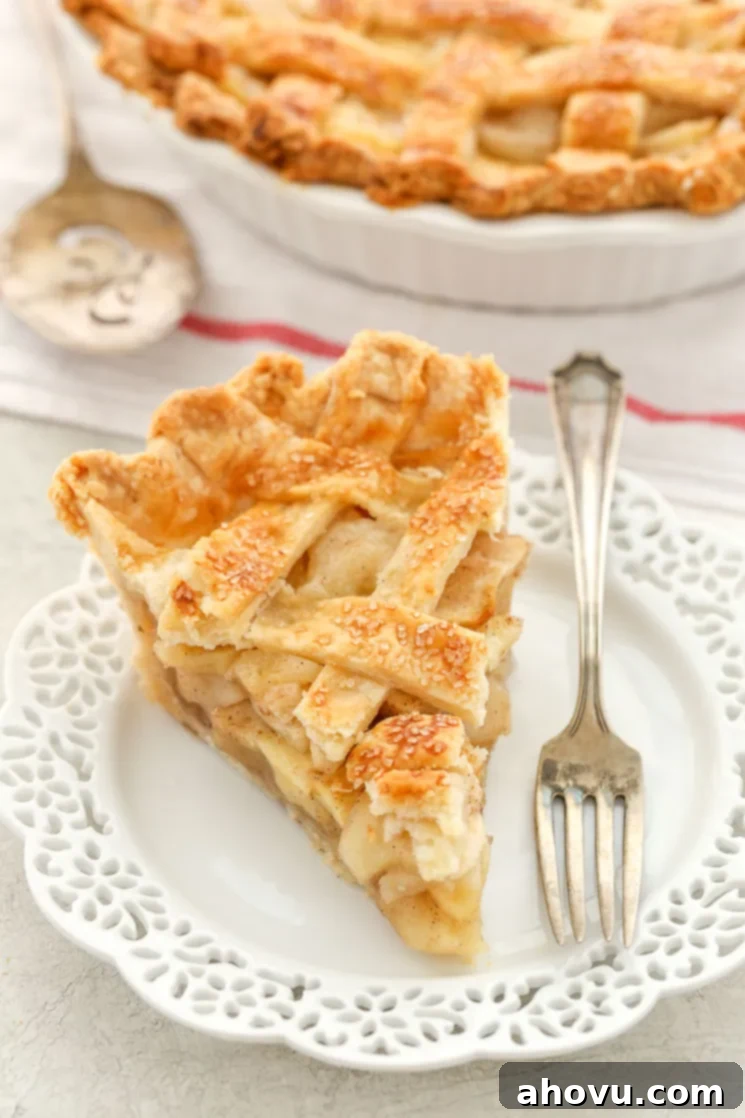
To enhance the visual appeal and add a delightful crunch and golden sheen, I often include a couple of optional, yet highly recommended, embellishments. For this pie, I brushed an egg wash liberally over the entire lattice topping and the decorative edges. An egg wash is simply a beaten egg (or just the yolk) mixed with a tiny bit of water or milk, and it contributes to a beautiful, glossy, golden-brown finish during baking. Following the egg wash, I lightly sprinkled the crust with a little coarse sugar. This adds a wonderful sparkle and a subtle sweetness, creating an irresistible texture contrast against the flaky crust. These small details can truly elevate your pie from homemade to bakery-quality masterpiece.
The Art of the Lattice: Beyond Just Beauty
While the aesthetic appeal of a lattice pie crust is undeniable, its benefits extend beyond mere visual charm. A well-crafted lattice serves a practical purpose in baking, particularly for fruit pies. The open weave allows steam to escape from the fruit filling as it cooks. Without this release, steam can build up pressure, leading to a soggy bottom crust or, in extreme cases, a bursting top crust. By permitting proper ventilation, a lattice ensures that your fruit filling thickens beautifully and that your bottom crust remains crisp and perfectly baked. This balance of function and form is what makes the lattice pie crust a timeless classic in the world of baking.
Tips for Success and Troubleshooting Common Issues
To ensure your lattice pie crust turns out perfectly every time, keep these essential tips in mind. Firstly, **keep your dough cold**. Cold dough is less sticky, holds its shape better, and is significantly easier to handle. If your kitchen is warm or the dough becomes too soft during weaving, don’t hesitate to pop the entire pie back into the refrigerator for 10-15 minutes to chill before continuing. Secondly, a light dusting of **flour** on your work surface and on your hands can prevent sticking, but use it sparingly to avoid toughening the dough. Thirdly, **consistency in strip thickness** is paramount. Uneven strips can lead to a lopsided or messy-looking lattice. If a strip breaks, don’t panic! Simply pinch the ends together, or gently press a small patch of dough over the break to disguise it before baking. Remember, homemade charm includes minor imperfections that tell a story.
Finally, for those wondering what types of pies are best suited for a stunning lattice topping, the answer is most fruit-based pies! Apple, cherry, blueberry, peach, and berry pies are all classic candidates. The vibrant colors of the fruit filling peeking through the woven crust create an incredibly appealing contrast. The lattice adds a rustic elegance that complements the natural goodness of fresh fruit fillings beautifully. Experiment with different fruit combinations to find your favorite pairing for this beautiful crust.
Your Next Baking Adventure Awaits
As you can now see, creating a beautiful lattice pie crust is a skill well within your reach, transforming from an intimidating task into an enjoyable and rewarding part of your baking repertoire. This simple technique adds an unmistakable touch of homemade elegance and sophistication to any dessert, making it perfect for special occasions or simply elevating an everyday treat. With the knowledge and confidence gained from this tutorial, you’re ready to tackle your next pie with a flourish.
Speaking of delicious pies, I’ll be sharing the recipe for this delectable apple pie – the very one showcased in these pictures – with you very soon. So, consider this your perfect excuse to practice your newly acquired lattice pie crust weaving skills. Get ready to bake a pie that’s not only incredibly tasty but also a feast for the eyes!