
Homemade Scones: Your Ultimate Guide to Fluffy, Tender, and Perfectly Baked Treats
Welcome to the definitive guide for baking truly exceptional homemade scones! If you’ve ever been disappointed by dry, crumbly scones in the past, prepare to have your perceptions completely transformed. This comprehensive tutorial will walk you through creating incredibly soft, light, and tender scones that practically melt in your mouth. Perfect for a leisurely breakfast, an elegant brunch spread, or a delightful dessert, this easy scone recipe promises bakery-quality results right in your own kitchen. Get ready to impress yourself and your loved ones with these simple yet sophisticated treats!
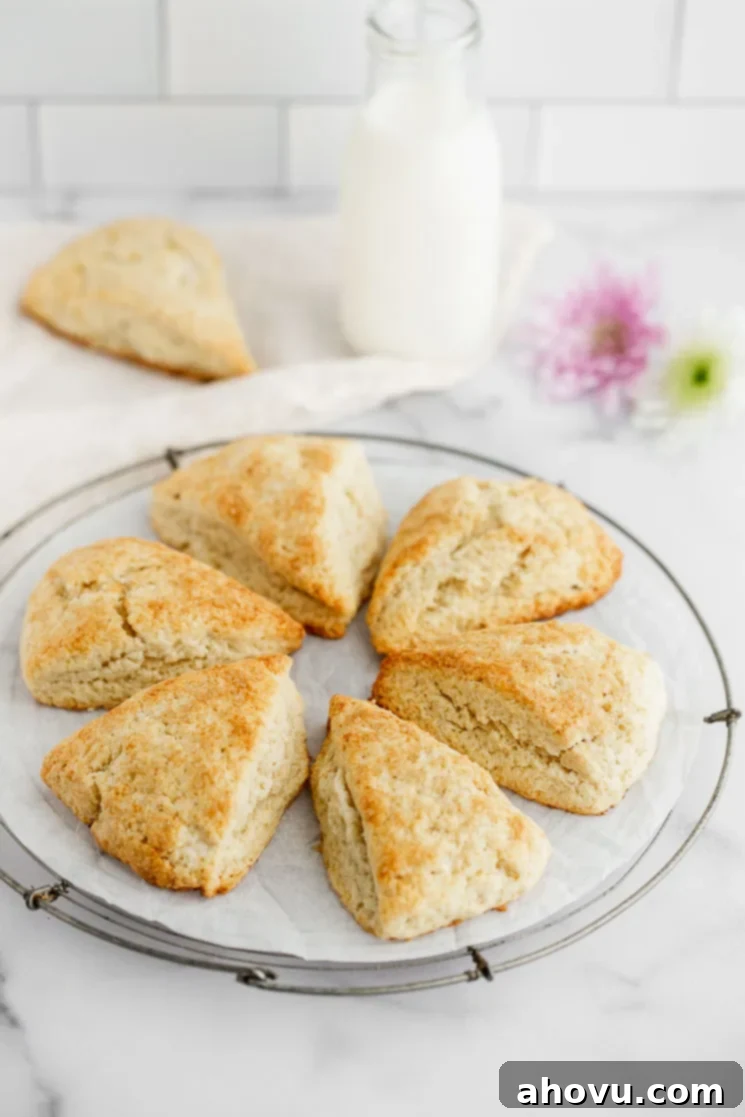
Scones often get a bad rap for being dry or bland, but the secret to a truly great scone lies in understanding a few fundamental principles. When executed correctly, scones are anything but boring; they are a delightful balance of crumbly exterior and pillowy-soft interior. This classic scone recipe is designed to demystify the baking process, ensuring your homemade scones are moist, rich, and utterly irresistible every time. You’ll be amazed at how quickly these come together – about 15 minutes of prep and only 20 minutes in the oven – making them an ideal treat even on busy mornings.
Beyond the simple yet spectacular plain scone, this recipe also serves as a versatile foundation for countless flavor combinations. We’ll explore various mix-ins to inspire your creativity, from sweet fruits to warming spices. Plus, I’ve included several delicious glaze options, allowing you to customize your scones to perfectly suit any occasion or preference. Let’s dive into the world of perfect homemade scones!
Essential Ingredients for Light and Fluffy Scones
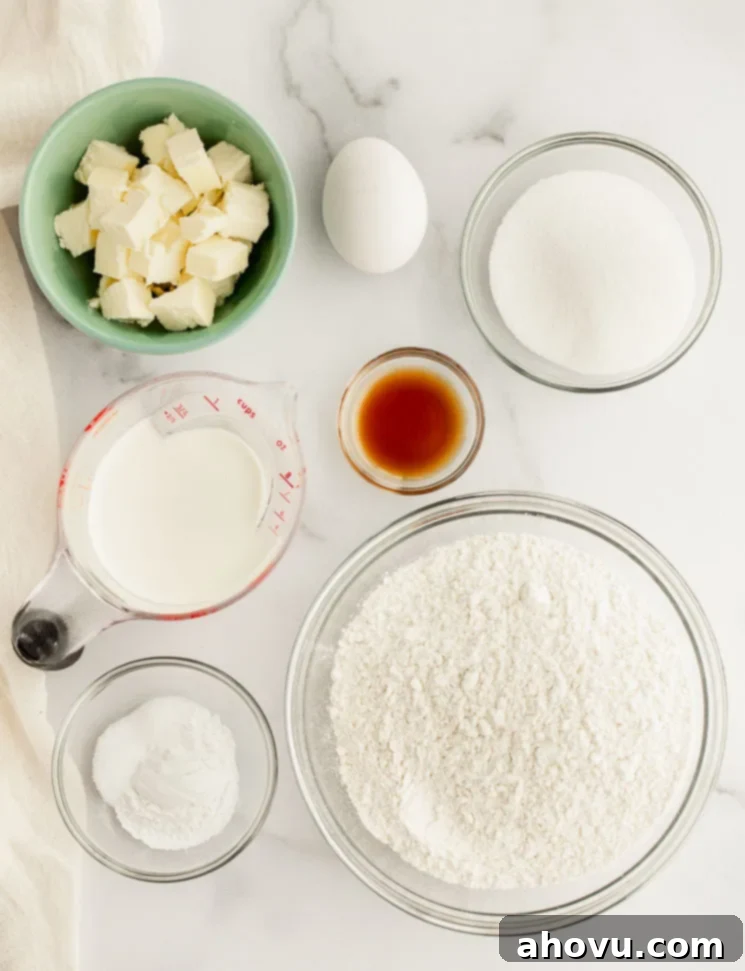
Crafting the perfect scone doesn’t require a long list of exotic ingredients. In fact, you likely have most of these staples in your pantry already! The key is not just *what* you use, but *how* you use them. Let’s take a closer look at each ingredient and its crucial role in achieving those coveted soft, light, and tender scones.
- All-Purpose Flour: The foundation of our scones. Proper flour measurement is paramount here. Avoid scooping directly from the bag, as this can compact the flour and result in using too much. Instead, gently spoon the flour into your measuring cup and then level it off with the back of a knife. Excess flour leads to a dense, dry, and crumbly dough – the opposite of what we want for perfectly tender scones. For more detailed tips, you can refer to guides on how to measure flour accurately.
- Granulated Sugar: This provides a touch of sweetness and helps with browning. While granulated sugar is my go-to for its consistent results and preferred flavor profile, you can certainly experiment with brown sugar for a slightly deeper, molasses-like note if you wish.
- Baking Powder & Salt: These are your leavening agents and flavor enhancers. You might notice a generous amount of baking powder in this scone recipe – and rest assured, it’s no mistake! A significant amount of baking powder is essential for achieving that magnificent rise and airy, light texture that defines a superior scone. The salt, on the other hand, balances the sweetness and enhances all the other flavors, preventing the scones from tasting flat.
- Cold Unsalted Butter: This is arguably the most critical ingredient for achieving a light and flaky scone. I opt for unsalted butter because the salt content in salted butter can vary widely between brands, giving you more control over the final flavor. But why cold? As tiny pieces of cold butter melt in the hot oven, they release steam. This steam creates small pockets within the dough, which are responsible for the scone’s beautiful rise and delightfully light, tender texture. Ensure your butter is straight from the fridge and cut into small cubes for best results.
- Heavy Whipping Cream: For truly soft scones that remain moist and never dry out, heavy whipping cream is the absolute best choice. Its high-fat content contributes richness and a tender crumb. Furthermore, brushing a little extra heavy whipping cream on top of the scones just before baking not only gives them a gorgeous golden-brown finish but also creates a subtly crisp and appealing exterior.
- Egg & Vanilla Extract: The large egg plays a vital role in binding the ingredients, adding richness, and contributing to a lighter, more tender crumb. It also provides a touch of moisture. Pure vanilla extract is added for its warm, aromatic flavor, which beautifully complements the other ingredients and enhances the overall deliciousness of your homemade scones.
Step-by-Step Guide: How To Make This Easy Scone Recipe
You’ll be delighted to discover just how straightforward and quick it is to prepare these fantastic scones. The process is designed for efficiency without sacrificing quality, bringing you from zero to delicious in under an hour. Follow these steps for scone perfection:
- Prepare Your Dry Ingredients: Begin by preheating your oven to 400°F (204°C) and lining a large baking sheet with parchment paper or a silicone baking mat. In a spacious mixing bowl, combine your measured all-purpose flour, granulated sugar, baking powder, and salt. Whisk these dry ingredients thoroughly to ensure the leavening agents are evenly distributed, which is crucial for an even rise.
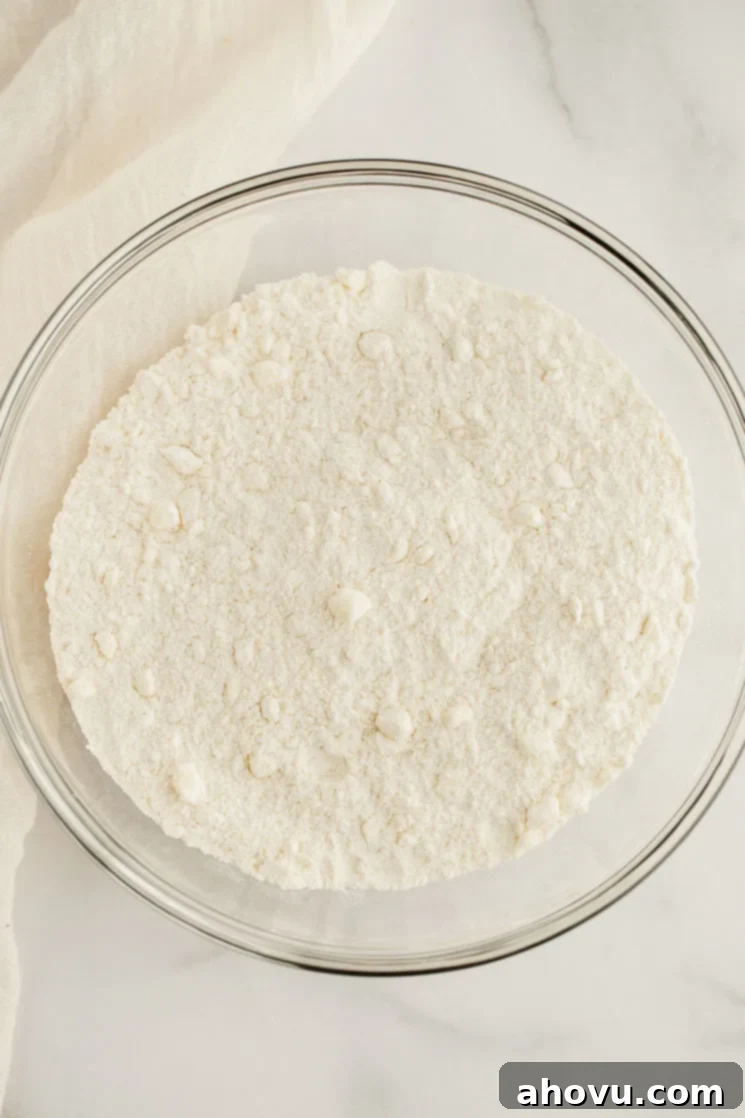
- Cut in the Cold Butter: Next, add your cold, cubed unsalted butter to the dry mixture. Using a pastry cutter, two knives, or even your fingertips (working quickly to prevent the butter from warming up), cut the butter into the dry ingredients. The goal is to break down the butter until it resembles small pea-sized crumbs. These tiny pockets of butter are what create those wonderful flaky layers in your scones. Don’t overwork it; a few larger pieces are fine.
- Combine Wet Ingredients: In a separate, smaller bowl, whisk together the heavy whipping cream, large egg, and pure vanilla extract until they are thoroughly combined and smooth. This ensures an even distribution of moisture and flavor throughout your scone dough.
- Form the Dough: Pour the wet ingredients into the bowl with your dry ingredients and butter mixture. Using a spoon or spatula, gently stir everything together until it just comes together into a shaggy dough. Be careful not to overmix; overmixing develops gluten, which can lead to tough scones. A slightly crumbly mixture is absolutely perfect at this stage.
- Shape and Cut: Turn the dough out onto a lightly floured surface. Gently work the dough into a cohesive ball with your hands, then flatten it into a circular disc approximately 7 inches in diameter and about 1 inch thick. Using a sharp knife or a bench scraper, cut the disc into 8 equal-sized wedges, much like slicing a pizza. Arrange these wedges on your prepared baking sheet, ensuring there’s a small amount of space between each scone for even baking.
- Chill for Success: This step is critical for preventing your scones from spreading too much and ensuring they achieve a beautiful, high rise. Place the baking sheet with your shaped scones into the freezer for 5-10 minutes. This quick chill helps the butter firm up, leading to a lighter and flakier texture once baked.
- Prepare for Baking: Once the scones are thoroughly chilled, remove them from the freezer. Lightly brush the tops of each scone with a little extra heavy whipping cream. This not only aids in browning but also contributes to that desirable slightly crisp exterior. If you’re not planning to add a glaze after baking, you can sprinkle the tops with a touch of coarse sugar or granulated sugar for added texture and sparkle.
- Bake to Golden Perfection: Transfer the baking sheet to your preheated oven. Bake for approximately 18-22 minutes, or until the tops of the scones are beautifully golden brown and a skewer inserted into the center comes out clean. Keep an eye on them towards the end of the baking time, as oven temperatures can vary.
- Cool and Serve: Once baked, remove the scones from the oven and transfer them to a wire cooling rack. Allow them to cool completely before glazing (if using) or serving. Scones are best enjoyed fresh, ideally warm from the oven, with your favorite toppings like clotted cream, jam, or butter.
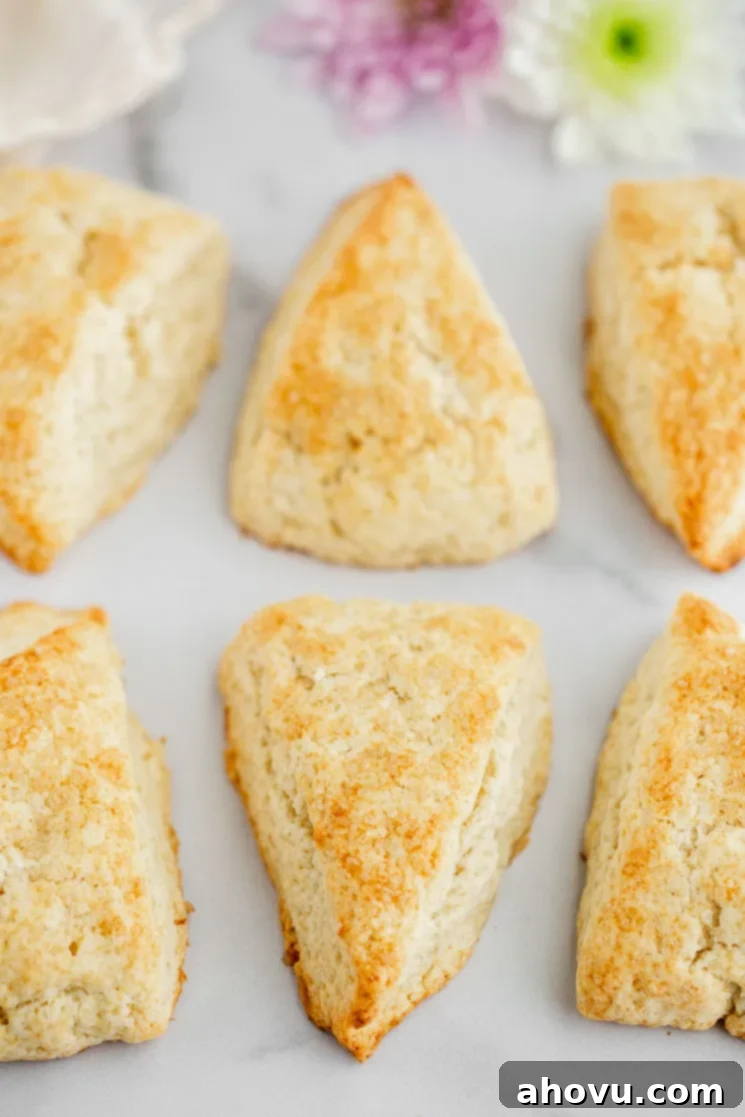
Following these steps will ensure you achieve light, tender, and incredibly flavorful scones that will be a highlight of any meal or snack. Enjoy the simple pleasure of homemade baking!

Creative Scone and Glaze Variations
This classic scone recipe is a fantastic starting point, but its true beauty lies in its adaptability. It’s incredibly easy to customize these delicious treats by adding different flavors, transforming them for any season or craving. The best time to incorporate most mix-ins is right after you’ve cut the cold butter into the dry ingredients and before you add the wet ingredients. This ensures even distribution without overworking the dough. Here are some popular and delightful variations:
- Blueberry Scones: For a burst of fruity freshness, gently fold in 1 cup of fresh blueberries into the dough. Their sweet-tart flavor is a perfect complement to the rich scone.
- Cranberry Orange Scones: A festive and flavorful combination! Add 2 teaspoons of finely grated orange zest along with 2/3 cup of sweetened dried cranberries. If you prefer, you can use 1 cup of chopped fresh cranberries for a tangier bite. The citrus zest brightens the entire scone.
- Cinnamon Raisin Scones: A comforting classic. Incorporate 1 and 1/2 teaspoons of ground cinnamon and 2/3 cup of plump raisins into your dough. The cinnamon adds warmth and spice, while the raisins provide chewiness and natural sweetness.
- Lemon Poppy Seed Scones: For a light and zesty option, mix in the zest of 1 medium lemon and 1/2 tablespoon of poppy seeds. The lemon zest provides vibrant aroma and flavor, beautifully contrasted by the subtle crunch of the poppy seeds.
And the customization doesn’t stop there! If you’re a fan of other classic flavors, you might enjoy my dedicated recipes for chocolate chip scones and apple cinnamon scones, which build upon these same foundational techniques.
To further personalize your scones, consider changing up the glaze. While a simple vanilla glaze is always delicious, these alternatives can elevate your scones to new heights:
- Orange Glaze: For a citrusy kick, simply omit the vanilla extract from the glaze recipe and replace the milk with fresh orange juice. This pairs wonderfully with cranberry or plain scones.
- Lemon Glaze: Similar to the orange glaze, swap out the vanilla extract and use fresh lemon juice instead of milk. This tangy glaze is exceptional with blueberry or lemon poppy seed scones.
- Cinnamon Glaze: Enhance the warmth of your scones by adding 1/4 to 1/2 teaspoon of ground cinnamon to your basic vanilla glaze. This is a perfect match for apple cinnamon or plain scones.
Feel free to get creative with your combinations! The possibilities are truly endless when it comes to making these versatile homemade scones your own.
Pro Tips for Scone Baking Success
Achieving perfectly light and tender scones consistently comes down to a few key techniques. Keep these professional baking tips in mind, and you’ll be baking incredible scones every time:
- Accurate Flour Measurement is Key: As mentioned, this is crucial. Always spoon your all-purpose flour into the measuring cup and level it off with the back of a knife. Never scoop directly from the flour bag, as this compacts the flour and can add up to 25% more flour than intended, resulting in dry, dense scones.
- Embrace Cold Ingredients: The colder your butter and heavy cream, the better! Cold butter creates steam pockets during baking, which is essential for a light, flaky texture and a good rise. Cold cream helps keep the butter solid. For optimal results, ensure your dough is as cold as possible before it goes into the oven. I highly recommend placing the baking sheet with the cut scones in the freezer for 5-10 minutes prior to baking. This chilling step is a game-changer!
- Avoid Overworking the Dough: Scone dough should be handled as little as possible. Overworking the dough develops gluten, which can lead to tough, chewy scones rather than the desired tender, crumbly ones. Mix just until the ingredients come together, and then handle gently when shaping.
- Brush with Heavy Whipping Cream: Before baking, a light brush of heavy whipping cream on the tops of your scones is a simple step with a big impact. It helps them achieve a beautiful golden-brown color and contributes to a slightly crispy, desirable exterior. If you like extra sparkle or texture and aren’t using a glaze, sprinkle with coarse sugar.
- Don’t Overbake: Keep a close eye on your scones. Overbaking is a common culprit for dry scones. They are done when the tops are golden brown and a toothpick inserted into the center comes out clean. If you’re unsure, it’s better to underbake slightly than overbake significantly.
By following these expert tips, you’ll be well on your way to baking a batch of the best homemade scones you’ve ever tasted!

The BEST Scones Recipe
Pin Recipe
SaveSaved!
Leave a Review
Ingredients
For the scones:
- 2 cups (250 grams) all-purpose flour spooned & leveled
- 1/3 cup (65 grams) granulated sugar
- 1 tablespoon baking powder
- 1/2 teaspoon salt
- 6 tablespoons (85 grams) cold unsalted butter cubed into pieces
- 1/2 cup (120 ml) heavy whipping cream plus more for brushing the tops
- 1 large egg
- 1 teaspoon pure vanilla extract
For the vanilla glaze:
- 1 cup (120 grams) powdered sugar
- 1-2 tablespoons (15-30 ml) milk
- 1/2 teaspoon pure vanilla extract
Instructions
To make the scones:
-
Preheat your oven to 400°F (204°C). Prepare a large baking sheet by lining it with parchment paper or a silicone baking mat; set this aside for later.
-
In a spacious mixing bowl, thoroughly whisk together the all-purpose flour, granulated sugar, baking powder, and salt until well combined. Add the cold butter, which has been cubed into small pieces, and use a pastry cutter or a fork to cut it into the dry ingredients. Continue until the mixture resembles small pea-sized crumbs.
-
In a separate mixing bowl, whisk together the heavy whipping cream, egg, and vanilla extract until they are fully combined. Pour this wet mixture into the dry ingredients and stir gently until everything is just combined. The mixture might appear a bit crumbly at this stage, which is perfectly normal and desired!
-
Turn the dough out onto a lightly floured surface. Gently work it together with your hands into a cohesive ball, then flatten it evenly into a 7-inch diameter circle. Using a sharp knife or bench scraper, cut the dough into 8 equal-sized wedges and carefully place them on the prepared baking sheet, leaving a small amount of space between each scone.
-
Place the baking sheet with the scones into the freezer for 5-10 minutes. This chilling step is essential to ensure the butter remains cold, contributing to a high rise and tender texture.
-
Once chilled, remove the baking sheet from the freezer. Lightly brush the tops of each scone with a little heavy whipping cream. If you do not plan to add a glaze, you can sprinkle them with coarse sugar for added texture and sparkle, if desired.
-
Bake in the preheated oven at 400°F (204°C) for 18-22 minutes, or until the tops of the scones are beautifully golden brown and a toothpick inserted into the center comes out clean.
-
Carefully remove the baked scones from the oven and transfer them to a wire cooling rack. Allow them to cool completely before glazing or serving.
To make the vanilla glaze:
-
In a medium-sized mixing bowl, whisk together the powdered sugar, milk, and vanilla extract until you achieve a smooth and consistent glaze. If the glaze is too thick for your preference, add a tiny bit more milk (a quarter teaspoon at a time) to thin it out. Conversely, if it’s too thin, gradually add more powdered sugar until it reaches the desired consistency.
-
Drizzle or spread the glaze over the cooled scones. Allow the glaze to set and harden for about 10-15 minutes before serving. Enjoy your delicious homemade scones!
Notes
Milk for Glaze: For the vanilla glaze, you can use whole milk, 2%, 1%, skim milk, or even almond milk; all will work effectively to create a smooth glaze.
Scone Flavor Variations: This recipe is a fantastic base for customization. Here are additional ways to vary your scones. Incorporate these mix-ins right after cutting the butter into the dry ingredients and before adding the wet ingredients to ensure even distribution.
- Blueberry Scones: Fold in 1 cup (150 grams) of fresh blueberries.
- Cranberry Orange Scones: Add 2 teaspoons of fresh orange zest and 2/3 cup (105 grams) of sweetened dried cranberries (or 1 cup of chopped fresh cranberries).
- Cinnamon Raisin Scones: Mix in 1 and 1/2 teaspoons of ground cinnamon plus 2/3 cup (105 grams) of raisins.
- Lemon Poppy Seed Scones: Stir in the zest of 1 medium lemon and 1/2 tablespoon of poppy seeds.
Glaze Variations: Easily adapt the vanilla glaze to create different flavor profiles by replacing or adding ingredients.
- Orange Glaze: Omit the vanilla extract and use fresh orange juice in place of the milk for a bright, citrusy topping.
- Lemon Glaze: For a zesty finish, skip the vanilla extract and use fresh lemon juice instead of milk.
- Cinnamon Glaze: Add 1/4 to 1/2 teaspoon of ground cinnamon to your standard vanilla glaze for a warm, spiced flavor.