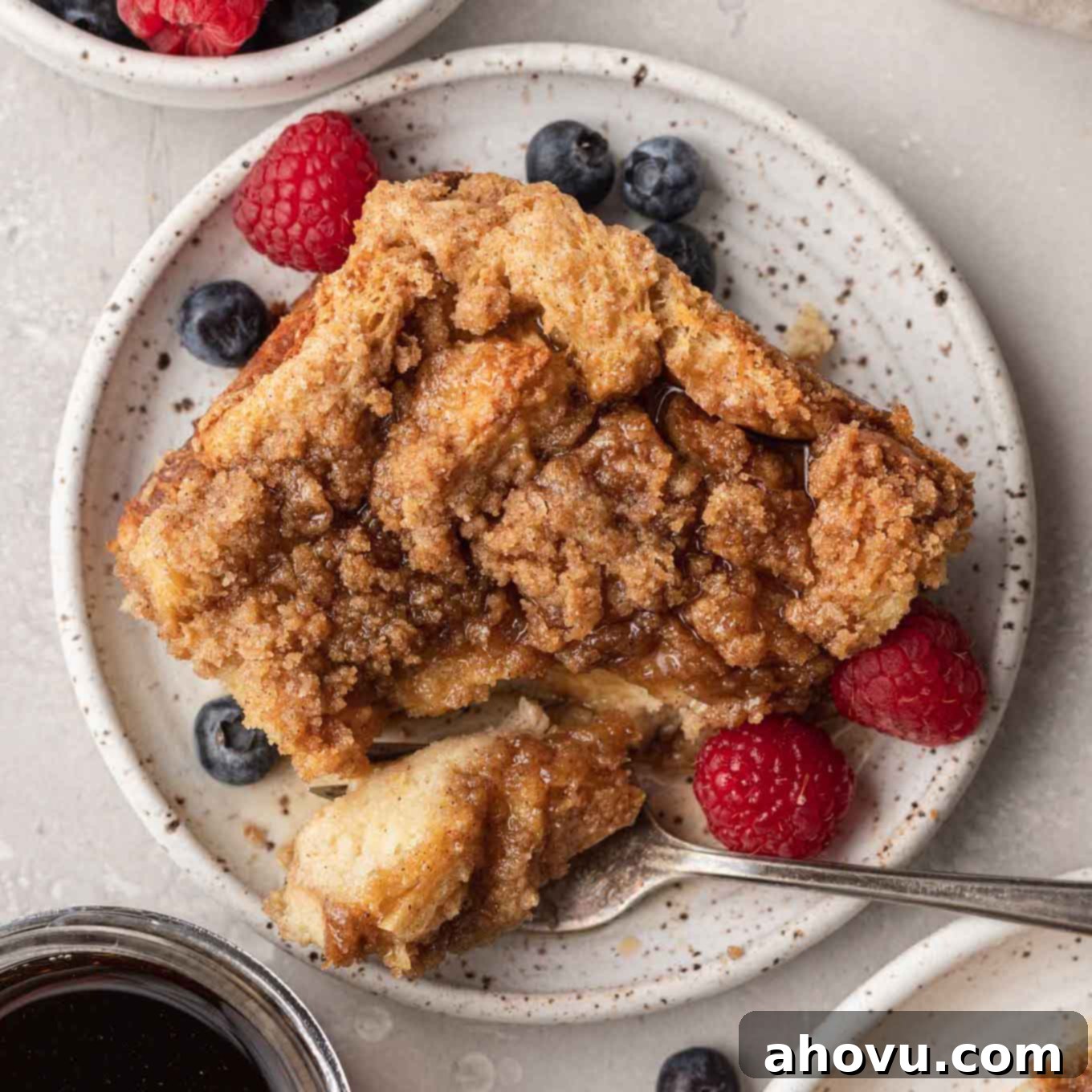
Ultimate Overnight French Toast Casserole: Easy Challah Bake with Crumb Topping
Prepare to be amazed by this incredible French toast casserole, featuring buttery challah pieces generously coated in a warmly spiced custard and finished with a delightful crumb topping, all baked to golden perfection. The best part? This entire French toast casserole can be assembled the night before, refrigerated overnight, and then simply popped into the oven the next morning! This make-ahead convenience makes it an absolute lifesaver for busy mornings, holidays, and family gatherings, allowing you to enjoy a stress-free start to your day while still serving an impressive, homemade breakfast.
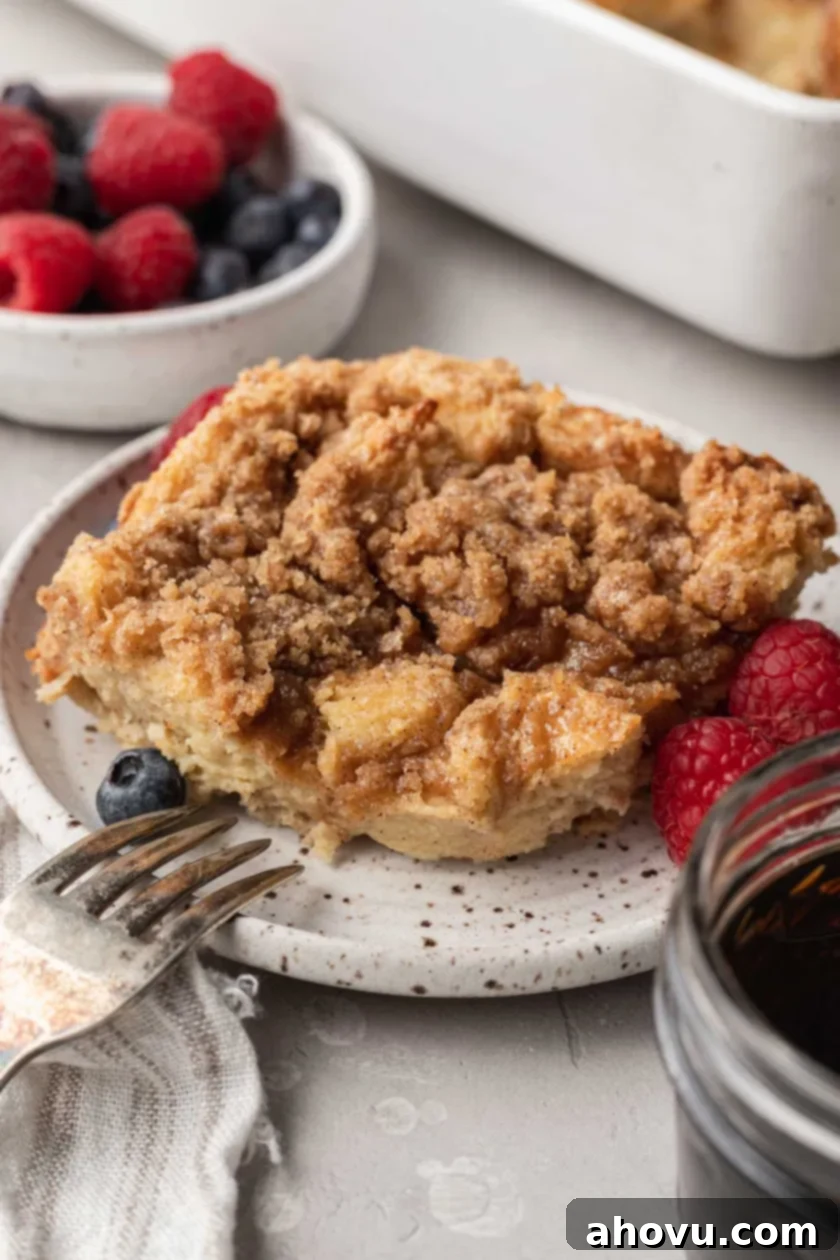
Imagine waking up to the irresistible aroma of cinnamon and sweet bread baking, knowing that all the hard work was done hours ago. This baked French toast casserole is precisely that dream come true. It’s the perfect special occasion breakfast, transforming any ordinary morning into a celebration. Whether it’s Mother’s Day, a birthday, Christmas morning, or just a leisurely weekend brunch, this dish is guaranteed to be a crowd-pleaser. Serve it warm straight from the oven, perhaps with a light dusting of powdered sugar and a generous drizzle of rich maple syrup, or get creative with additional toppings to elevate the experience even further. This recipe not only simplifies your morning routine but also delivers a breakfast experience that feels luxurious and comforting.
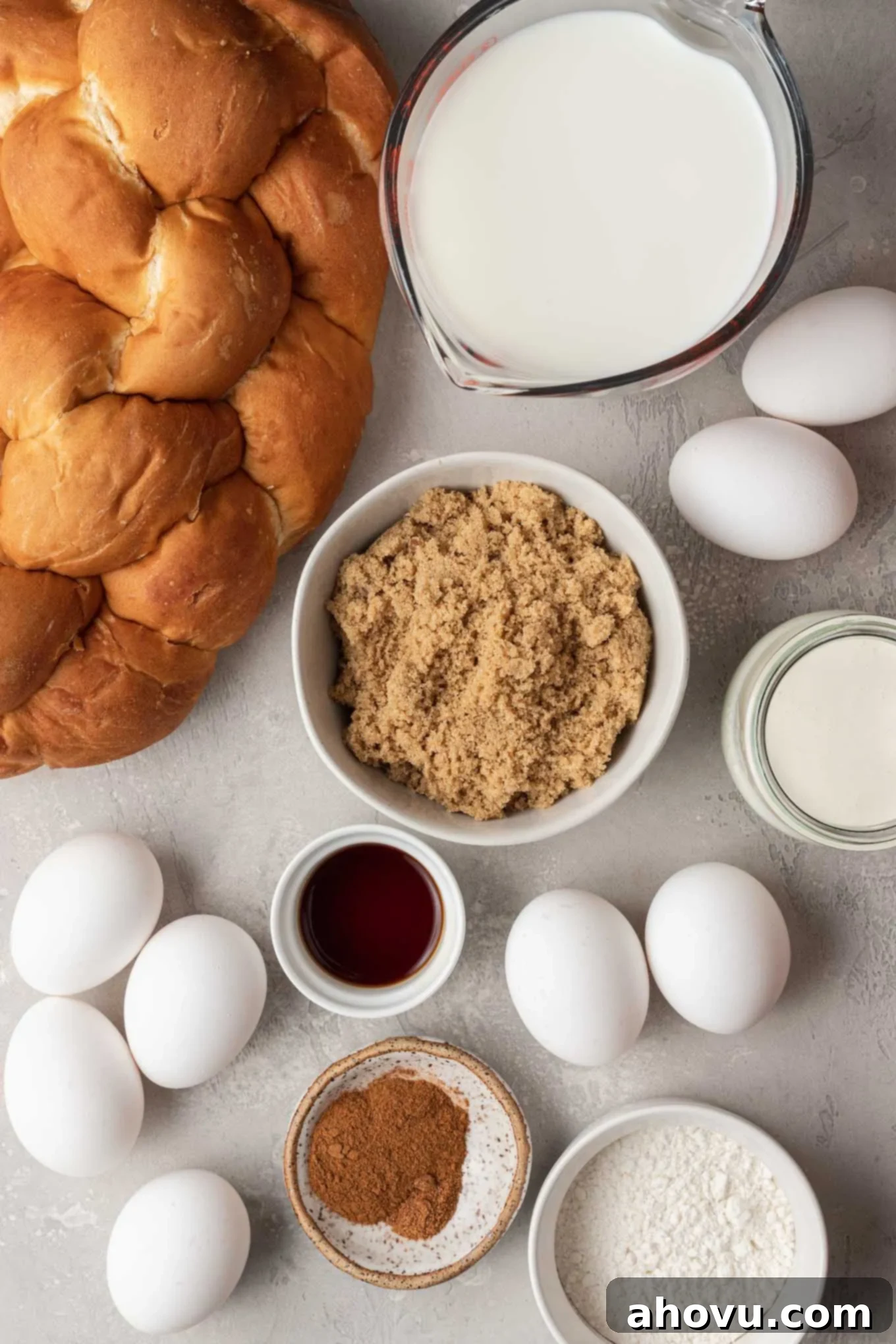
Essential Recipe Ingredients for French Toast Perfection
Crafting this incredible French toast casserole requires only a handful of staple ingredients that you likely already have in your pantry or can easily find at any grocery store. I’ve detailed the key components below, along with helpful insights into their role in the recipe and suitable substitution options to ensure your casserole turns out perfectly every time.
- Bread: The foundation of any great French toast is the bread, and for this baked casserole, I highly recommend using challah bread. Its rich, slightly sweet, and incredibly tender texture makes it ideal for soaking up the custard without falling apart. Similar to my beloved bread pudding recipe, challah creates a truly decadent result. If challah isn’t available, you can easily substitute it with an equal amount of cubed brioche or French bread. The key is to use a dense, sturdy bread that can withstand soaking.
- Heavy Cream & Milk: A thoughtful combination of heavy cream and whole milk is crucial for achieving a rich, luxurious custard that isn’t overly heavy. The heavy cream adds unparalleled richness and a silky mouthfeel, while the whole milk helps to lighten it slightly, ensuring the casserole remains moist and tender without being too dense.
- Brown Sugar: I prefer using brown sugar over granulated sugar because its molasses content adds a deeper, more complex flavor profile and a wonderful caramel note to the custard. You can use either light or dark brown sugar, depending on your preference for a milder or more robust molasses flavor. If you’re out of brown sugar, you can even make a quick substitute using granulated sugar and a touch of molasses.
- Eggs: Eggs are indispensable, as they bind the entire casserole together, forming the custardy base that coats the bread. You’ll need 8 large eggs to create a substantial and flavorful custard that holds everything together beautifully as it bakes.
- Vanilla Extract: Pure vanilla extract is essential for adding a warm, aromatic depth that complements the sweetness and spices in the custard. Don’t skip this ingredient, as it significantly enhances the overall flavor.
- Ground Cinnamon & Nutmeg: These classic spices are the heart of the warm, inviting flavor profile of this French toast casserole. They infuse the custard with a comforting aroma and taste that is perfect for breakfast or brunch, especially during cooler months.
- All-Purpose Flour: Used in the crumb topping, all-purpose flour provides the structure and texture for those delightful buttery crumbles.
- Cold Unsalted Butter: Crucial for the crumb topping, cold butter is cut into the dry ingredients to create distinct, flaky crumbs that bake up golden and crisp. Using cold butter prevents it from melting too quickly and creates the desired texture.
- Salt: A tiny pinch of salt in both the custard and crumb topping enhances all the other flavors, balancing the sweetness and making the spices pop.
How to Make the Best Overnight French Toast Casserole
This French toast casserole is not only incredibly delicious but also remarkably simple to prepare, offering fantastic flexibility to fit your schedule. You can either bake it immediately after assembling or, even better, prepare it the day before and let it chill in the refrigerator overnight. This overnight soak allows the bread to fully absorb the rich custard, resulting in a more flavorful and tender casserole. Let’s walk through the easy steps to create this breakfast masterpiece:
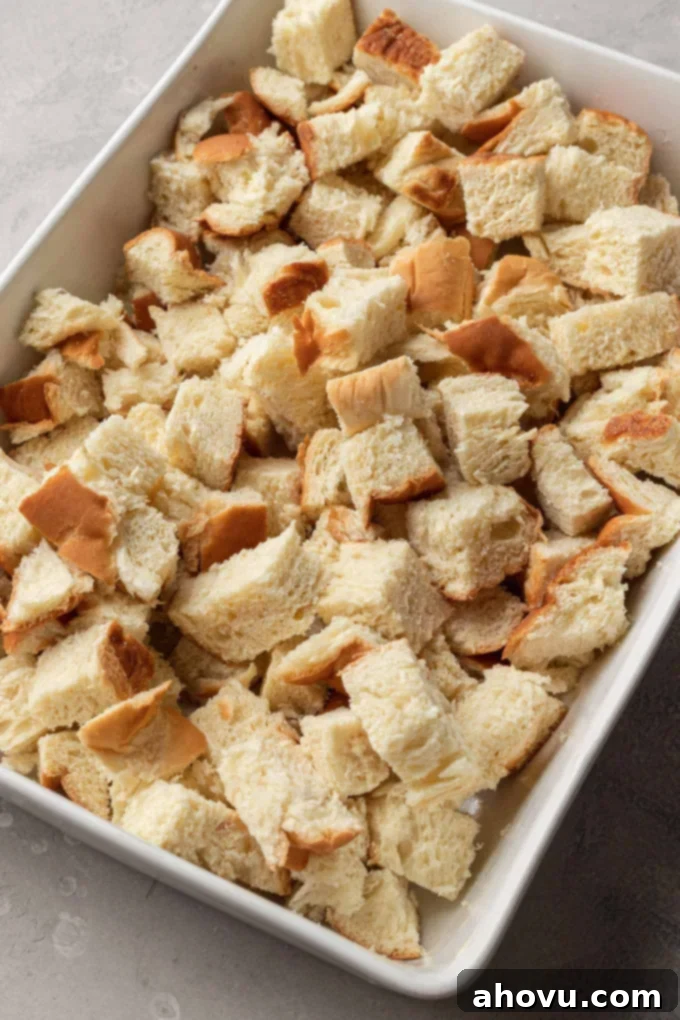
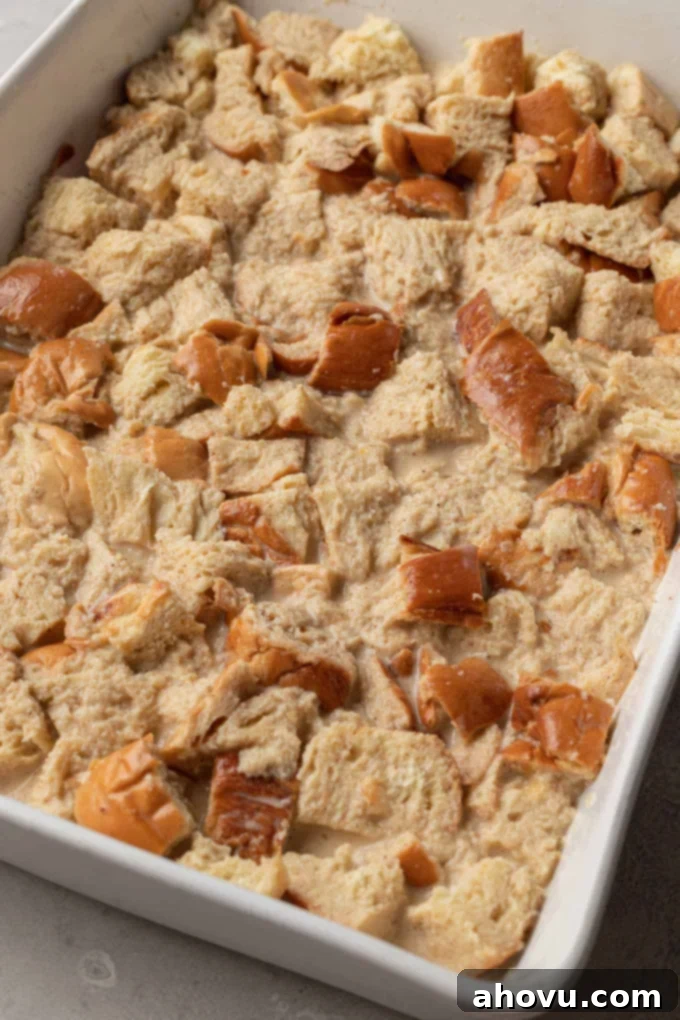
- Prepare the Baking Dish and Cube the Bread: Begin by generously greasing a 9×13-inch baking pan with nonstick cooking spray to prevent sticking. Next, cube your day-old challah, brioche, or French bread into uniform 1-inch pieces. Evenly spread these cubes in a single layer across the bottom of the prepared baking dish. This ensures every piece gets properly coated and bakes consistently.
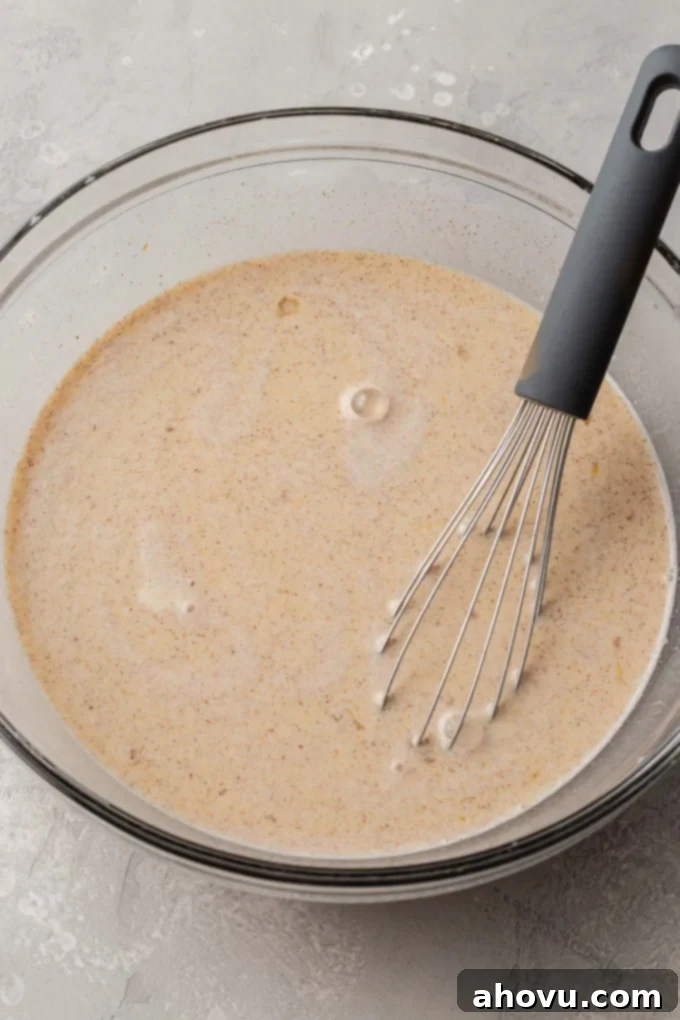
- Craft the Spiced Custard: In a large mixing bowl, gently beat the eggs until they are just combined. Then, add the brown sugar, vanilla extract, ground cinnamon, and nutmeg. Whisk these ingredients vigorously until everything is fully incorporated and smooth. This specific order helps prevent any spice clumps. Finally, slowly whisk in the heavy cream, followed by the whole milk, continuing to whisk until the entire custard mixture is homogenous and silky.
- Assemble and Chill the Casserole: Carefully pour the prepared custard mixture evenly over the cubed bread in the baking dish, ensuring every piece of bread is thoroughly coated. You might need to gently press down on some of the bread pieces with the back of a spoon to ensure they are fully submerged in the custard. Once covered, tightly cover the casserole dish with plastic wrap or aluminum foil. Transfer it to the refrigerator and allow it to chill for at least 3 hours, or ideally, overnight (up to 12 hours). This extended soaking time is key for the bread to absorb all the wonderful flavors and moisture.
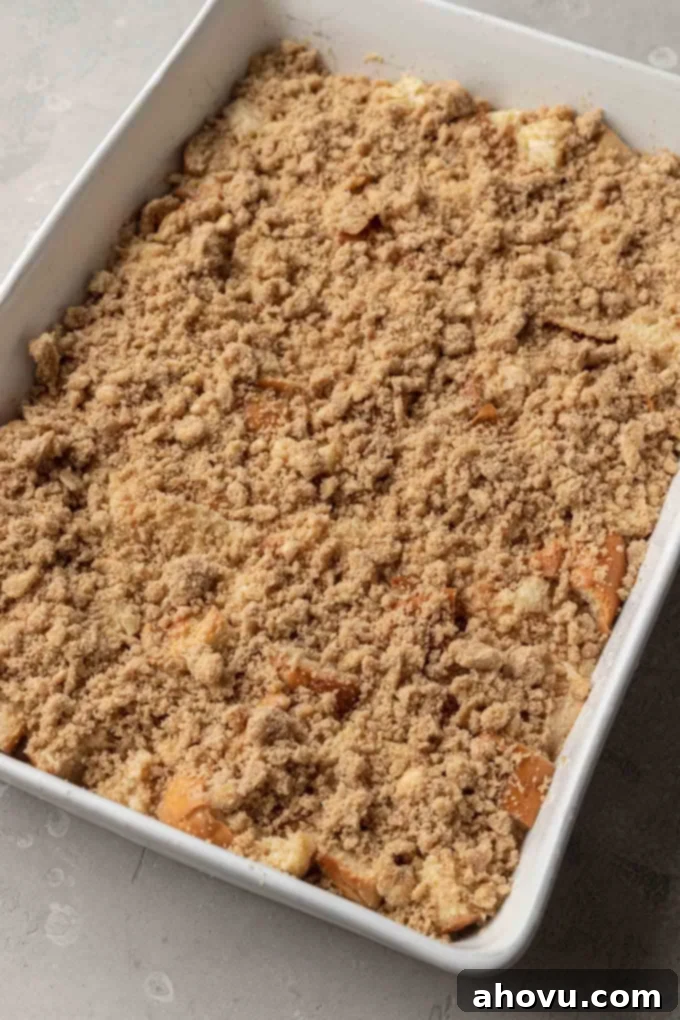
- Prepare the Irresistible Crumb Topping: While the casserole chills (or just before baking), prepare the delicious crumb topping. In a medium-sized mixing bowl, whisk together the all-purpose flour, brown sugar, ground cinnamon, and a tiny pinch of salt. Add the cold unsalted butter, cut into small cubes. Using a pastry cutter, two forks, or even your fingertips, cut the butter into the dry ingredients until the mixture resembles coarse crumbs with some pea-sized pieces. Cover and chill this crumb topping in the refrigerator until you are ready to use it, ensuring it stays firm and crumbly.
- Bring to Room Temperature and Preheat: Approximately 30 minutes before you plan to bake, remove the chilled French toast casserole from the refrigerator and place it on your kitchen counter. This allows it to come closer to room temperature, promoting more even baking. During this time, preheat your oven to 350°F (180°C).
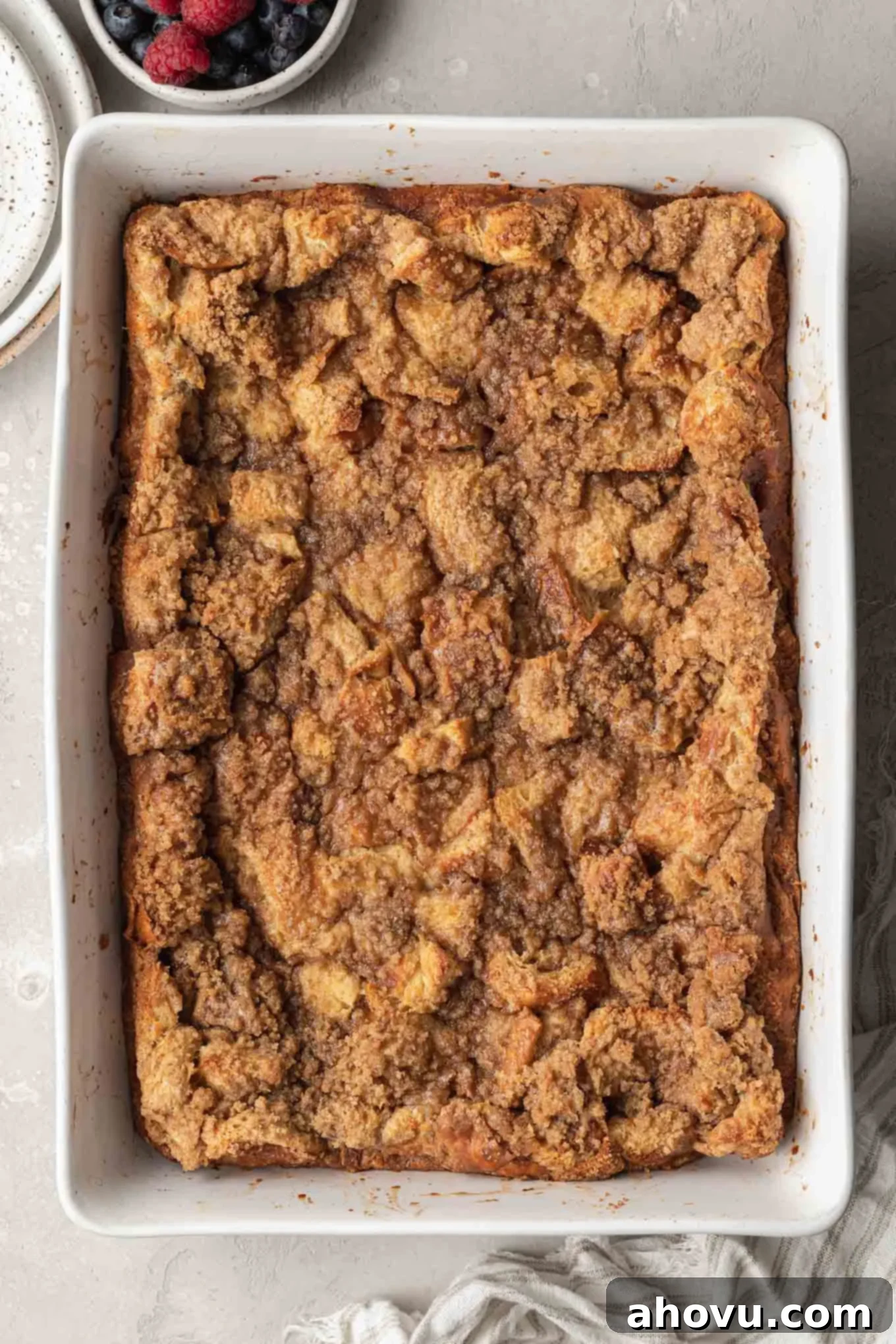
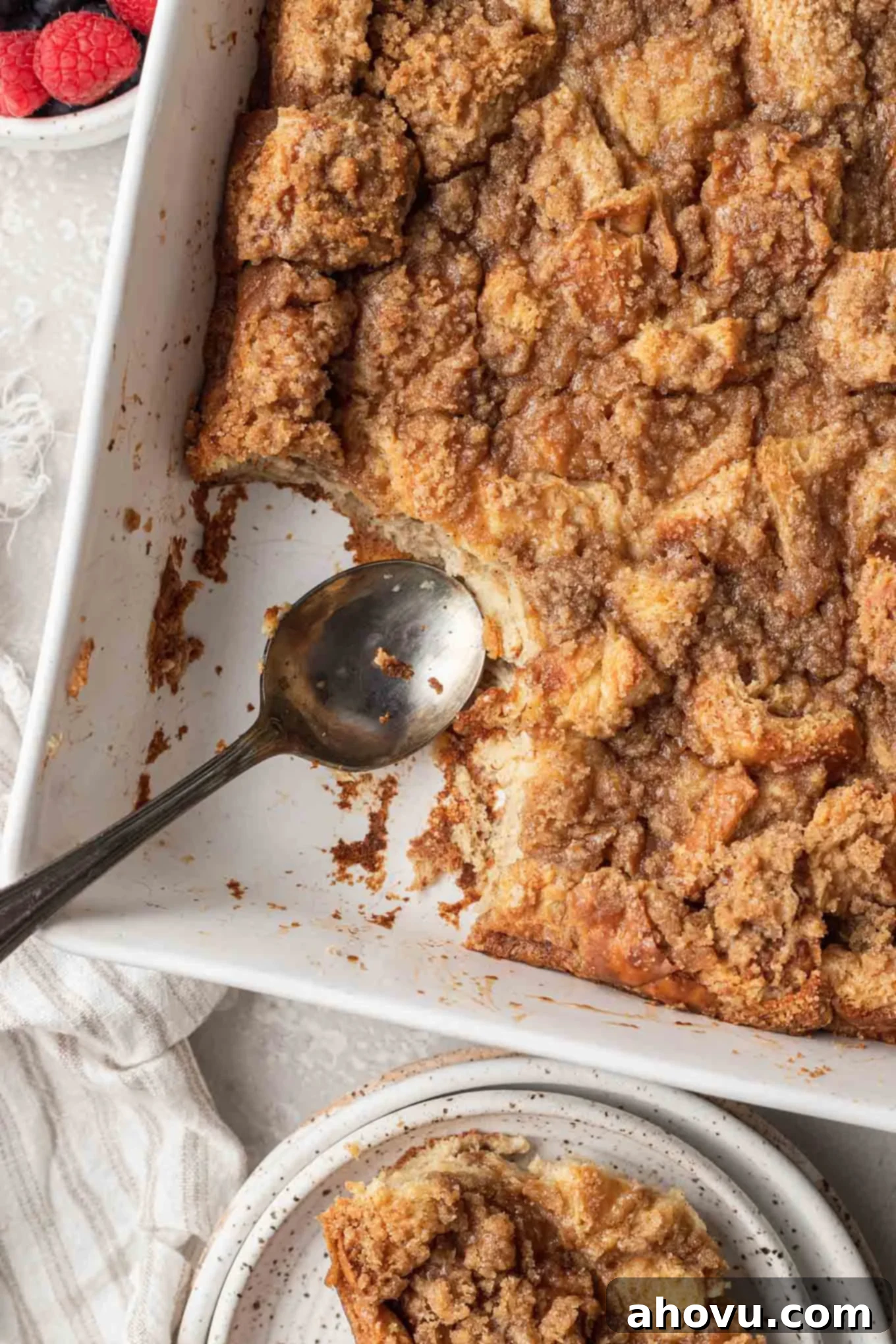
- Top and Bake to Golden Perfection: After 30 minutes, retrieve the chilled crumb topping from the fridge and generously sprinkle it evenly over the casserole. Place the dish in the preheated oven and bake for 50 to 60 minutes, or until the top is beautifully golden brown, the edges are set, and the center is firm. If you notice the topping browning too quickly, you can loosely tent the casserole with aluminum foil for the last 10-15 minutes of baking. Once baked, remove it from the oven and let it cool for at least 30 minutes before serving. This cooling period allows the casserole to set further, making it easier to serve and enjoy!
Delectable Topping Ideas for Your French Toast Casserole
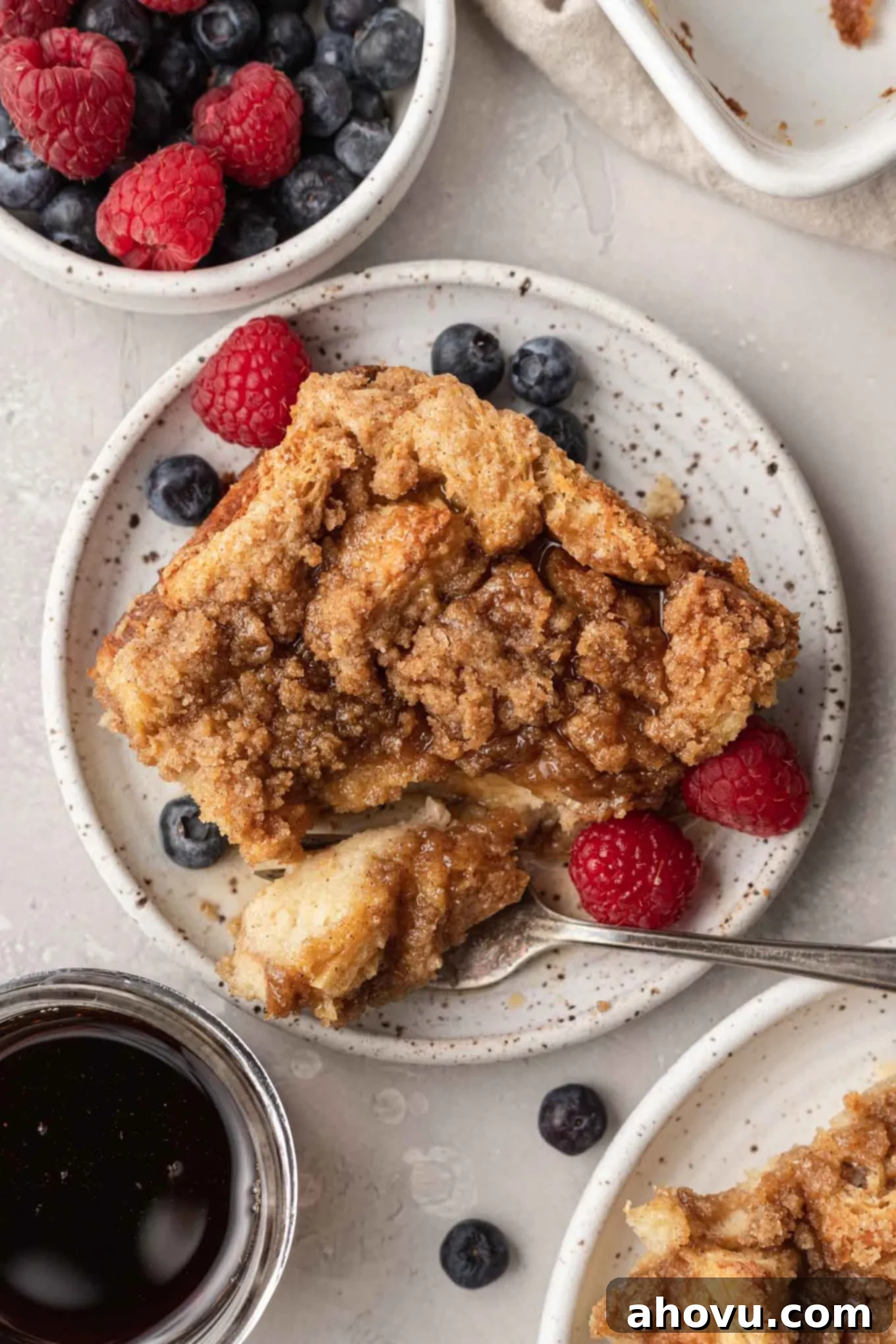
This French toast casserole is truly a stand-alone masterpiece, especially with its built-in, delightful crumb topping. It hardly needs anything else! However, if you’re looking to elevate your breakfast experience or cater to diverse tastes, feel free to load up your serving with any of these fantastic additions. They can add extra sweetness, tang, or a touch of creamy indulgence:
- Maple Syrup: The classic choice! A warm, rich drizzle of pure maple syrup is almost mandatory for French toast, adding that quintessential sweet and earthy flavor.
- Powdered Sugar: A simple dusting of powdered sugar adds an elegant finish and a subtle touch of sweetness, melting slightly into the warm casserole.
- Fresh Berries: Brighten up your plate with a scattering of fresh berries like strawberries, blueberries, raspberries, or blackberries. Their natural tartness and vibrant color offer a beautiful contrast to the rich casserole.
- Salted Caramel Sauce: For an indulgent treat, a generous swirl of homemade salted caramel sauce adds a rich, buttery, and sophisticated sweetness.
- Dulce de Leche: This thick, caramelized milk spread brings a wonderfully rich and creamy sweetness that pairs exceptionally well with the warm spices of the casserole.
- Homemade Blueberry Sauce: A warm, tangy blueberry sauce offers a burst of fruity flavor that complements the spiced bread beautifully.
- Homemade Strawberry Sauce: Similar to blueberry, a fresh strawberry sauce provides a bright, sweet, and slightly tart counterpoint.
- Homemade Whipped Cream: A dollop of light and airy whipped cream adds a cool, creamy texture and balances the richness of the casserole.
- Pumpkin Butter: Especially delightful in the fall, pumpkin butter introduces a creamy, spiced pumpkin flavor that enhances the warming spices already in the casserole.
- Apple Butter: For a comforting, fruity twist, a spoonful of smooth apple butter adds a concentrated apple flavor with notes of cinnamon and clove.
Frequently Asked Questions About French Toast Casserole
Absolutely, and I highly recommend it! Making this French toast casserole the night before and letting it chill in the fridge overnight is my preferred method. This extended chilling time allows the bread to thoroughly soak up all the rich, spiced custard, resulting in an incredibly moist, flavorful, and tender casserole with a superior texture. The key to a perfect overnight casserole is patience in the fridge. However, a crucial tip: wait to add the crumb topping until you are just about ready to bake it in the morning. If you add the crumb topping before refrigerating, it will absorb moisture from the casserole and become soggy, losing its delightful crispness during baking.
For the ultimate French toast casserole experience, I strongly prefer using challah bread. Its slightly sweet, eggy, and rich texture creates a wonderfully decadent base that holds up beautifully to soaking. However, other dense, sturdy breads like brioche or French bread (a good baguette works wonders) are also excellent choices. When selecting your bread, look for an unsliced 14 to 16-ounce loaf in the bakery section of your grocery store. This allows you to cube it yourself into consistent 1-inch pieces, which is ideal for uniform soaking and baking. Avoid thinly sliced sandwich bread, as it tends to become mushy.
Soggy French toast casserole is a common concern, but it’s easily avoidable by paying attention to a few key factors:
Bread wasn’t stale enough: This is perhaps the most common culprit. Fresh bread contains too much moisture and will turn mushy when soaked in custard. To prevent this, I highly recommend placing your cubed bread on your counter, out of its packaging, the day before you plan to make the recipe. Letting it sit out overnight allows it to dry out and become slightly stale, which significantly improves its ability to absorb the custard without becoming soggy during baking. If you forget this step, you can quickly dry it out in the oven (see baking tips).
You used the wrong type of bread: The type of bread plays a significant role. Opt for a thicker, denser bread like challah, brioche, or French bread. These varieties have a more robust structure that can absorb the custard while maintaining its integrity. Avoid soft, thinly sliced sandwich breads.
The bread didn’t soak long enough: While it seems counterintuitive, insufficient soaking can also lead to sogginess in a different way – the custard won’t properly bind to the bread. Ensure you let the casserole chill for at least 3 to 4 hours, or ideally overnight. This allows ample time for the bread to fully absorb the liquid and for the starches to set, resulting in a perfectly moist yet structured casserole.
Yes, this French toast casserole freezes beautifully! Once the casserole has completely cooled after baking, cut it into individual squares. Wrap each square tightly with plastic wrap, then place them in a large freezer-safe bag or airtight container. It can be frozen for up to 3 months. When you’re ready to enjoy a quick breakfast, simply remove a frozen slice, unwrap it, and reheat it in the microwave in 20 to 30-second increments until it’s warmed through. You can also thaw it overnight in the refrigerator and then reheat it in the microwave or a toaster oven for a slightly crispier edge.
Expert Baking Tips for a Perfect French Toast Casserole
- Utilize Day-Old or Stale Bread: This is perhaps the most critical tip! Using day-old or slightly stale bread is essential because it has less moisture content than fresh bread. This dryness allows it to absorb the custard much more effectively without becoming mushy or soggy during the soaking and baking process. If you happen to forget to set your bread out to dry overnight, don’t fret! You can quickly dry it out in the oven: cube the bread and spread it on a baking sheet, then bake at 350°F (175°C) for 8 to 10 minutes, tossing once, until it’s lightly toasted and dry. Let it cool completely before proceeding.
- Opt for Unsliced Loaves and Cube Them Yourself: Whenever possible, purchase a whole, unsliced loaf of challah, brioche, or French bread and cube it at home. Pre-sliced loaves of bread, especially those intended for sandwiches, are often cut too thinly. These thin slices tend to break down and become overly saturated, leading to a soggy casserole texture. Cubing a thicker, unsliced loaf yourself allows you to control the size and thickness, ensuring more substantial pieces that hold their shape and texture beautifully in the custard mixture. Aim for roughly 1-inch cubes.
- Customize Your Spices for Enhanced Flavor: The recipe provides a balanced amount of cinnamon and nutmeg to add a lovely warmth to the casserole. However, feel free to adjust these spices to suit your personal preference. If you enjoy a bolder, more pronounced spiced flavor, you’re welcome to add an extra ¼ to ½ teaspoon of ground cinnamon and/or a pinch more nutmeg. You could also experiment with a tiny dash of ground cloves or allspice for an even deeper, more complex aroma, especially during holiday seasons.
- Chill Crumb Topping Separately: As mentioned, always prepare the crumb topping separately and keep it chilled until just before baking. Adding it too early will make it soggy and you’ll lose that wonderful crisp texture.
- Don’t Rush the Cooling: Allowing the casserole to cool for at least 30 minutes after baking is important. This gives the custard time to set and firm up, making it much easier to cut into clean slices and serve without falling apart.
Recipe Video

French Toast Casserole
30 minutes
1 hour
4 hours
5 hours
30 minutes
Pin Recipe
Save
Saved!
Leave a Review
Ingredients
12
slices
French Toast Casserole
-
1
(14 to 16 ounce) loaf
day-old Challah, brioche, or French bread
cubed into 1-inch pieces (approximately 11 to 12 cups) -
8
large eggs -
⅔
cup
packed light or dark brown sugar
(135 grams) -
1
tablespoon
pure vanilla extract -
1 ½
teaspoons
ground cinnamon -
¼
teaspoon
ground nutmeg -
½
cup
heavy whipping cream
(120 ml) -
2
cups
whole milk
(480 ml)
Crumb Topping
-
⅓
cup
all-purpose flour
spooned & leveled (42 grams) -
½
cup
packed light or dark brown sugar
(100 grams) -
½
teaspoon
ground cinnamon -
Tiny pinch of salt -
¼
cup
cold unsalted butter
cubed into small pieces (60 grams)
Prevent your screen from going dark
Instructions
-
To prepare the French toast casserole base: Generously spray a 9×13-inch baking pan with nonstick cooking spray, ensuring all surfaces are covered.
-
Add the cubed, day-old bread to the prepared baking dish, spreading it out into a single, even layer across the bottom. Set this aside while you prepare the custard.
-
In a large mixing bowl, lightly beat the 8 large eggs. Then, add the brown sugar, pure vanilla extract, ground cinnamon, and ground nutmeg, whisking diligently until all these ingredients are fully combined and there are no clumps of sugar or spice. Slowly pour in the heavy whipping cream, whisking until well combined, then gradually add the whole milk, continuing to whisk until the entire custard mixture is smooth and uniform.
-
Carefully pour the prepared custard mixture over the cubed bread in the baking dish, making sure to evenly coat all the bread pieces. If necessary, gently press down on the bread with a spatula to ensure it’s fully submerged and soaking in the custard.
-
Tightly cover the casserole dish with plastic wrap or aluminum foil. Refrigerate for a minimum of 3 to 4 hours, or ideally, overnight (up to 12 hours) to allow the bread to fully absorb the flavorful custard.
-
To prepare the crumb topping: In a separate medium-sized mixing bowl, whisk together the all-purpose flour, brown sugar, ground cinnamon, and salt. Add the cold unsalted butter, which has been cubed into small pieces. Using a pastry cutter, two forks, or your fingers, cut the butter into the dry ingredients until the mixture resembles coarse crumbs with some pea-sized pieces of butter remaining.
-
Cover the crumb topping tightly and refrigerate it until you are ready to assemble and bake the casserole. Keeping it cold will ensure a perfectly crisp topping.
-
To assemble and bake: Once the French toast casserole has finished chilling and you’re ready to bake, preheat your oven to 350°F (180°C). Remove the casserole dish from the refrigerator and let it sit at room temperature on your counter for 30 minutes while the oven comes to temperature.
-
After the 30-minute resting period, take the chilled crumb topping from the refrigerator and evenly sprinkle it over the entire surface of the casserole.
-
Bake for 50 to 60 minutes, or until the top is beautifully golden brown, the edges are lightly crisp, and the center feels set and firm when gently pressed. If you notice the crumb topping browning too quickly during baking, loosely tent the casserole with aluminum foil for the final 10 to 15 minutes to prevent over-browning.
-
Remove the baked casserole from the oven and allow it to cool for at least 30 minutes before serving. This crucial cooling time allows the casserole to set properly, making it easier to slice and ensuring a perfect texture. Serve warm and enjoy!
Notes
Freezing Instructions: Once the casserole has completely cooled after baking, cut it into individual servings. Wrap each slice tightly with plastic wrap, then place them in a freezer-safe bag or airtight container. It can be frozen for up to 3 months. For best results, thaw individual portions overnight in the refrigerator, then reheat in the microwave or a toaster oven until warmed through.
American
Breakfast
Danielle Rye
Did you make this recipe?
Mention @livewellbakeoften on Instagram or tag #livewellbakeoften.
More French Toast Recipes to Try!