
Ultimate Moist Glazed Lemon Bread Recipe: Easy, Zesty & Perfect for Any Occasion
Is there anything that encapsulates the bright, refreshing essence of spring quite like a beautiful loaf of lemon bread? We think not! And to elevate that experience even further, imagine a perfectly moist lemon bread generously crowned with a shimmering, sweet-tart lemon glaze. Yes, that’s precisely what we’re bringing you today: an incredibly simple yet profoundly delicious recipe for Glazed Lemon Bread that’s destined to become a beloved staple in your kitchen.
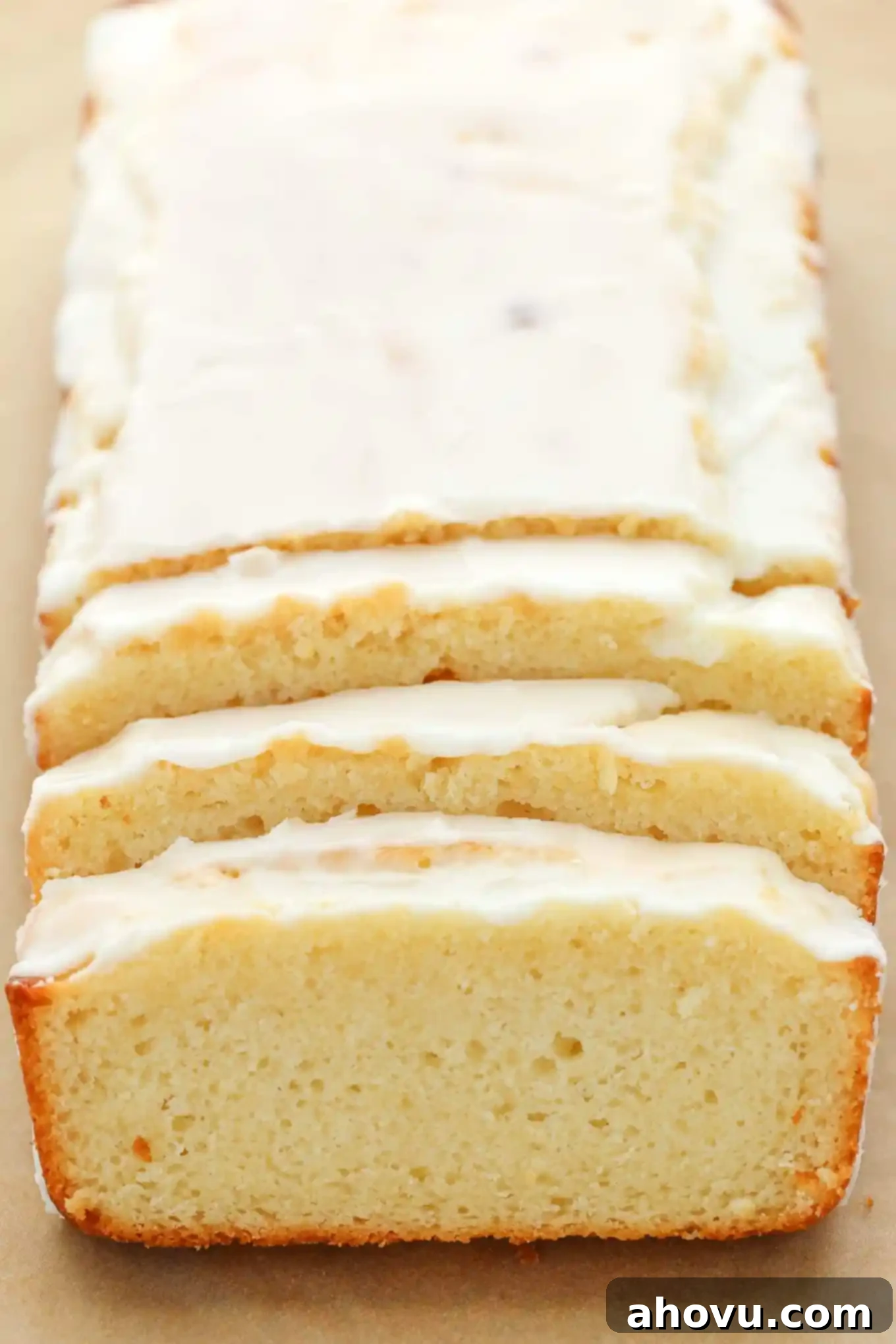
For those who share our profound affection for lemon desserts, you already know the irresistible charm of citrus-infused treats. If you’ve enjoyed our wildly popular classic lemon bars, you’re in for another delightful lemon-filled adventure. We believe that every season is lemon season, but there’s something particularly special about a vibrant lemon loaf that brightens any day. This easy lemon quick bread recipe is designed for maximum flavor with minimal effort, making it ideal for bakers of all skill levels.
One of the best things about this lemon bread is that it falls into the “quick bread” category, meaning there’s no yeast involved and no lengthy proofing times. You can effortlessly mix the batter in just 10-15 minutes, have it in the oven, and then simply let the magic happen. Honestly, the most challenging part of preparing this heavenly bread is the patience required while it bakes to golden perfection and then cools down enough to be sliced. But trust us, the wait is absolutely worth it for that first incredible bite of moist, zesty lemon goodness.
Essential Ingredients for Your Zesty Lemon Bread
Creating this wonderfully moist and flavorful lemon quick bread requires a handful of common pantry staples. The magic truly lies in how these simple ingredients come together to produce such an extraordinary result. Here’s a detailed look at what you’ll need and why each component is crucial:
- All-purpose flour: This forms the foundational structure of our quick bread. Accurate measurement is key here! To prevent a dense, heavy loaf, always remember to spoon and level your flour rather than scooping directly from the container. Scooping can pack too much flour into your measuring cup, resulting in a drier, tougher bread. Our guide on the spoon and level method provides all the details you need for perfect flour measurement every time.
- Baking powder: This acts as our primary leavening agent. It reacts when mixed with wet ingredients and heat, producing carbon dioxide bubbles that help the bread rise beautifully in the oven, giving it a light and airy texture.
- Salt: A pinch of salt is vital for balancing out the sweetness from the sugar and enhancing all the other flavors in the batter, making the lemon notes pop even more. It prevents the bread from tasting flat.
- Oil (canola or vegetable): A neutral-flavored oil is preferred because it contributes to an incredibly moist crumb without imparting any distinct taste. Unlike butter, oil remains liquid at room temperature, which helps keep the bread soft and tender for several days.
- Granulated sugar: This not only sweetens the quick bread but also plays a role in its moisture content and tenderness. It perfectly complements the bright, tart notes of the fresh lemon.
- Sour cream: This is a secret weapon for an exceptionally moist and tender quick bread. Its fat content adds richness, while its acidity reacts with the baking powder to aid in leavening and tenderness. If sour cream isn’t available, plain full-fat Greek yogurt makes an excellent substitute, offering similar benefits.
- Fresh lemon juice and zest: For that truly vibrant, authentic lemon flavor, fresh lemons are non-negotiable! The zest contains concentrated lemon oils, providing intense aromatic notes, while the juice adds a delightful tang and moisture. You’ll need both for maximum lemon impact in the bread and the glaze.
- Eggs: Eggs serve as a binder, helping to hold all the ingredients together and providing structure to the loaf. They also add richness and contribute to the bread’s golden-brown color.
- Vanilla extract: While lemon is the star, pure vanilla extract enhances the overall flavor profile by adding a warm, subtle sweetness that rounds out the bright citrus notes beautifully.
- Powdered sugar (for the glaze): This fine sugar quickly dissolves into a smooth, pourable glaze when combined with lemon juice, creating that signature sweet and tangy topping.

Crafting Your Perfect Glazed Lemon Bread: A Step-by-Step Guide
Making this delightful lemon bread is a straightforward process, even for beginner bakers. Follow these simple steps to create a show-stopping loaf:
- Prepare the dry ingredients: In a large mixing bowl, begin by whisking together your all-purpose flour (remember to spoon and level it!), baking powder, and salt. Whisking ensures these dry ingredients are evenly distributed, which is crucial for uniform rising. Set this bowl aside.
- Combine the wet ingredients: In a separate, medium-sized bowl, whisk together the oil, granulated sugar, sour cream (or Greek yogurt), fresh lemon juice, lemon zest, eggs, and vanilla extract until everything is thoroughly combined and smooth. The oil and sour cream are key players here, contributing significantly to the bread’s exceptional moisture and tender crumb that lasts for days.
- Marry wet and dry: Gently pour the wet ingredient mixture into the bowl of dry ingredients. Using a spatula or wooden spoon, mix until *just* combined. It’s incredibly important not to overmix the batter at this stage. Overmixing can develop the gluten in the flour too much, leading to a tough, dense loaf rather than a light and tender one. A few lumps are perfectly fine!
- Prepare for baking: Pour the luscious batter evenly into a prepared 9×5-inch loaf pan. For easy removal, we highly recommend lining your loaf pan with parchment paper, leaving a slight overhang on the longer sides. This creates “handles” that allow you to effortlessly lift the cooled bread out of the pan. You can see a visual example of this technique in our popular banana bread post.
- Bake to perfection: Bake the loaf in your preheated oven at 350°F (175°C) for approximately 45-55 minutes. You’ll know it’s done when a wooden toothpick inserted into the very center comes out clean or with a few moist crumbs attached. If you notice the top browning too quickly during the last 15-20 minutes of baking, loosely tent the loaf with aluminum foil to prevent over-browning while the inside finishes cooking.
- Cooling is crucial: Once baked, remove the loaf from the oven and allow it to cool in the pan for about 20 minutes. This allows the bread to set and prevents it from crumbling when removed. After 20 minutes, carefully lift the bread out of the loaf pan using the parchment paper handles and transfer it to a wire rack to cool completely. Cooling completely before glazing is essential to prevent the glaze from simply melting off.
- The crowning glory – Lemon Glaze: Once your lemon bread has fully cooled, it’s time for the optional (but highly recommended!) glaze. In a small bowl, whisk together the powdered sugar and fresh lemon juice until smooth and lump-free. The consistency should be thick enough to cling to the bread but thin enough to drizzle. If the glaze is too thick, add a tiny bit more lemon juice, a quarter teaspoon at a time, until you reach the desired consistency. If it’s too thin, whisk in a little more powdered sugar. For those who prefer a less intense lemon flavor, you can substitute milk for the lemon juice in the glaze for a classic vanilla-flavored topping.
- Glaze and enjoy: Generously pour the prepared lemon glaze over the cooled bread, allowing it to drip down the sides for a beautiful presentation. Let the glaze set and harden for 15-20 minutes before slicing into thick pieces and serving. This allows the glaze to form a delicate, slightly crunchy crust.

Can I Add Blueberries to This Recipe?
We often get asked if blueberries can be added to this lemon bread recipe, and while lemon and blueberry are a match made in heaven, we actually recommend using a dedicated recipe for lemon blueberry bread. Adding fruits like blueberries introduces additional moisture and weight to the batter, which can alter the texture and baking time significantly. To ensure you get the best possible results with juicy blueberries that don’t sink to the bottom and a perfectly balanced flavor, we strongly advise following our specially developed and thoroughly tested Lemon Blueberry Bread recipe instead. That recipe has been perfected to accommodate the specific needs of adding fruit, guaranteeing a delicious outcome every time!
Expert Baking Tips for Success
To ensure your glazed lemon bread turns out perfectly moist, tender, and full of flavor every time, keep these essential baking tips in mind:
- Measure flour correctly: As mentioned, never scoop flour directly from its container with your measuring cup. Instead, fluff the flour in its bag or canister, then spoon it into your measuring cup until it’s overflowing. Finally, level it off with the back of a knife or a straight edge. This method prevents over-measurement, which is a common cause of dry, dense baked goods.
- Avoid overmixing: Once you combine the wet and dry ingredients, stir them together until *just* moistened. A few small lumps are perfectly acceptable! Overmixing develops the gluten in the flour, leading to a tough, chewy texture rather than the desired tender crumb of a quick bread.
- Opt for full-fat dairy: Whether you’re using sour cream or plain Greek yogurt, always choose the full-fat version. The fat content contributes significantly to the bread’s richness, moisture, and tender crumb. Low-fat or fat-free alternatives can result in a less flavorful and drier loaf.
- Use fresh lemons: For the most vibrant and authentic lemon flavor, fresh lemon juice and zest are irreplaceable. Bottled lemon juice often contains preservatives and lacks the bright, aromatic oils found in fresh zest.
- Don’t skip the cooling: It’s tempting to cut into a warm loaf, but for a beautiful glaze that sets properly, allow the bread to cool completely on a wire rack. Applying glaze to warm bread will cause it to melt and run off, rather than forming a nice, even coating.
More Lemon Desserts to Brighten Your Day!
If you’re a true lemon enthusiast, your culinary journey doesn’t have to end with this amazing Glazed Lemon Bread. The world of lemon desserts is vast and wonderfully tangy! Here are a few more of our favorite lemon-infused recipes that we’re sure you’ll adore:
- Lemon Raspberry Cheesecake Bars: A perfect blend of creamy cheesecake, tart lemon, and sweet raspberries.
- Lemon Blueberry Bundt Cake: A show-stopping cake, elegant and bursting with flavor.
- Lemon Blueberry Cupcakes: Individual portions of lemon-blueberry heaven, topped with a luscious cream cheese frosting.
- Lemon Poppy Seed Bundt Cake: A classic combination of zesty lemon and crunchy poppy seeds in a beautiful bundt shape.
- Classic Lemon Bars: The timeless, perfectly balanced sweet-tart treat that started it all for many lemon lovers.

Glazed Lemon Bread
5 from 14 ratings
An easy lemon bread recipe topped with a sweet lemon glaze. This Glazed Lemon Bread is perfect for breakfast, brunch, or dessert!
Pin Recipe
Leave a Review
Ingredients
For the lemon bread:
- 1 and 3/4 cups (220 grams) all-purpose flour, spooned & leveled
- 2 teaspoons baking powder
- 1/2 teaspoon salt
- 1/2 cup (120ml) oil (canola or vegetable)
- 1 cup (200 grams) granulated sugar
- 1 cup (230 grams) sour cream
- 1/4 cup (60ml) fresh lemon juice
- 1 tablespoon lemon zest (zest of 1 lemon)
- 2 large eggs
- 2 teaspoons vanilla extract
For the lemon glaze:
- 1 cup (120 grams) powdered sugar
- 2 tbsp (30 ml) fresh lemon juice
Instructions
To make the lemon bread:
- Preheat oven to 350°F (175°C). Spray a 9×5-inch loaf pan with non-stick cooking spray or line with parchment paper for easy removal, then set aside.
- In a large mixing bowl, whisk together the flour, baking powder, and salt. Set aside.
- In a separate mixing bowl, whisk together the oil, sugar, sour cream, lemon juice, lemon zest, eggs, and vanilla until fully combined and smooth.
- Combine the wet and dry ingredients together. Mix gently until just combined. Be careful not to overmix; a few lumps are fine.
- Pour the batter into the prepared loaf pan and spread it into one even layer. Bake at 350°F (175°C) for 45-55 minutes, or until a wooden toothpick inserted into the center comes out clean. If the top starts to brown too much, tent loosely with foil for the last 15-20 minutes of baking.
- Remove from the oven and allow to cool for 20 minutes in the loaf pan. Carefully remove from the loaf pan and transfer to a wire rack to cool completely before glazing.
To make the lemon glaze:
- Once the bread has completely cooled, whisk together the powdered sugar and fresh lemon juice in a small bowl until smooth. If the glaze is too thick, add a tiny bit more lemon juice (1/4 tsp at a time) until desired consistency. If too thin, add more powdered sugar.
- Pour the glaze over the cooled bread, spreading it around to fully cover the top. Allow the glaze to harden for 15-20 minutes before slicing and enjoying!
Notes
Storage instructions: Store leftover glazed lemon bread in an airtight container at room temperature for up to 3 days, or in the refrigerator for extended freshness for up to 5 days. This bread also freezes exceptionally well for 2-3 months. To freeze, wrap the cooled, unglazed (or glazed if preferred) loaf tightly in plastic wrap, then in aluminum foil. Thaw overnight in the refrigerator and bring to room temperature before serving.
Prep time does not include cooling time.
Course: Dessert, Breakfast, Brunch
Author: Danielle
Did you make this recipe?
Mention @livewellbakeoften on Instagram or tag #livewellbakeoften. We love seeing your delicious creations!