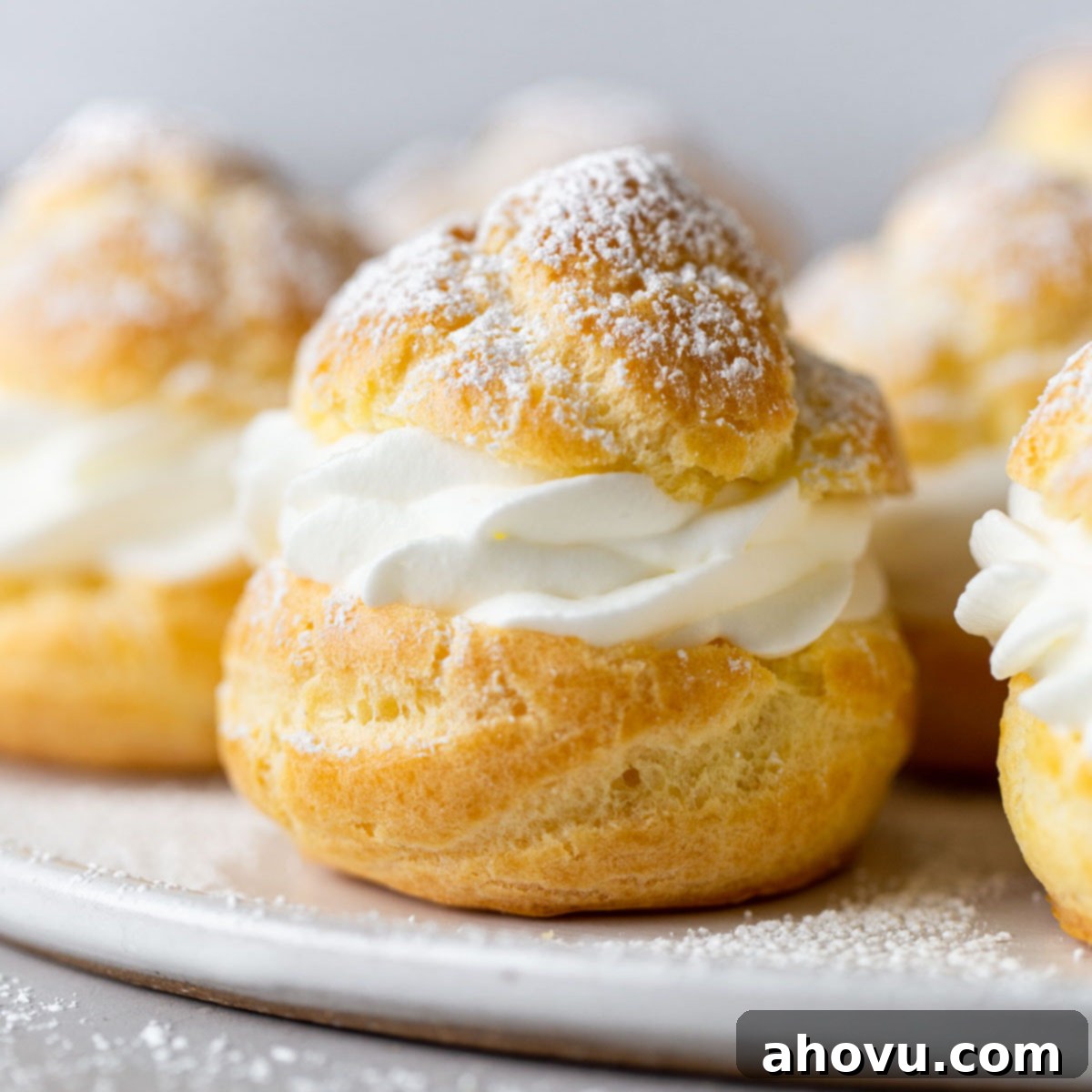
Effortlessly Elegant: The Ultimate Guide to Baking Perfect Homemade Cream Puffs
Master the art of classic French patisserie with this incredibly easy homemade cream puff recipe. Made with just a few simple ingredients, these delicate pastries filled with luscious cream are sure to impress at any family gathering, bridal shower, birthday, or special occasion.
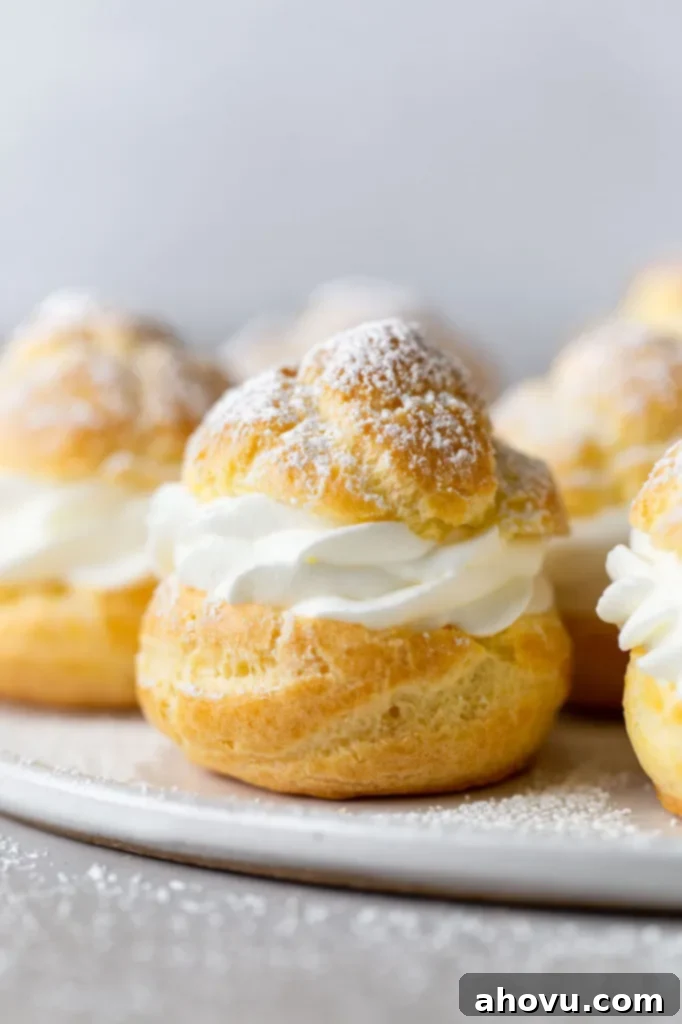
Cream puffs, or profiteroles as they are known in France, represent the pinnacle of elegant desserts, yet their creation is surprisingly straightforward once you understand the foundational technique. At their heart lies pâte à choux, a remarkable pastry dough that’s incredibly versatile. This light, airy dough is made from just water, butter, flour, and eggs, and it’s the secret behind not only cream puffs but also éclairs, gougères, and churros.
Many home bakers find the idea of making cream puffs intimidating, but I’m here to tell you that it’s entirely within reach. While they certainly look sophisticated, the process is quite manageable as long as you adhere to a few key steps. The beauty of choux pastry is its ability to puff up dramatically in the oven, creating a hollow shell perfect for filling with your favorite sweet or savory delights.
In this comprehensive guide, we’ll demystify the process. I’ll walk you through each ingredient, explaining its role, and provide detailed step-by-step instructions accompanied by photos. You’ll learn the secrets to achieving perfectly risen, golden-brown cream puff shells that are crisp on the outside and tender on the inside. Get ready to bake a dessert that’s both impressive and incredibly satisfying!
Essential Ingredients for Your Perfect Cream Puffs
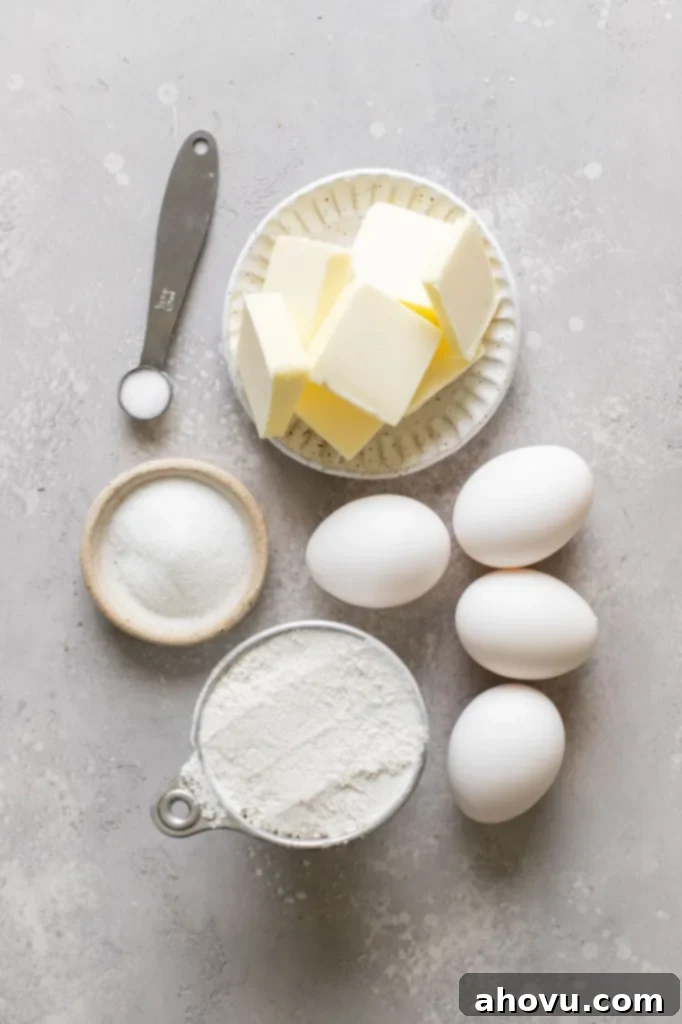
One of the most appealing aspects of choux pastry is its simplicity, requiring only a handful of common pantry staples. However, because there are so few ingredients, the quality and proper preparation of each one become paramount to your success. Here’s a closer look at what you’ll need and why each element is important:
- Water: The liquid base for our choux pastry, standard tap water is perfectly fine for this recipe. It helps create the steam needed for the puffs to rise.
- Unsalted Butter: We opt for unsalted butter to have complete control over the salt content in our recipe. It’s vital for the butter to be sliced into tablespoon-sized pieces. This ensures it melts evenly and quickly, preventing the water from evaporating too much before the flour is added. Using high-quality butter will also contribute to a richer flavor in your pastry shells.
- Granulated Sugar: While technically optional, a small amount of granulated sugar adds a subtle hint of sweetness to the cream puff shells, complementing the rich filling without making the shells overtly sweet. It also aids in browning and can slightly enhance the pastry’s crispiness.
- Large Eggs: Eggs are perhaps the most critical ingredient in choux pastry. They bind the dough, provide structure, and contribute to the signature puffy texture. It is absolutely crucial that your eggs are at room temperature. Cold eggs will cause the warm dough to seize and prevent proper emulsification, leading to a lumpy or split dough. If you forget to take your eggs out ahead of time, a quick trick is to place them in a bowl of warm (not hot!) water for 5 to 10 minutes. This will bring them to temperature quickly.
- Salt: A pinch of salt is essential. It balances the sweetness from the sugar and filling, enhancing all the other flavors in the dough and preventing the finished product from tasting bland.
- All-Purpose Flour: The flour provides the structure for the pastry. Accurate measurement is key here. To avoid adding too much flour, which can result in a tough and dense pastry, always spoon your flour into the measuring cup and then level it off with a straight edge. Scooping directly from the bag compacts the flour, leading to an excess amount that will throw off the delicate balance of the dough.
Step-by-Step Guide: How to Make Flawless Cream Puffs
Let’s dive into the exciting part – bringing these ingredients together to create magical cream puff shells. Precision and attention to detail are your best friends here!
Preparing Your Workspace
Before you even think about combining ingredients, prepare your baking sheets and a piping template. This ensures you’re ready to go as soon as your dough is perfect. Take a piece of parchment paper the size of your baking sheet. Using a 2-inch round cookie cutter, trace about ten circles onto it, leaving ample space between each one to allow for expansion. This template will guide your piping and help ensure uniformly sized cream puffs that bake evenly. Once your template is ready, line two large baking sheets with fresh parchment paper and set them aside.
Crafting the Choux Dough
Begin by adding the sliced butter, granulated sugar (if using), salt, and water to a large, heavy-bottomed saucepan. Place the saucepan over medium heat. Allow the mixture to come to a full, rolling boil, stirring occasionally to help the butter melt completely and the sugar dissolve. Once boiling, remove the saucepan from the heat and immediately add all of the pre-measured all-purpose flour at once. Stir vigorously with a wooden spoon until the flour is fully incorporated and the mixture forms a cohesive, smooth ball of dough.
Return the saucepan to medium heat and continue to cook the dough for another two to three minutes, stirring constantly and pressing it against the bottom of the pan. This step is crucial; you are essentially drying out the dough. You’ll know it’s ready when it pulls away cleanly from the sides of the pan, forms a smooth ball, and leaves a noticeable film or residue on the bottom of the saucepan. This film indicates that enough moisture has evaporated, which is key for the steam generation that makes cream puffs rise.
Incorporating the Eggs
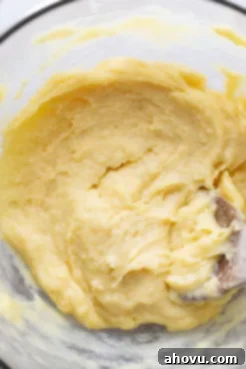
Once the dough has reached the correct consistency, scoop it immediately into a large, heat-proof mixing bowl. It’s important to let it cool slightly for about three minutes. This prevents the eggs from scrambling when they are added. After the brief cooling period, begin mixing in the room temperature eggs, one at a time. Whether you use an electric mixer on medium speed with a paddle attachment or a sturdy wooden spoon by hand, ensure each egg is fully combined and absorbed into the dough before adding the next. The dough will look a bit curdled or greasy at first, but it will come together with continued mixing. After the fourth egg is mixed in, the dough should have a glossy, smooth, and thick consistency. To test for readiness, lift your beaters or spoon out of the bowl; the dough should slowly fall back into the bowl, forming a distinct “V-shape” or a thick, soft peak at the end of the utensil. This “V-test” indicates the perfect hydration for piping.
Piping the Pastry
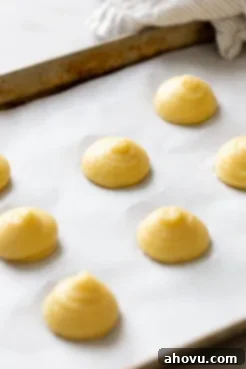
Transfer the prepared choux dough to a large piping bag fitted with a ½-inch round piping tip (a Wilton 1A tip works wonderfully). Now, retrieve one of your prepared baking sheets with the parchment template underneath. Position the piping bag perpendicular to the parchment paper, holding it about ½-inch above the surface. This vertical angle is crucial, as it encourages the cream puffs to rise straight up, creating a beautiful, uniform shape. Apply gentle, even pressure to pipe 2-inch circles, allowing the dough to expand slightly in both height and width as you go. When you finish piping each circle, make sure to swirl the tip of the piping bag gently before lifting it away. Avoid pulling straight up, as this can create pointed peaks that are prone to burning in the oven. Once you’ve piped all the circles on the first sheet, remove the template and repeat the process for the second baking sheet. You should yield a total of 18 to 20 perfectly piped circles.
After piping, you might notice small, pointed peaks on some of your dough circles. To prevent these from burning, simply dip your finger in a little water and gently smooth them out. This small step ensures a more aesthetically pleasing and evenly baked cream puff.
Baking for Golden Perfection
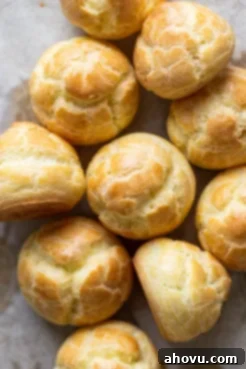
Before placing your piped dough into the preheated oven, whisk together one large egg with one tablespoon of water to create an egg wash. Gently brush a thin layer of this egg wash over the tops of each cream puff shell. This step is essential for achieving that desirable golden-brown color and a subtle sheen on your finished pastries.
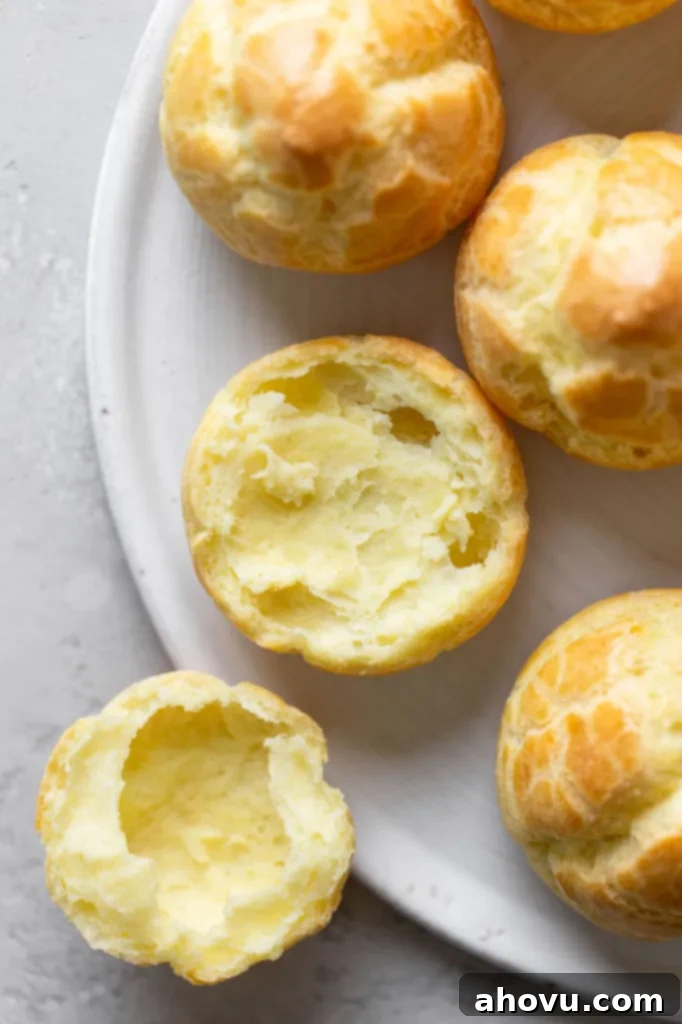
Now for the most critical instruction for baking choux pastry: Once your cream puffs are in the oven, do not open the oven door! The delicate structure of choux pastry relies on trapped steam to puff up and hold its shape. A sudden rush of cold air will cause the pastries to deflate immediately and irreversibly. Bake them for the recommended time until they are beautifully golden brown and firm.
When the baking time is complete, turn off the oven but do not remove the cream puffs just yet. Instead, take them out briefly and use a skewer or the tip of a small knife to carefully pierce a small hole in the side of each one. This allows any trapped steam to escape, preventing the interior from becoming soggy. Then, return the cream puffs to the oven, leaving the door cracked open, for an additional 10 minutes. This drying-out period is crucial for ensuring a crisp exterior and a dry, hollow interior, perfect for filling. Finally, remove the cream puff pastry shells from the oven and transfer them to a wire rack to cool completely before you even think about filling them.
For the filling, I typically double my homemade whipped cream recipe to ensure I have plenty to pipe generously into each shell. Alternatively, if you prefer a richer, more classic filling, you can use a smooth and delicious pastry cream. Simply pierce a hole in the side of each cooled puff and pipe the cream in using a small piping tip.
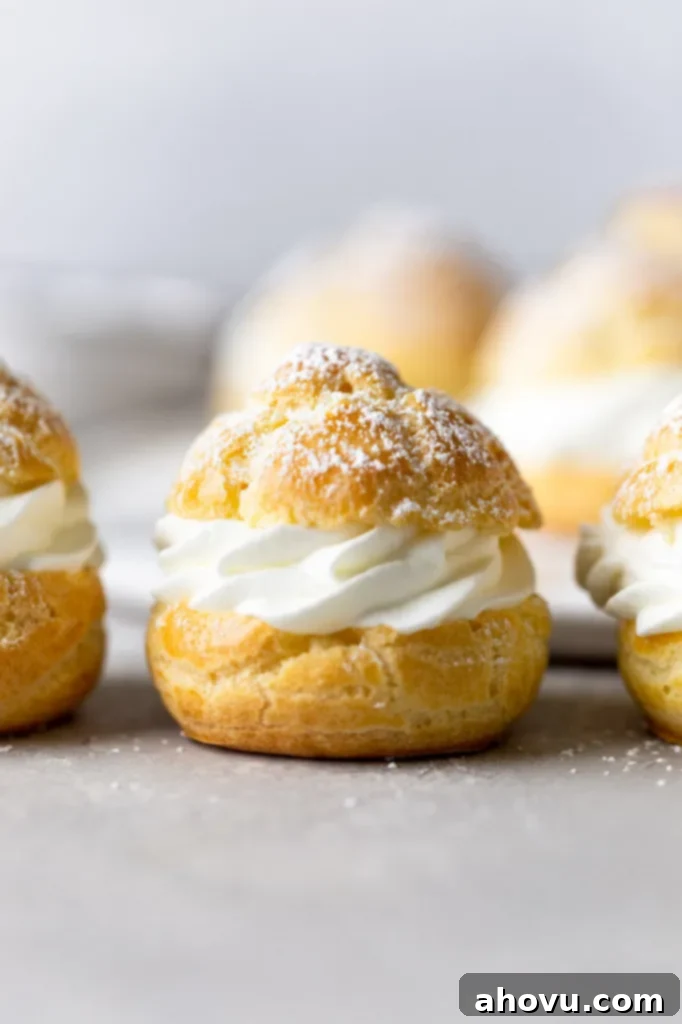
Troubleshooting: What Makes Cream Puffs Deflate?
It’s disheartening when your beautifully risen cream puffs suddenly collapse. Understanding the common culprits can help you avoid this disappointment in the future:
- Opening the Oven Door Prematurely: This is by far the most frequent cause of deflation. As mentioned, the internal steam is what inflates the choux pastry. If you open the oven door too early, that sudden rush of cooler air causes the steam to condense rapidly, leading to an immediate collapse of the delicate structure. Patience is key!
- Underbaking: If your cream puffs are removed from the oven before they are fully baked and sufficiently dry, their structure won’t be set enough to hold its shape. They might look golden on the outside but still be soft and moist within, making them prone to deflating once they cool. The drying-out period at the end of baking is crucial for strengthening the shell.
If your cream puffs turn out a bit lopsided, don’t worry! This is usually a minor aesthetic issue related to piping the dough at an angle instead of straight up. While they might not be picture-perfect, they will still be absolutely delicious once filled. Focus on the flavor and texture, and enjoy your homemade treat!
Storage Guidelines for Freshness
Proper storage ensures your cream puffs remain delicious and fresh, whether filled or unfilled:
- Unfilled Cream Puff Shells: These are best stored in an airtight container at room temperature for up to two days. You can also refrigerate them for the same duration. If they soften slightly, a quick reheat in a 300°F (150°C) oven for about 5 minutes can help crisp them up again. Always let them cool completely after reheating before filling.
- Filled Cream Puffs: Once filled with cream, cream puffs are more perishable due to the dairy. Store them in an airtight container in the refrigerator for up to three days. For optimal texture, it’s always best to fill them closer to serving time if possible.
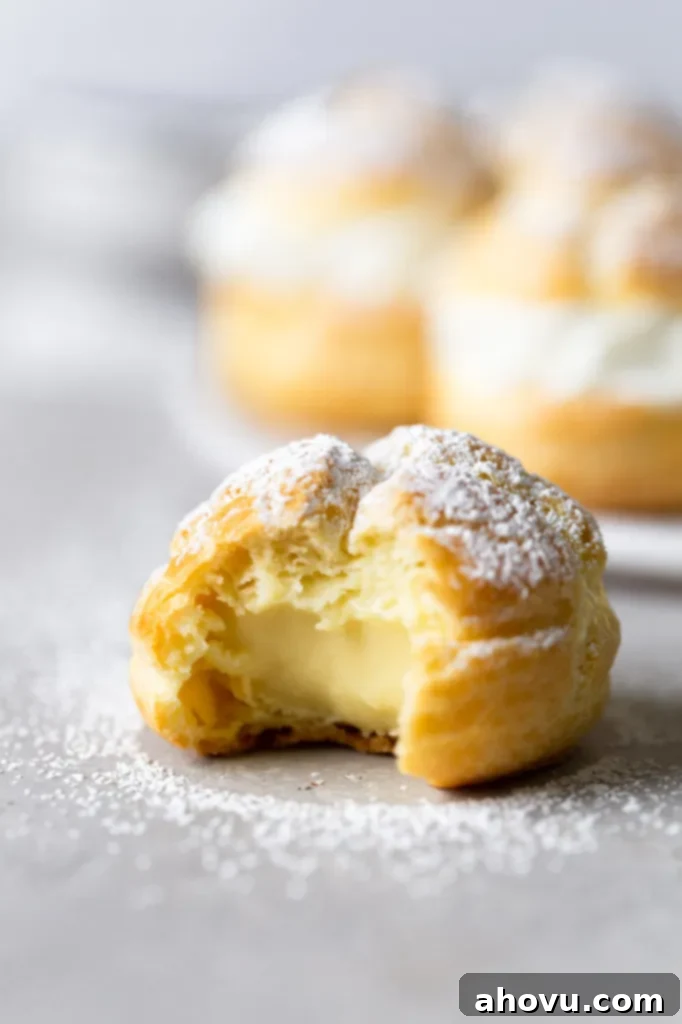
Pro Baking Tips for Cream Puff Success
- Chill Out Before Filling: It is absolutely paramount that your cream puff shells cool completely before you even think about adding the filling. If the shells are even slightly warm, any delicate filling like whipped cream or pastry cream will begin to melt and ooze out, making for a messy and disappointing experience. Patience here is rewarded!
- Get Creative with Fillings: While classic sweetened whipped cream and rich pastry cream are my top choices, the hollow nature of cream puffs makes them incredibly versatile. Don’t hesitate to experiment! Consider chocolate mousse, lemon curd, fruit compotes, or even a scoop of your favorite ice cream for an extra special treat. You can also flavor your whipped cream with vanilla bean paste, a touch of almond extract, coffee, or citrus zest for a unique twist.
- Make Ahead and Freeze: Cream puffs are a fantastic make-ahead dessert. Unfilled cream puff shells can be baked, cooled completely, and then frozen for up to two months in an airtight container or freezer bag. They thaw incredibly well, making them the perfect solution for impromptu parties or when you need to prepare components of a dessert in advance. To reheat from frozen, place them in a 300°F (150°C) oven for 5 to 7 minutes until crisp. Allow them to cool fully before filling.
More Classic Desserts to Delight Your Palate!
If you enjoyed mastering cream puffs, explore these other timeless and delectable dessert recipes:
- Crème Brûlée
- Angel Food Cake
- Classic White Cake
- Cream Cheese Pound Cake
- Decadent Coconut Cream Pie
Video Tutorial
Perfect Homemade Cream Puffs
Pin Recipe
SaveSaved!
Leave a Review
Ingredients
- 1 cup (240 ml) water
- ½ cup (115 grams) unsalted butter , sliced into tablespoon-sized pieces
- 2 teaspoons granulated sugar
- ¼ teaspoon salt
- 1 cup (125 grams) all-purpose flour , spooned & leveled
- 4 large eggs , at room temperature
- Egg Wash: 1 large egg plus 1 tablespoon water
Instructions
-
Preheat your oven to 375°F (190°C). Prepare your piping template: tear off a large piece of parchment paper the same size as your baking sheets. Using a 2-inch cookie cutter, trace 10 two-inch circles on it, ensuring to leave enough space between each one (this will serve as your guide for piping the dough). Line two large baking sheets with fresh parchment paper and set them aside.
-
In a large, heavy-bottomed saucepan, combine the water, sliced butter, granulated sugar (if using), and salt. Place the saucepan over medium heat and bring the mixture to a rolling boil, stirring occasionally to help the butter melt evenly.
-
Immediately remove the saucepan from the heat and stir in the entire cup of all-purpose flour with a sturdy wooden spoon until it’s fully combined and forms a cohesive dough. Return the mixture to medium heat and continue to cook and stir for about 2 to 3 minutes. The dough is ready when it pulls away from the sides of the pan, forms a smooth ball, and leaves a thin film on the bottom of the pan, indicating it has dried out sufficiently.
-
Remove the saucepan from the heat and transfer the dough mixture to a large, heat-proof bowl. Allow it to cool slightly for 3 minutes. This crucial step prevents the eggs from cooking when added.
-
Add the room temperature eggs, one at a time, mixing thoroughly with a wooden spoon or an electric mixer after each addition until fully combined. It’s normal for the dough to look separated initially; keep mixing until it comes back together. After the 4th egg is fully incorporated, the dough should be glossy and thick enough to hold a “V-shape” when you lift your spoon or beaters.
-
Transfer the prepared choux dough to a large piping bag fitted with a ½-inch round piping tip (the Wilton 1A tip is highly recommended).
-
Place your parchment template underneath the parchment paper on one of your prepared baking sheets. Hold the piping bag perpendicular to the parchment paper, about ½-inch above it, ensuring your cream puffs rise straight. Apply even pressure to pipe 2-inch circles, allowing them to expand in both height and width. As you finish piping each circle, gently swirl the tip before lifting it away (avoid pulling straight up to prevent peaks). Once done, remove the template and repeat the process with the other baking sheet. You should end up with a total of 18 to 20 circles.
-
Dip your finger in a little water and gently smooth out any pointed peaks on the piped dough to prevent them from burning during baking.
-
To make the egg wash: In a small mixing bowl, whisk together the remaining large egg and 1 tablespoon of water until fully combined. Gently brush the top of each piped cream puff with this egg wash for a beautiful golden finish.
-
Bake the cream puffs for 30 to 35 minutes, or until they are puffed up, golden brown, and feel firm to the touch. It is crucial not to open the oven door while they are baking, as this will cause them to deflate. Once baked, turn off the oven, remove them briefly, and immediately pierce a small hole in the side of each one using a knife or skewer. This allows steam to escape and prevents sogginess. Return them to the oven with the door cracked open for an additional 10 minutes to dry out and crisp up.
-
Remove the cream puffs from the oven and carefully transfer them to a wire rack to cool completely. Ensure they are fully cool before filling them with whipped cream, pastry cream, or your favorite delightful filling.
Notes
Storage Instructions for Filled Puffs: Once filled, cream puffs should be stored in an airtight container in the refrigerator for 2 to 3 days.
Freezing Instructions: Unfilled cream puff shells freeze beautifully for up to 2 months. To serve, thaw them to room temperature and reheat in a 300°F (150°C) oven for 5 to 7 minutes until crisp. Ensure they are completely cool before filling.
Granulated Sugar: This ingredient is optional, but I recommend it as it adds a subtle sweetness and enhances the overall flavor profile of the pastry.
Eggs: Room temperature eggs are vital for proper emulsification and a smooth dough. If you forget to set them out ahead of time, place them in a bowl of warm water for 5 to 10 minutes to quickly bring them to temperature.