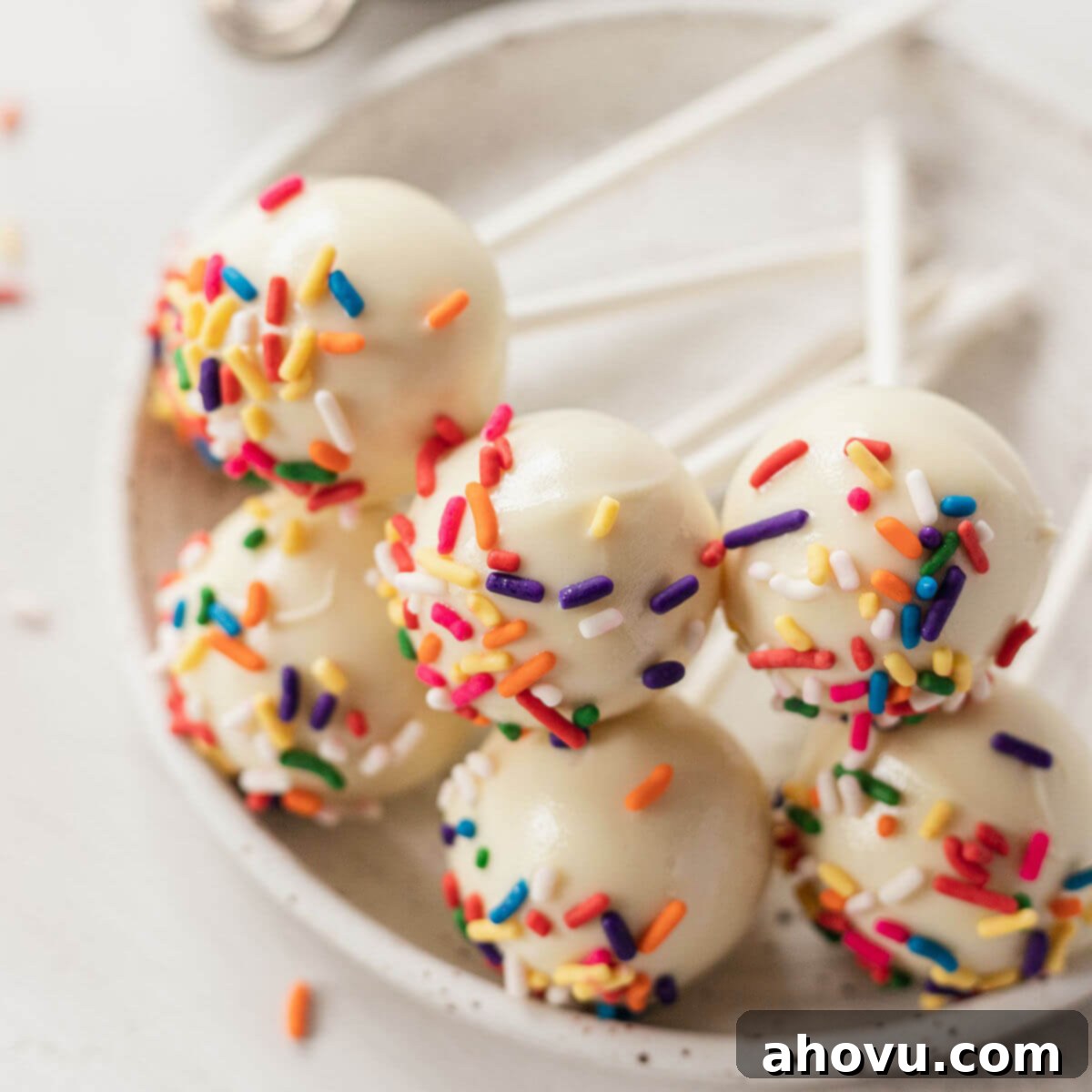
Indulge in Homemade Vanilla Cake Pops: Your Ultimate Guide to Easy, Customizable Treats
These homemade cake pops are incredibly easy to customize, making them perfect for any holiday, birthday, or special occasion. Crafted from scratch using a luscious homemade vanilla cake and creamy buttercream, they offer an irresistible flavor and texture that makes it genuinely impossible to eat just one!
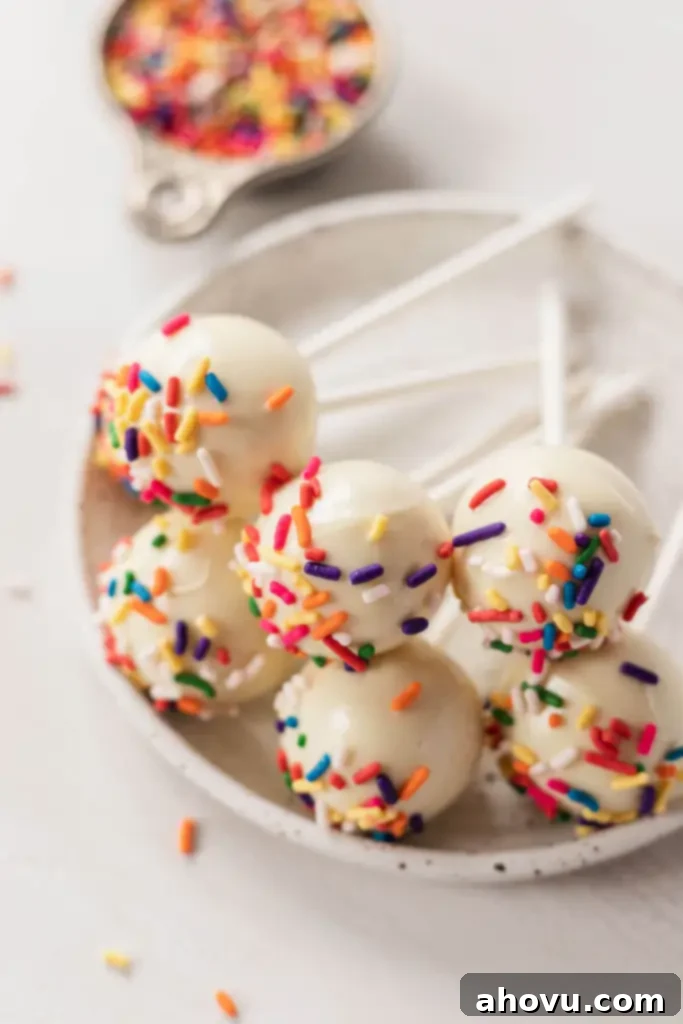
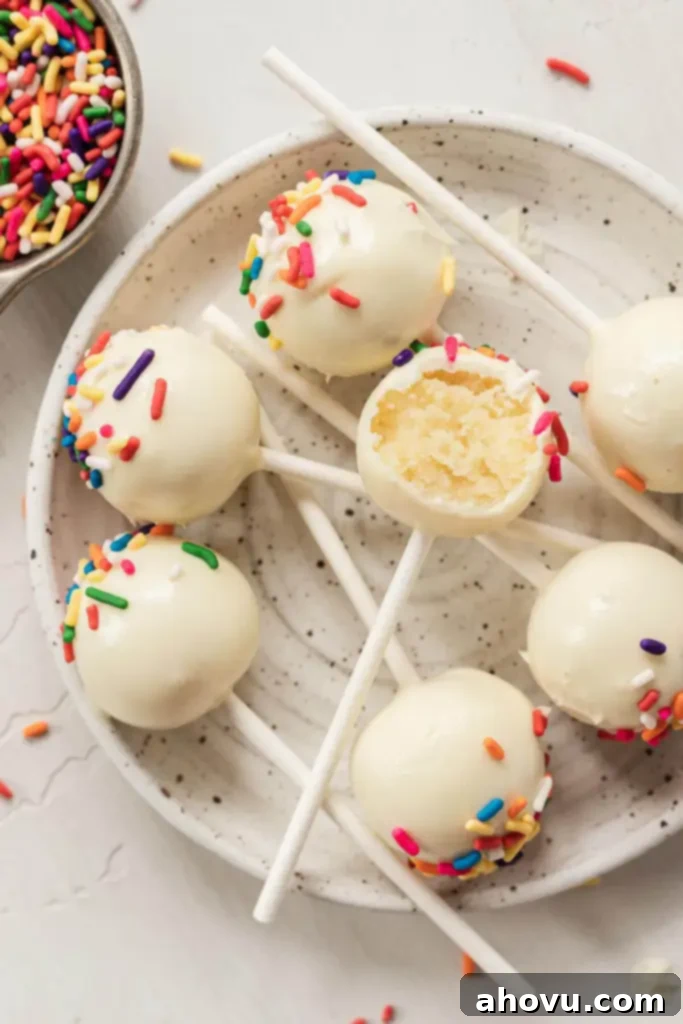
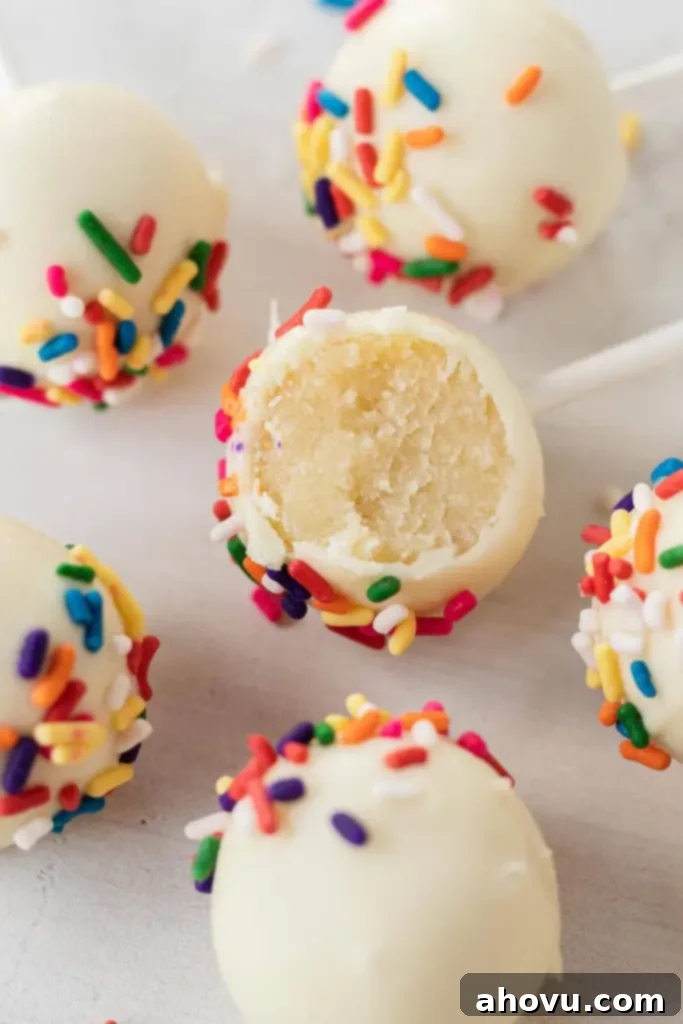
Prepare to fall in love with these delightful vanilla cake pops. Each bite delivers a dense, rich, and profoundly satisfying pure vanilla flavor. While entirely optional, I simply couldn’t resist rolling them in a colorful array of sprinkles, adding that extra touch of cuteness and celebratory charm!
This versatile recipe is an absolute must-have in your culinary arsenal for any upcoming birthdays, festive holidays, or simply when you’re craving a sweet, bite-sized indulgence. The beauty of these cake pops lies in their adaptability: a few drops of food coloring can transform the white chocolate coating into a vibrant canvas for themed treats, while changing the type of sprinkles allows you to perfectly match any event, from a whimsical unicorn party to an elegant wedding shower.
Beyond their charm, these homemade cake pops are remarkably convenient. They can be assembled several days in advance, a huge plus for busy bakers, and they keep wonderfully when stored in the fridge. As an added bonus, this recipe yields approximately three dozen cake pops, ensuring there’s more than enough for everyone to enjoy seconds, or even thirds! They are the ultimate crowd-pleaser, combining deliciousness with a fun, portable format.
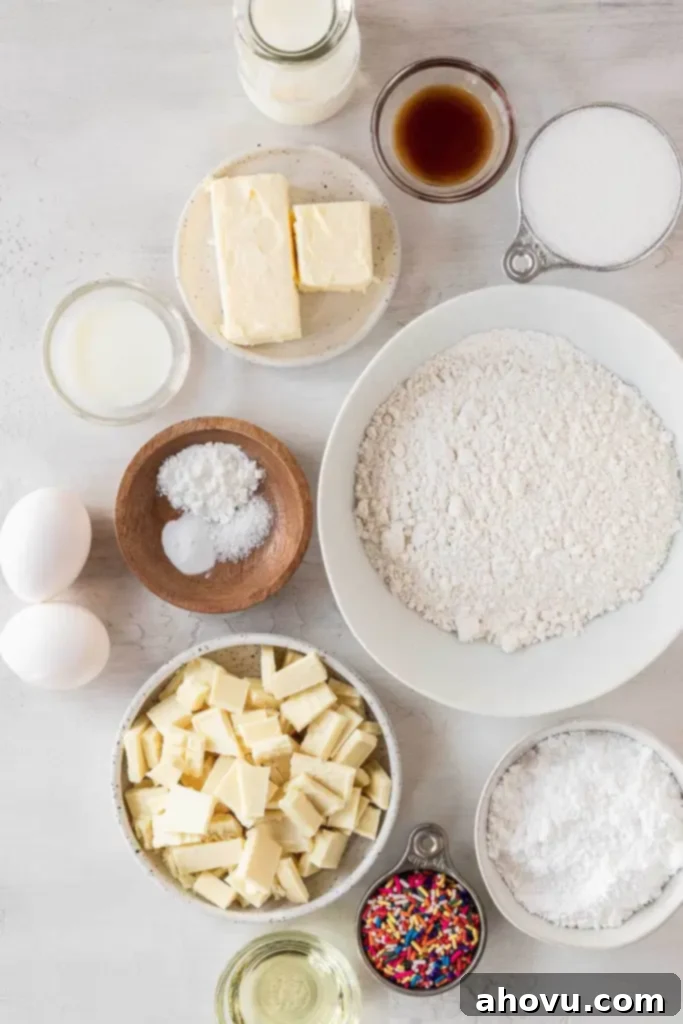
Essential Recipe Ingredients for Perfect Cake Pops
This recipe creates truly exceptional vanilla cake pops, built upon a foundation of homemade vanilla cake, a silky buttercream frosting, and a crisp white chocolate coating. Let’s take a closer look at some of the specific ingredients and why they are vital for achieving the perfect cake pop texture and flavor:
- Cake Flour: The secret to a light and tender crumb! Cake flour contains a lower protein content compared to regular all-purpose flour. This reduced protein results in less gluten development, leading to a softer, finer, and more delicate cake texture – ideal for crumbling into cake pop dough. If your pantry doesn’t stock cake flour, don’t fret! You can easily make your own substitute at home using all-purpose flour and cornstarch.
- Buttermilk: For an ultra-moist and incredibly tender cake, buttermilk is indispensable. Its acidity reacts with the baking soda, helping the cake rise and contributing to its soft texture. Furthermore, buttermilk adds a subtle tang that complements the vanilla beautifully. Should you find yourself without buttermilk, you can quickly create your own substitute in about five minutes using regular milk and an acid like lemon juice or vinegar.
- White Chocolate: While I particularly love the clean canvas white chocolate provides for coloring and decorating, feel free to use your favorite chocolate! Semi-sweet or dark chocolate are excellent alternatives, offering a richer flavor profile. When working with white chocolate, consider using high-quality chocolate bars or couverture chocolate for the best melting consistency and flavor. Chocolate chips can sometimes contain stabilizers that prevent them from melting smoothly. For a festive touch, you can even add a drop or two of gel food coloring to the melted white chocolate to add a vibrant pop of color to the cake pops’ exterior, matching any theme or occasion.
- Coconut Oil: Although completely optional, a touch of refined coconut oil in your melted chocolate coating is a game-changer. It helps to thin the chocolate slightly, making it smoother and easier to dip the cake pops. More importantly, it helps prevent the chocolate from seizing or becoming clumpy, especially when melting in the microwave. Vegetable oil or shortening can also be used as alternatives to achieve a similar smooth consistency.
- Sprinkles: These are the ultimate finishing touch and an excellent way to personalize your cake pops. While optional, sprinkles add both visual appeal and a fun textural element. From classic rainbow jimmies to themed nonpareils, sparkling sanding sugar, or even edible glitter, the possibilities are endless. Choose colors and shapes that suit the occasion, making each cake pop a miniature work of art.
- Unsalted Butter (for cake and frosting): Using unsalted butter allows you to control the overall salt content of your recipe. Ensure it’s softened to room temperature for both the cake batter and the buttercream to achieve proper emulsification and a smooth, consistent texture.
- Granulated Sugar: Provides sweetness and contributes to the cake’s structure and moisture.
- Large Eggs: Act as binders and help create structure and richness in the cake. Ensure they are at room temperature for better incorporation into the batter.
- Pure Vanilla Extract: The star flavor of these cake pops! Use high-quality pure vanilla extract for the best, most authentic vanilla taste in both the cake and the buttercream.
- Baking Powder & Baking Soda: These leavening agents work together with the acidic buttermilk to give the cake its lift and tender crumb.
- Salt: A pinch of salt balances the sweetness and enhances all the other flavors in the cake and frosting.
- Heavy Whipping Cream (for frosting): Adds richness and helps achieve a perfectly smooth, pipeable buttercream consistency. Milk can be used as a lighter alternative.
- Powdered Sugar (for frosting): Essential for a smooth, lump-free buttercream. Sifting it is highly recommended.
Crafting Your Perfect Homemade Cake Pops: A Step-by-Step Guide
This homemade vanilla cake pop recipe utilizes my beloved homemade vanilla cake recipe as its delicious foundation, thoughtfully scaled down to produce just one perfect layer. Here’s a detailed breakdown of the entire process, from baking the cake to the final decorative touches:
Part 1: Baking the Vanilla Cake Base
Creating the cake is the first, crucial step. Ensure all your ingredients are at room temperature for optimal mixing and cake texture.
- Prepare Dry Ingredients: In a large mixing bowl, meticulously whisk together the cake flour, baking powder, baking soda, and salt. Whisking ensures these leavening agents and flavor enhancers are evenly distributed throughout the dry mixture, which is crucial for a consistent rise. Set this aside.
- Prepare Wet Ingredients: In a separate bowl or a large measuring cup, combine the buttermilk, vegetable oil (or canola oil), and pure vanilla extract. Whisk these wet ingredients until they are thoroughly blended. This mixture will be incorporated later.
- Cream Butter & Sugar: In the bowl of a stand mixer fitted with the paddle attachment (or using a large mixing bowl and a handheld electric mixer), begin by beating the softened unsalted butter on low speed until it’s smooth and creamy. Gradually add the granulated sugar, a little at a time, ensuring it incorporates well. Once all the sugar is added, increase the speed to medium-high and beat the butter and sugar together for 3 to 4 minutes. This process, known as creaming, incorporates air into the mixture, resulting in a light and fluffy base for your cake.
- Add Eggs Gradually: With the mixer on medium-low speed, add the large eggs one at a time. It’s important to mix well after each egg addition, allowing it to fully incorporate before adding the next. This prevents the batter from curdling. Remember to stop the mixer periodically and scrape down the bottom and sides of your bowl with a rubber spatula to ensure all ingredients are thoroughly combined and no pockets of unmixed batter remain.
- Incorporate Dry and Wet Mixtures: Now it’s time to bring everything together. With the mixer on low speed, add half of your dry ingredient mixture to the wet butter-sugar-egg mixture. Mix until just combined. Then, pour in the entire buttermilk mixture and mix until just incorporated. Finally, add the remaining half of the dry ingredients and mix only until no streaks of flour are visible. Be careful not to overmix your cake batter, as this can develop too much gluten, leading to a tough cake. A beautifully tender cake is key for soft, easily rollable cake pops.
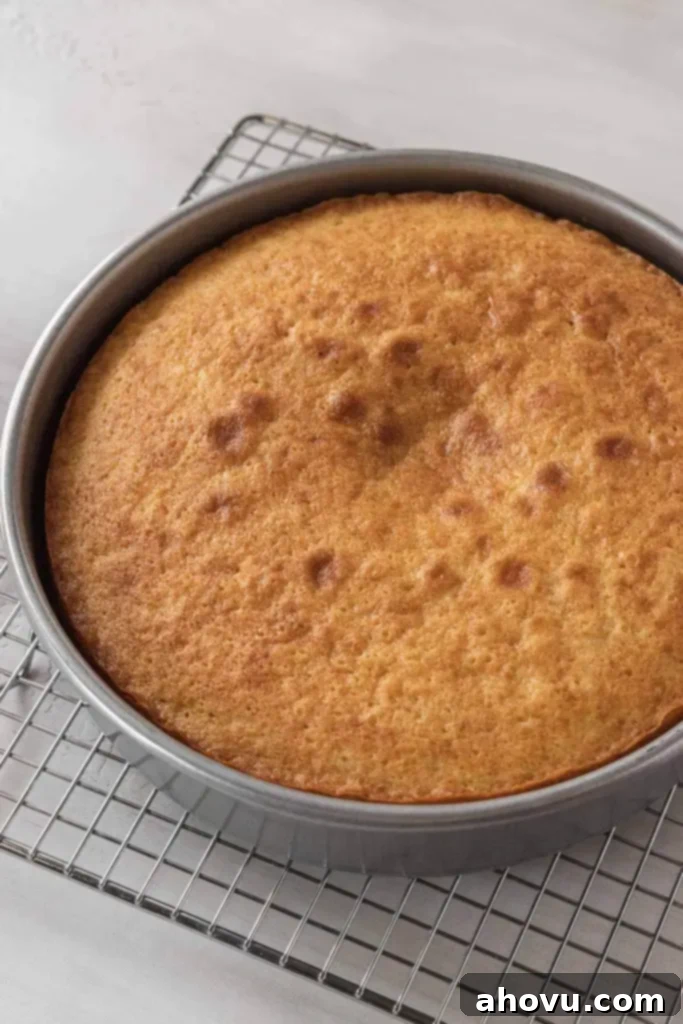
- Bake the Cake: Pour the impeccably smooth batter into a greased and floured 9-inch round cake pan (lined with parchment paper on the bottom for easy release). Spread the batter evenly. Bake in a preheated oven at 350°F (180°C) for approximately 28 to 33 minutes, or until a wooden toothpick inserted into the center of the cake comes out clean. This indicates it’s fully baked.
- Cool Completely: Once baked, remove the cake from the oven and let it cool in the pan for about 20 minutes on a wire rack. After this initial cooling, gently run a knife around the edges of the pan to loosen the cake, then invert it onto the wire rack to cool completely. This step is non-negotiable; attempting to work with a warm cake will result in a messy, crumbling disaster.
- Prepare the Cake for Crumb-ling: Once the cake has cooled completely to room temperature, use a sharp paring knife to carefully peel off the slightly crisp outer layer and edges of the cake. This step is essential for ensuring that the inside of your finished cake pops are smooth and beautiful, without any bits of crust. The soft, inner crumb is what you want for the best texture.
After the vanilla cake has been lovingly baked and prepared, the next exciting steps involve crafting the rich buttercream frosting and then assembling these delightful cake pops.
Part 2: Making the Buttercream Frosting
A simple yet delicious buttercream is what binds the cake crumbs together, adding moisture and flavor.
- Whip the Butter: In the bowl of a stand mixer (or with a handheld mixer), beat the softened unsalted butter until it is smooth and creamy.
- Add Powdered Sugar: Gradually add the sifted powdered sugar to the butter, starting on low speed to prevent a sugar cloud, then increasing to medium. Mix for 1-2 minutes until fully combined and fluffy.
- Finish with Cream and Vanilla: Pour in ½ to 1 tablespoon of heavy whipping cream (or milk) and the pure vanilla extract. Continue mixing on medium speed until the frosting is light, fluffy, and well combined. Scrape down the sides of the bowl as needed to ensure consistency.
Part 3: Assembling and Decorating the Cake Pops
This is where the magic happens, transforming cake and frosting into irresistible bites.
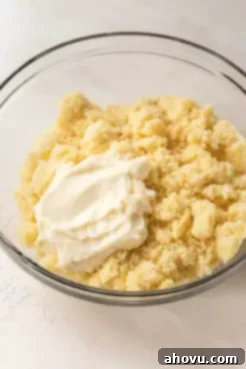
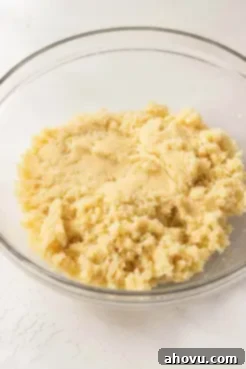
- Crumble the Cake: Take your cooled, trimmed vanilla cake and crumble it into very small, fine pieces. You can do this by hand, with a fork, or even in a food processor for a super fine crumb. Place the crumbled cake in a large mixing bowl or the bowl of a stand mixer fitted with the paddle attachment.
- Mix Cake and Frosting: Add the prepared buttercream frosting to the crumbled cake. Mix them together on low speed (or by hand with a sturdy spatula) until the mixture is thoroughly combined. The goal is a consistency that resembles cookie dough – moist enough to hold its shape when pressed, but not overly wet or greasy. If needed, use a rubber spatula to help work the mixture together and ensure even distribution.
- Roll into Balls: Using a tablespoon measure or a small cookie scoop for consistency, roll the cake pop mixture into uniform, tight, 1-tablespoon sized balls. The key is to compress them firmly so they don’t fall apart later. Place the rolled balls onto a parchment-lined baking sheet.
- Freeze the Balls: This is a critical step for successful dipping! Transfer the baking sheet with the cake balls to the freezer for at least 1 hour, or until they are firm but not completely frozen solid. This firmness prevents them from crumbling when dipped and helps the chocolate set quickly.
- Prepare the White Chocolate Coating: While the cake balls are chilling, finely chop your white chocolate (using high-quality bars is recommended). Add the chopped white chocolate and the optional coconut oil to a large, microwave-safe bowl. Microwave in short bursts of 30 seconds, stirring thoroughly after each interval, until the chocolate is completely melted and smooth. Be careful not to overheat the chocolate, as this can cause it to seize or burn.
- Set Up Your Dipping Station: Transfer some of the melted chocolate into a tall, narrow cup that is wide enough to easily dunk a cake pop. A tall cup allows you to submerge the entire cake ball in chocolate without having to tilt the cup excessively. You will need to refill this cup with melted chocolate as you work. Allow the melted chocolate to cool slightly for about 10 minutes to reach an ideal dipping temperature (around 90-95°F or 32-35°C).
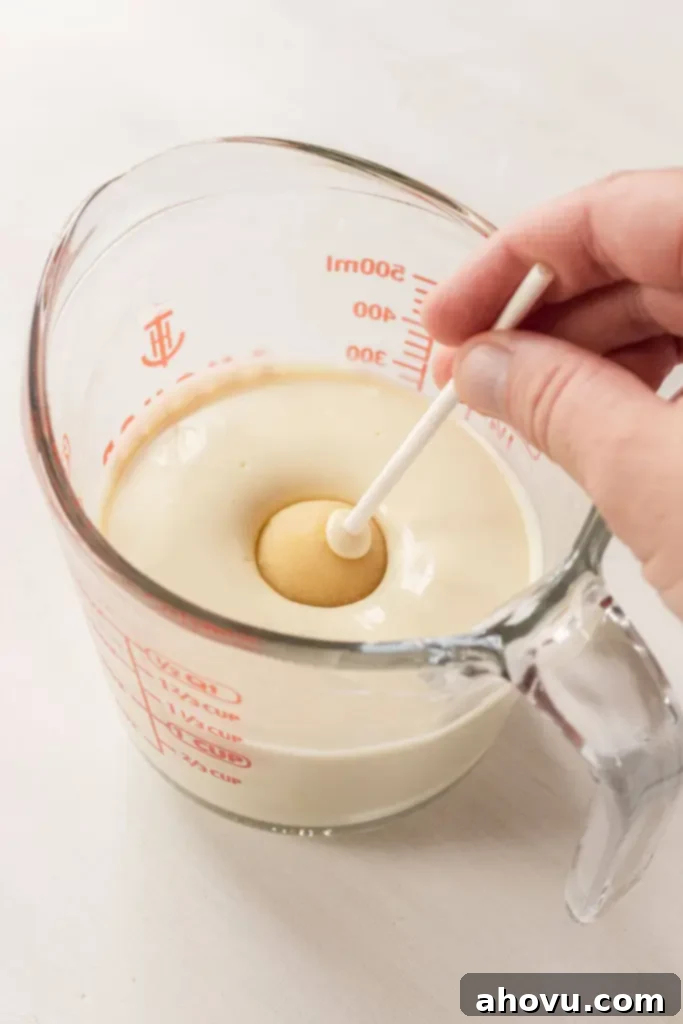
- Dip the Cake Balls in Chocolate: Remove only 4-5 cake balls from the freezer at a time to prevent them from defrosting too quickly. Dip the tip (about ½-inch) of a lollipop stick into the melted chocolate first, then immediately insert that chocolate-coated end into the center of a cake ball, pushing it about ¾ of the way in. The chocolate acts like a “glue” to secure the stick. Next, gently dip the entire cake pop (not the stick, just the ball) into the melted chocolate, ensuring it’s fully coated. Lift the cake pop out, gently tap the stick against the edge of the cup a few times, and slowly rotate it to allow any excess chocolate to drip off. This creates a smooth, even coating.
- Add Sprinkles Immediately: If you are adding sprinkles, do so right after dipping the cake pop and tapping off the excess chocolate. The chocolate hardens very quickly, so speed is key for the sprinkles to adhere properly.
- Repeat & Set: Stick the finished cake pops into a styrofoam block, a piece of floral foam, or a heavy glass filled with rice/sugar to allow the chocolate coating to fully set. Continue the dipping process, taking out only a few cake balls from the freezer at a time to maintain their chill.
- Allow Cake Pops to Rest: Once all your cake pops are dipped and decorated, let them rest at room temperature (or in the refrigerator for faster setting) for at least 30 minutes, or until the chocolate coating is completely firm.
Frequently Asked Questions About Homemade Cake Pops
How long do homemade cake pops last?
When stored correctly in an airtight container or a Ziplock bag, your delicious homemade cake pops will maintain their freshness for up to one week in the refrigerator. This makes them a fantastic make-ahead dessert!
Can cake pops be frozen?
Absolutely! Cake pops are freezer-friendly in a couple of ways. You can prepare the cake-frosting mixture, roll it into balls, and then freeze these un-dipped balls for 2 to 3 months. When you’re ready to enjoy them, simply thaw them slightly in the fridge before dipping them into the melted white chocolate. Alternatively, you can freeze the fully dipped and decorated cake pops for up to 3 months. When thawing, transfer them to the refrigerator overnight to prevent condensation from affecting the chocolate coating.
Can boxed cake mix be used for cake pops?
Yes, certainly! Using a boxed cake mix is a fantastic shortcut if you’re short on time. A standard box of cake mix typically yields enough batter for two 9-inch cake layers. For this particular cake pop recipe, you will only need one baked layer. You have a few options: either freeze the second baked cake layer for another use, or double the amount of buttercream frosting and white chocolate coating ingredients to make a larger batch of cake pops from both layers of the cake mix. Remember that the consistency of box cake mix might be slightly different, so adjust the amount of frosting as needed to achieve the “cookie dough” consistency.
Can I make different flavors of cake pops with this recipe?
Absolutely! This vanilla cake pop recipe serves as a versatile base for countless flavor variations. As mentioned, you can easily swap out the homemade vanilla cake for a boxed cake mix of any flavor (chocolate, lemon, strawberry, funfetti). Alternatively, you can use other homemade cake recipes, such as my popular red velvet cake, moist carrot cake, or vibrant strawberry cake. Keep in mind that most of my full cake recipes typically yield two 9-inch layers, and you’ll generally only need one for a standard batch of cake pops. However, many of these recipes can be easily halved to create a single layer, or you can simply scale up the frosting and chocolate coating to use both layers and make more cake pops!
Expert Baking Tips & Troubleshooting for Cake Pops
Achieving perfectly coated, beautifully uniform cake pops requires a few expert tricks. Here are some key tips to ensure your success:
- I personally prefer and recommend using 4-inch lollipop sticks for this recipe; they are truly the perfect size for these bite-sized treats, offering a balanced presentation and easy handling.
- To achieve an impeccably smooth and even chocolate coating on each cake pop, actively rotate the stick as you gently tap off the excess chocolate. This encourages the chocolate to settle uniformly and prevents drips.
- Timing is everything when it comes to sprinkles! If you’re adding sprinkles, be absolutely sure to apply them immediately after you dip the cake pop and tap off the excess chocolate. The chocolate begins to harden within a matter of seconds, so you need to work quickly for the sprinkles to adhere properly. Have your sprinkles ready and within arm’s reach.
- The outer chocolate coating can soften slightly at room temperature, especially in warmer environments. For the best texture and to maintain their firm shape, I highly recommend storing these delicious treats in the refrigerator until you are ready to serve and enjoy them.
- Preventing Chocolate Seizing: Always ensure your bowl and utensils are completely dry when melting chocolate, as even a tiny drop of water can cause chocolate to seize (turn thick and clumpy). Melt chocolate slowly in 30-second intervals in the microwave, stirring well each time, or use a double boiler over simmering (not boiling) water.
- Avoid Over-Crumbling: While you want fine crumbs, avoid over-processing the cake to a paste-like consistency, as this can make the cake pops too dense.
- Consistency of Cake-Frosting Mix: The “cookie dough” consistency is crucial. If your mixture feels too dry, add a tiny bit more frosting (half a teaspoon at a time). If it’s too wet and sticky, add a little more finely crumbled cake or even a tablespoon of powdered sugar.
- Uniform Ball Size: Using a small cookie scoop helps immensely in creating consistently sized cake balls, which ensures they bake and dip evenly.
- Don’t Over-Thaw: Only take a few cake balls out of the freezer at a time. If they get too warm, they become difficult to dip and can fall off the sticks or create cracks in the chocolate coating due to temperature shock.
- Chocolate Temperature: The melted chocolate should be warm enough to be liquid and smooth, but not too hot. If it’s too hot, it will melt the cake pop, making it fall apart. If it’s too cool, it will be too thick and result in a clumpy, uneven coating. Let it cool for about 10 minutes after melting.
More Easy Cake Recipes to Make!
If you loved making these homemade cake pops, you’ll surely enjoy these other fantastic and easy cake recipes:
- Funfetti Cake
- Decadent Chocolate Cake
- Classic White Cake
- Light & Airy Angel Food Cake
Recipe Video

Homemade Cake Pops
Pin Recipe
SaveSaved!
Leave a Review
Ingredients
For the vanilla cake:
- 1 ½ cups cake flour spooned & leveled (175 grams)
- 1 teaspoon baking powder
- ¼ teaspoon baking soda
- ¼ teaspoon salt
- ½ cup buttermilk at room temperature (120 ml)
- 2 tablespoons canola or vegetable oil (30 ml)
- 1 ½ teaspoons pure vanilla extract
- ½ cup unsalted butter softened (1 stick; 115 grams)
- 1 cup granulated sugar (200 grams)
- 2 large eggs at room temperature
For the buttercream frosting:
- ¼ cup unsalted butter softened (½ stick; 60 grams)
- ¾ cup powdered sugar (90 grams)
- ½ to 1 tablespoon heavy whipping cream or milk
- ¼ teaspoon pure vanilla extract
For the chocolate coating:
- 16 ounces white chocolate roughly chopped (I used four 4oz Ghirardelli white chocolate bars)
- 1 tablespoon refined coconut oil (14 grams) optional
- Optional: sprinkles as decoration
Instructions
-
To make the vanilla cake: Preheat the oven to 350°F (180°C). Spray one 9-inch round cake pan with nonstick cooking spray, line the bottom of the pan with parchment paper, and set aside.
-
In a large mixing bowl, whisk the cake flour, baking powder, baking soda, and salt together until well combined. Set aside.
-
In a large bowl or measuring cup, whisk the buttermilk, oil, and vanilla extract together until well combined. Set aside.
-
In the bowl of a stand mixer fitted with the paddle attachment or in a large mixing bowl using a handheld mixer, beat the butter on low speed until smooth, then slowly mix in the granulated sugar.
-
Once all of the sugar is added, increase to medium speed and continue mixing for another 3 to 4 minutes or until the mixture is light and fluffy.
-
Mix in the eggs, one at a time, making sure to stop and scrape around the bottom and sides of the bowl after each egg.
-
Add the dry ingredients in two additions alternating with the buttermilk mixture (begin and end with the dry ingredients) on low speed. Mix in each addition until just combined, making sure not to over mix the batter.
-
Use a rubber spatula to scrape around the bottom and sides of the bowl to ensure that everything is well combined.
-
Pour the batter into the prepared cake pan and spread it around into one even layer.
-
Bake for 28 to 33 minutes or until a toothpick inserted into the center of the cake comes out clean. Remove from the oven and allow to cool in the pan for about 20 minutes. Slide a knife around the outside of the cake, then carefully remove the cake from the pan, and transfer to a wire rack to cool completely.
-
To make the buttercream frosting: In the bowl of a stand mixer fitted with the paddle attachment or in a large mixing bowl using a handheld mixer, beat the butter until smooth.
-
Add the powdered sugar and mix on low speed at first, then increase to medium speed and continue mixing for 1 to 2 minutes or until fully combined.
-
Add the heavy cream (start with ½ tablespoon of heavy cream) and vanilla extract and continue mixing on medium speed until everything is well combined, stopping to scrape down the sides of the bowl as needed.
-
To make and assemble the cake pops: To begin making the cake pops, remove the crisp outer edges (top & bottom) and sides of the cake. You can use a paring knife to carefully peel the outer layer with ease.
-
Crumble the cake into small pieces in a large mixing bowl or the bowl of a stand mixer fitted with the paddle attachment. Add the buttercream frosting and mix with a handheld mixer or stand mixer until fully combined, the mixture should resemble cookie dough.
-
Roll the cake-pop mixture into 1 tablespoon sized balls and place on a parchment-lined baking sheet. Freeze for 1 hour.
-
Add the chopped white chocolate and coconut oil to a large microwave safe bowl. Transfer to the microwave and microwave in 30 second intervals, stirring well between each increment, until completely melted and smooth.
-
Transfer some of the melted chocolate into a tall cup that is wide enough to dunk a cake pop into. You will refill this cup with chocolate as you work. Allow melted chocolate to cool for about 10 minutes before proceeding.
-
Remove 4 to 5 cake balls from the freezer at a time, to prevent them from defrosting before dipping in the chocolate.
-
Dip the end of a lollipop stick about ½-inch into the melted chocolate (I used 4-inch sticks), then into the center of a cake ball so it’s ¾ of the way in. Then, dip the cake pop into the melted chocolate, so the entire cake pop is covered in chocolate (not the stick). Gently tap the stick a few times and rotate it to remove excess chocolate. If adding sprinkles, add right after the cake pop is dunked in the chocolate and the excess chocolate is tapped off. Stick into a styrofoam block and allow to set.
-
Repeat with the remaining 3 to 4 cake balls that are out of the freezer. Then slowly take out more cake balls as needed until all of the cake pop balls are coated in chocolate.
-
Allow chocolate-covered cake pops to set at room temperature for at least 30 minutes.
Notes
Freezing Instructions: You may freeze the cake-frosting mixture has been rolled into balls for 2 to 3 months, then dip them into white chocolate when you’re ready to make them.
Dipped cake pops will freeze well for up to 3 months. Thaw overnight in the refrigerator.