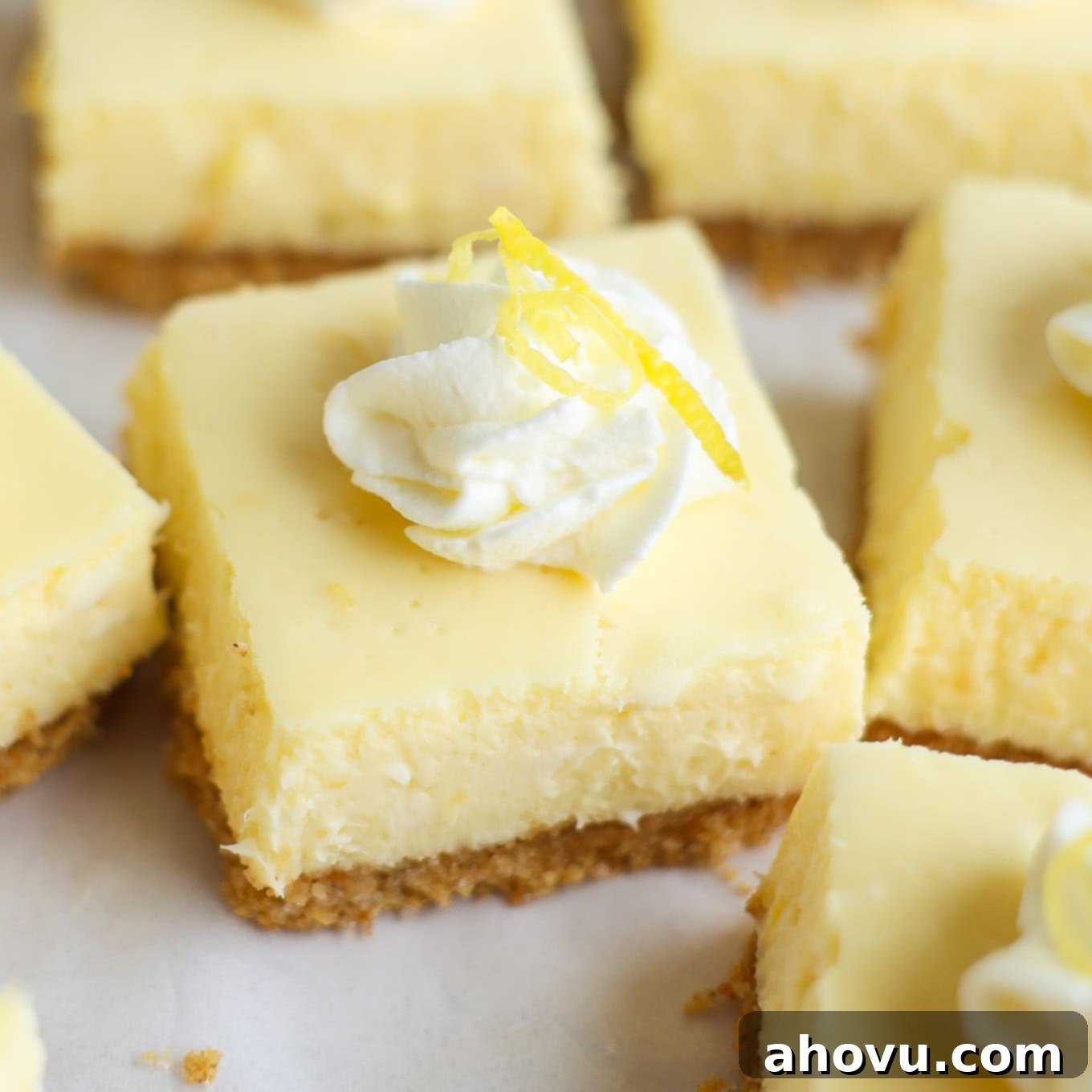
Effortless Zesty Delight: The Ultimate Lemon Cheesecake Bars (No Water Bath Needed!)
Prepare to fall in love with these incredibly easy and undeniably delicious lemon cheesecake bars! Crafted with just eight essential ingredients, this recipe eliminates the need for a fussy water bath, making homemade cheesecake more accessible than ever. Each bite delivers the perfect harmony of a buttery, golden graham cracker crust and a luxuriously creamy, bright lemon filling that will have everyone reaching for a second slice.
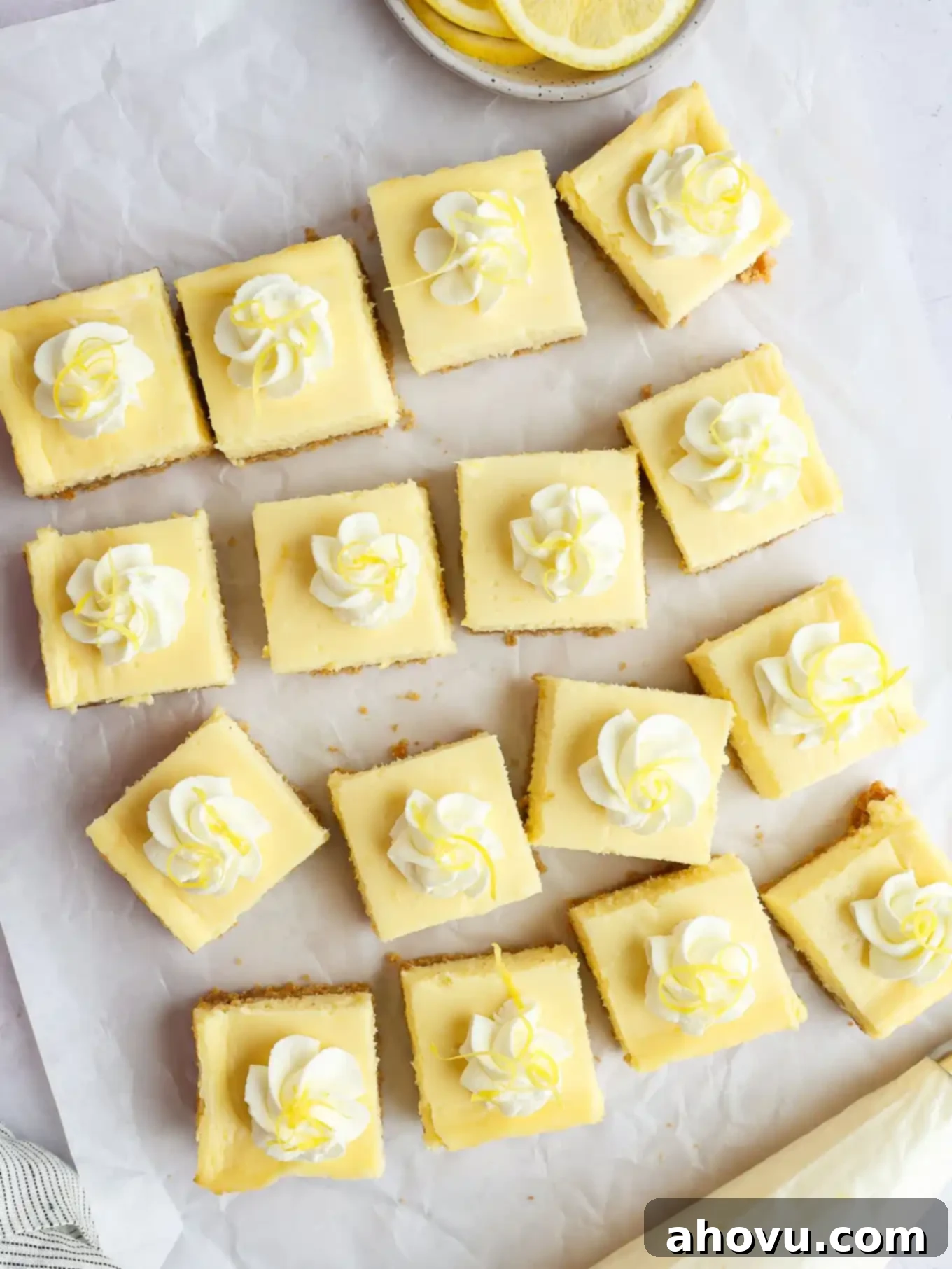
Forget the complexities of traditional cheesecakes; these lemon cheesecake bars offer the same rich, tangy, and satisfying experience with significantly less effort and time. They embody all the classic flavors of a beloved lemon cheesecake but are designed for simplicity and convenience, making them ideal for both novice and experienced bakers alike. The buttery foundation perfectly complements the smooth, zesty lemon filling, creating a dessert that’s both elegant and approachable.
Why You’ll Adore These Lemon Cheesecake Bars
What makes these lemon cheesecake bars truly special is their ingenious design. I’ve carefully adapted my classic cheesecake recipe, reducing the amount of filling by approximately half. This smart adjustment allows the cheesecake mixture to be spread into a standard 8-inch baking dish instead of a deep springform pan. The result? A drastically reduced baking time and, most importantly, the elimination of the dreaded water bath. This means less stress, less cleanup, and more time enjoying your culinary creation!
Beyond their straightforward preparation, these bars are incredibly versatile when it comes to serving. While I often crown these delightful treats with a generous swirl of homemade whipped cream, you have endless possibilities for customization. For an intensified burst of citrus, consider spreading a layer of vibrant lemon curd on top – a double dose of lemon magic that will tantalize your taste buds. Alternatively, fresh berries like raspberries or blueberries, or even a light dusting of powdered sugar, can add both visual appeal and complementary flavors.
Recipe Video Guide
For a visual walkthrough of each step, from crust preparation to the final bake, watch our detailed recipe video. It’s an excellent resource to ensure your lemon cheesecake bars turn out perfectly creamy and crack-free every time.
Essential Ingredient Notes for the Best Cheesecake Bars
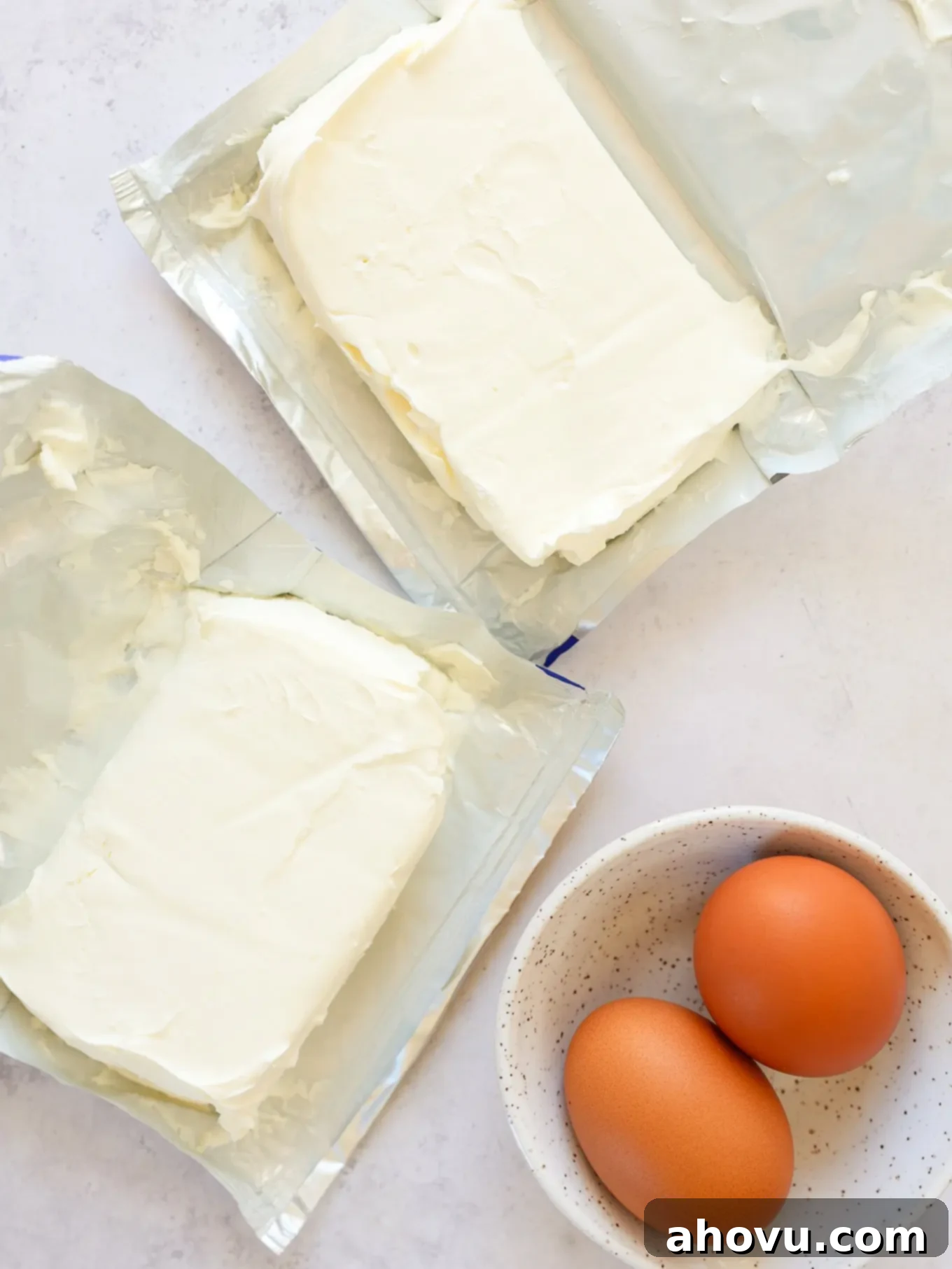
The secret to a truly rich and irresistibly creamy lemon cheesecake lies in using high-quality ingredients and preparing them correctly. Always opt for full-fat dairy products; their higher fat content is crucial for achieving that decadent, smooth texture. To ensure a lump-free and perfectly blended batter, it’s absolutely vital that your cream cheese, sour cream, and eggs are brought to room temperature before you begin mixing. This allows them to combine smoothly without overworking the batter.
Graham Crackers: The Foundation of Flavor
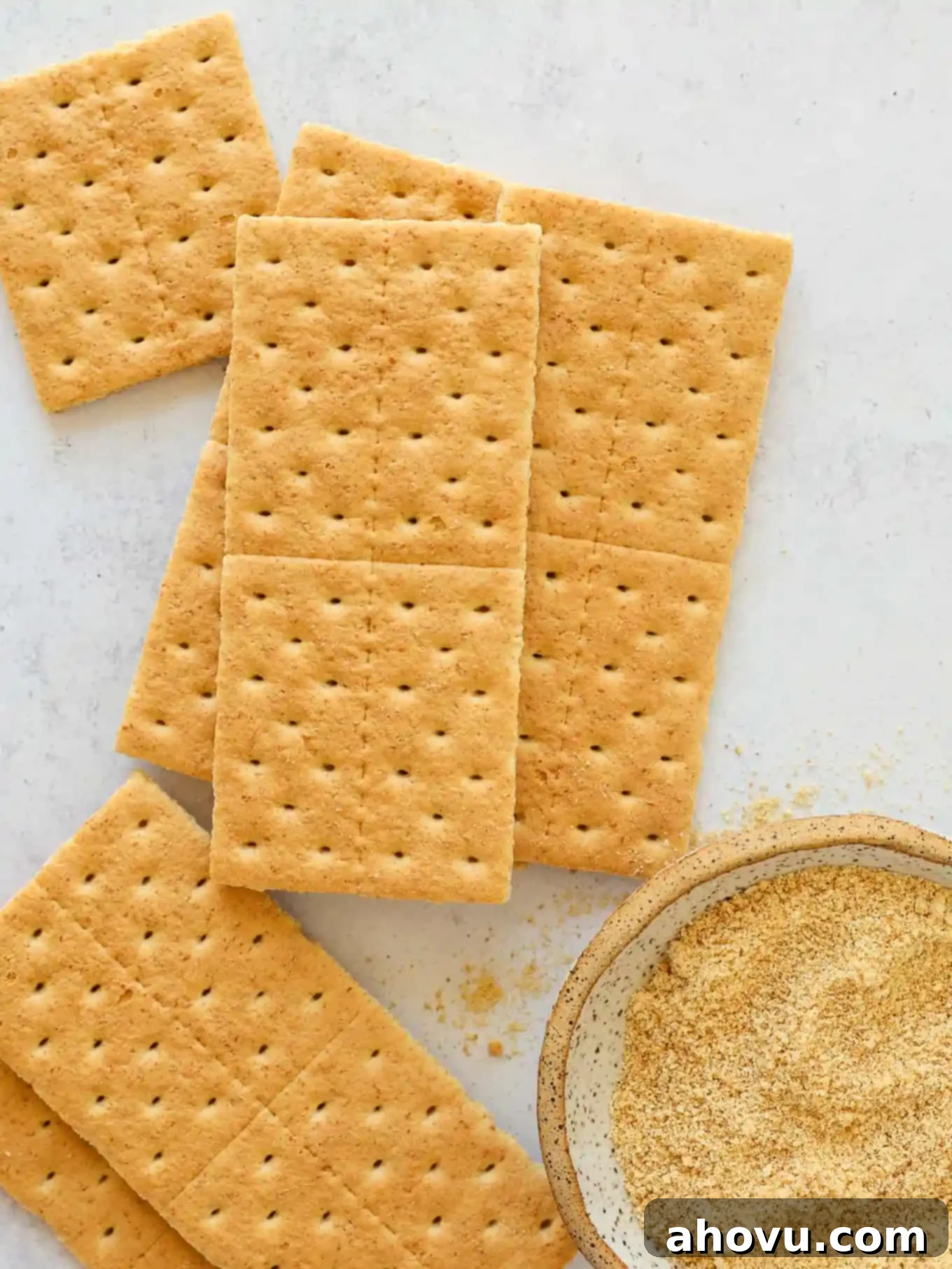
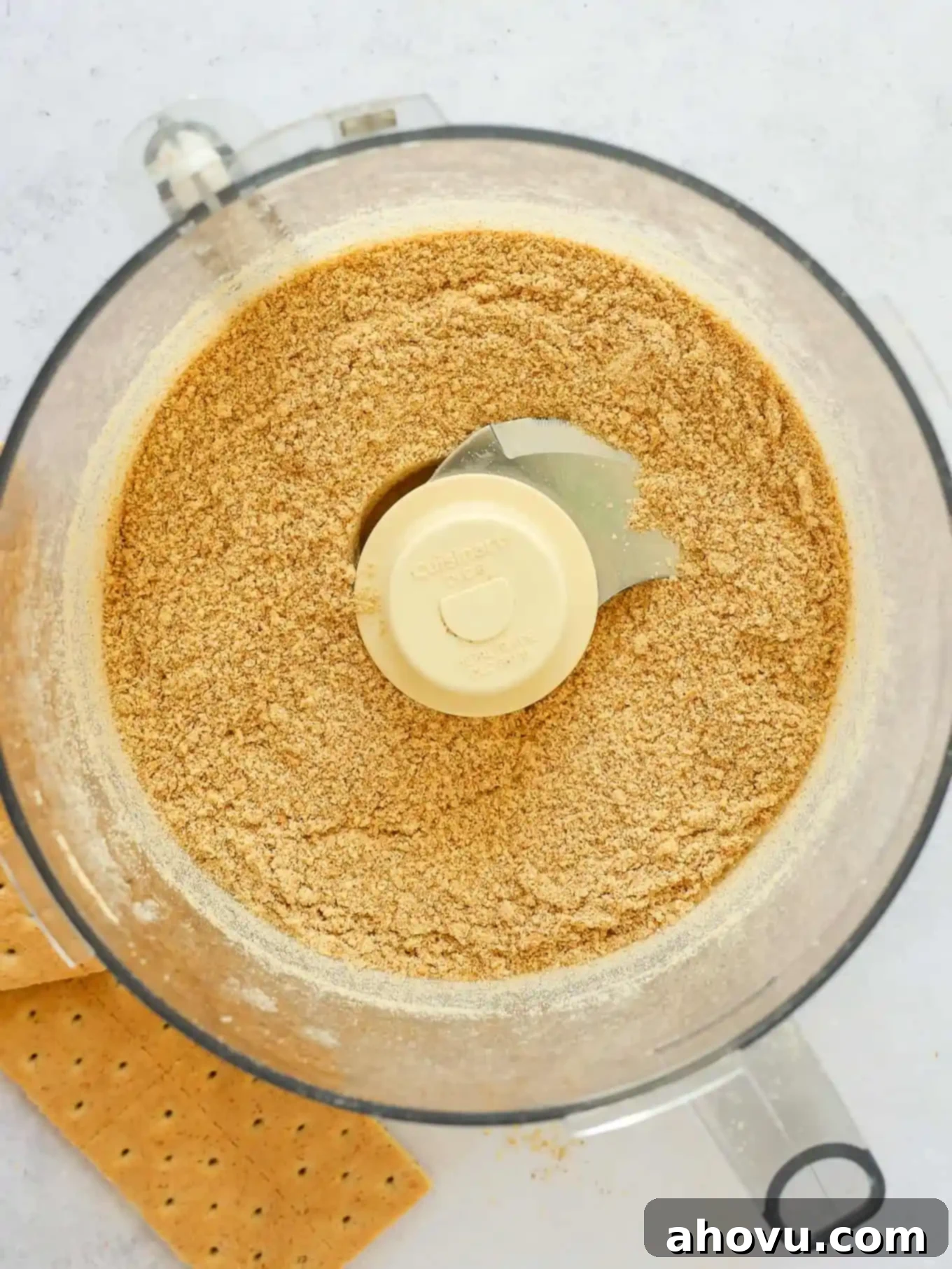
For the quintessential buttery crust, you’ll need approximately 1 ¼ cups of crushed graham cracker crumbs. While pre-made crumbs offer convenience, crushing your own fresh graham cracker sheets in a food processor yields a superior texture and often a more pronounced flavor. Roughly 10 full-sheets of graham crackers should provide the right amount. If you’re outside the US and graham crackers are hard to find, plain digestive biscuits make an excellent and widely available substitute, offering a similar crumbly texture and mild sweetness.
Cream Cheese: The Heart of the Cheesecake
When selecting cream cheese, always choose the foil-wrapped brick-style variety. Cream cheese sold in tubs often has a higher water content and thinner consistency, which is not suitable for achieving the dense, rich texture required for cheesecake. The brick form ensures your filling will set up beautifully and maintain its luxurious creaminess.
Lemons: The Zesty Star
The fresh, vibrant lemon flavor is what truly elevates these bars. A single medium lemon typically yields about 2 tablespoons of fresh juice and 2 to 3 teaspoons of fragrant zest. To guarantee you have enough for the bright and tangy filling, I highly recommend purchasing at least two fresh, firm lemons. Look for lemons that are heavy for their size and have a bright, unblemished yellow skin for the best results.
Crafting the Perfect Graham Cracker Crust: Tips for Success
A stellar cheesecake starts with a sturdy and flavorful crust. My homemade graham cracker crust recipe is remarkably straightforward, but keeping a few key tips in mind will ensure your crust is nothing short of perfection—crisp, buttery, and never soggy.
- Utilize a Food Processor for Superior Crumbs: While a rolling pin can get the job done, a food processor is your best friend for quickly and efficiently crushing graham cracker sheets. It consistently produces finer, more uniform crumbs, which are essential for a crust that holds together beautifully. This step can, of course, be skipped if you’re using pre-crushed graham cracker crumbs.
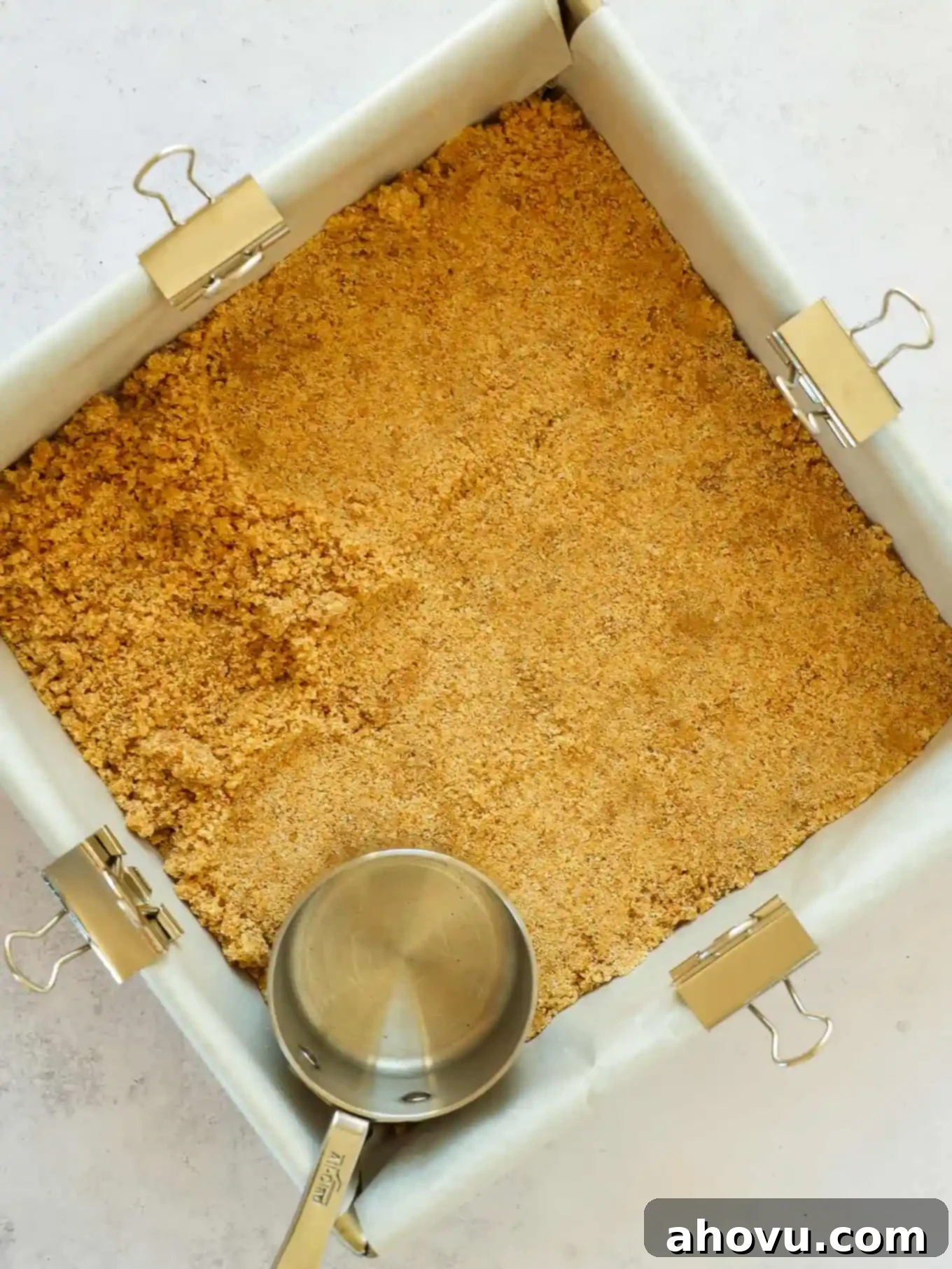
- Firmly Pack the Crust: This is a non-negotiable step! A loosely packed crust will inevitably be crumbly and fall apart after baking, creating a messy eating experience. To achieve a perfectly solid base, vigorously press the crumb mixture into the bottom of your prepared pan. I find that the flat bottom of a measuring cup or a glass works exceptionally well for firm, even compression, ensuring every corner is adequately packed.
- Always Pre-bake the Crust: This crucial step prevents the dreaded soggy crust syndrome, which can occur when the moist cheesecake filling is poured directly onto an unbaked base. Pre-baking for about 10 minutes sets the butter and crumbs, creating a barrier that keeps your crust crisp and golden. It also contributes to cleaner, more defined slices once your bars are chilled. Once baked, let it cool slightly while you prepare the filling.
Craving a Different Twist? While graham cracker is classic, feel free to experiment! You could easily swap it out for the spiced gingersnap crust from my popular pumpkin cheesecake bar recipe for a warm, autumnal flavor profile. Shortbread cookies or vanilla wafers also make excellent alternatives for a distinct taste and texture.
Expert Tips for Juicing & Zesting Your Lemons
A Critical Note: Always remember to zest your lemons *before* juicing them! Attempting to zest a squishy, juiced lemon is notoriously difficult and will result in less zest.
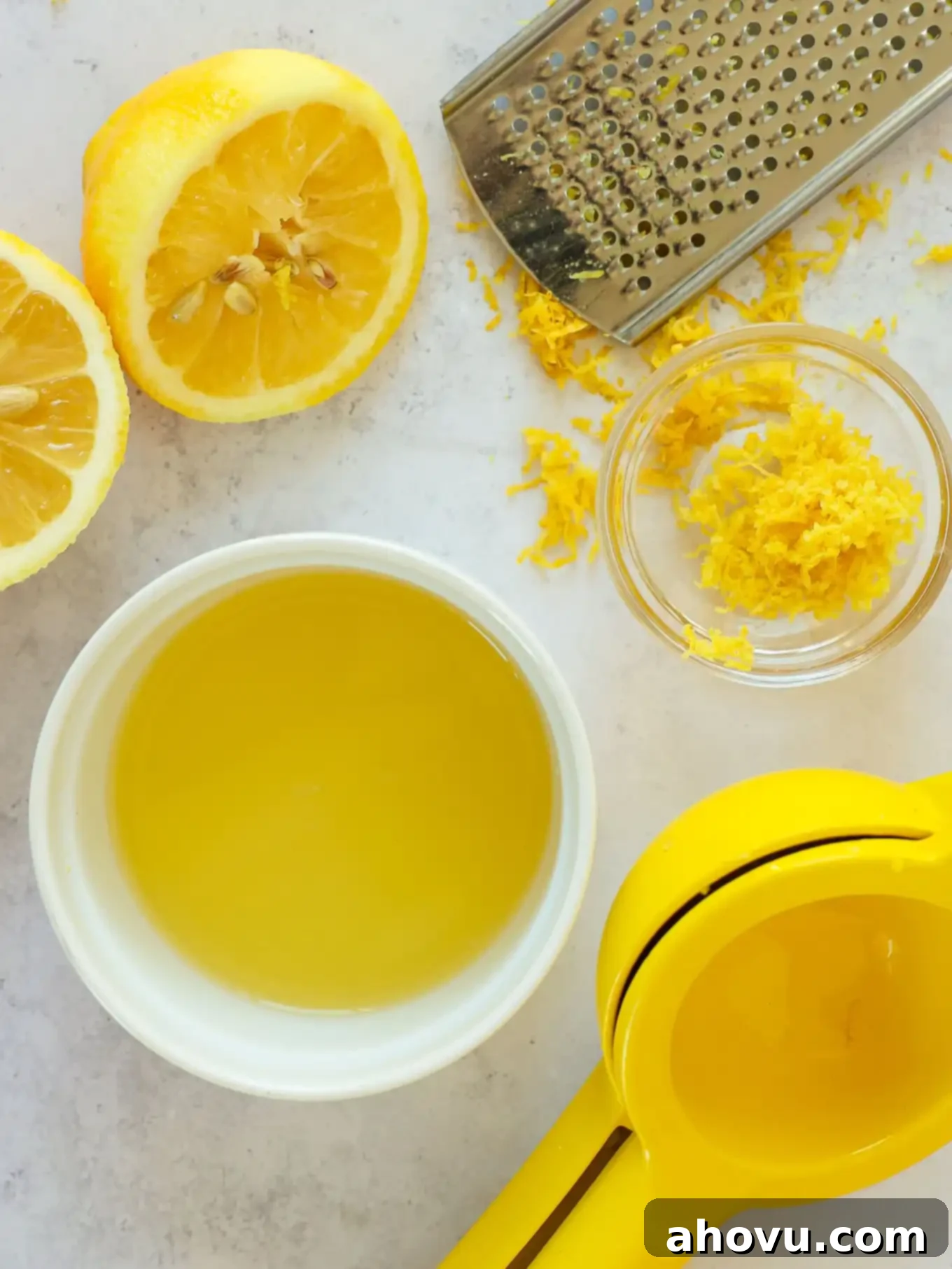
To begin, thoroughly rinse your lemons under cool tap water to remove any dirt, pesticides, or waxy coating. Pat them completely dry with a kitchen towel or paper towels. For optimal zest, use a high-quality microplane zester (<<- this is the tool I personally recommend and use!). Gently grate only the vibrant yellow outer layer of the lemon skin. As soon as you see the white part of the skin, known as the pith, stop zesting! The pith contains bitter compounds that can impart an undesirable taste to your delicate cheesecake filling. Your goal is to capture only the bright, aromatic essential oils found in the yellow zest.
Once you’ve collected all your beautiful zest, you can proceed with juicing. To maximize the amount of juice you extract, place the whole lemon on your countertop and apply gentle pressure with the palm of your hand, rolling it back and forth several times. This action breaks down the internal membranes, releasing more juice. Then, simply cut the lemon in half and use a citrus juicer or your hands to squeeze out the fresh, tangy lemon juice. Remember, fresh lemon juice and zest are key to achieving the unparalleled bright flavor in these cheesecake bars.
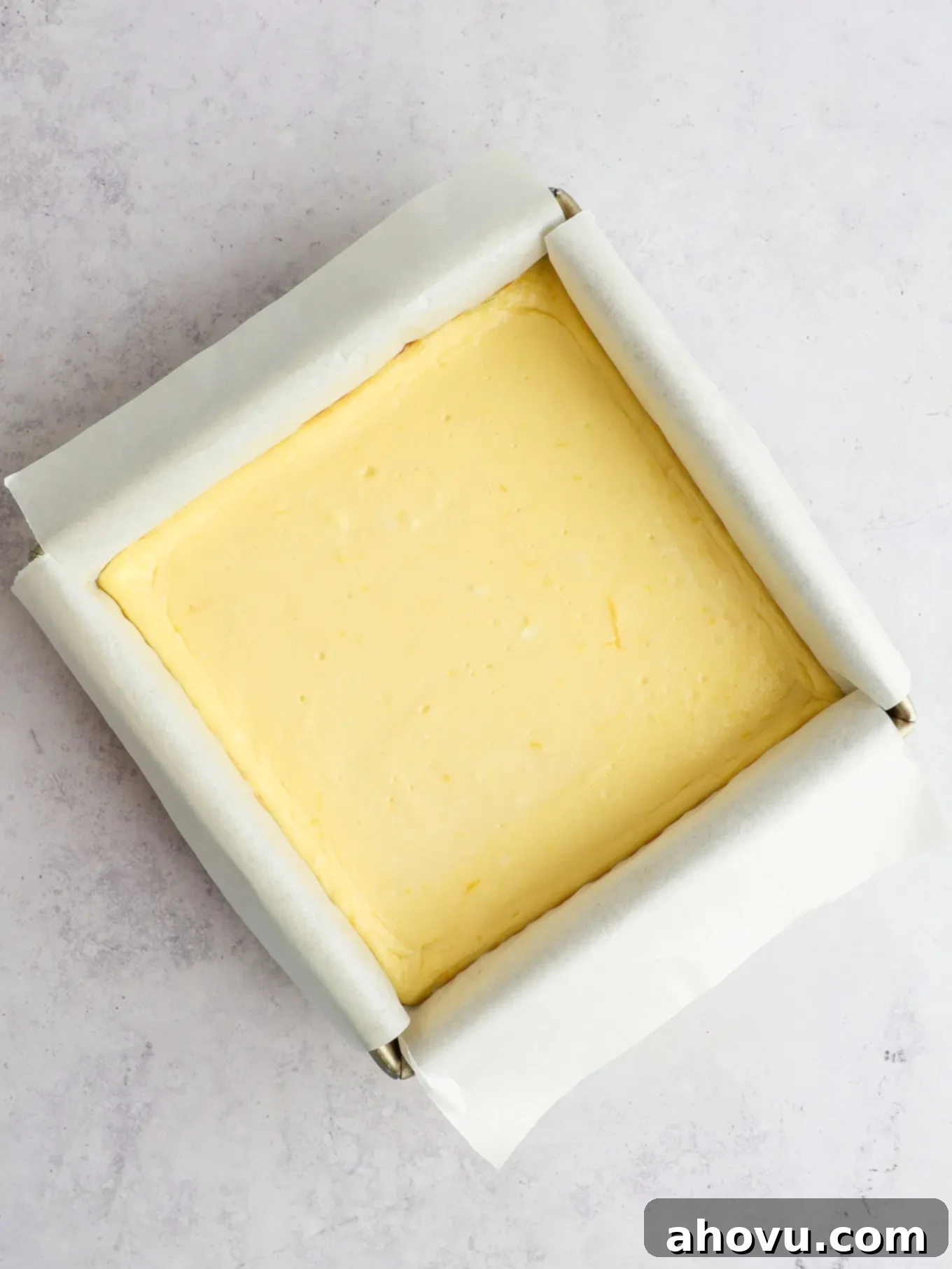
The Secret to a Smooth, Crack-Free Cheesecake Surface
Achieving that perfectly smooth, unblemished surface on your cheesecake bars is easier than you think, especially when you understand a few fundamental principles. Cracks usually indicate a sudden change in temperature or overmixing. Here’s how to prevent them and ensure your cheesecake bars look as good as they taste:
- Embrace Room Temperature Ingredients: This tip bears repeating because it’s paramount! Cold ingredients, particularly cream cheese and eggs, do not emulsify properly with other ingredients. This can lead to a lumpy batter that you’re tempted to overmix, which introduces air and creates cracks later. If you’re short on time, quickly bring eggs to room temperature by placing them in a bowl of warm water for 5-10 minutes. For cream cheese, refer to my dedicated post on how to soften cream cheese quickly.
- Bake Low and Slow: High oven temperatures can cause cheesecake to bake too quickly, leading to an uneven set and cracks as it cools. I consistently bake my cheesecakes at a gentle 325°F (163°C). This lower temperature ensures a slow, even bake, allowing the filling to cook through without drying out. To verify your oven’s accuracy, I highly recommend investing in an affordable oven thermometer; many home ovens run hotter or colder than their display indicates.
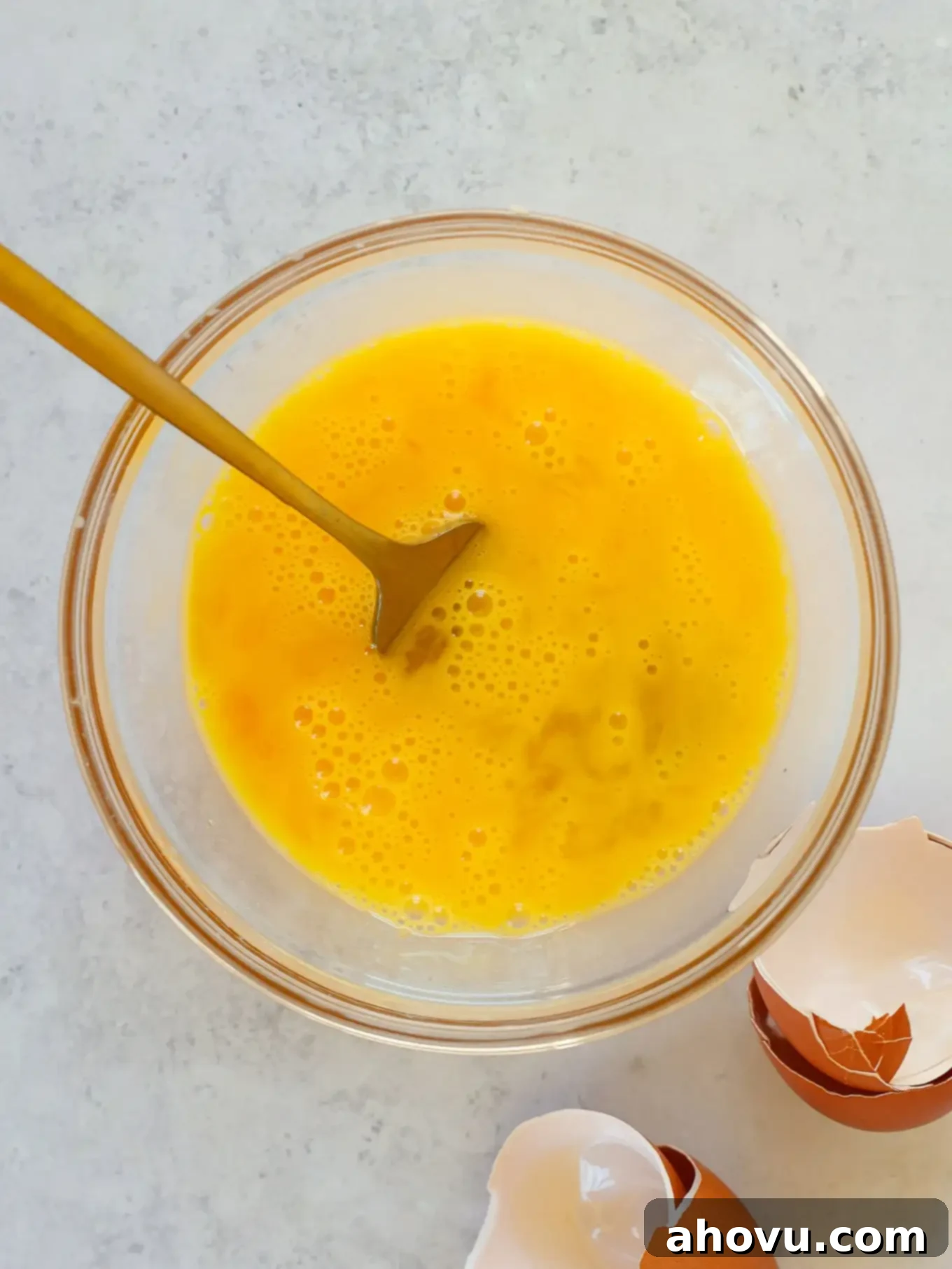
- Do Not Overmix the Eggs: Eggs act as a binder, but overmixing them can incorporate too much air into the cheesecake batter. This excess air will expand during baking, then contract and deflate as the cheesecake cools, often resulting in unsightly cracks. To avoid this, lightly beat your eggs in a separate bowl until just scrambled before adding them to the cream cheese mixture. Then, mix them in on the lowest speed until just combined – no more, no less. A few gentle folds with a rubber spatula will ensure everything is incorporated without whipping in extra air.
- Avoid Overbaking at All Costs: Overbaking is a common culprit for dry, cracked cheesecake. You’ll know your lemon cheesecake bars are perfectly done when the edges appear set and slightly puffed, but the very center (about 1-2 inches) still has a slight, delicate wobble when you gently shake the pan. The residual heat will continue to cook the center as it cools. Remove them from the oven promptly at this stage to preserve their creamy texture and prevent cracks.
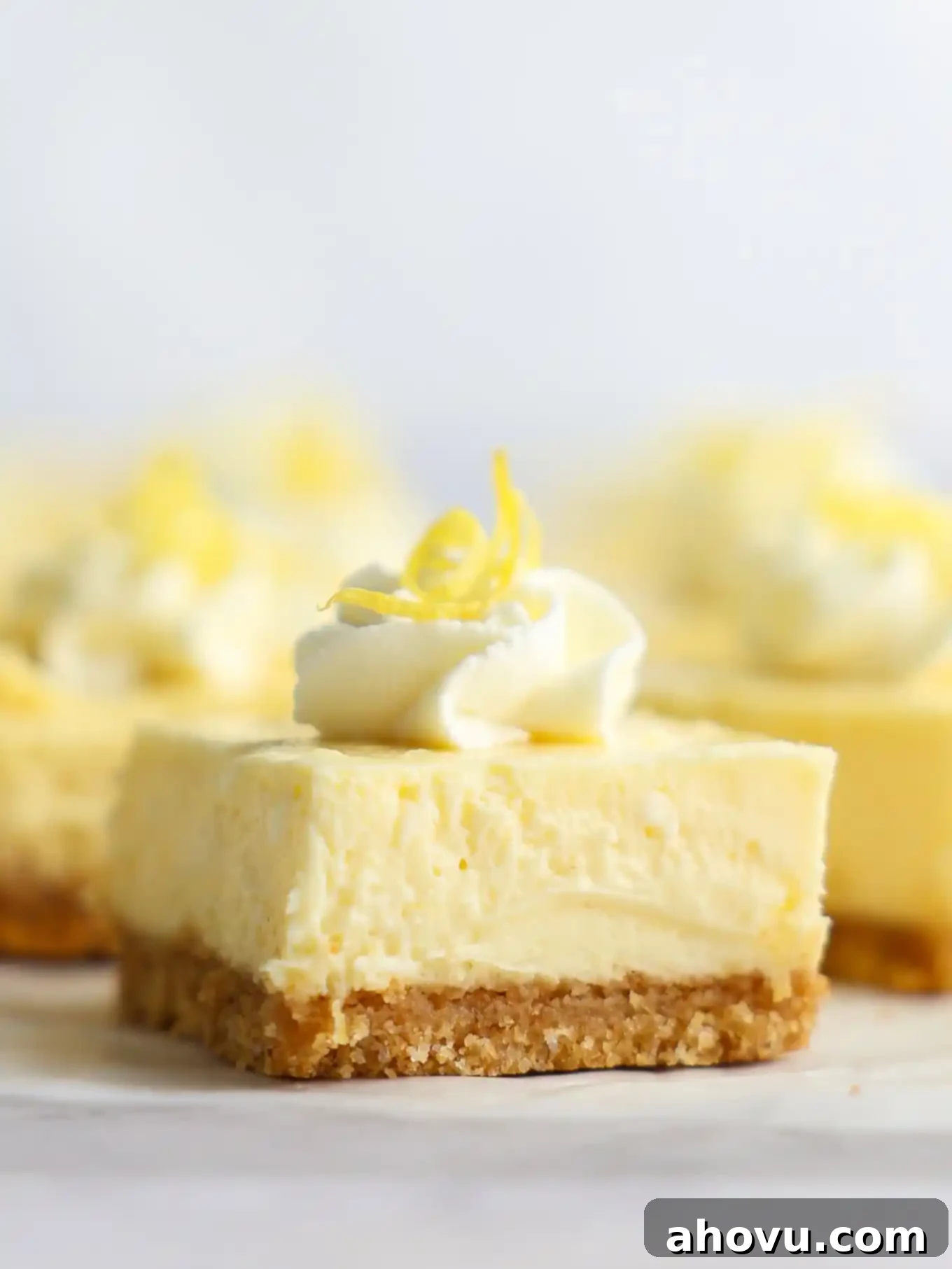
Frequently Asked Questions About Lemon Cheesecake Bars
Absolutely! This recipe can be easily doubled. If you choose to do so, bake it in a larger 9×13-inch pan. You’ll likely need to increase the baking time slightly, but be sure to monitor it closely for doneness to prevent overbaking and ensure that perfect creamy texture.
While you technically could, I don’t recommend baking *these specific bars* in a springform pan because the reduced filling amount means they would turn out quite thin. If you prefer a traditional, taller cheesecake baked in a springform pan, I suggest using my dedicated lemon cheesecake recipe instead for optimal results.
Yes, definitely! Limes make a fantastic substitute. Feel free to swap out both the lemon juice and zest with an equal amount of fresh lime juice and lime zest. For an even more unique flavor, try using key limes for a distinctively tart and aromatic profile.
Yes! To make these bars gluten-free, simply substitute the regular graham cracker crumbs with your favorite brand of gluten-free graham crackers. The rest of the ingredients in the cheesecake filling are naturally gluten-free.
These lemon cheesecake bars are an excellent make-ahead dessert! In fact, they benefit from being chilled overnight, allowing the flavors to meld and the texture to firm up perfectly. Prepare them a day in advance, keep them covered in the fridge, and they’ll be ready to slice and serve when you are.
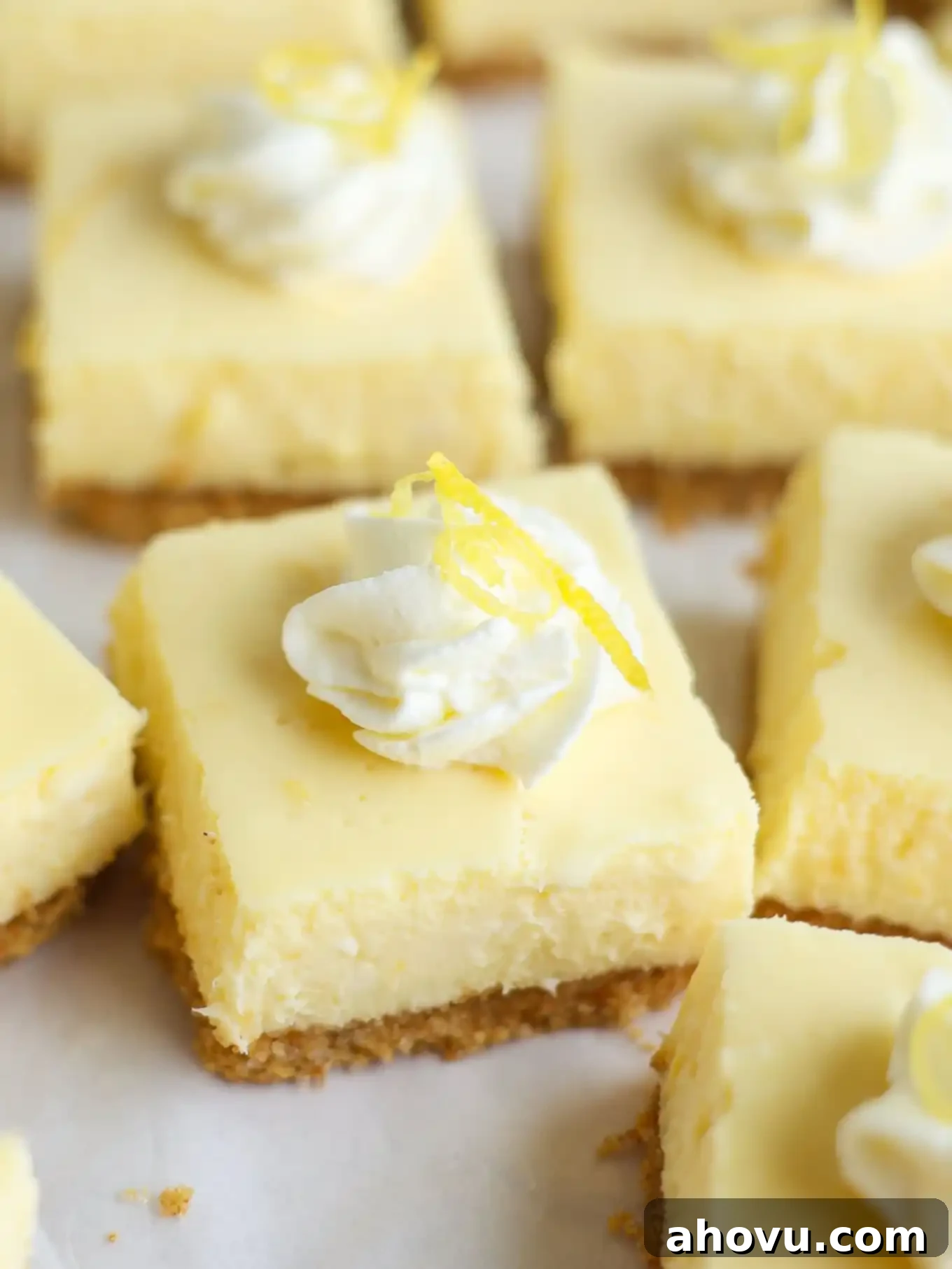
There’s nothing quite like the smooth, creamy texture and bright, zesty flavor of homemade lemon cheesecake. With this easy-to-follow recipe, you can achieve lemon cheesecake perfection in convenient bar form, without the fuss of a water bath. They’re ideal for parties, potlucks, or simply a delightful treat at home.
If you whip up this recipe and bring these delightful lemon cheesecake bars to life, please don’t hesitate to leave a comment below! I’d love to hear how they turned out for you. Happy Baking!
Lemon Cheesecake Bar Recipe
Pin Recipe
SaveSaved!
Leave a Review
Ingredients
Graham Cracker Crust
- 1 ¼ cups crushed graham cracker crumbs (150 grams)
- ¼ cup granulated sugar (50 grams)
- 5 tablespoons unsalted butter melted & slightly cooled (70 grams)
Lemon Cheesecake Filling
- 16 ounces brick-style cream cheese softened to room temperature (452 grams; 2 blocks)
- ¼ cup full-fat sour cream or plain Greek yogurt (60 grams)
- ⅔ cup granulated sugar (135 grams)
- ½ teaspoon pure vanilla extract
- 3 tablespoons fresh lemon juice (45 ml)
- 1 tablespoon freshly grated lemon zest about 1 medium lemon
- 2 large eggs at room temperature
Instructions
-
To make the graham cracker crust: Begin by preheating your oven to 325°F (163°C). This ensures your oven is at the correct temperature for baking the crust.
-
Line an 8-inch square baking pan with parchment paper or aluminum foil, making sure to leave a generous overhang on two sides. This overhang will act as “handles” later, allowing for easy removal of the chilled cheesecake bars from the pan. Set the prepared pan aside.
-
In a large mixing bowl, combine the crushed graham cracker crumbs and granulated sugar. Stir them together thoroughly until evenly distributed. Next, pour in the melted and slightly cooled unsalted butter. Mix vigorously until all of the graham cracker crumbs are uniformly moistened and resemble wet sand.1 ¼ cups crushed graham cracker crumbs,¼ cup granulated sugar,5 tablespoons unsalted butter
-
Transfer the graham cracker mixture into your prepared pan. Using the bottom of a flat measuring cup, a glass, or your clean hands, firmly press the mixture down into an even, compact layer across the entire bottom of the pan. Ensure it’s packed tightly to create a sturdy crust that won’t crumble.
-
Bake the crust in the preheated oven for 10 minutes. This pre-baking step is crucial for preventing a soggy crust. Once baked, remove the pan from the oven and set it aside on a wire rack to cool slightly while you prepare the creamy lemon filling.
-
Keep the oven temperature at 325°F (163°C) as you will be returning the cheesecake to bake shortly.
-
To make the lemon cheesecake filling: In the bowl of a stand mixer fitted with the paddle attachment (or a large mixing bowl with a handheld electric mixer), combine the softened brick-style cream cheese and full-fat sour cream. Beat on low-medium speed until the mixture is completely smooth, lump-free, and creamy, scraping down the sides of the bowl as needed. Add the granulated sugar and pure vanilla extract, mixing until just combined and smooth. Finally, incorporate the fresh lemon juice and fragrant lemon zest, continuing to mix on low speed until everything is fully integrated. Stop and scrape the sides of the bowl once more to ensure no unmixed pockets remain.16 ounces brick-style cream cheese,¼ cup full-fat sour cream or plain Greek yogurt,⅔ cup granulated sugar,½ teaspoon pure vanilla extract,3 tablespoons fresh lemon juice,1 tablespoon freshly grated lemon zest
-
In a separate small bowl, lightly beat the two large eggs until just combined (do not over-whisk). Pour these lightly beaten eggs into the cheesecake mixture. Mix on the absolute lowest speed of your mixer until the eggs are just incorporated. Overmixing the eggs can introduce too much air, which can lead to cracks. After mixing, use a rubber spatula to gently fold the filling a few times, ensuring everything is thoroughly mixed without creating excess air bubbles.2 large eggs
-
Carefully pour the creamy lemon cheesecake filling evenly over the pre-baked graham cracker crust in the prepared pan. Gently smooth the top with your spatula to create a flat, even layer.
-
Transfer the pan to the preheated oven and bake for 35 to 40 minutes. The cheesecake bars are done when the edges appear set and slightly golden, but the center still has a slight, delicate wobble when the pan is gently shaken. This subtle jiggle indicates that the cheesecake is perfectly cooked and will firm up as it cools.
-
Remove the baked cheesecake bars from the oven and immediately transfer the pan to a wire rack. Allow them to cool completely at room temperature for approximately 2 hours. This gradual cooling process helps prevent cracks. Once cooled, cover the pan tightly with plastic wrap and transfer it to the refrigerator to chill for at least 4 to 5 hours, or ideally overnight, until the bars are thoroughly chilled and firm.
-
Once fully chilled, use the parchment paper or foil overhang to carefully lift the entire cheesecake slab out of the pan. Place it on a cutting board, then slice it into individual bars of your desired size. Garnish as desired and enjoy your perfectly creamy, zesty lemon cheesecake bars!
Notes
Freezing Instructions: For longer storage, these bars freeze beautifully. Place them in a single layer in a large freezer bag or a freezer-safe storage container, separated by parchment paper if stacking. They can be frozen for up to 3 months. When ready to enjoy, thaw them overnight in the refrigerator.