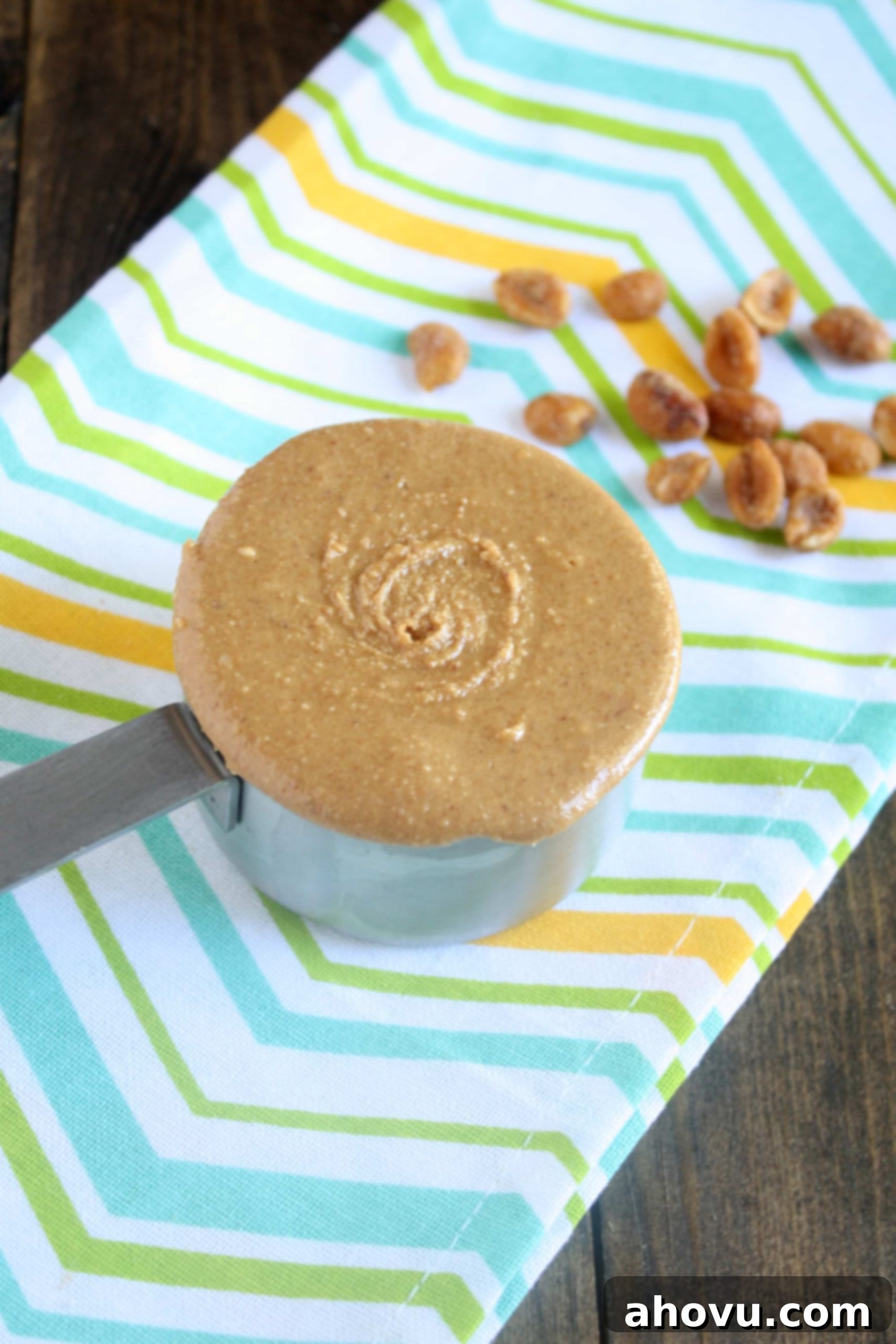
Homemade Honey Peanut Butter: Your Easy Guide to Creamy, Delicious DIY Spread
Have you ever considered making your own peanut butter at home? It’s surprisingly simple, incredibly rewarding, and yields a fresh, flavorful spread that far surpasses most store-bought options. This guide will show you exactly how to create a batch of delightful homemade honey peanut butter using just a few ingredients and less than ten minutes of your time. Say goodbye to hydrogenated oils and excessive sugars, and hello to pure, customizable goodness!
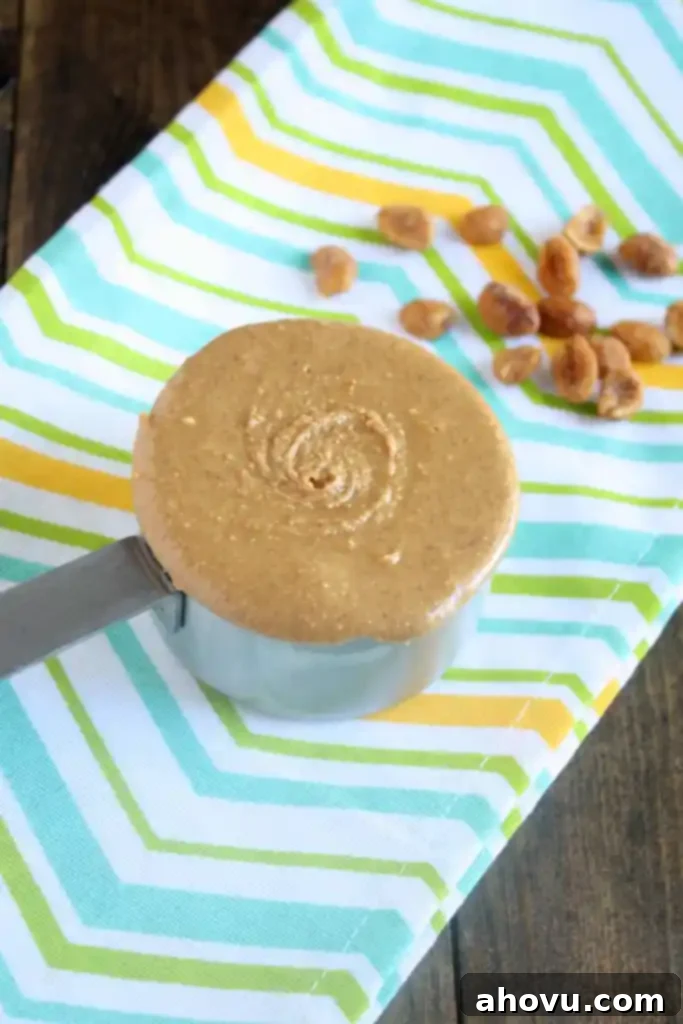
As an avid cook and baker, I often find myself reaching for peanut butter in many recipes, from wholesome breakfast bars to decadent desserts. It wasn’t until recently that I realized a crucial ingredient was missing from my homemade repertoire: the peanut butter itself! It struck me that while I’ve shared countless recipes utilizing this beloved spread, I’ve never fully detailed the process of crafting it from scratch. The truth is, it’s remarkably straightforward to whip up your own right in your kitchen.
All you truly need are peanuts, a touch of oil for extra creaminess (if desired), and a powerful food processor or high-speed blender. That’s it! The transformation from humble peanuts to a rich, smooth, and spreadable butter is nothing short of magical, and you’ll love the ability to control exactly what goes into your jar.
Why Make Your Own Peanut Butter? The Benefits are Sweet!
Beyond the sheer satisfaction of a DIY project, there are numerous compelling reasons to make your own honey peanut butter:
- Ingredient Control: When you make peanut butter at home, you dictate every ingredient. This means no unnecessary added sugars (beyond the honey coating on the peanuts), no artificial preservatives, and, most importantly, no hydrogenated oils that are often found in commercial brands. You get a cleaner, healthier product.
- Superior Freshness and Flavor: Freshly made peanut butter has an unparalleled taste and aroma. The natural oils and flavors of the peanuts are at their peak, offering a richer, more vibrant profile than pre-packaged versions that may have sat on shelves for months.
- Customizable Consistency and Sweetness: Do you prefer extra creamy or slightly chunky? A touch sweeter or more savory? Homemade allows for complete customization. You can adjust the amount of oil for creaminess, add a pinch of salt, or even experiment with extra sweeteners or spices.
- Cost-Effective: Buying peanuts in bulk can often be more economical than purchasing specialty or organic peanut butter, especially if you consume it regularly.
- Dietary Preferences: If you have specific dietary needs or prefer to avoid certain additives, homemade peanut butter is the perfect solution. You can ensure it’s vegan, gluten-free, or free from any other unwanted ingredients by selecting your peanuts and oils carefully.
Recipe Ingredients: Simplicity at Its Best
This wonderfully easy homemade peanut butter recipe focuses on minimal ingredients, allowing the natural flavor of the peanuts to shine through.
-
Peanuts: The star of the show! For this specific recipe, I highly recommend using honey roasted peanuts. They come with a delightful sweetness and a perfectly roasted flavor that translates into an incredibly delicious peanut butter. The honey coating provides a natural sweetness, eliminating the need for additional sugar. You’ll typically want about 2 cups of peanuts to start, which yields a good amount for a single batch.
If you opt for plain roasted peanuts, you might want to add a tablespoon or two of honey, maple syrup, or agave nectar to achieve a similar sweet profile. Unsalted, plain roasted peanuts will also benefit from a pinch of salt to enhance their flavor. While raw peanuts can be used, you’ll need to roast them first to bring out their nutty essence and make them easier to process into butter.
- Oil (Optional, but Recommended for Creaminess): A small amount of neutral-flavored oil, such as vegetable oil or canola oil, can be added to achieve an extra creamy, luxuriously smooth consistency. About 1/2 to 1 teaspoon is usually sufficient for a 2-cup batch of peanuts. The oil helps emulsify the mixture and reach that desired spreadable texture more quickly. If you prefer a thicker, more rustic peanut butter, you can simply omit the oil. Peanut oil can also be used to intensify the peanut flavor.
Essential Equipment for Homemade Peanut Butter
The right tools make all the difference in achieving the perfect texture for your homemade peanut butter.
- Food Processor or High-Speed Blender: This is the most crucial piece of equipment. A powerful food processor is generally preferred for its wider base and stronger motor, which can handle the thick consistency as peanuts break down. A high-speed blender can also work, but you may need to stop and scrape down the sides more frequently, and it might struggle with smaller batches. Ensure your machine is up to the task to prevent overheating.
- Rubber Spatula: Essential for scraping down the sides of your food processor bowl, ensuring all peanuts are evenly processed.
- Airtight Container: For storing your freshly made peanut butter. Glass jars or BPA-free plastic containers work best.
How to Make Honey Peanut Butter: A Step-by-Step Guide
Making homemade honey peanut butter is an exercise in patience and observation. The process involves several stages, and it’s fascinating to watch the peanuts transform!
- Prepare Your Equipment: Ensure your food processor or high-speed blender is clean and assembled correctly. You’ll want it ready to go.
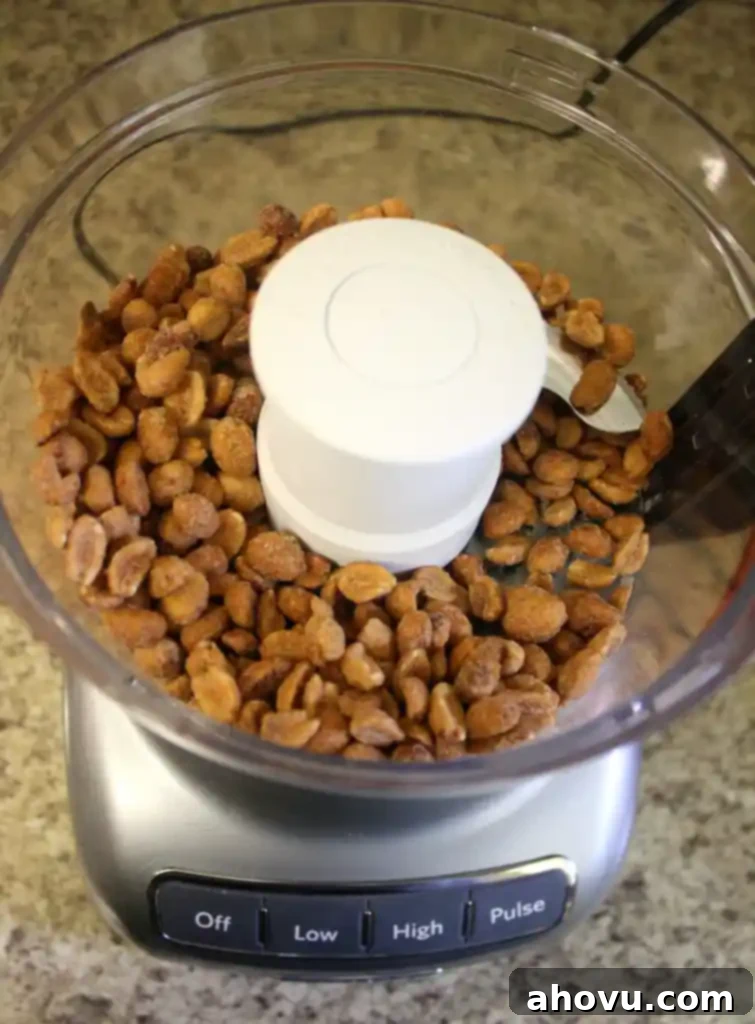
- Add Peanuts: Toss your honey roasted peanuts directly into the bowl of your food processor. For a standard batch, two cups of peanuts work well. Feel free to adjust the quantity based on how much peanut butter you want to make; just ensure you don’t overfill your machine.
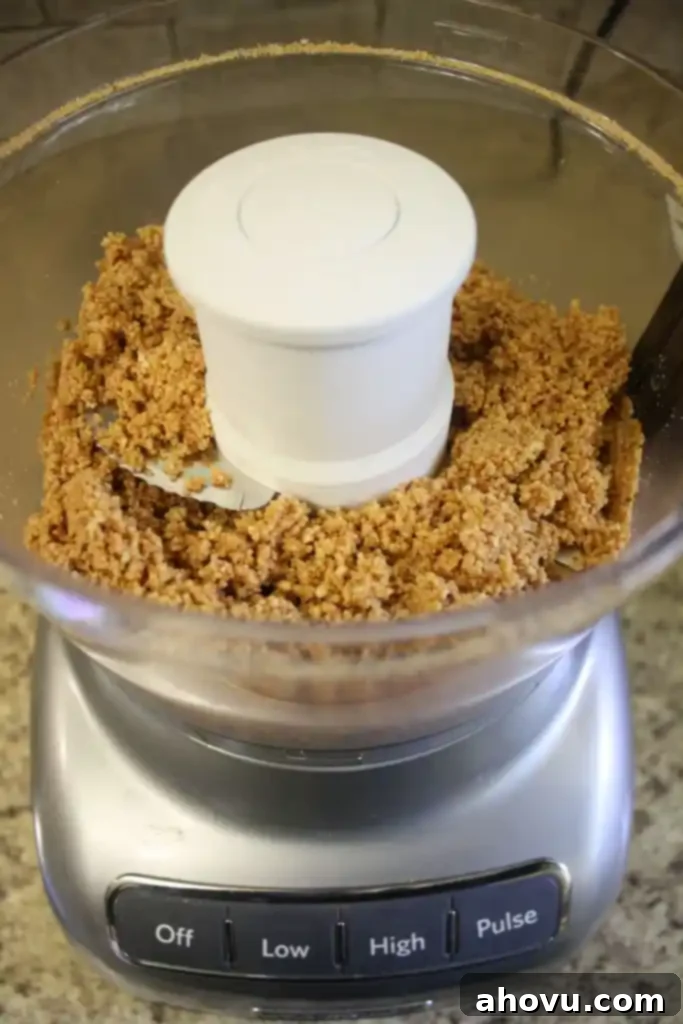
- Begin Processing: Secure the lid and start your food processor or blender on high speed. Initially, the peanuts will break down into a coarse, crumbly meal. This is perfectly normal.
- Scrape Down the Sides (and Be Patient!): As the peanuts process, they will stick to the sides of the bowl. Stop your machine every minute or so, use a rubber spatula to scrape down the sides, pushing the peanut pieces back towards the blades. This ensures even processing. It’s also a good idea to let your food processor rest for a moment during these breaks to prevent it from overheating, especially if you’re making a larger batch.
-
Observe the Transformation: The peanuts will go through several distinct stages:
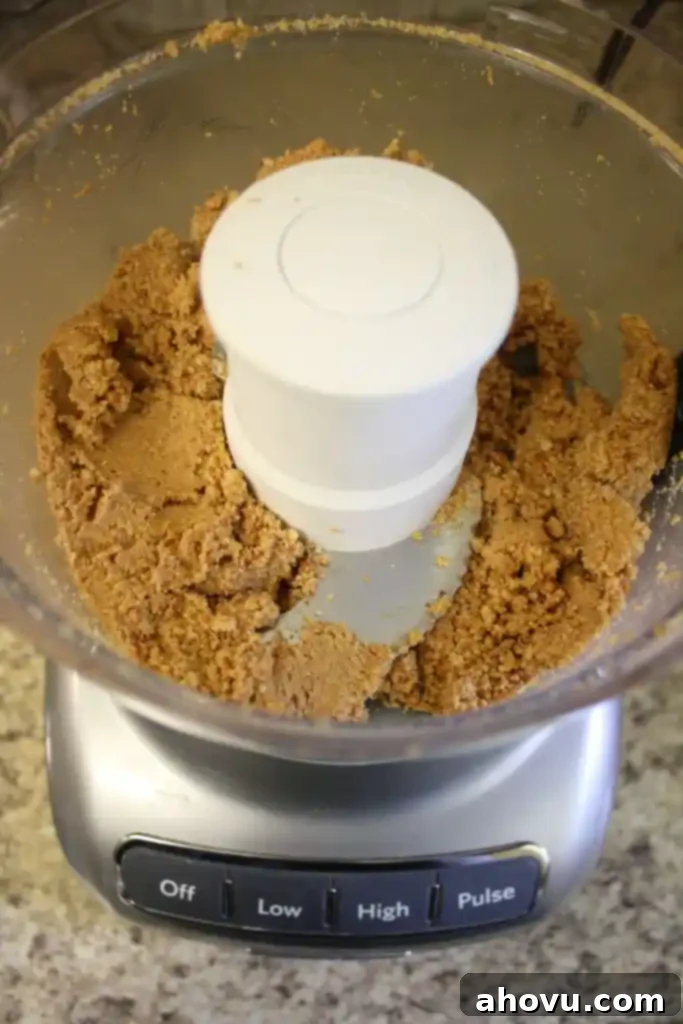
- Stage 1 (1-2 minutes): Coarse crumbs.
- Stage 2 (2-4 minutes): A thick, clumpy paste. The mixture will start to form a ball that spins around the bowl.
- Stage 3 (4-6 minutes): The ball will start to break down, and the mixture will become more cohesive, resembling a very thick dough. You’ll notice the oils beginning to release, making it appear slightly shiny.
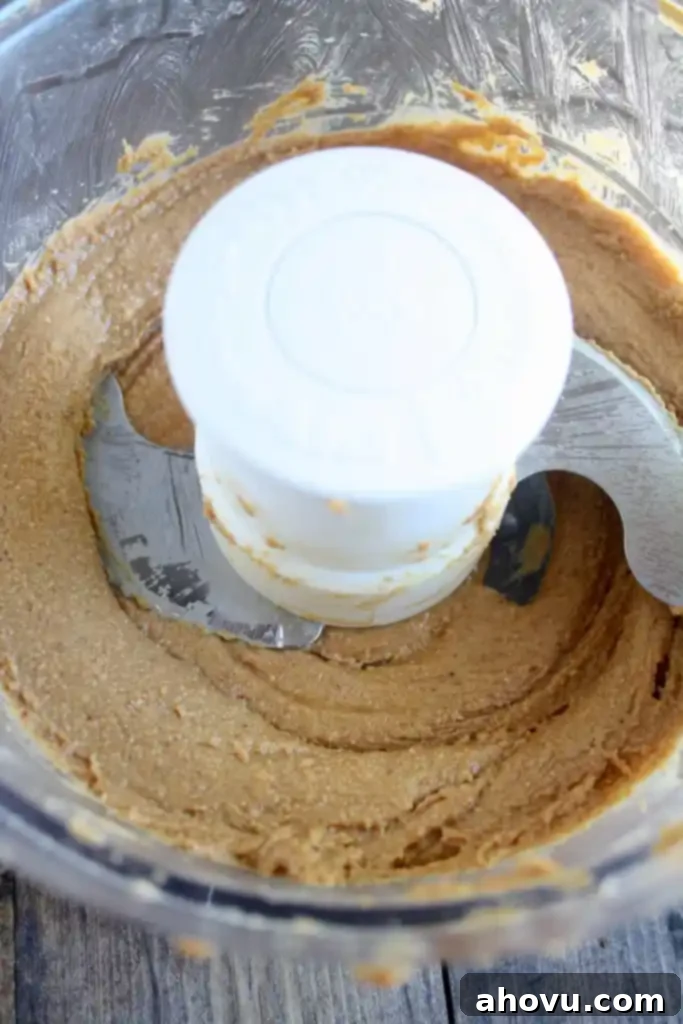
- Stage 4 (6-8 minutes, or longer): Gradually, the mixture will smooth out, becoming a creamy, liquidy consistency as the natural oils are fully released. This is the stage where it truly transforms into peanut butter.
- Add Oil for Extra Creaminess (Optional): If you desire a silkier, creamier texture, add 1/2 to 1 teaspoon of vegetable or canola oil once the peanut butter has reached Stage 3 or 4. Continue processing for another minute or two until the oil is fully incorporated and the desired consistency is achieved. If you prefer chunky peanut butter, you can reserve about 1/4 cup of the original peanuts and stir them in at this stage, or pulse them briefly with the finished butter.
- Final Consistency Check: Once the peanut butter is smooth and flowing, resembling the texture you prefer, it’s ready! Taste it and adjust if necessary (e.g., a pinch of salt if you used plain peanuts, or a touch more honey if it’s not sweet enough).
- Transfer and Store: Carefully spoon your fresh honey peanut butter into an airtight container.
I’ve captured a few moments during the process to give you a visual idea of what to expect as your peanuts transform into delicious peanut butter:
Frequently Asked Questions About Homemade Peanut Butter
How Long Does Homemade Peanut Butter Last?
Without the stabilizers and preservatives found in commercial varieties, homemade peanut butter has a shorter shelf life. You can typically store this honey roasted peanut butter in an airtight container in your refrigerator for 2 to 3 weeks. Always check for any off-smells or signs of spoilage if you keep it longer.
Do I Have to Use Honey Roasted Peanuts?
No, you don’t have to, but they certainly simplify the process and add fantastic flavor. You can use any type of peanuts you prefer! If you opt for plain roasted peanuts (salted or unsalted), I recommend ensuring they are pre-roasted for the best flavor and ease of processing. If using plain, you might want to add a sweetener like honey or maple syrup, and a pinch of salt to taste.
Can I Substitute Another Nut?
Absolutely! The method outlined in this recipe is versatile enough to make most other nut butters at home. Almond butter, cashew butter, and mixed nut butters are all popular choices. Just keep in mind that some nuts are harder or have different oil content than peanuts, so your processing times may vary. For instance, almonds might take a little longer to break down into a smooth butter.
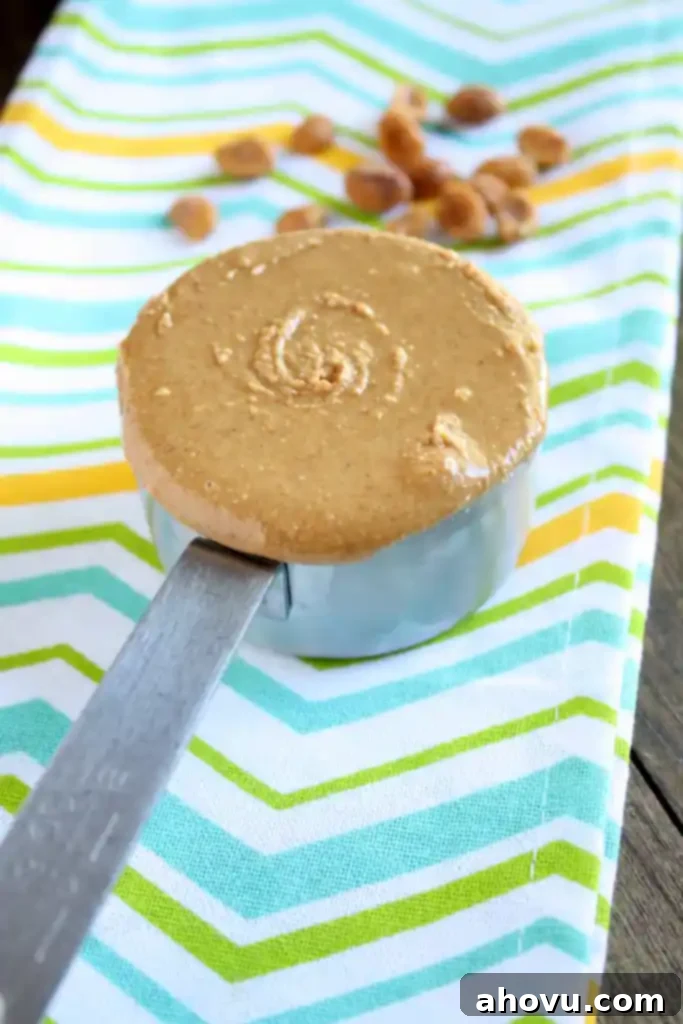
How Can I Make Chunky Peanut Butter?
To make chunky peanut butter, you have two main options:
- Reserve and Stir: Before you start processing, set aside about 1/4 to 1/2 cup of whole or coarsely chopped peanuts. Process the remaining peanuts until they reach your desired creamy consistency. Then, simply stir in the reserved peanuts by hand.
- Pulse at the End: Process all the peanuts until they are nearly at your desired creamy stage. Then, add a handful of whole peanuts to the food processor and pulse a few times until they are chopped to your preferred chunky size, but not fully incorporated into the smooth butter.
Tips for the Best Homemade Peanut Butter
- Adjusting Creaminess: I found that adding about 1/2 to 1 teaspoon of a neutral oil (like canola or vegetable oil) to my batch helps achieve a wonderfully smooth and spreadable consistency. However, if you prefer a thicker, more rustic peanut butter, feel free to leave the oil out entirely. The natural oils from the peanuts will still eventually make it creamy with enough processing.
- Scaling the Recipe: This recipe uses 2 cups of peanuts, yielding a modest batch of honey peanut butter perfect for trying out or for smaller households. However, you can easily scale this recipe up or down depending on your needs and the capacity of your food processor or blender. Just be mindful of your machine’s limits if making a very large batch.
- Baking Considerations: While homemade peanut butter is phenomenal for spreading on toast, adding to smoothies, or enjoying by the spoonful, it’s important to note that it isn’t always the best choice for certain baked goods. Because it lacks the stabilizers found in commercial peanut butter, it can sometimes separate or alter the texture of baked items. It’s still excellent in many recipes, but be aware that it might behave differently. For general use like sandwiches, fruit dips, and as a topping, it’s absolutely perfect!
- Natural Oil Separation: Expect some natural oil separation in your homemade peanut butter, especially if stored at room temperature. This is completely normal and a sign of a natural product! Simply give it a good stir with a knife or spoon before each use to reintegrate the oils. Refrigeration tends to slow down this separation.
- Adding More Flavor: Don’t be afraid to get creative! A pinch of cinnamon, a dash of vanilla extract, a spoonful of cocoa powder for chocolate peanut butter, or even a tiny amount of chili powder for a savory kick can elevate your homemade spread to new heights. Add these extras during the final processing stage.
Delightful Peanut Butter Desserts to Try!
Now that you’re armed with a fresh batch of homemade honey peanut butter, why not put it to good use? Here are some fantastic peanut butter dessert recipes that are sure to satisfy any craving:
- Healthy Peanut Butter Chocolate Chip Oatmeal Bars
- Chocolate Cupcakes with Peanut Butter Frosting
- Peanut Butter Cup Cookie Cake
- No-Bake Peanut Butter Pie
- Peanut Butter Oatmeal Chocolate Chip Cookies

Homemade Honey Peanut Butter
Pin Recipe
SaveSaved!
Leave a Review
Ingredients
- 2 cups honey roasted peanuts
- ½- 1 teaspoon oil (canola or vegetable, optional, for creamier butter)
Instructions
-
Add the honey roasted peanuts to a powerful food processor or high-speed blender. Process on high, stopping every minute or so to scrape down the sides of the bowl with a spatula and push the peanuts back towards the blades. Continue processing until the peanuts transform from crumbs to a thick paste, then eventually a smooth, creamy butter. This can take anywhere from 5-10 minutes, depending on your machine. Be patient!
-
If you prefer an extra creamy peanut butter, add in 1/2 to 1 teaspoon of a neutral oil (like canola or vegetable oil) during the last couple of minutes of processing. Continue to blend until the oil is fully incorporated and the desired smoothness is reached.
-
Once the homemade honey peanut butter has reached your desired consistency, transfer it to an airtight container.
Notes