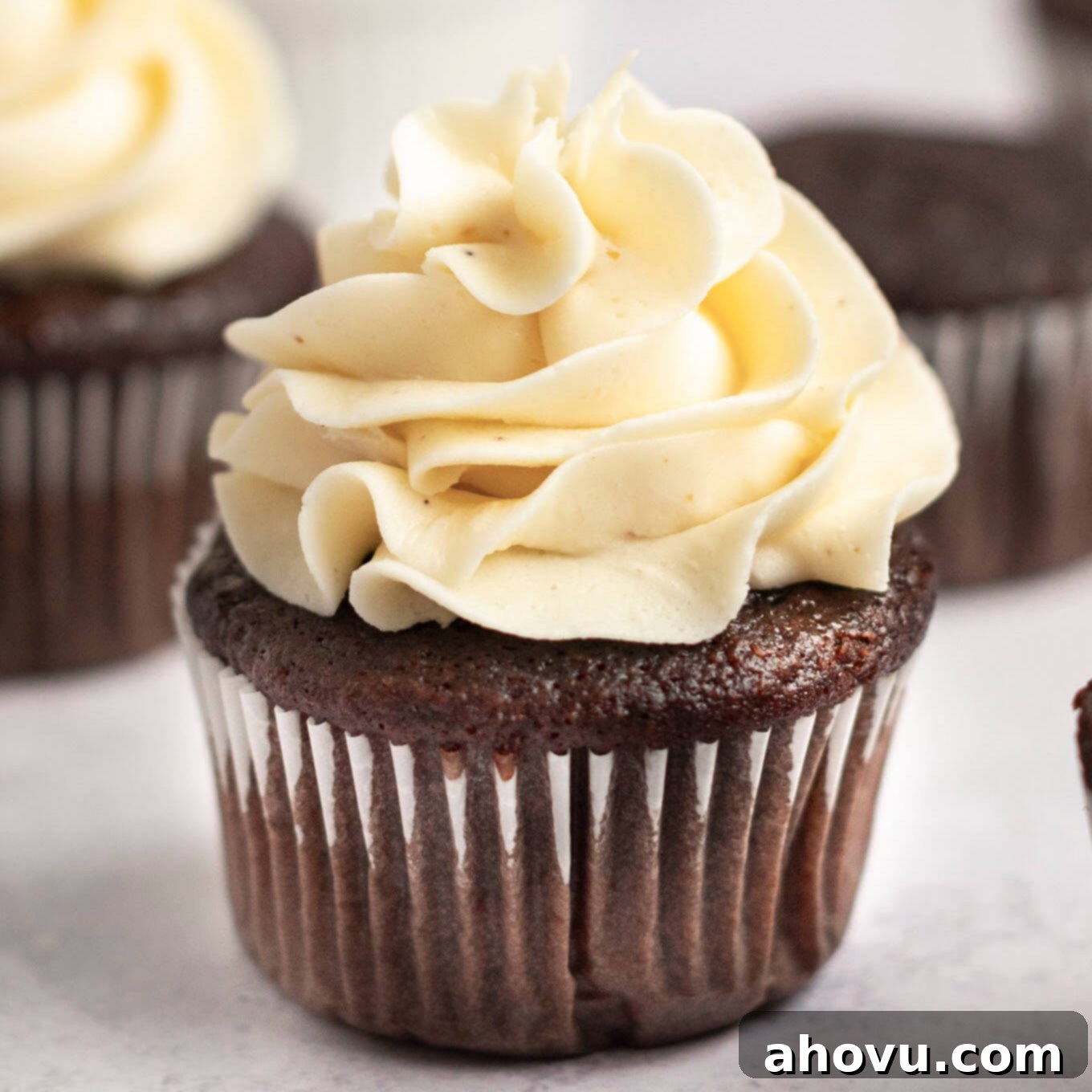
Irresistibly Creamy Brown Butter Frosting: Your Ultimate Guide to a Nutty, Velvety Topping
Welcome to your new favorite frosting! This brown butter frosting is incredibly smooth, luxuriously creamy, and miraculously made with just five essential ingredients. Its perfect piping consistency makes it an ideal complement for rich chocolate or classic vanilla cupcakes, but its toasted, nutty notes also sing when spread generously over my beloved homemade applesauce cake. Prepare to fall in love with its unparalleled depth of flavor and delightful texture!
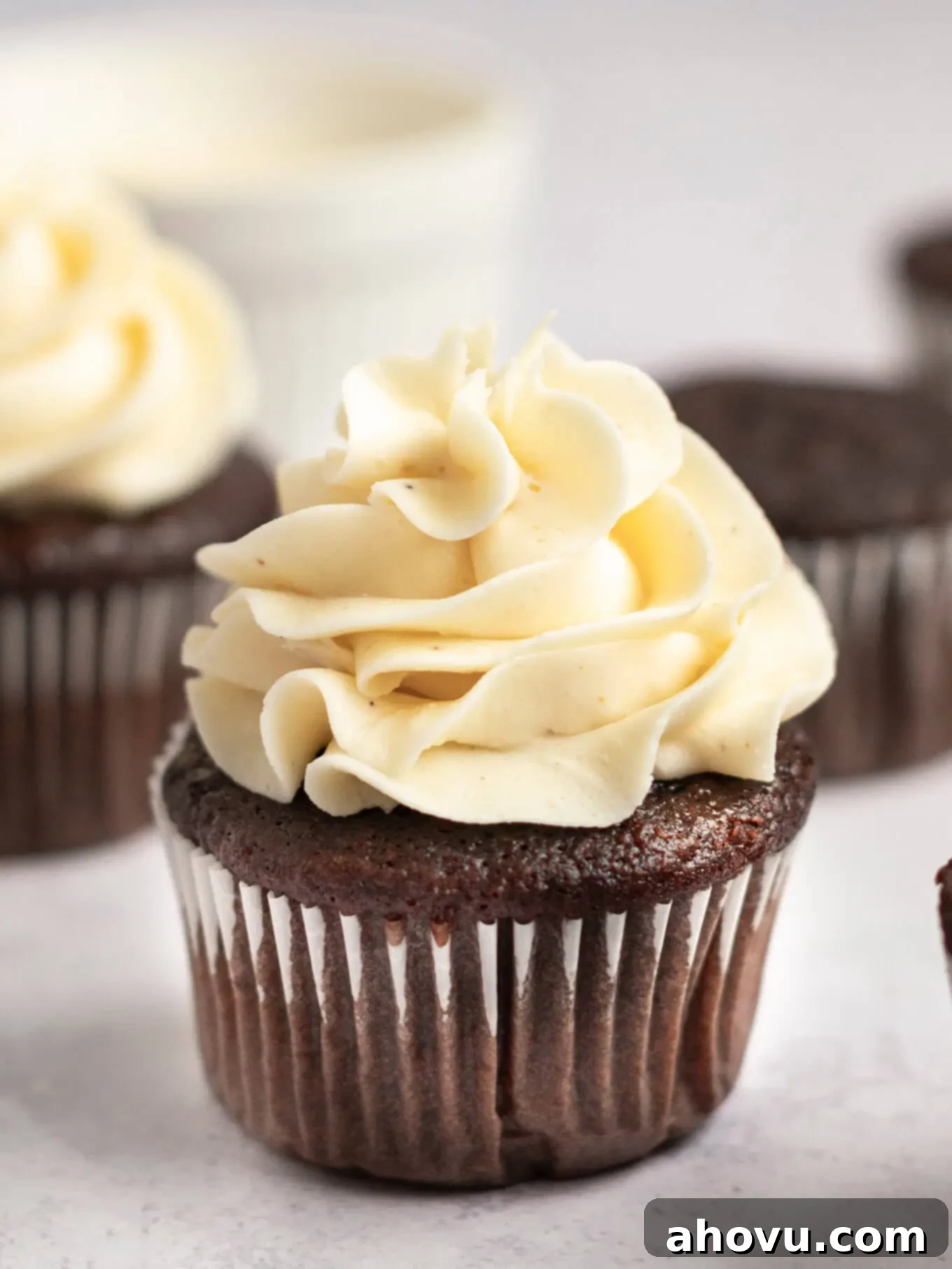
Get ready to embrace what is sure to become your next baking obsession: brown butter frosting! This delectable creation takes everything you love about classic buttercream and elevates it to an entirely new level. Adapted from my widely adored homemade buttercream frosting recipe, which has been a consistent reader favorite for years, this version introduces a simple yet transformative technique: browning a portion of the butter. This extra step unlocks a world of rich, complex flavors that traditional buttercream simply can’t achieve.
The result is a dreamily smooth and utterly creamy frosting boasting a distinct toasted, nutty aroma and taste that adds incredible sophistication to any dessert. The best part? Despite its gourmet appeal, it’s remarkably simple to make, requiring just five common ingredients (yes, that includes vanilla extract and a pinch of salt!). Plus, it holds its shape beautifully, allowing you to pipe intricate designs with ease, making your desserts look as impressive as they taste.
Understanding the Magic of Brown Butter (Beurre Noisette)
Before we dive into the recipe, let’s appreciate the secret weapon behind this frosting: brown butter. Often referred to by its French name, beurre noisette, brown butter is simply butter that has been gently cooked until its milk solids caramelize, turning a beautiful golden-brown color and releasing an incredible nutty aroma. This process, known as the Maillard reaction, transforms ordinary butter into something truly extraordinary, imparting deep, complex notes of caramel, hazelnut, and toasted goodness.
Incorporating browned butter into frosting provides a depth of flavor that is both subtle and profound, enhancing the sweetness without making it cloying. It adds a sophisticated warmth that pairs exceptionally well with a wide range of desserts, from fruit-based cakes to chocolate delights. The key is to brown the butter carefully to achieve that perfect amber hue and distinct aroma without burning it.
Essential Recipe Ingredients for Unforgettable Frosting
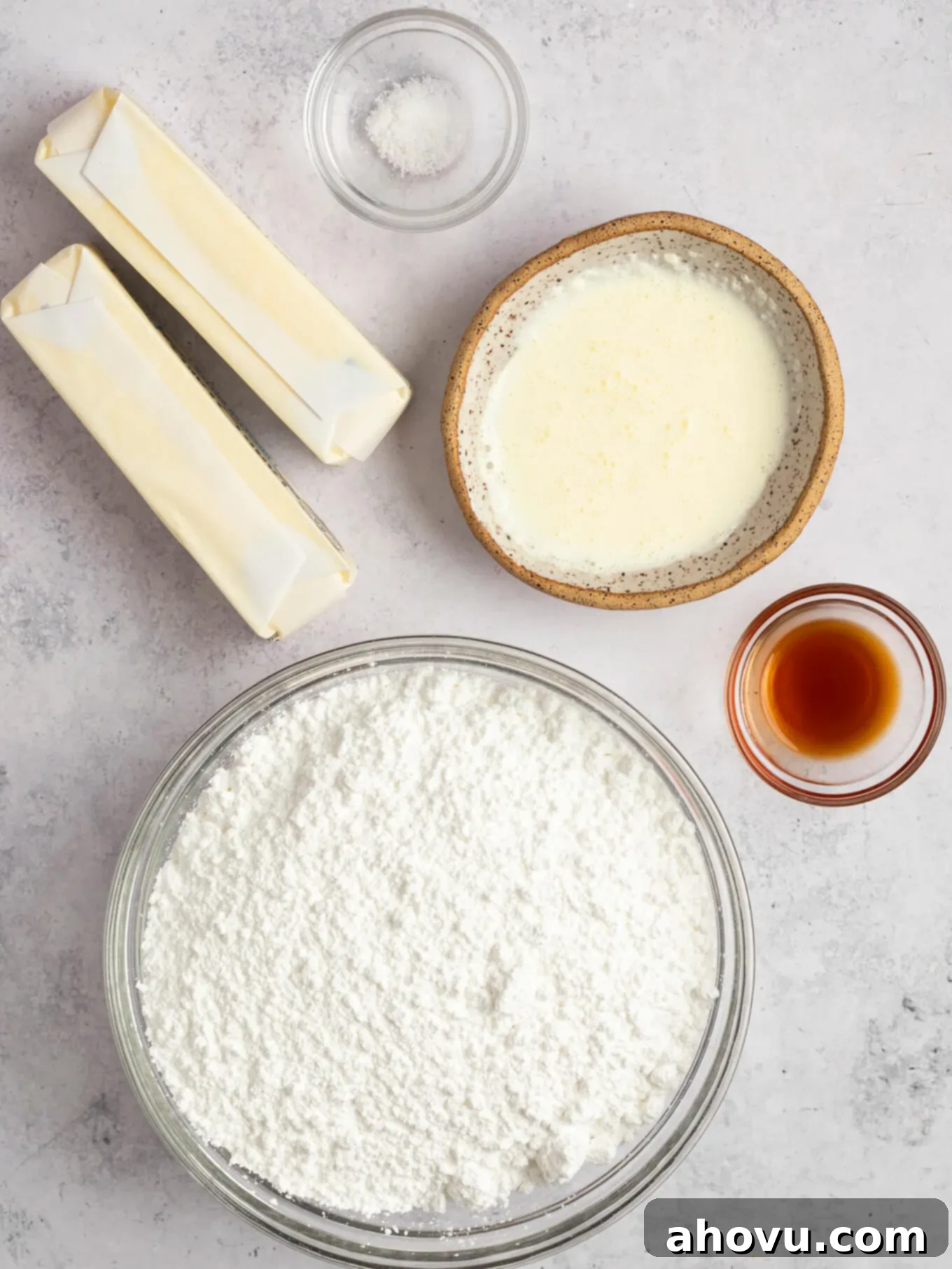
Crafting this incredible brown butter frosting requires only a handful of ingredients, each playing a crucial role in achieving its perfect flavor and texture. Quality matters here, so choose your ingredients wisely for the best possible outcome.
- Unsalted Butter: For this recipe, I highly recommend sticking with unsalted butter. This allows you to control the overall saltiness of your frosting, ensuring it perfectly balances the sweetness. We’ll be browning only half of the butter, which is a strategic choice. I’ve found that browning just one stick adds an abundance of rich, nutty flavor without becoming overpowering or making the frosting too dark. The other stick of butter will be softened to room temperature, contributing to the classic creamy base.
- Powdered Sugar: Also widely known as confectioner’s sugar, this fine sugar is indispensable for thickening and sweetening the frosting to the ideal consistency. Its powdery texture dissolves beautifully, ensuring a smooth finish without any grittiness. If your powdered sugar tends to be lumpy, a quick sift before mixing can make a significant difference in achieving that perfectly silky smooth texture. This step prevents any undesirable clumps in your final frosting.
- Heavy Cream: This ingredient is key to creating a truly thick, rich, and wonderfully creamy frosting. Heavy cream provides the necessary liquid and fat content to emulsify with the butter and powdered sugar, resulting in a light and airy yet stable frosting. While heavy cream is always the top choice for its superior richness, if absolutely necessary, you may substitute it with half-and-half or whole milk. Just be aware that these alternatives might yield a slightly less rich or thick frosting, so adjust the quantity incrementally until you reach your desired consistency.
- Pure Vanilla Extract: Vanilla extract is more than just a flavor enhancer; it’s a foundational element that rounds out and brightens the overall taste profile of the frosting. Always opt for pure vanilla extract over imitation vanilla. Pure vanilla offers a more authentic, complex, and delightful aroma that truly complements the nutty notes of the brown butter, elevating the entire frosting experience.
- Salt: A tiny pinch of salt might seem insignificant, but it’s a powerful flavor enhancer. In this recipe, salt performs a dual function: it keenly enhances the exquisite, toasted flavor of the brown butter and expertly balances out the sweetness of the powdered sugar, preventing the frosting from being overly sugary. Feel free to add a little extra, to taste, if you prefer a slightly more pronounced salty-sweet contrast.
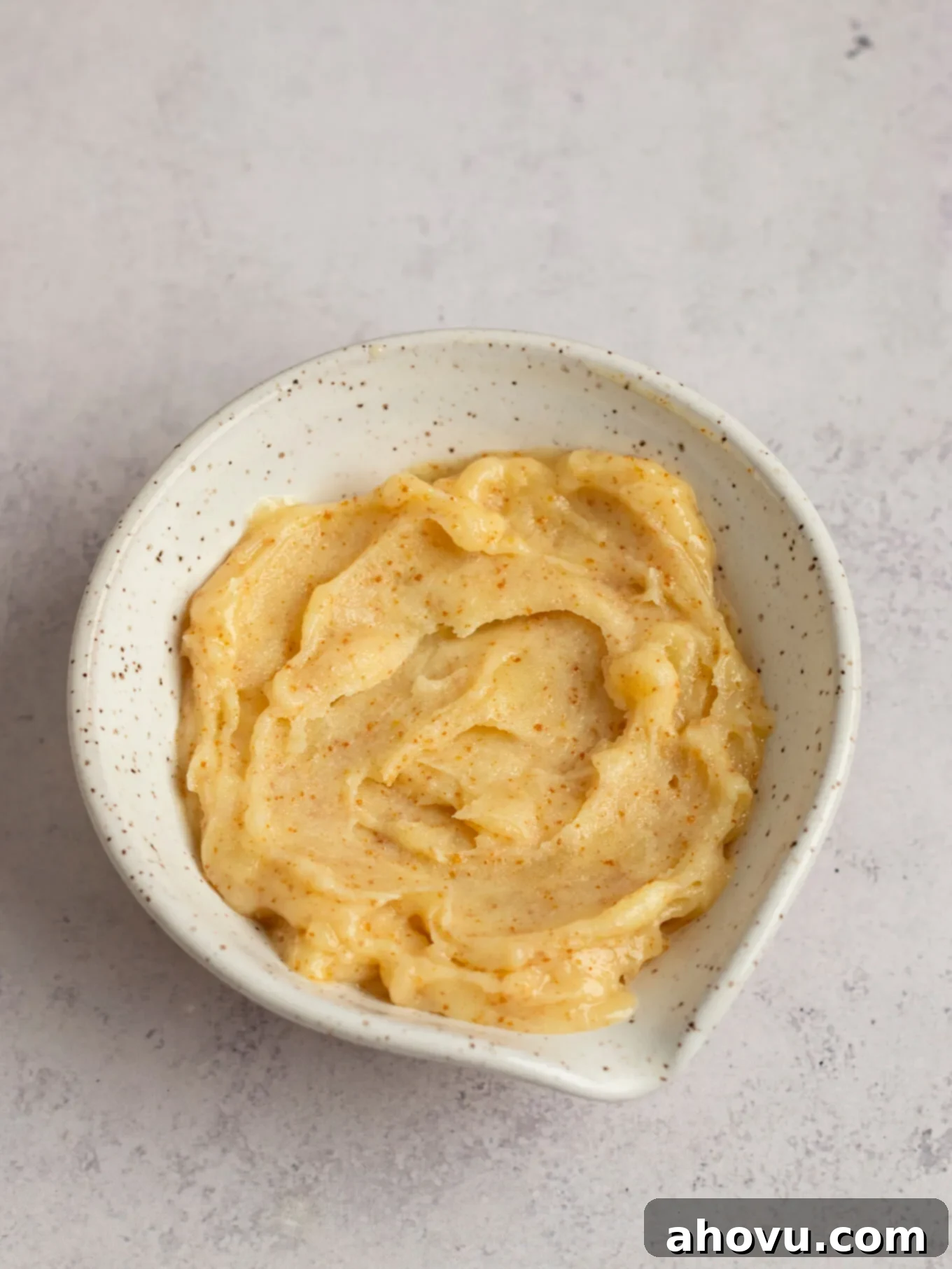
How to Master Brown Butter Frosting: A Step-by-Step Guide
Making this exceptional brown butter frosting is a straightforward process, but it does require a bit of patience, especially during the browning and cooling stages. Follow these detailed steps to achieve perfect results every time.
Step 1: Browning the Butter to Perfection
To begin, take one stick (half a cup or 115 grams) of your unsalted butter and slice it into tablespoon-sized pieces. This helps the butter melt and brown more evenly and quickly. Place these butter pieces into a light-colored skillet or saucepan. A light-colored pan is essential because it allows you to easily observe the color changes of the butter’s milk solids, preventing accidental burning.
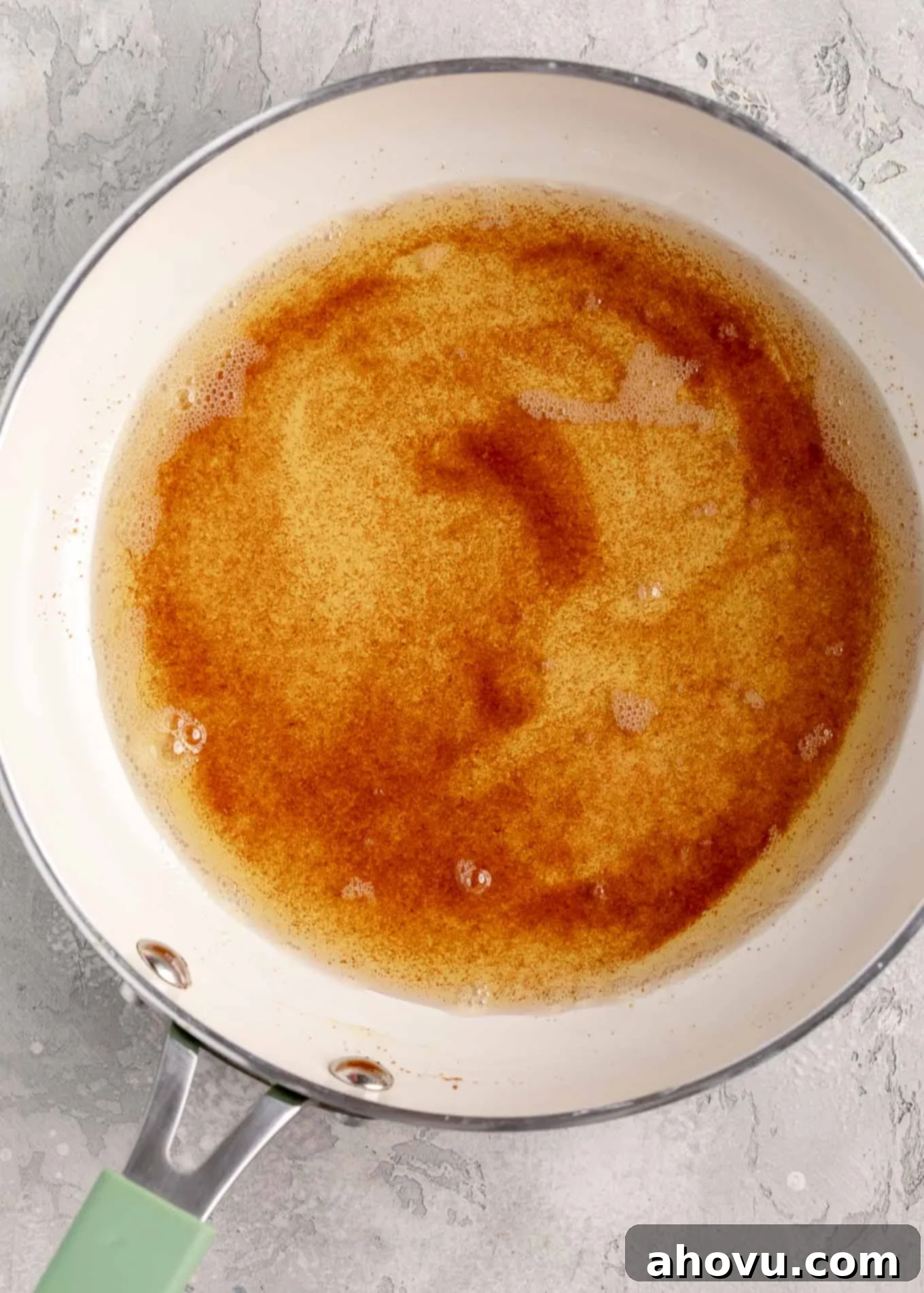
Place the skillet over medium-low heat. The butter will gradually melt completely. Once melted, continue cooking and stir the butter frequently with a heat-proof rubber spatula or whisk. Initially, the butter will bubble and sputter, then it will become foamy. This is normal and indicates that the water content is evaporating. Keep stirring! Soon after, you’ll notice tiny specks of milk solids beginning to gather at the bottom of the pan. These solids will quickly start to brown, transforming from a pale yellow to a golden amber, and finally to a rich, nutty brown. As they brown, a distinct, irresistible nutty aroma will fill your kitchen. This is your cue!
As soon as you see those lovely brown bits at the bottom of the pan and smell that characteristic nutty fragrance, immediately remove the skillet from the heat. Pour the browned butter, along with all those precious brown bits (which are packed with flavor!), into a separate heat-safe dish. Don’t leave any of those delicious golden specks behind in the pan! Allowing the butter to remain in the hot skillet could cause it to continue cooking and burn.
Step 2: Cooling and Softening the Butters
Now, transfer the dish containing the browned butter to the refrigerator, uncovered. Let it cool until it has solidified but isn’t overly cold or rock-hard. You want it to be firm but still pliable, roughly the consistency of softened butter. If it becomes too cold and hard, simply let it sit on your counter for a short while to come to room temperature. This cooling process is crucial for the frosting’s final texture.
While the browned butter is chilling, place the other stick of unsalted butter (the un-browned portion) on your counter. Allow it to come to a full room temperature, where it is soft to the touch but not melted. This usually takes at least 30-60 minutes, depending on your kitchen’s temperature. Both butters need to be at a similar, softened room temperature for optimal mixing.
If you’re new to the art of browning butter, don’t fret! It’s a simple technique that yields incredible results. I have a comprehensive tutorial on how to brown butter that covers all the nuances and ensures a perfect batch every time. I promise it’s not too difficult, and the payoff in flavor is immense.
Step 3: Creaming the Butters and Adding Sugar
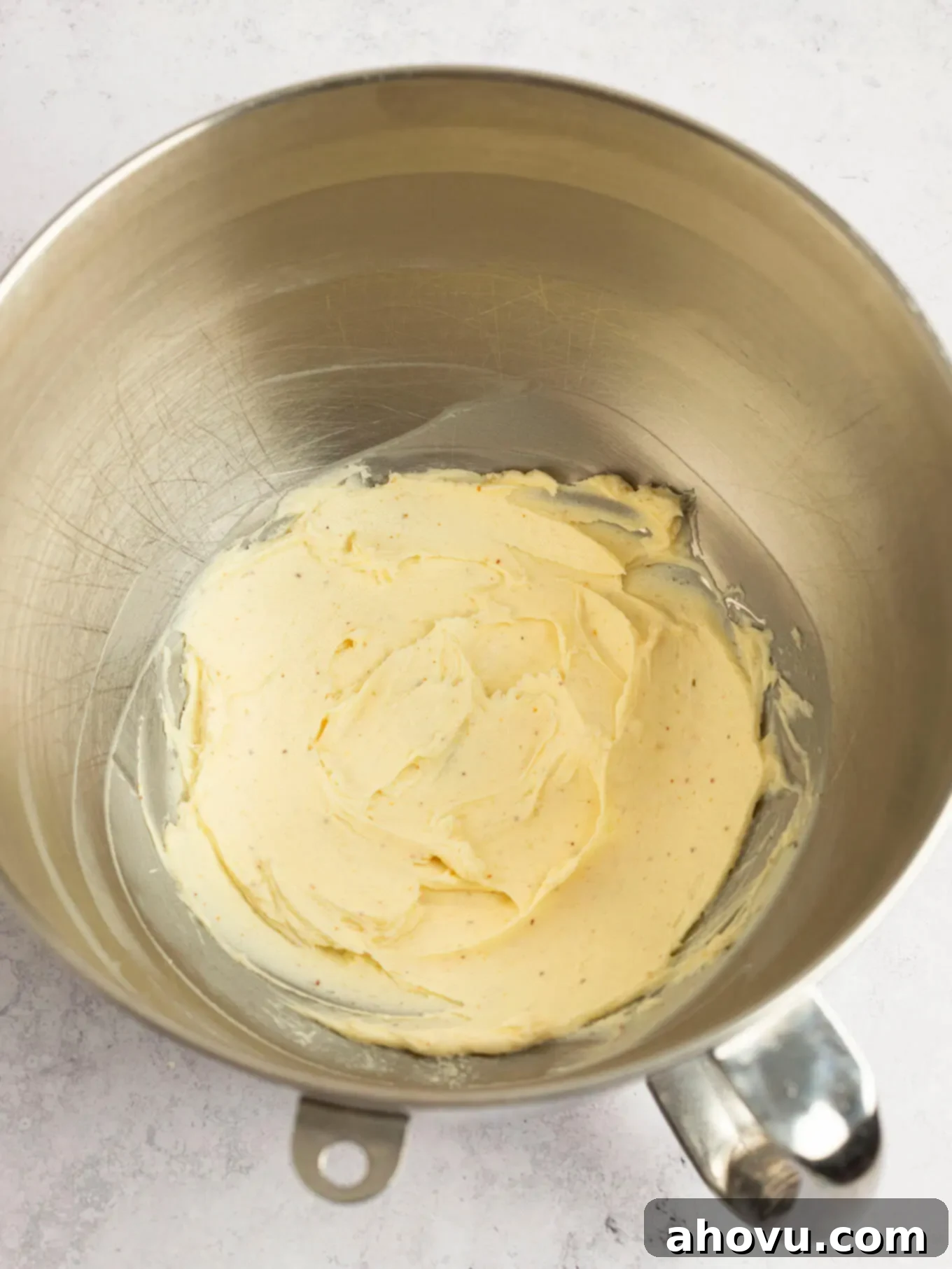
Once both the browned butter and the softened regular butter have reached the ideal room temperature and consistency, combine them in the bowl of a stand mixer fitted with the paddle attachment. If you don’t have a stand mixer, a large mixing bowl and a good quality handheld electric mixer will work perfectly. Beat the two butters together on medium speed until the mixture is smooth, thoroughly combined, and lightened in color, usually for about 2-3 minutes. This step incorporates air and creates a fluffy base.
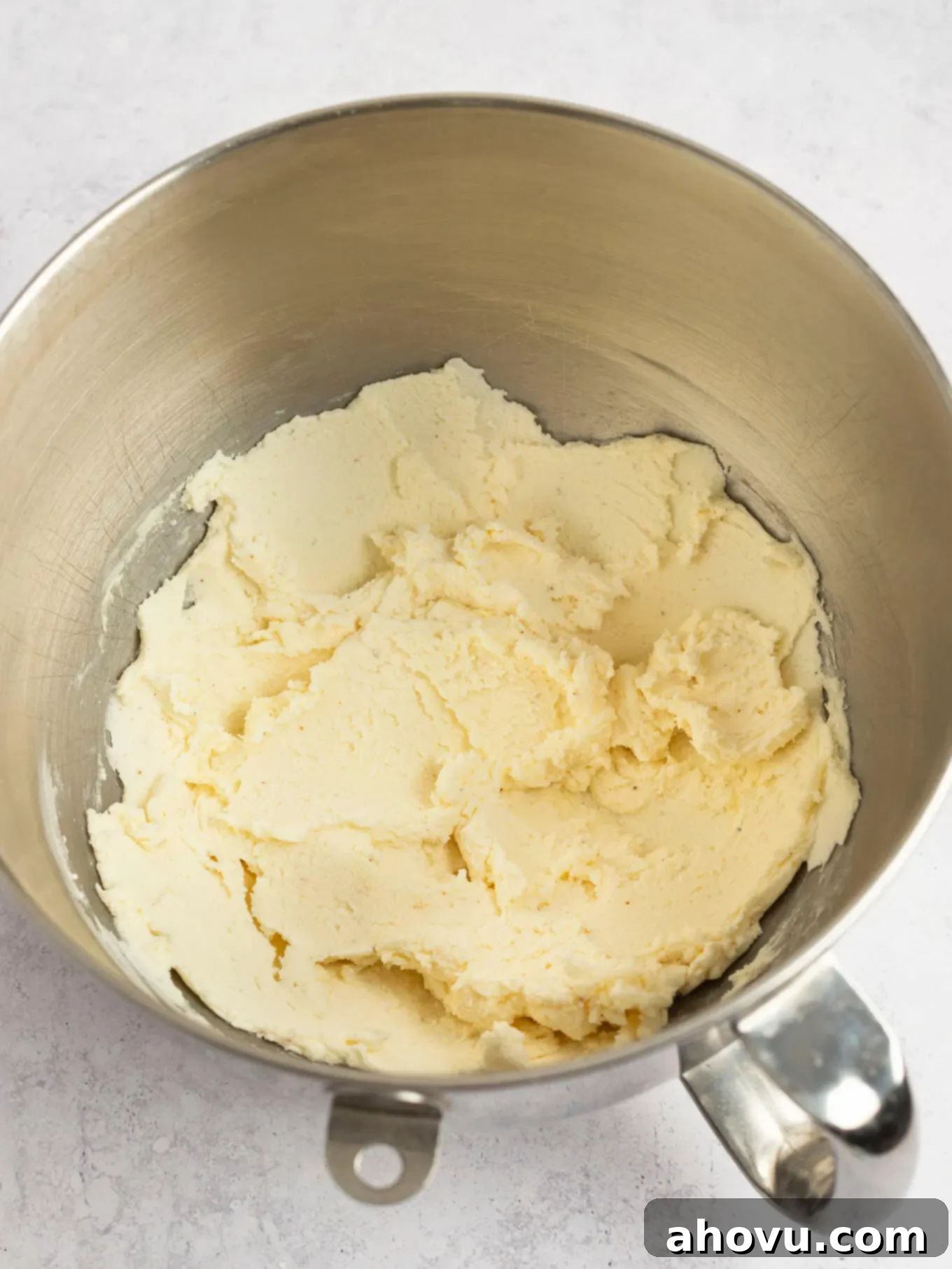
Next, gradually add the powdered sugar. To prevent a cloud of sugar from erupting in your kitchen, add it in two separate additions. Begin by adding half of the powdered sugar, mixing on low speed until it is fully incorporated into the butter mixture. Once the first half is combined, scrape down the sides of the bowl with a rubber spatula to ensure everything is evenly mixed. Then, add the remaining half of the powdered sugar and continue mixing on low speed until it is fully integrated. At this point, the mixture will be quite thick and dense, which is completely normal for a buttercream base.
Step 4: Achieving Perfect Consistency and Flavor
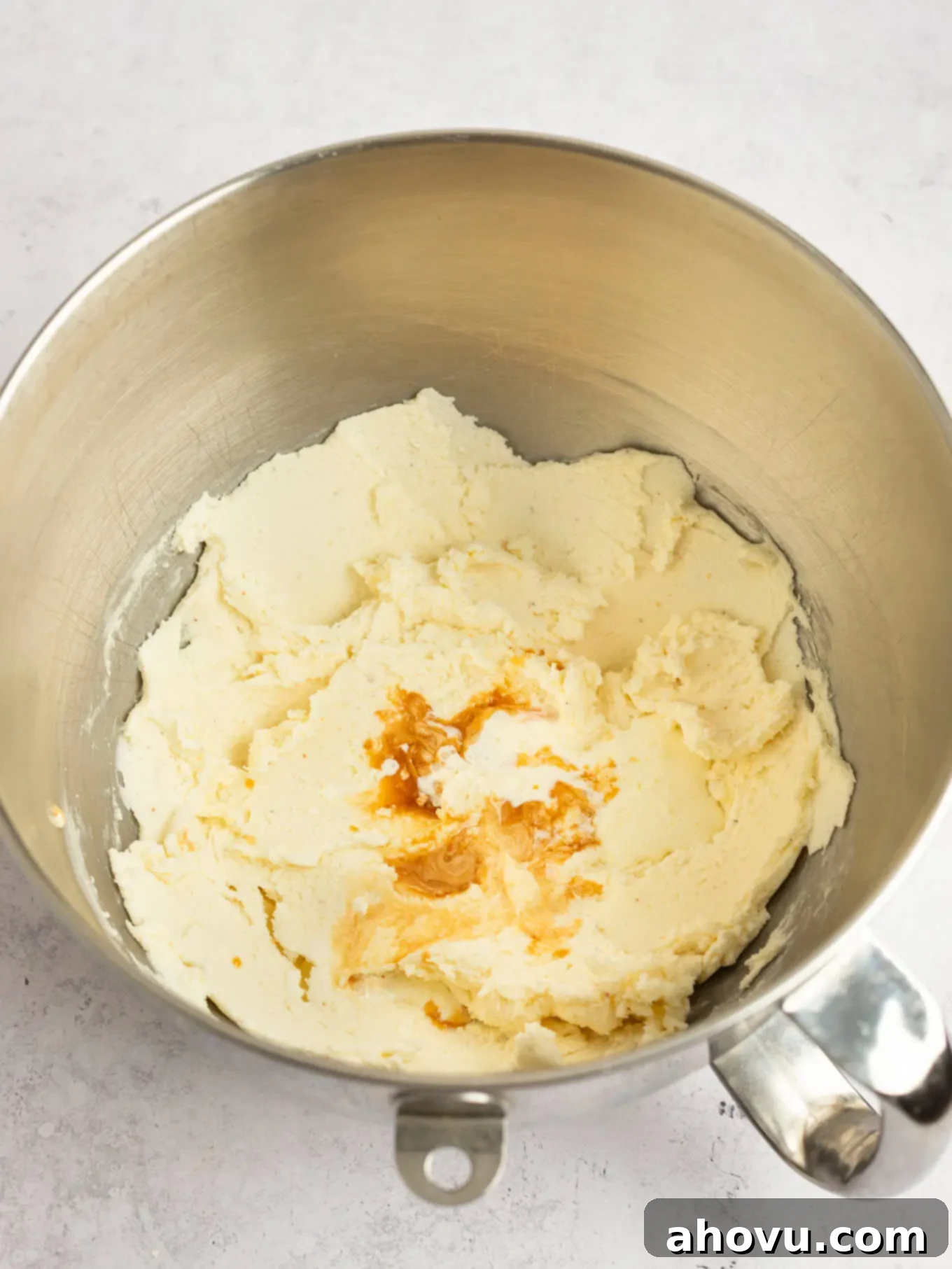
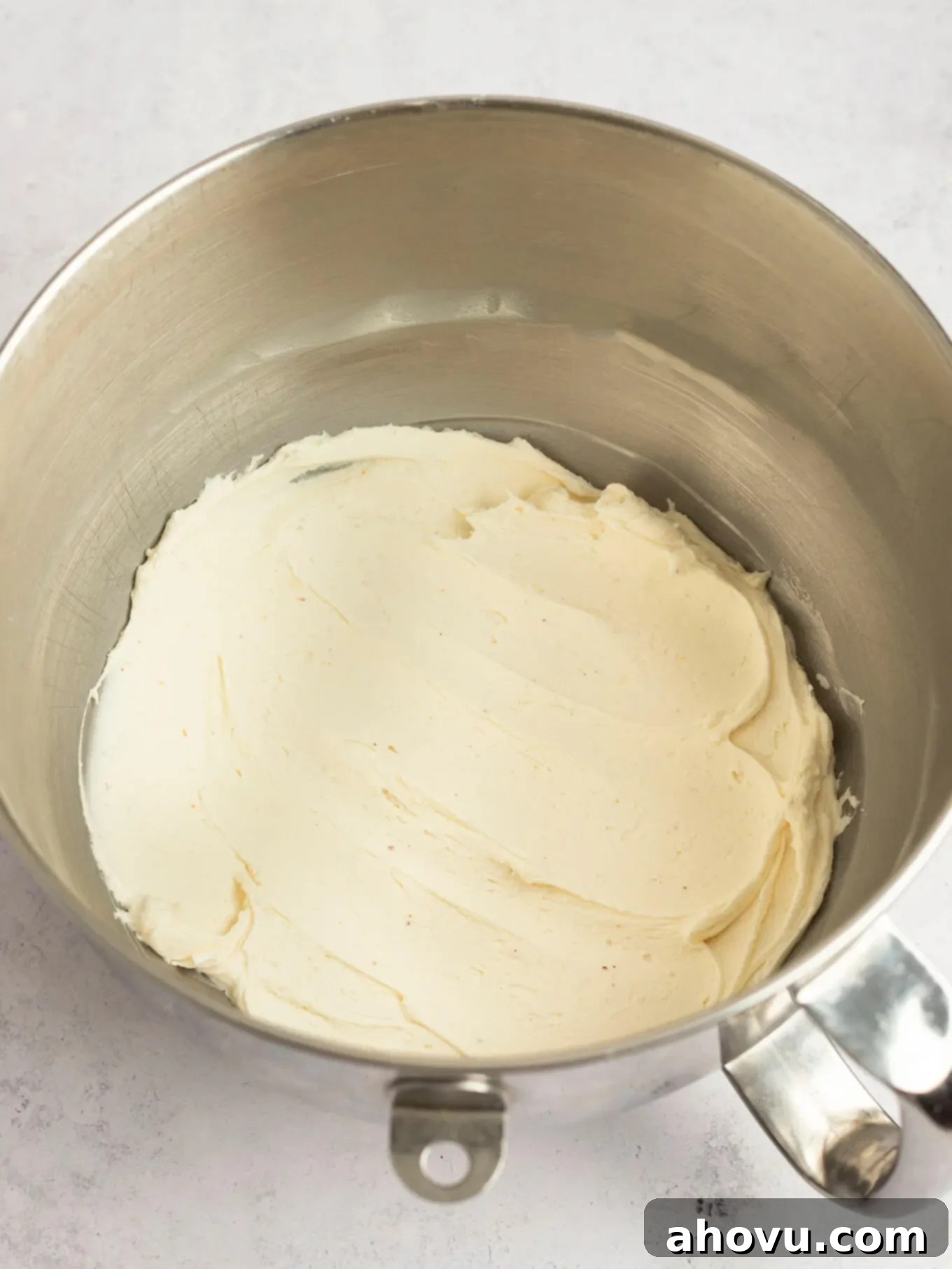
Finally, it’s time to achieve that perfect, pipeable consistency. Add the heavy cream (start with 2 tablespoons and add more if needed), pure vanilla extract, and the pinch of salt to the thick butter-sugar mixture. Begin mixing on low speed until all ingredients are just combined. Then, increase the speed to medium and beat for an additional 2-3 minutes until the frosting is light, fluffy, and smooth. This final mixing step incorporates more air, creating that desirable airy texture.
During this stage, if you find the frosting is too thick, gradually add more heavy cream, one teaspoon at a time, until it reaches your desired consistency. If it’s too thin, you can add a tablespoon or two more of powdered sugar until it stiffens up. Remember to pause the mixer occasionally and use a rubber spatula to thoroughly scrape down the sides and around the bottom of the mixing bowl. This ensures that all ingredients are fully incorporated and prevents any unmixed streaks, guaranteeing a consistently smooth and creamy frosting.
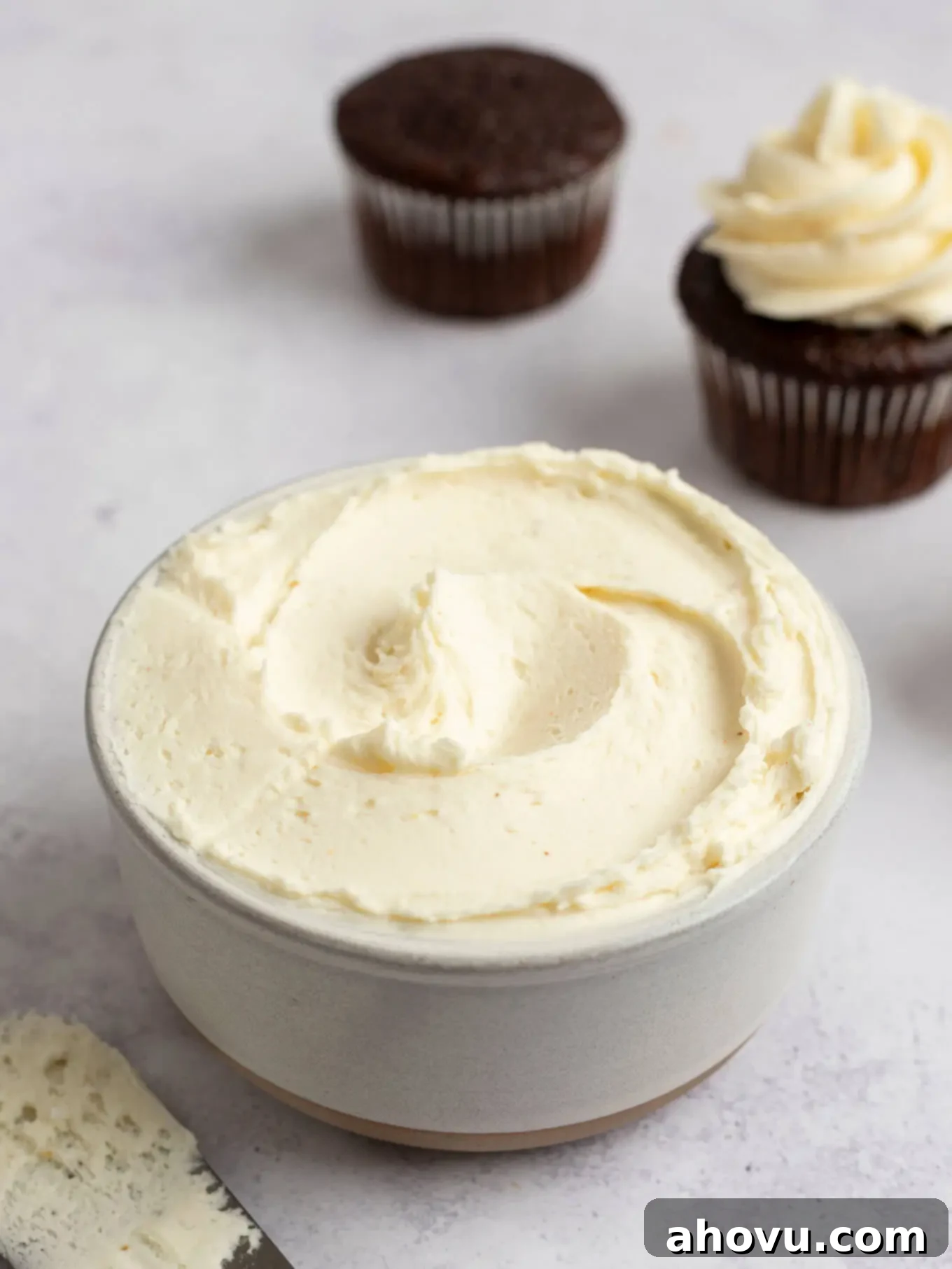
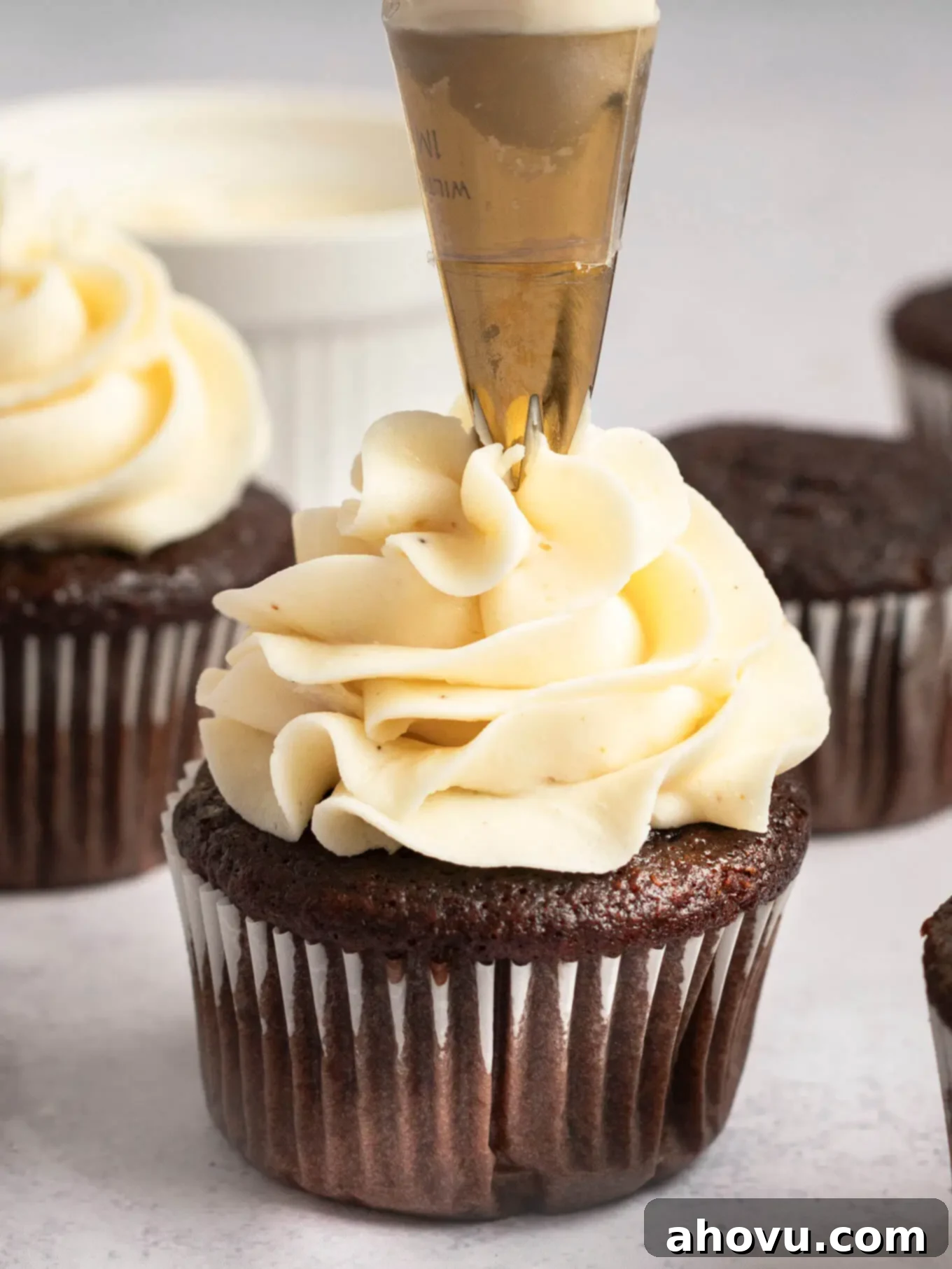
And there you have it: smooth, creamy, nutty perfection! This full recipe yields enough frosting to generously adorn 12 to 14 standard-sized cupcakes or a single 9×13 inch sheet cake. If you’re planning to frost a magnificent layered cake, I highly recommend increasing the recipe by half or even doubling it to ensure you have plenty of that luscious brown butter goodness for every tier.
Tips for Perfect Brown Butter Frosting Every Time
Achieving consistently perfect brown butter frosting is easier with a few expert tips:
- Use a Light-Colored Pan: As mentioned, a light-colored skillet is crucial for browning butter. It allows you to clearly see the color development of the milk solids, preventing them from burning.
- Watch Closely & Stir Constantly: Browning butter goes from perfect to burnt very quickly. Stay by the stove, stir continuously, and trust your nose – that nutty aroma is your best indicator.
- Cool the Browned Butter Properly: Ensure the browned butter solidifies but remains soft enough to cream with the regular butter. If it’s too hard, it won’t incorporate smoothly; if it’s too liquid, your frosting will be thin.
- Room Temperature Ingredients: Both sticks of butter (browned and un-browned) and the heavy cream should be at room temperature for the best emulsion and creamiest texture.
- Sift Powdered Sugar: This is a simple step that makes a huge difference in achieving a lump-free, silky-smooth frosting. Don’t skip it if your sugar is lumpy.
- Adjust Liquid Gradually: Start with the smaller amount of heavy cream recommended and add more slowly, by the teaspoon, until you reach your desired consistency. It’s much easier to add more liquid than to fix an overly thin frosting.
- Scrape the Bowl: Regularly stop your mixer and scrape down the sides and bottom of the bowl with a rubber spatula. This ensures all ingredients are thoroughly combined and prevents streaks of unmixed butter or sugar.
- Don’t Overmix the Final Frosting: Once the heavy cream and flavorings are added, mix until just combined and fluffy. Overmixing can incorporate too much air, making the frosting unstable.
Troubleshooting Common Frosting Problems
Even seasoned bakers encounter hiccups. Here are solutions to common brown butter frosting issues:
- Frosting is Too Thin: This usually means too much liquid was added. You can try adding 1-2 tablespoons more sifted powdered sugar. Alternatively, place the entire bowl of frosting in the refrigerator for 15-20 minutes to firm up slightly, then beat again. The colder butter will help it thicken.
- Frosting is Too Thick/Stiff: This is an easy fix! Add heavy cream, 1 teaspoon at a time, beating well after each addition until it reaches your desired consistency.
- Frosting is Gritty: This is almost always due to unsifted powdered sugar or insufficient mixing time. Ensure your powdered sugar is sifted, and beat the frosting for the recommended time (or a little longer) to allow the sugar to dissolve completely.
- Frosting is Greasy or Separated: This can happen if ingredients aren’t at the right temperature. If it looks separated, try adding 1-2 tablespoons of cold heavy cream and beating on medium-high speed for a minute. Sometimes, a shock of cold liquid can bring it back together.
- Butter Burned During Browning: If your butter solids turn black and smell acrid, unfortunately, there’s no saving it. The bitter taste will permeate the entire frosting. It’s best to discard it and start fresh with new butter.
Different Ways To Use This Versatile Frosting
The delightful toasted and nutty notes of this brown butter frosting make it incredibly versatile, pairing beautifully with a wide array of different desserts. Its rich flavor profile can elevate simple cakes and cupcakes to gourmet status. Here are just a few inspired recipe ideas that you can try it on:
- Classic Chocolate Cake: The nutty warmth of brown butter is an exquisite counterpoint to the deep richness of chocolate.
- Spiced Gingerbread Cupcakes: The caramel notes in brown butter frosting perfectly complement the cozy spices of gingerbread, creating a truly comforting treat.
- Elegant Vanilla Cake: Elevate a simple vanilla cake with this frosting for an added layer of sophisticated flavor that’s unexpectedly delightful.
- Fruity Banana Cupcakes: The brown butter flavor enhances the natural sweetness and earthiness of bananas beautifully, creating a harmonious pairing.
- Moist Carrot Cake: Move beyond traditional cream cheese frosting; the brown butter frosting’s nutty undertones are a match made in heaven for the spiced, moist carrot cake.
- Spice Cakes: Any cake with warm spices like cinnamon, nutmeg, or allspice will be wonderfully enhanced by this frosting.
- Pumpkin Desserts: From pumpkin bread to pumpkin cupcakes, the fall-inspired flavors marry perfectly with brown butter.
- Oatmeal Cream Pies: Use it as a filling for homemade oatmeal cream pies for an elevated classic.

Brown Butter Frosting
Pin Recipe
SaveSaved!
Leave a Review
Ingredients
- 1 cup unsalted butter divided (230 grams; 2 sticks, ensuring half is browned and cooled, and the other half is softened to room temperature)
- 3 cups powdered sugar (360 grams; sifted if lumpy, for the smoothest frosting)
- 2 to 3 tablespoons heavy cream (30 to 45 ml; adjust to achieve desired consistency, or use half and half/milk as a substitute if needed)
- 1 teaspoon pure vanilla extract (for enhanced flavor, avoid imitation vanilla)
- Tiny pinch of salt (to balance sweetness and enhance brown butter flavor)
Instructions
-
Begin by slicing ½ cup (115 grams, or one stick) of the unsalted butter into tablespoon-sized pieces. Place these pieces into a light-colored skillet or saucepan. The light color allows you to easily monitor the butter’s browning process.
-
Place the skillet over medium-low heat. Allow the butter to completely melt, stirring occasionally to ensure even melting.
-
Continue cooking, stirring the butter frequently with a rubber spatula. Once the butter is fully melted, it will begin to bubble vigorously, then subside into a gentle foam. After the foam subsides, small milk solids will start to separate and sink to the bottom of the pan. These bits will quickly change from a light golden color to a rich, toasty brown. Once you observe these brown bits and your kitchen fills with a distinct nutty aroma (similar to toasted hazelnuts), your brown butter is ready. Be vigilant, as it can burn quickly! If you wish to speed up the browning, you may increase the heat slightly to medium, but watch it even more closely.
-
Immediately remove the skillet from the heat. Carefully pour the browned butter into a separate heat-proof dish or bowl. Crucially, make sure to scrape out all of the delicious browned bits from the bottom of the pan – these are where all the rich, nutty flavor resides!
-
Transfer the dish with the browned butter to the refrigerator, leaving it uncovered. Allow it to solidify until it reaches a soft, spreadable consistency, similar to room temperature butter, but not rock-hard. If it becomes too cold and firm, simply let it sit on your counter to warm up slightly. Meanwhile, place the remaining stick of unsalted butter (½ cup) on your counter to soften to room temperature during this time. Both butters need to be at a similar softened consistency before mixing.
-
Once both the cooled brown butter and the softened regular butter have reached room temperature, add them to the bowl of a stand mixer fitted with the paddle attachment (or a large mixing bowl if you are using a handheld electric mixer). Beat the butters together on medium speed for 2-3 minutes, until the mixture is visibly smooth, light, and thoroughly combined.
-
With the mixer on low speed, gradually add half of the powdered sugar. Mix until it is fully incorporated, then stop and scrape down the sides of the bowl. Add the remaining half of the powdered sugar and mix on low speed until combined. The mixture will be quite thick at this stage, which is perfectly normal.
-
Next, add the heavy whipping cream (start with 2 tablespoons and add more if needed), pure vanilla extract, and salt to the butter-sugar mixture. Beat on low-medium speed until all ingredients are fully combined and the frosting is light, fluffy, and smooth. Be sure to stop and scrape down the sides and bottom of the bowl as needed to ensure everything is thoroughly mixed and no streaks remain. Adjust consistency with more cream (for thinner) or powdered sugar (for thicker) if desired.
-
Your rich, creamy brown butter frosting is now ready to use! Generously frost your favorite cupcakes, cakes, cookies, or other delightful desserts.
Notes
Freezing Instructions: For longer storage, this frosting freezes exceptionally well. Place it in a freezer-safe, airtight container and freeze for up to 3 months. When ready to use, thaw it overnight in the refrigerator. Once thawed, allow it to reach room temperature and then re-whip it vigorously with an electric mixer until it regains its smooth, creamy texture. Add a tiny splash of heavy cream if needed to achieve desired consistency.