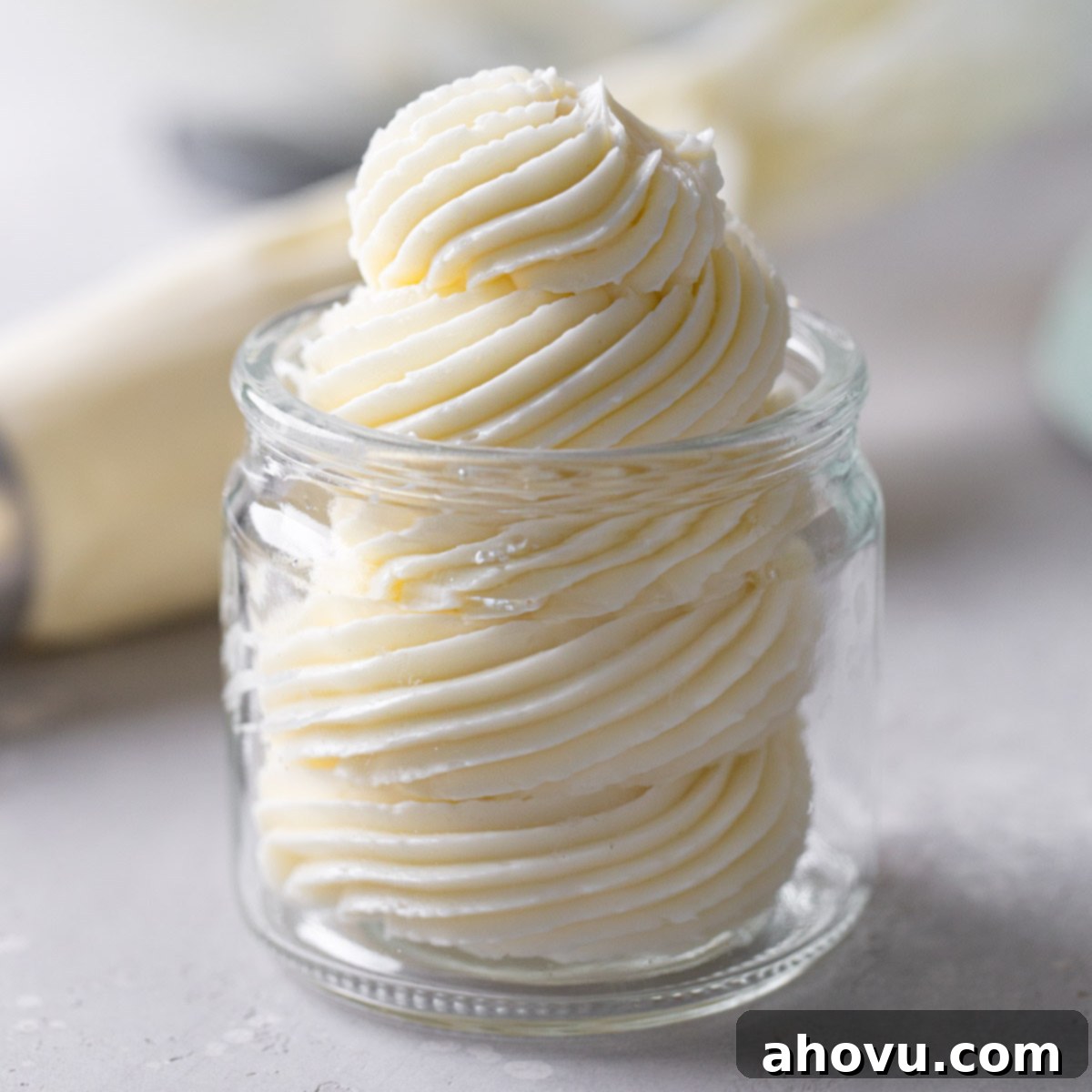
Mastering Swiss Meringue Buttercream: Your Guide to Silky Smooth & Less Sweet Frosting
Unlock the secrets to creating the most luxurious frosting with this comprehensive guide to Swiss Meringue Buttercream (SMBC). Known for its incredibly smooth, creamy texture and delightful balance of sweetness, SMBC stands apart from traditional American buttercream. It’s the perfect choice for elevating your cakes, cupcakes, cookie sandwiches, and a myriad of other desserts, providing a stable yet delicate finish that melts in your mouth.
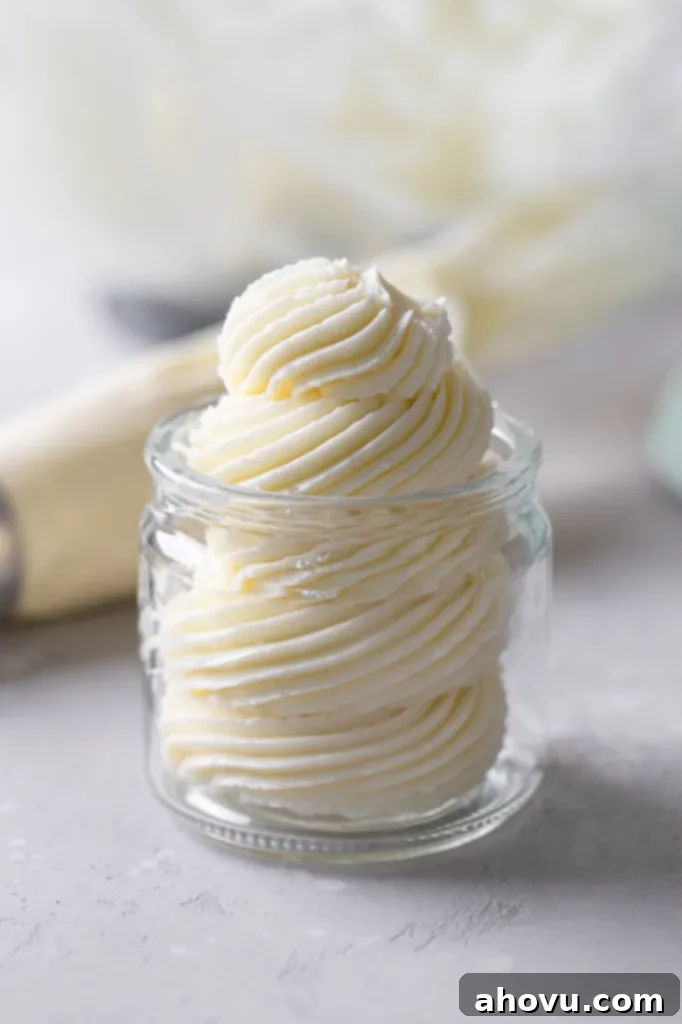
Diving into the world of buttercream reveals a fascinating array of techniques and results. While many home bakers are familiar with the rich and sweet American buttercream, the realm of meringue-based frostings offers a more refined and often preferred alternative for those seeking a less sugary experience. Beyond American buttercream, you’ll find exquisite variations like Italian meringue buttercream and French buttercream, each boasting its unique characteristics and culinary applications.
In this detailed article, we’ll embark on a culinary journey to master Swiss Meringue Buttercream from scratch. The Swiss method distinguishes itself by gently heating egg whites and granulated sugar over a double boiler, creating a stable, glossy meringue base. This foundational step is crucial for both safety and achieving the signature texture. Once whipped to stiff, voluminous peaks, softened butter and pure vanilla extract are carefully incorporated, transforming the meringue into an unbelievably smooth, stable, and remarkably less sweet frosting. The result is a sophisticated buttercream that not only performs beautifully but also delights the palate with its subtle sweetness and velvety mouthfeel.
Why Choose Swiss Meringue Buttercream?
While American buttercream holds a beloved spot in many kitchens for its simplicity, Swiss Meringue Buttercream offers distinct advantages that make it a favorite among professional bakers and discerning home cooks alike. Its elegant characteristics include:
- Unmatched Smoothness and Creaminess: Unlike American buttercream, which can sometimes have a slightly grainy texture due to powdered sugar, SMBC is exceptionally smooth and silky. This is thanks to the cooked meringue base and the way butter is emulsified into it, creating a truly luxurious consistency.
- Significantly Less Sweet: If you find American buttercream overly sweet, SMBC is your ideal alternative. The sugar in this recipe is primarily used to stabilize the egg whites, resulting in a frosting that allows other flavors (like vanilla or chocolate) to shine through without being overpowered by sugar.
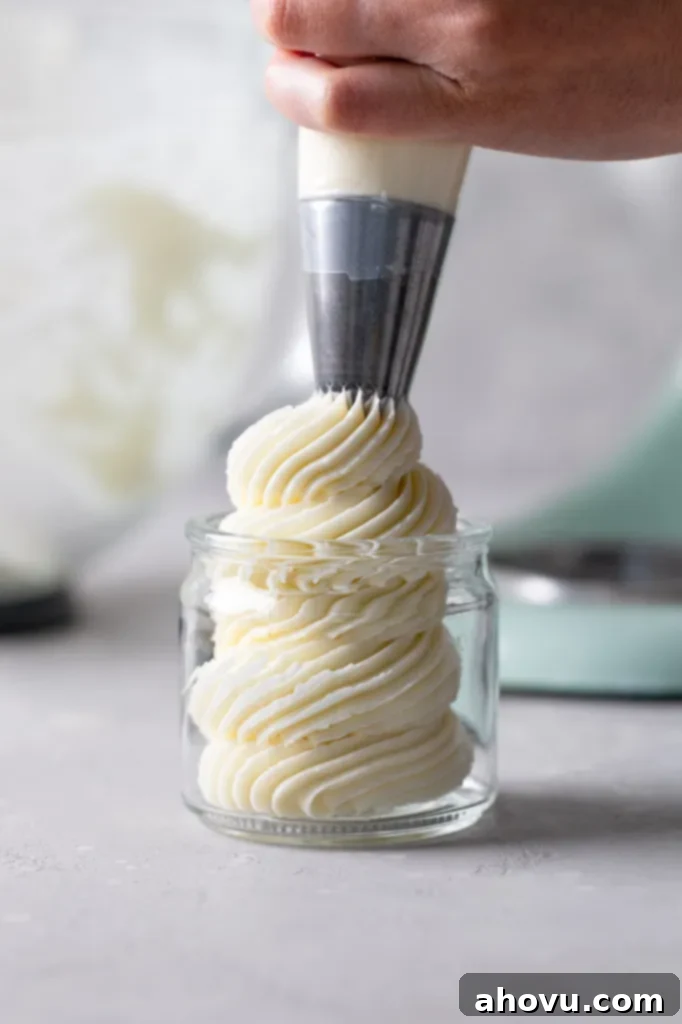
- Incredibly Stable: Swiss Meringue Buttercream is known for its remarkable stability. It holds up well in warmer temperatures compared to other buttercreams, making it excellent for outdoor events or cakes that need to sit out for a while. Its robust structure also makes it perfect for intricate piping work, holding sharp edges and delicate details beautifully.
- Versatile and Flavorful: Beyond vanilla, SMBC is a fantastic canvas for a myriad of flavors. You can easily infuse it with fruit purees, melted chocolate, coffee, liqueurs, and various extracts to create endless variations tailored to your specific dessert. Its neutral base embraces added flavors without conflict.
- Professional Finish: The smooth texture and excellent stability of SMBC lend themselves to a professional, polished finish on any baked good. Whether you’re aiming for perfectly smooth sides on a cake or elaborate floral designs, this buttercream delivers impeccable results every time.
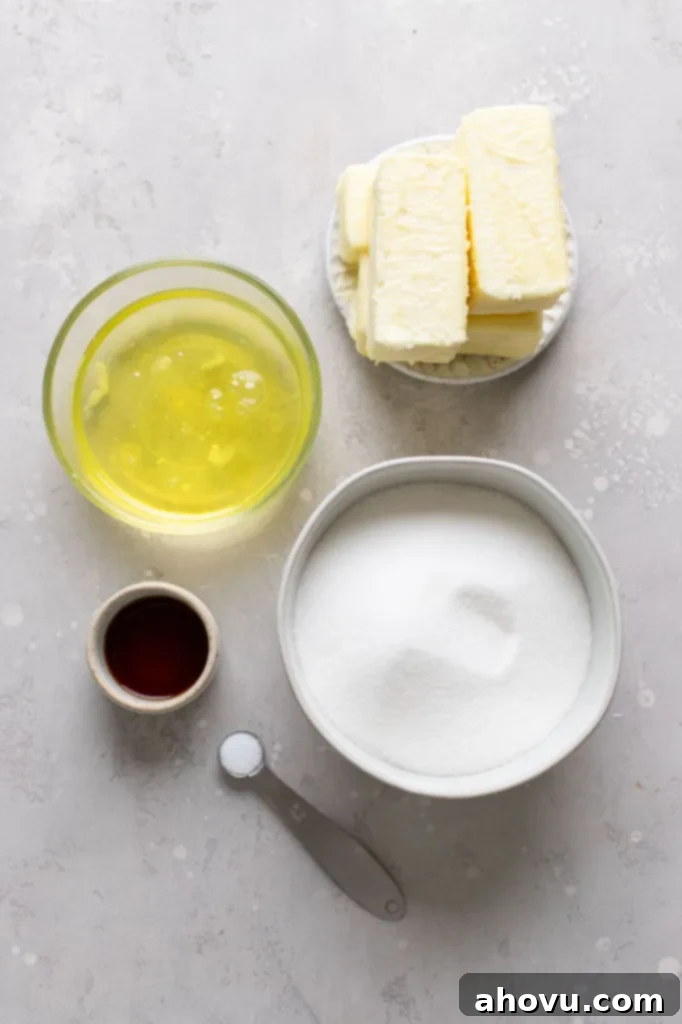
Essential Ingredients for Perfect Swiss Meringue Buttercream
Creating this exquisite buttercream relies on a handful of basic ingredients, but the secret lies in understanding their roles and ensuring they are prepared correctly. With the right technique, these simple components will combine to form the silkiest, most delicious frosting you’ve ever tasted.
- Egg Whites: The foundation of our meringue. It’s absolutely critical that no trace of egg yolk finds its way into your egg whites. Even a minuscule amount of fat from the yolk can prevent the egg whites from whipping up properly, leading to a runny meringue. For best results, use fresh, large eggs and separate them carefully. Room temperature egg whites are often recommended as they whip to a greater volume more quickly, though some chefs argue that cold whites separate cleaner.
- Granulated Sugar: This recipe specifically calls for granulated sugar. Its fine crystals dissolve beautifully into the egg whites as they heat, creating a smooth, stable meringue. Do not substitute with brown sugar, powdered sugar, or any other type, as their different compositions will fundamentally alter the texture and stability of the meringue. The sugar not only provides sweetness but also contributes to the meringue’s structure and gloss.
- Unsalted Butter: The richness and creaminess of Swiss Meringue Buttercream come largely from the butter. Using unsalted butter gives you complete control over the final salt content, allowing for a balanced flavor profile. The butter’s temperature is paramount: it should be at a cool room temperature. This means it’s pliable enough that you can easily press your finger into it, leaving an indentation, but it should still feel cool, not greasy or melted. If it’s too soft, your buttercream can become soupy; too firm, and it won’t emulsify properly.
- Salt: Because we use unsalted butter, a pinch of salt is essential. Salt plays a crucial role in balancing the overall flavor, cutting through the richness of the butter and enhancing the delicate sweetness of the meringue. It rounds out the flavors and prevents the frosting from tasting flat.
- Pure Vanilla Extract: For the most authentic and delicious flavor, I highly recommend using pure vanilla extract. Its warm, aromatic notes are classic and universally loved in buttercream. If you’re feeling adventurous, you can experiment with other flavorings like almond extract, coffee extract, citrus zests, or even a splash of your favorite liqueur to customize your buttercream.
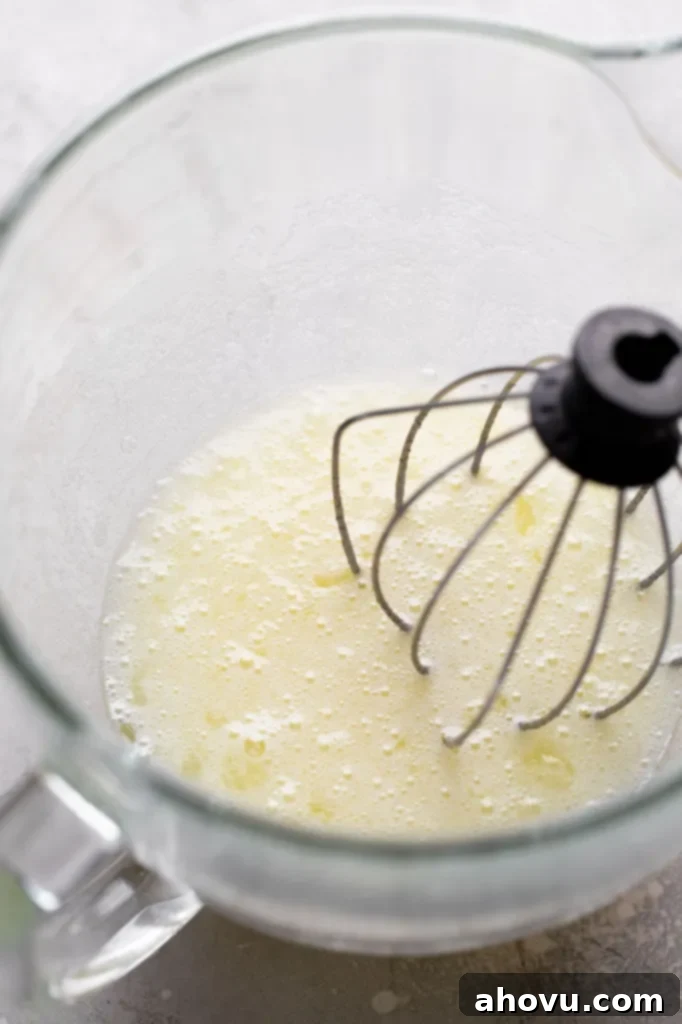
Step-by-Step Guide: How to Master Swiss Meringue Buttercream
The unique charm of Swiss Meringue Buttercream lies in its distinctive preparation method, specifically the initial heating and whipping of the egg whites before the butter is introduced. This process ensures food safety and creates an incredibly stable base for our luscious frosting. Follow these steps meticulously for perfect results:
1. Preparing the Meringue Base
Begin by combining your separated egg whites, granulated sugar, and salt in a large, heat-proof bowl. A sturdy glass or stainless steel bowl is ideal. You can also use the bowl of your stand mixer if it’s heat-proof, which can save you a transfer step later on. Whisk these ingredients together until they are well combined and the sugar starts to dissolve slightly.
Next, set up your double boiler. Fill a medium saucepan with a few inches of water and bring it to a gentle simmer. Crucially, when you place your bowl of egg white mixture over the simmering water, ensure that the bottom of the bowl does not touch the water. The steam, not direct heat, is what will gently cook the egg whites and dissolve the sugar.
Continuously whisk the egg white mixture over the simmering water. This constant motion prevents the egg whites from scrambling and ensures even heating. Continue whisking until the mixture registers 160°F (71°C) on a reliable digital thermometer. Reaching this temperature is vital for food safety, as it properly pasteurizes the egg whites. The time it takes to reach 160°F will vary depending on your stove and bowl size, so a thermometer is your best friend here – do not guess!
2. Whipping to Stiff Peaks
Once the egg white mixture reaches 160°F, immediately remove the bowl from the pot of simmering water. If you used a separate heat-proof bowl, transfer the hot meringue base to the bowl of your stand mixer. Fit the mixer with the whisk attachment.
Begin beating the mixture on medium-high speed. This is where the magic of meringue happens! The egg whites will gradually transform from a clear, liquid state into a voluminous, glossy, and incredibly stable meringue. Continue beating for a significant period, typically between 10 to 15 minutes, until the meringue forms stiff, glossy peaks. When you lift the whisk, the peaks should stand upright and hold their shape firmly without drooping. Don’t be tempted to cut this process short; achieving stiff peaks is fundamental to the stability of your buttercream.
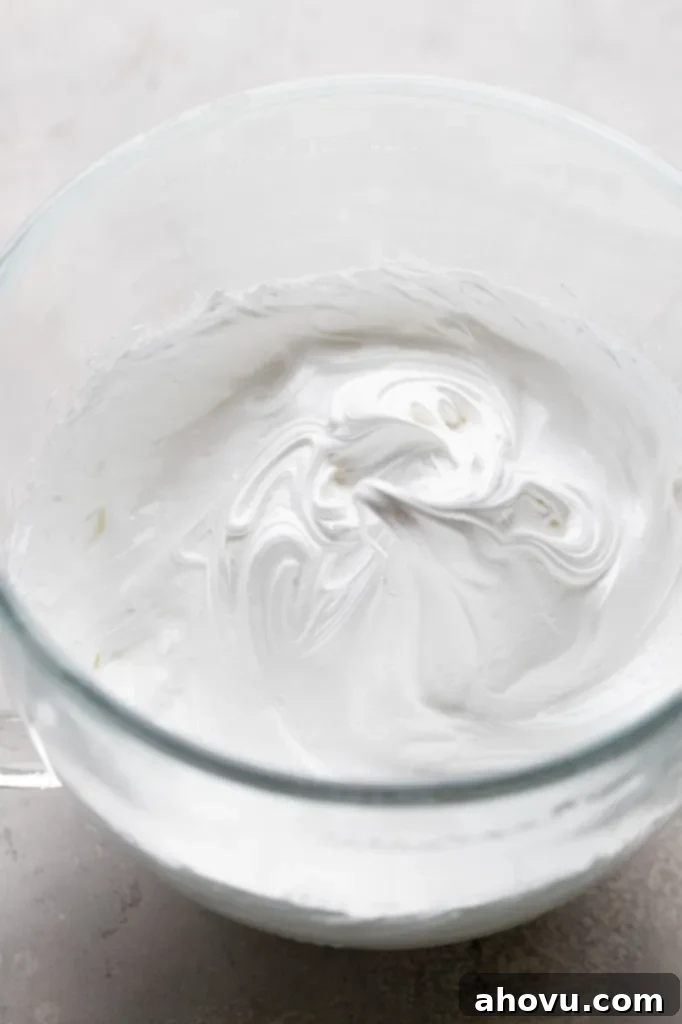
After the meringue has reached stiff peaks, carefully touch the outside of the mixing bowl. If it still feels warm to the touch, it’s essential to allow the meringue to cool down completely before proceeding. A warm meringue will melt your butter, resulting in a soupy, unstable frosting. To expedite cooling, you can place the bowl in the refrigerator for 10 to 15 minutes, or until the bowl feels cool to the touch. This step is non-negotiable for a successful buttercream.
3. Incorporating the Butter
Once your meringue is perfectly cool and has formed stiff, glossy peaks, return the bowl to your stand mixer. Now, switch from the whisk attachment to the paddle attachment. The paddle attachment is crucial for properly emulsifying the butter and achieving that signature smooth texture without incorporating too much air.
With the mixer running on medium-high speed, begin adding your cool room temperature unsalted butter, one tablespoon at a time. Be patient with this step. Allow each tablespoon of butter to be fully incorporated into the meringue before adding the next. Initially, the mixture might look a bit strange – it could appear curdled, lumpy, or even soupy. This is a normal stage in the process and often referred to as “the breaking point.” Do not panic or give up!
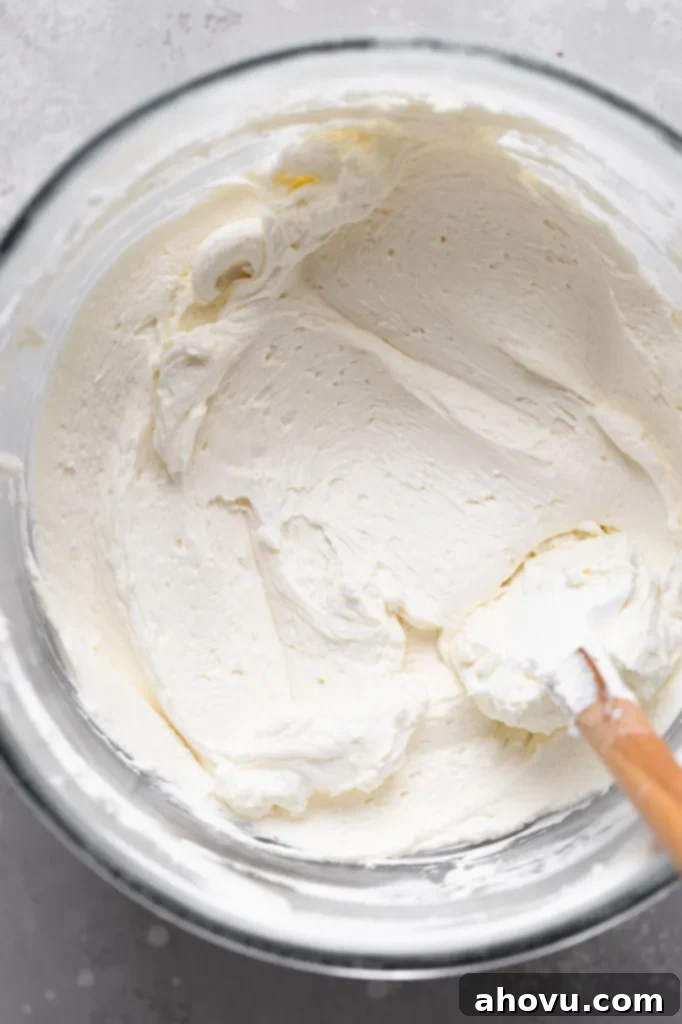
Continue mixing. As you add more butter and the mixture continues to beat, it will eventually come together, transforming into a smooth, thick, and creamy buttercream. This magical transformation can take several minutes, so let your mixer do its work. Keep mixing until the frosting achieves that luscious consistency.
4. Adding Flavor and Achieving a Silky Finish
Once all the butter has been added and your buttercream is smooth and creamy, stop the mixer. Use a rubber spatula to scrape down the sides and bottom of the bowl, ensuring everything is thoroughly combined. Add your pure vanilla extract (or any other desired flavorings) and mix on medium speed for another 20 to 30 seconds, just until the flavor is fully incorporated.
For an extra-smooth, air-bubble-free finish, there’s an optional but highly recommended final step. Reduce your mixer speed to the lowest setting and continue beating the buttercream for an additional 5 to 7 minutes. This slow mixing helps to work out any trapped air bubbles, resulting in an incredibly silky, professional-looking frosting. Afterwards, you can use your rubber spatula to gently stir and press out any remaining tiny air pockets. This extra effort is what truly sets apart homemade Swiss Meringue Buttercream from the rest.
Troubleshooting Common Swiss Meringue Buttercream Issues
Even experienced bakers can encounter hiccups when making Swiss Meringue Buttercream. Don’t fret if your frosting isn’t perfect on the first try! Most issues are easily fixable. Here are some common problems and their solutions:
- If your egg whites won’t whip to stiff peaks: This is almost always due to fat contamination. Even a tiny speck of egg yolk or grease on your bowl or whisk can prevent the egg whites from aerating properly. Unfortunately, if this happens, you’ll likely need to start over with fresh egg whites and ensure all your equipment is impeccably clean and grease-free. Using metal or glass bowls is often preferred over plastic, as plastic can sometimes retain greasy residues.
- If the frosting is too runny and is not coming together: This usually means either your meringue was still too warm when the butter was added, causing the butter to melt, or your butter was too soft to begin with. The mixture might look soupy or like a broken emulsion. The fix? Refrigerate the entire bowl for 10 to 15 minutes, or until the mixture is noticeably cooler and slightly firmer. Then, return it to the mixer and beat again on medium-high speed. The cooling and re-beating should help the butter re-emulsify and firm up the frosting.
- If the frosting looks curdled, lumpy, or broken after mixing it together: This is another common occurrence, especially after adding the butter. It often indicates that the butter was too cold, or the meringue wasn’t quite warm enough to fully integrate with the butter’s fat. Don’t worry, it’s fixable! Place the bowl over a pot of simmering water (as you did for the meringue base) for just a minute or two, stirring constantly. You want only the edges of the frosting to start to soften or melt slightly – do not let it get too hot. Remove from the heat and return it to the mixer. Beat on medium-high speed, and it should come together into a smooth, creamy consistency.
- If the frosting is too stiff or hard after chilling: Sometimes, especially after refrigeration, your buttercream might become too firm to work with. Simply let it come back to a cool room temperature (this might take an hour or two). Once it’s softened slightly, re-whip it in your stand mixer with the paddle attachment on medium speed until it’s smooth and pliable again. If it’s still too stiff, you can add a tablespoon of milk or cream while re-whipping to achieve the desired consistency.
Swiss Meringue Buttercream: Your Questions Answered
Here are answers to some frequently asked questions about this fantastic frosting:
- Is This Buttercream Safe to Eat? Yes, absolutely! The critical step for food safety in Swiss Meringue Buttercream is heating the egg whites and sugar mixture over a double boiler until it reaches 160°F (71°C). This temperature effectively pasteurizes the egg whites, eliminating any potential risk. This is precisely why using a reliable digital thermometer is not just recommended, but essential for this recipe.
- Can This Be Frozen? Yes, Swiss Meringue Buttercream freezes beautifully! You can store it in an airtight freezer bag or container for up to three months. When you’re ready to use it, transfer it to the refrigerator to thaw overnight. Once thawed, let it come to room temperature, then give it a thorough re-whip with an electric mixer (using the paddle attachment is best) until it’s smooth and fluffy again before piping or frosting your desserts.
- How Long Does SMB Last at Room Temperature? Due to its high butter content, Swiss Meringue Buttercream is quite stable. It can safely sit at a cool room temperature (around 68-72°F / 20-22°C) for up to 2 days, especially when covering a cake. For longer storage, or if your environment is warmer, it’s best to refrigerate it.
- Can I Add Other Flavors or Colors? Absolutely! Swiss Meringue Buttercream is a fantastic base for customization. Once your buttercream is fully made and smooth, you can incorporate gel food coloring for vibrant hues. For flavors, consider adding melted and cooled chocolate, fruit purees (ensure they are reduced and cooled to prevent adding too much liquid), coffee extract, a dash of liqueur, or other extracts like almond or peppermint. Add these in small increments and mix until fully combined, tasting as you go.
Creative Ways to Use This Versatile Frosting
The silky smooth texture, balanced sweetness, and excellent stability of Swiss Meringue Buttercream make it incredibly versatile for almost any dessert application. Here are just a few ideas to get you started:
- Vanilla Cupcakes: Pipe generous swirls of SMBC onto vanilla cupcakes for an elegant, bakery-style finish that perfectly complements the cake’s delicate flavor.
- Chocolate Chip Cookie Cake: Spread this smooth buttercream over a giant chocolate chip cookie cake for a celebration-worthy treat that’s both fun and sophisticated.
- Classic Vanilla Cake: Use it to fill and frost a classic vanilla layer cake, ensuring perfectly smooth sides and sharp edges for a truly show-stopping dessert.
- Carrot Cake Sandwich Cookies: Sandwich two soft carrot cake cookies with a dollop of this creamy buttercream for an elevated take on a beloved classic.
- Decorating Cookies: Its pipeable consistency is fantastic for creating intricate designs on sugar cookies or other cut-out cookies, offering a more refined taste than royal icing.
- Filling Macarons: The smooth texture and less sweet profile make it an ideal filling for delicate French macarons.
- Filling Doughnuts or Profiteroles: Inject this buttercream into homemade doughnuts or cream puffs for an indulgent treat.
More Homemade Frosting Recipes to Make!
If you’ve enjoyed mastering Swiss Meringue Buttercream, you might be interested in exploring other delightful frosting recipes to expand your baking repertoire:
- Chocolate Buttercream Frosting
- Classic American Buttercream Frosting
- Raspberry Buttercream Frosting
- Cream Cheese Frosting
- Peanut Butter Frosting
Video Tutorial
Swiss Meringue Buttercream
Pin Recipe
SaveSaved!
Leave a Review
Ingredients
- 6 large egg whites (approx. 198 grams, ensure no yolks are present)
- 2 cups (400 grams) granulated sugar
- ¼ teaspoon salt
- 2 cups (4 sticks, or 1 pound) unsalted butter (softened to a cool room temperature, about 68-70°F or 20-21°C)
- 2 teaspoons pure vanilla extract
Instructions
-
In a large, heat-proof bowl (such as a glass or stainless steel bowl, or the bowl of your stand mixer if it’s heat-proof), combine the egg whites, granulated sugar, and salt. Whisk these ingredients together until they are thoroughly mixed.
-
Create a double boiler by placing the bowl over a pot of gently simmering water, ensuring that the bottom of the bowl does not touch the water. Continuously whisk the egg white mixture over the simmering water until it registers 160°F (71°C) on a digital thermometer. This step is crucial for both dissolving the sugar and pasteurizing the egg whites. Do not stop whisking to prevent the eggs from scrambling.
-
Immediately remove the bowl from the heat. If you used a separate bowl, transfer the mixture to the clean bowl of a stand mixer fitted with the whisk attachment. Beat the mixture on medium-high speed for 10 to 15 minutes, or until stiff, glossy peaks form and the meringue is completely cool to the touch. The meringue should be thick and hold its shape when the whisk is lifted. If the outside of the bowl is still warm after whipping, transfer the bowl to the refrigerator for 10 to 15 minutes to cool fully before proceeding.
-
Once the meringue is cool, switch from the whisk attachment to the paddle attachment. With the mixer running on medium-high speed, add the softened unsalted butter one tablespoon at a time. Allow each tablespoon of butter to be fully incorporated into the mixture before adding the next. The mixture may look curdled or soupy initially; this is normal. Continue mixing until the frosting transforms into a thick, smooth, and creamy consistency. This can take several minutes.
-
Stop the mixer and scrape down the sides and bottom of the bowl with a rubber spatula. Add the pure vanilla extract and continue mixing on medium speed for an additional 20 to 30 seconds until the vanilla is fully combined and evenly distributed.
-
(Optional, but recommended for extra smoothness) Adjust the mixer to the lowest speed and continue mixing for 5 to 7 minutes. This slow beating helps to remove any trapped air bubbles, resulting in an exceptionally smooth and silky buttercream. If necessary, use a rubber spatula to gently stir and press out any remaining air bubbles.
Notes
Freezing Instructions: For longer storage, this buttercream freezes exceptionally well. Place it in a large, heavy-duty freezer bag or an airtight freezer-safe container for up to 3 months. Thaw overnight in the refrigerator, bring to room temperature, and then re-whip thoroughly with an electric mixer before piping or frosting.