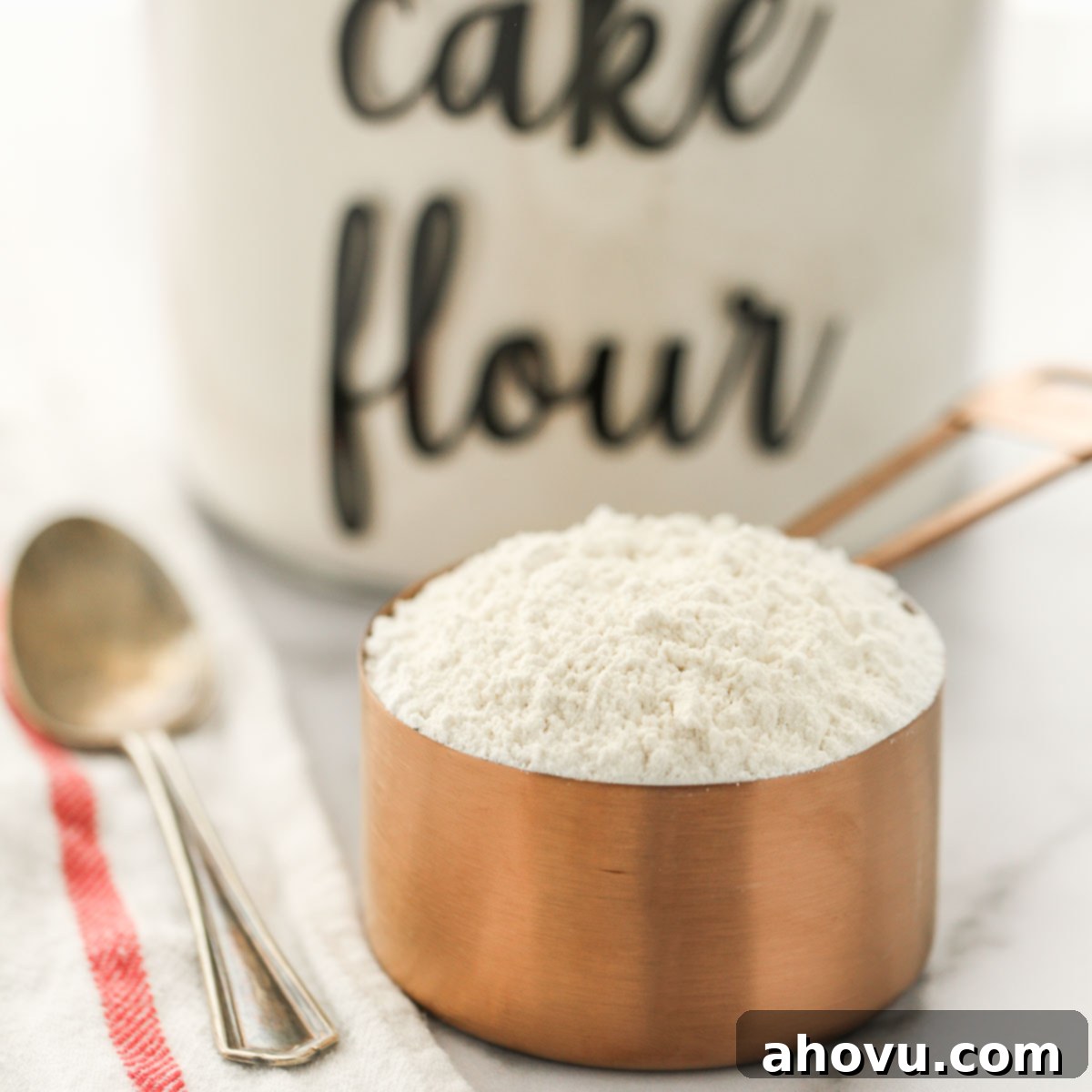
Homemade Cake Flour Substitute: Your Secret to Perfectly Tender Baked Goods
Ever found yourself in the middle of a baking frenzy, only to realize you’re missing a crucial ingredient like cake flour? It’s a common dilemma that can halt your culinary ambitions. But what if we told you there’s an incredibly simple, two-ingredient solution hiding in your pantry right now? Forget those last-minute dashes to the grocery store. This comprehensive guide will show you exactly how to create your own homemade cake flour substitute, ensuring your cakes, cupcakes, and other delicate baked goods achieve that desired light, airy, and incredibly tender texture every single time.
Baking is a science as much as an art, and understanding your ingredients is key to success. Just as a homemade buttermilk substitute can save a recipe, mastering DIY cake flour empowers you to bake with confidence and precision. This easy substitute is not only convenient but also remarkably effective, making it an invaluable trick for any home baker.
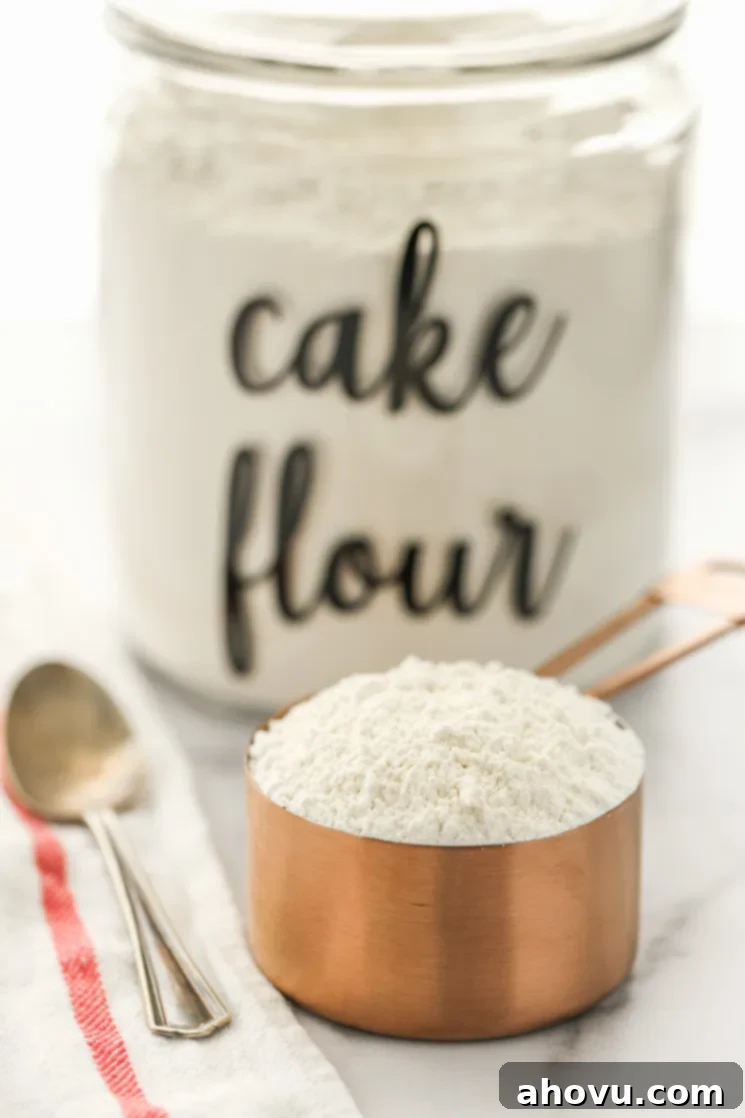
What is Cake Flour and Why Use It?
Before diving into the “how-to,” let’s demystify cake flour. Understanding its unique properties is crucial to appreciating why this simple substitute works so well.
Cake flour is a finely milled flour made from soft wheat. Its most distinguishing characteristic is its low protein content, typically ranging from 7-9%. In contrast, standard all-purpose flour, a staple in most kitchens, has a higher protein content of 10-12%, sometimes even up to 14%. This difference in protein is what sets them apart and dictates their ideal uses in baking.
The Science Behind the Softness: Gluten Development
The protein in flour is responsible for forming gluten when it comes into contact with liquid and is kneaded or mixed. Gluten provides structure and elasticity to baked goods. In recipes like bread, a high gluten content is desirable, resulting in a chewy, robust texture. However, for delicate items like cakes, muffins, and cupcakes, too much gluten can lead to a tough, dense, and crumbly result.
This is where cake flour shines. Its lower protein content means that when mixed, it forms less gluten. Less gluten equals a more tender, finer crumb, and a lighter, softer texture. It allows baked goods to rise higher and maintain a delicate structure that simply isn’t achievable with all-purpose flour alone.
When to Reach for Cake Flour
You’ll typically find cake flour called for in recipes where a light, tender, and airy texture is paramount. Think of classic layer cakes, delicate cupcakes, fluffy muffins, light sponges, or even some pastry recipes where a tender crumb is preferred. While all-purpose flour is versatile, for those truly sublime, melt-in-your-mouth results, cake flour is the professional baker’s choice – and now, it can be yours too!
Essential Ingredients for Homemade Cake Flour
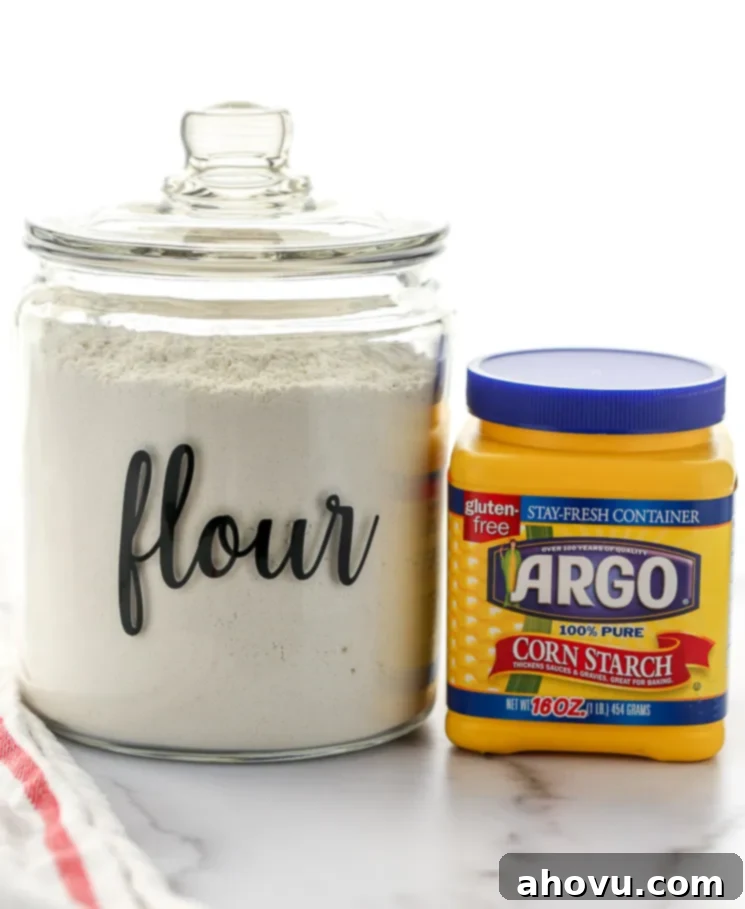
The beauty of this cake flour substitute recipe lies in its simplicity. You only need two pantry staples:
- All-Purpose Flour: This forms the base of our substitute. Most standard brands will work perfectly. For best results, many bakers prefer unbleached all-purpose flour.
- Cornstarch (or Cornflour): This is the secret ingredient that transforms regular flour into its delicate counterpart. If you’re outside of the US, you’ll likely see it labeled as “cornflour,” but rest assured, it’s the exact same ingredient.
This recipe is designed to yield approximately 1 cup of cake flour substitute. However, it’s easily scalable. Need more? Simply multiply the ingredients accordingly. For example, if your recipe calls for 2 cups of cake flour, you would double the quantities below.
How to Make Your Own Cake Flour at Home: Step-by-Step Instructions
Creating your homemade cake flour is a quick and straightforward process. Follow these steps for a perfect substitute every time:
Step 1: Precisely Measure All-Purpose Flour
Begin by measuring out exactly one cup of all-purpose flour. This step requires precision, and the method matters significantly for baking success. Always spoon your all-purpose flour into the measuring cup. Gently spoon the flour from your bag or container into the measuring cup until it overflows slightly. Then, use the back of a straight knife or a flat edge to level off the excess flour, ensuring a precise and accurate cup measurement.
Why is this important? Scooping flour directly from the container can compact it significantly, leading to up to 25% more flour than intended. This extra flour will result in a dry, dense, and heavy baked good, defeating the purpose of using cake flour. For even greater accuracy, especially if you have a kitchen scale, 1 cup of all-purpose flour typically weighs around 120-125 grams when measured correctly.
Step 2: Adjust Flour for Cornstarch
Once you have your precisely measured cup of all-purpose flour, remove two tablespoons of the flour. You can simply return this small amount to your flour bag or container. This step creates the necessary volume reduction to accommodate the cornstarch while maintaining the overall dry ingredient volume for your recipe.
Step 3: Introduce the Cornstarch
Next, replace the two tablespoons of removed flour with two tablespoons of cornstarch (or cornflour). This is the magical ingredient that will transform your all-purpose flour into a cake flour equivalent.
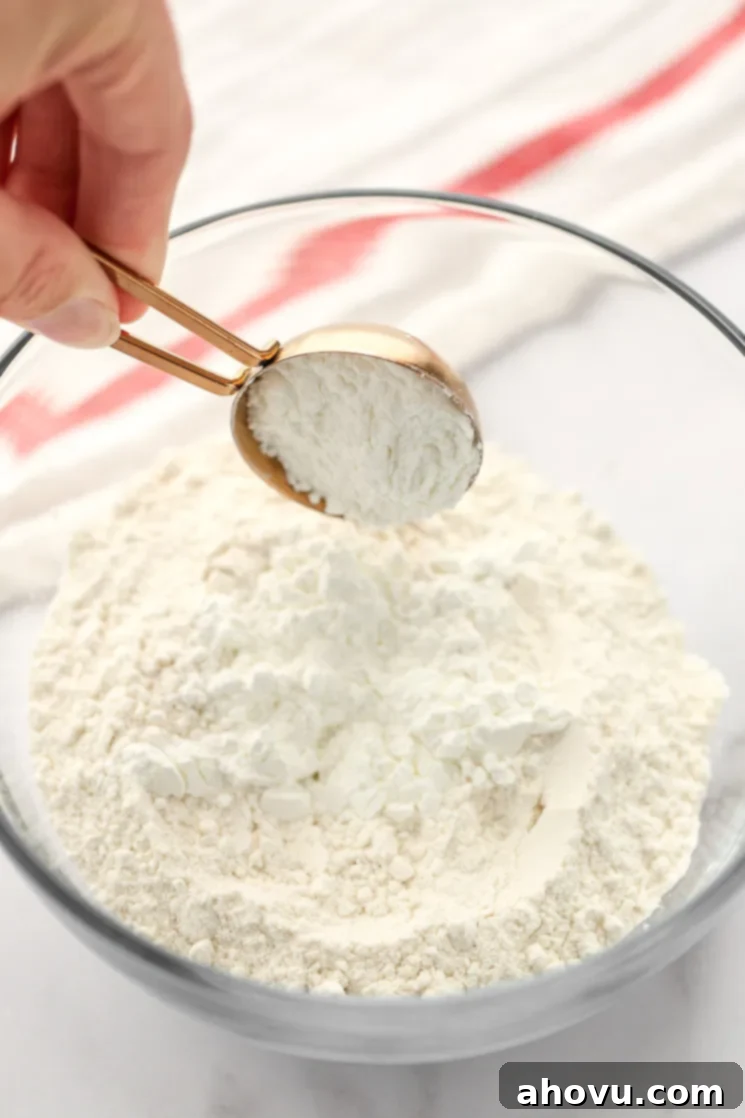
The Role of Cornstarch: Cornstarch is a pure starch with no protein. When combined with all-purpose flour, it effectively dilutes the flour’s protein content. This dilution inhibits some of the gluten formation during mixing, mimicking the lower protein characteristics of commercial cake flour. The result? A significantly softer, more tender, and lighter texture in your final baked goods.
Step 4: Whisk and Sift Thoroughly
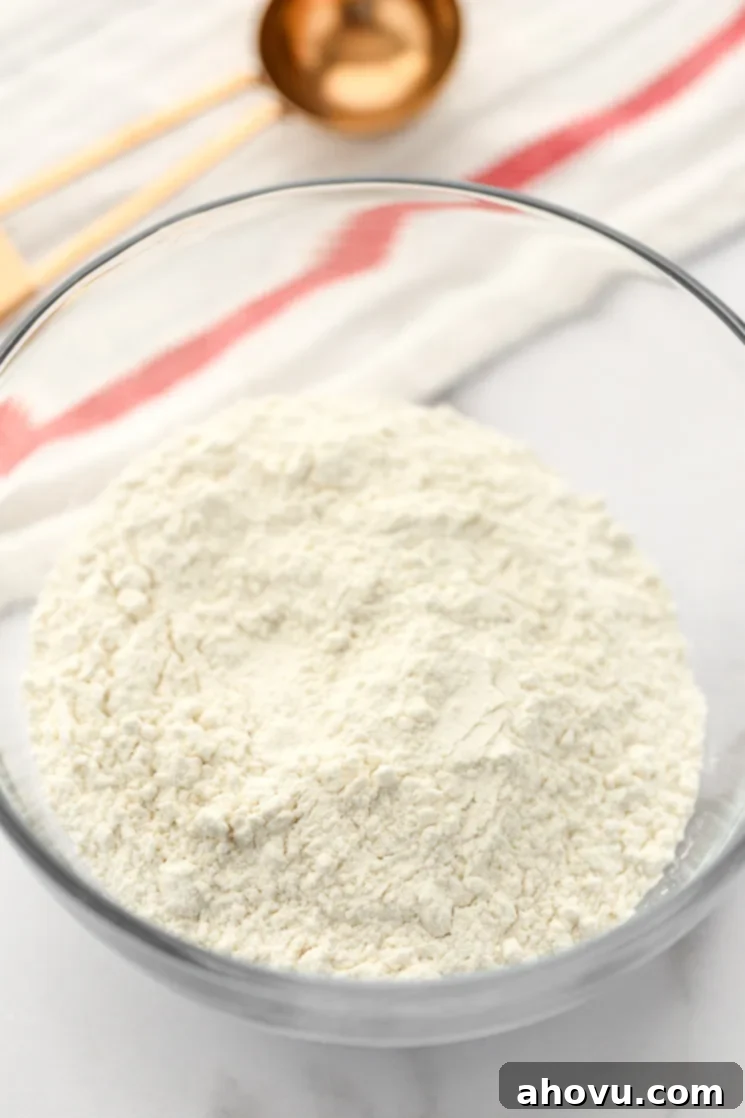
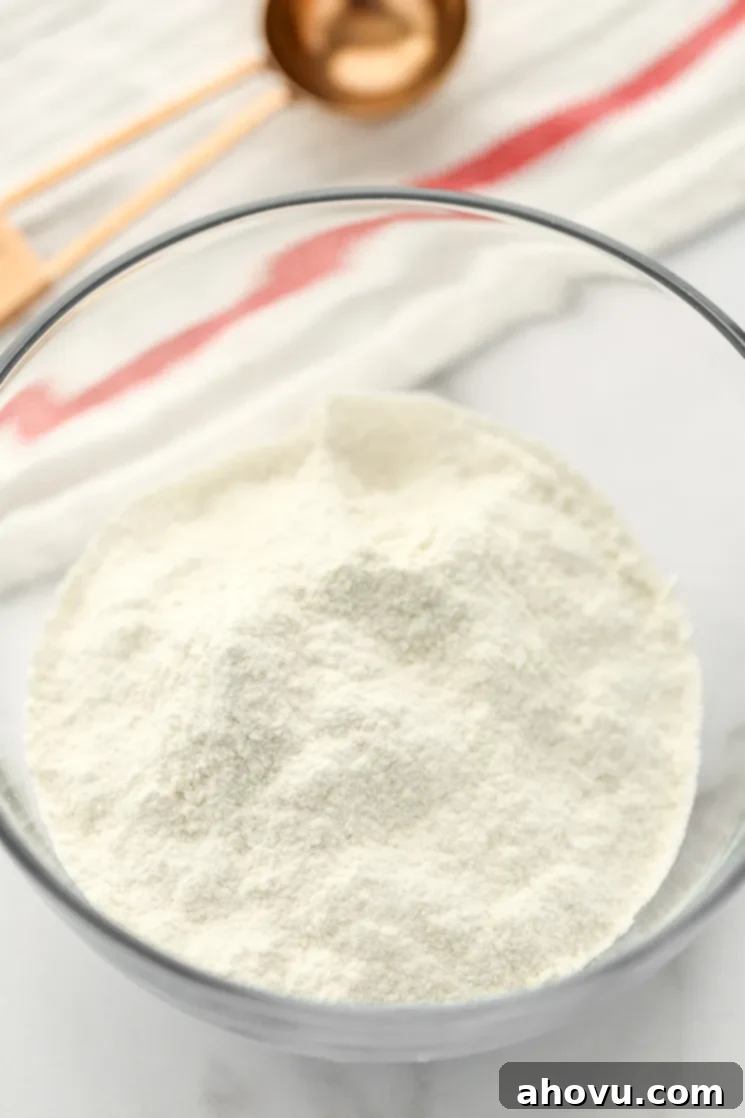
Once the cornstarch has been added, it’s crucial to combine the ingredients thoroughly. Whisk the all-purpose flour and cornstarch together in a bowl until they are completely integrated. But don’t stop there! For optimal results, sift the mixture together 4-5 times.
Why Sift Multiple Times? Sifting isn’t just about mixing; it’s about aeration. Each pass through the sifter introduces air into the mixture, making the flour lighter and finer. This process also ensures that the cornstarch is perfectly distributed throughout the flour, preventing any pockets of pure cornstarch that could lead to an uneven texture. If you don’t have a sifter, you can whisk the mixture vigorously for a good 2-3 minutes to achieve a similar aeration and blend, though a sifter is highly recommended for the best results.
Step 5: Measure for Your Recipe
After your homemade cake flour has been thoroughly sifted and aerated, you’re ready to use it. When your recipe calls for cake flour, measure out the required amount from your freshly made batch. Just like in Step 1, remember to spoon the sifted homemade cake flour into your measuring cup and level it off with the back of a knife for accurate measurement.
How to Substitute Homemade Cake Flour for Other Flours
Now that you know how to make your own, let’s talk about how to use it in your baking.
- When a recipe calls for Cake Flour: Use your homemade cake flour as a direct 1:1 substitute. If the recipe requires 2 cups of cake flour, simply make two batches of this substitute (or scale up the recipe) and use the full 2 cups.
- When a recipe calls for All-Purpose Flour, but you want a lighter texture: If you’re adapting a recipe that originally calls for all-purpose flour but you desire the tender, airy crumb that cake flour provides (e.g., for a particularly delicate cake), you can substitute. The general rule of thumb is to use 1 cup + 2 tablespoons of homemade cake flour in place of every 1 cup of all-purpose flour. This slightly increased volume accounts for the lighter nature of the cake flour substitute, ensuring your recipe’s liquid-to-dry ingredient ratio remains balanced for optimal results.
Can I Prepare a Large Batch in Advance?
Absolutely! One of the great advantages of this DIY cake flour method is that you can multiply the recipe as needed to create a larger batch. This is perfect for frequent bakers or if you know you’ll be tackling several recipes that require cake flour in the near future.
To store your homemade cake flour, simply transfer it to an airtight container. Keep it in a cool, dry pantry, just as you would with regular flour. Stored properly, it will maintain its efficacy for as long as your original all-purpose flour would typically last, making it a convenient pantry staple you can reach for whenever inspiration strikes.
Expert Tips for Success
- Accurate Measuring is Key: We’ve stressed this before, but it bears repeating. Incorrect flour measurement (especially scooping instead of spooning and leveling) is one of the most common baking mistakes and can significantly impact your results.
- Don’t Skimp on Sifting: The multiple siftings are not just for mixing; they’re vital for aerating the flour and ensuring a truly light, tender crumb. This step is a non-negotiable for achieving the desired cake flour texture.
- Quality Ingredients: While this recipe is forgiving, using fresh, good-quality all-purpose flour and cornstarch will always yield the best results.
- Consider a Kitchen Scale: For ultimate precision, especially when baking delicate items, a kitchen scale is a fantastic investment. Weighing your flour and cornstarch (110g AP flour, 15g cornstarch for the equivalent of 1 cup cake flour substitute) ensures perfect consistency every time.
Delicious Ways to Utilize Your Homemade Cake Flour
Now that you have your secret weapon, here are some fantastic recipes where your homemade cake flour substitute will truly shine, elevating them to new levels of tenderness and flavor:
- Red Velvet Cake: Achieve that iconic soft, moist crumb.
- White Cake: Essential for a pure, tender, and delicate cake base.
- Red Velvet Cupcakes: For cupcakes that are light and airy, not dense.
- Angel Food Cake: Crucial for its ethereal, cloud-like texture.
- Rum Cake: Ensures a tender, flavorful cake that soaks up all that delicious rum.
- Delicate Muffins: For a lighter breakfast treat.
- Sugar Cookies: Create a melt-in-your-mouth texture for your favorite cookie cutouts.
- Pancakes & Waffles: For an exceptionally fluffy breakfast.
Homemade Cake Flour
Pin Recipe
SaveSaved!
Leave a Review
Ingredients
- 3/4 cup + 2 tablespoons (110 grams) all-purpose flour (spooned & leveled)
- 2 tablespoons (15 grams) cornstarch (or cornflour)
Instructions
-
To make 1 cup of cake flour substitute: Start by accurately spooning and leveling 1 cup of all-purpose flour into a measuring cup. Remove 2 tablespoons of this flour and return it to your flour container. Then, add 2 tablespoons of cornstarch to the remaining flour in the measuring cup.
-
Transfer the flour and cornstarch mixture to a mixing bowl. Whisk thoroughly until well combined. For best results and aeration, sift the mixture together 4-5 times.
-
Finally, measure out the amount of homemade cake flour called for in your recipe by spooning it into a measuring cup and leveling it off with the back of a knife.
Notes
Always make sure to measure the flour needed in your recipe after sifting it.
Conclusion
No longer will a recipe calling for cake flour send you scrambling! With this simple, two-ingredient method, you have the power to create the perfect cake flour substitute right in your own kitchen. This DIY approach not only saves you a trip to the store but also offers a cost-effective way to achieve professional-quality results in all your baking endeavors.
Embrace the tender crumb, the higher rise, and the delightful texture that homemade cake flour brings to your creations. Give this easy substitute a try for your next baking project, and prepare to be amazed by the difference it makes. Happy baking!