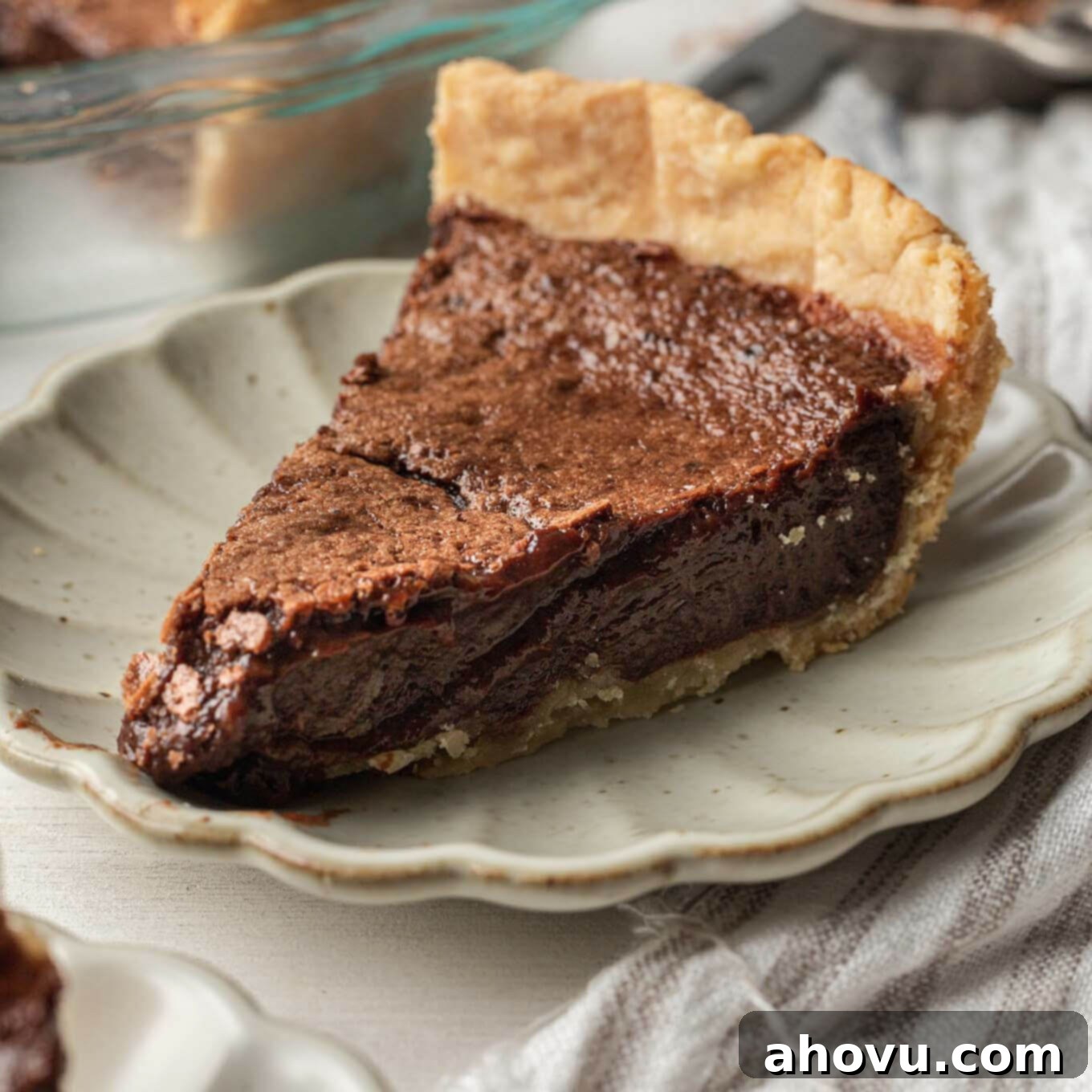
Decadent Homemade Chocolate Chess Pie: A Classic Southern Dessert
Indulge in the rich, comforting flavors of the South with this incredible homemade chocolate chess pie recipe. Imagine a perfectly buttery, flaky pie crust cradling a luscious, gooey chocolate filling that’s reminiscent of a rich, fudgy brownie. This classic Southern dessert is more than just a pie; it’s a beloved tradition, a staple for any family gathering, holiday party, or simply a sweet treat to brighten your day. Its irresistible charm lies in its simplicity and profound chocolatey depth, making it a must-have for any chocolate lover seeking an authentic taste of Southern comfort.
What Is Chocolate Chess Pie? Understanding This Southern Sweetheart
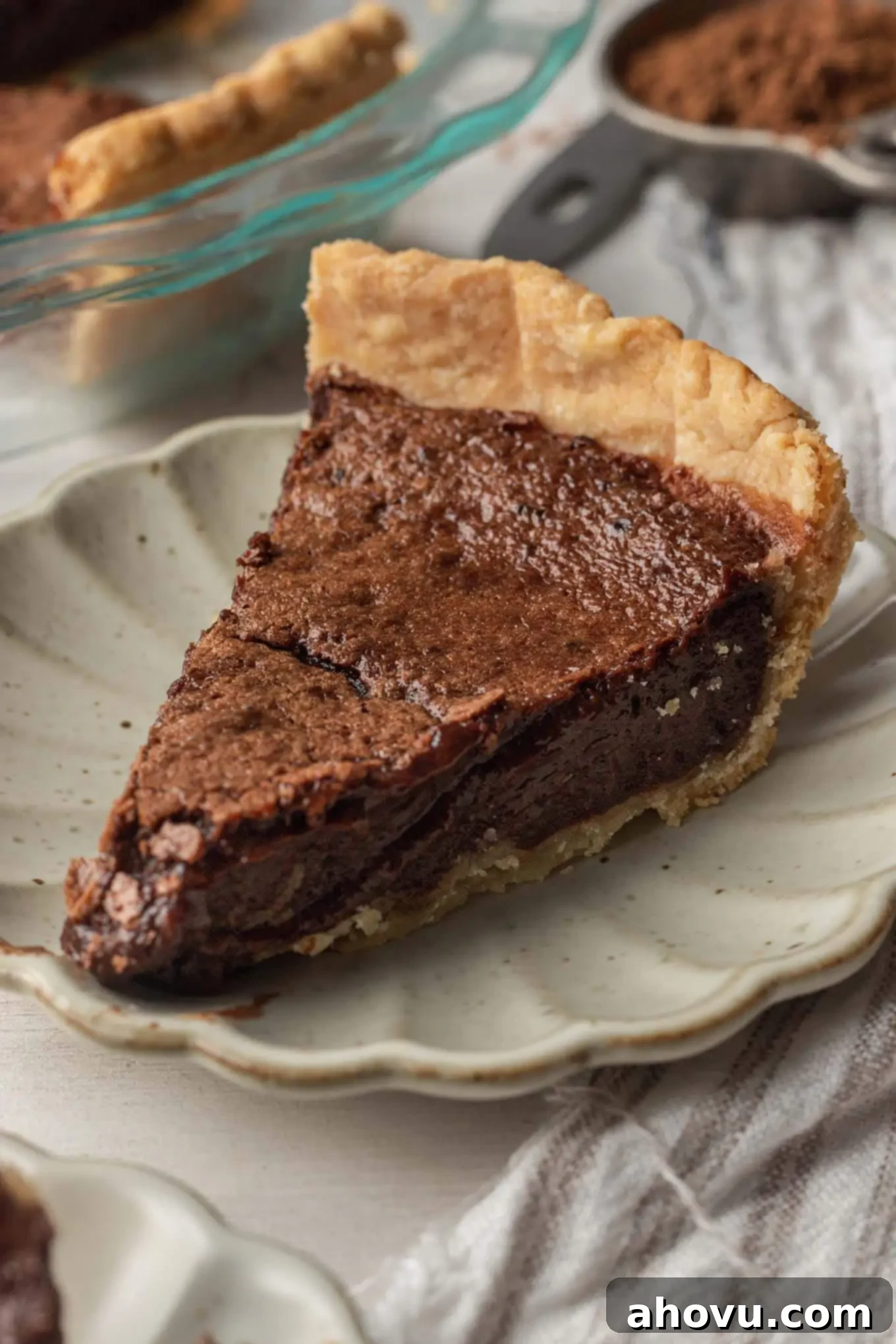
Chocolate chess pie is a delightful and deeply decadent variation of the traditional Southern chess pie. Originating from the American South, classic chess pie typically features a custardy, sweet vanilla filling made with sugar, eggs, milk, and butter. The name “chess pie” itself has a few debated origins; some believe it’s a corruption of “chest pie,” indicating it was stored in a pie chest to keep it cool, while others suggest it comes from the phrase “It’s jes’ pie,” implying its humble, comforting, and unfussy nature.
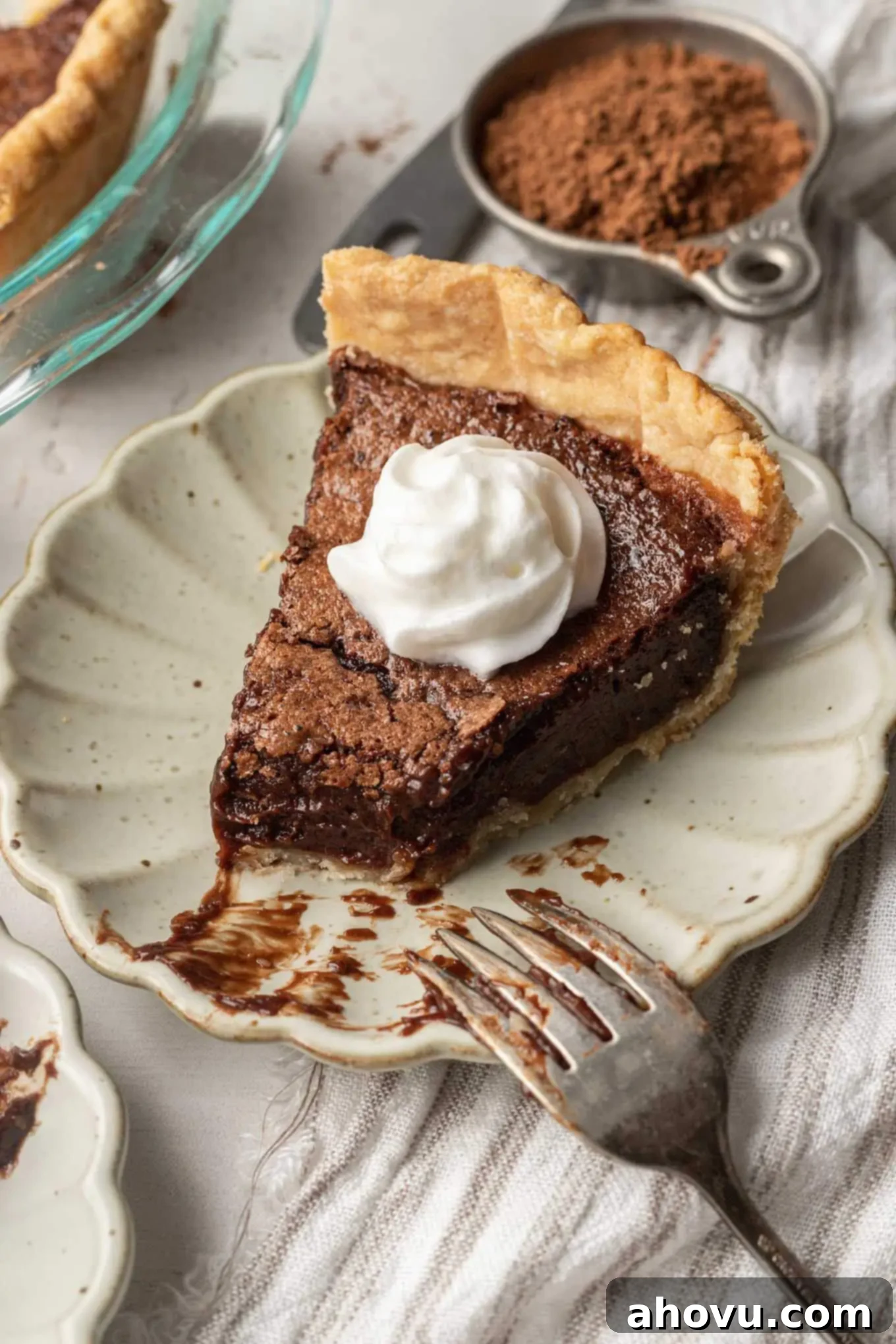
The original chess pie filling is typically thickened with either flour or cornmeal, giving it a unique texture that’s somewhere between a custard and a firm pudding. Our chocolate rendition takes all the beloved characteristics of the classic and elevates them with a generous infusion of cocoa. The key difference in our chocolate chess pie is the pronounced chocolate flavor achieved through cocoa powder and the use of cornstarch (or cornflour) to achieve that signature fudgy, rich, and almost brownie-like consistency, rather than a flour-based thickener. This creates a deeply satisfying dessert that’s sweet, dense, and utterly irresistible. Its glossy, slightly crackled top and intense chocolate flavor make it a standout on any dessert table. If your family adores chocolate, this easy-to-make pie is destined to become a new favorite tradition for years to come.
Essential Ingredients for Your Perfect Chocolate Chess Pie
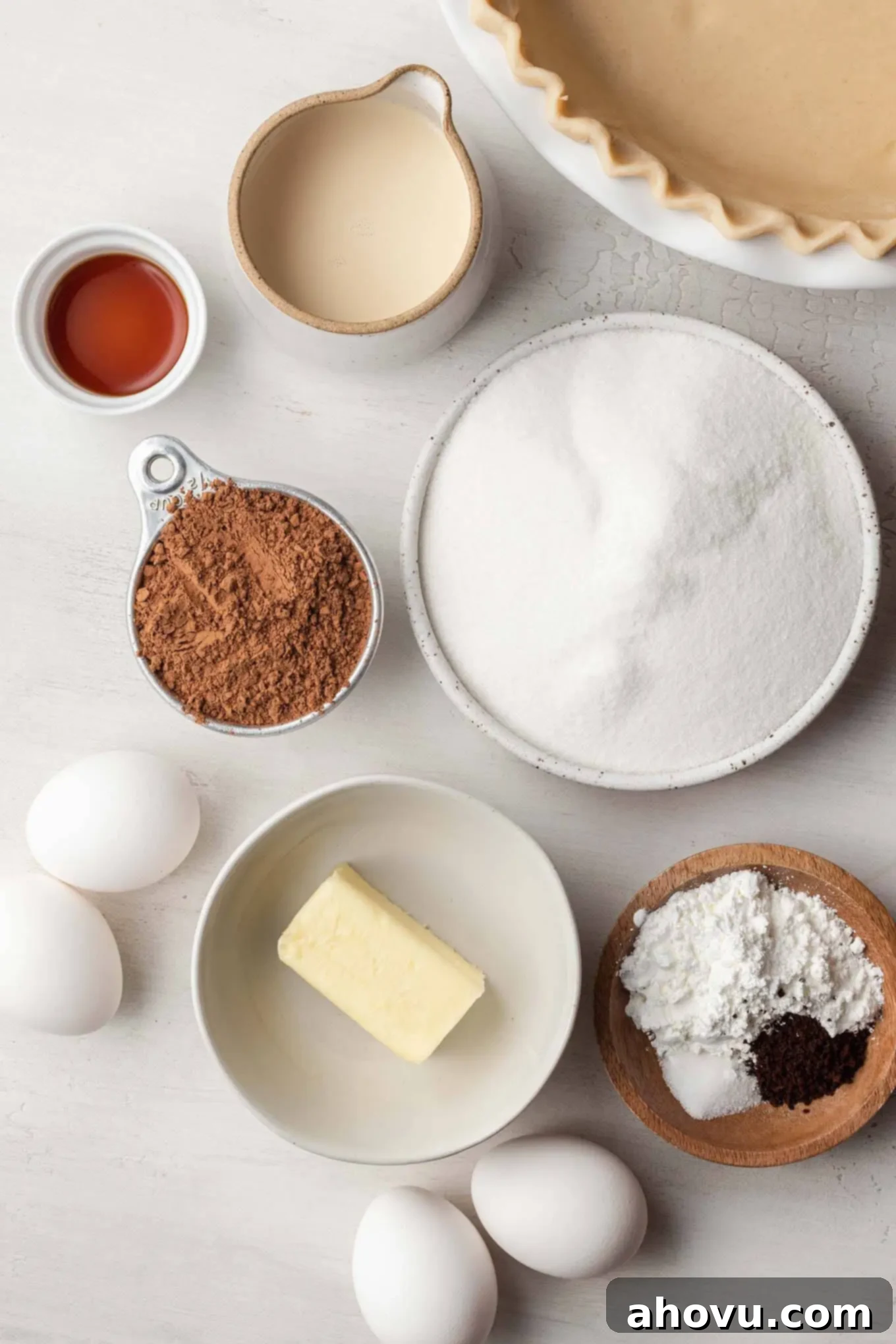
Crafting this incredibly delicious homemade chocolate chess pie is surprisingly straightforward, thanks to a list of common pantry ingredients. You likely have most of these on hand, making this an accessible recipe for bakers of all skill levels. While the full list with exact measurements is in the recipe card below, let’s highlight some of the main components and their roles in creating this Southern delight, along with useful tips.
- Pie Crust: The essential foundation for our chess pie! You’ll need one 9-inch pie crust for this recipe. You have the option of using a convenient store-bought crust, which works perfectly fine, or you can elevate your pie by making a homemade pie crust from scratch. A homemade crust offers an unparalleled buttery flavor and flaky texture that truly makes a difference. Whichever you choose, blind baking it beforehand is a crucial step to prevent a soggy bottom and ensure a wonderfully crisp foundation for your rich, moist filling.
- Granulated Sugar: As expected in any sweet pie, sugar is the primary sweetener here. It provides the pie with its characteristic Southern sweetness and contributes to the smooth, slightly glossy texture of the filling as it dissolves during baking.
- Unsweetened Cocoa Powder: The star ingredient that gives our pie its signature chocolate flavor! You can use either Dutch-processed or natural unsweetened cocoa powder in this recipe. Dutch-processed cocoa is darker and has a milder, less acidic chocolate flavor, while natural cocoa is lighter in color with a fruitier, more intense chocolate taste. For the smoothest possible filling, always sift your cocoa powder through a fine-mesh sieve, especially if it looks lumpy, to prevent dry pockets or chocolate clumps in your finished pie.
- Cornstarch (or Cornflour): This is our key thickening agent, responsible for achieving that wonderfully thick and fudgy chocolate filling without the need for traditional flour. Cornstarch is a powerful starch that creates a smooth, glossy, and firm texture, helping the pie hold its shape beautifully once chilled. It also contributes to the pie’s signature dense, almost brownie-like consistency.
- Instant Espresso Powder: Don’t be alarmed by the name—this ingredient won’t make your pie taste like coffee! Its magical purpose is to subtly enhance and deepen the chocolate flavor, making it richer and more complex. It’s a common trick among experienced bakers to intensify chocolate notes without introducing a distinct coffee taste. If you don’t have instant espresso powder, you can substitute it with an equal amount of instant coffee granules or simply omit it from the recipe. Just note that the chocolate flavor might be slightly less intense without it.
- Salt: A small but mighty ingredient! A pinch of salt is vital for balancing the sweetness and intensifying all the other flavors, particularly the deep notes of chocolate. It prevents the pie from tasting overly sweet and brings out the best in every ingredient.
- Evaporated Milk: This ingredient is essential for the filling’s creamy consistency and rich body. It’s absolutely critical to use *evaporated milk* and not sweetened condensed milk! Evaporated milk is unsweetened and has a thinner, more fluid consistency similar to regular milk, but with a richer, slightly caramelized flavor due to some of its water content being evaporated. Sweetened condensed milk, on the other hand, is much thicker and intensely sweet and will drastically alter both the pie’s texture and sweetness profile, leading to an incorrect result.
- Unsalted Butter: Melted butter adds luxurious richness, essential moisture, and a silky smoothness to the chocolate filling. Using unsalted butter allows you to precisely control the overall saltiness of the pie. Ensure the butter is melted and then allowed to cool slightly before adding it to the mixture, as hot butter could accidentally scramble the eggs.
- Pure Vanilla Extract: A classic flavor enhancer that beautifully complements the chocolate, adding warmth, depth, and a familiar aromatic note to the pie’s overall taste profile. Always use pure vanilla extract for the best flavor.
- Eggs and Egg Yolks: You’ll need both whole large eggs and additional large egg yolks for this recipe. The whole eggs provide structure and help the custard-like filling to set properly during baking. The extra egg yolks contribute significantly to a richer, creamier, and more luxurious mouthfeel, giving the pie its signature smooth and dense texture. For optimal results and smooth incorporation, it’s best to bring your eggs and egg yolks to room temperature before beginning the recipe.
Step-by-Step Guide: How to Make Chocolate Chess Pie from Scratch
Creating this delightful homemade chocolate chess pie is a rewarding baking experience that culminates in a truly spectacular dessert. The process involves two main stages: meticulously preparing and blind baking the pie crust, and then crafting the rich chocolate filling. Follow these detailed steps to ensure a perfect, fudgy, and delicious pie every single time.
Preparing and Blind Baking the Pie Crust
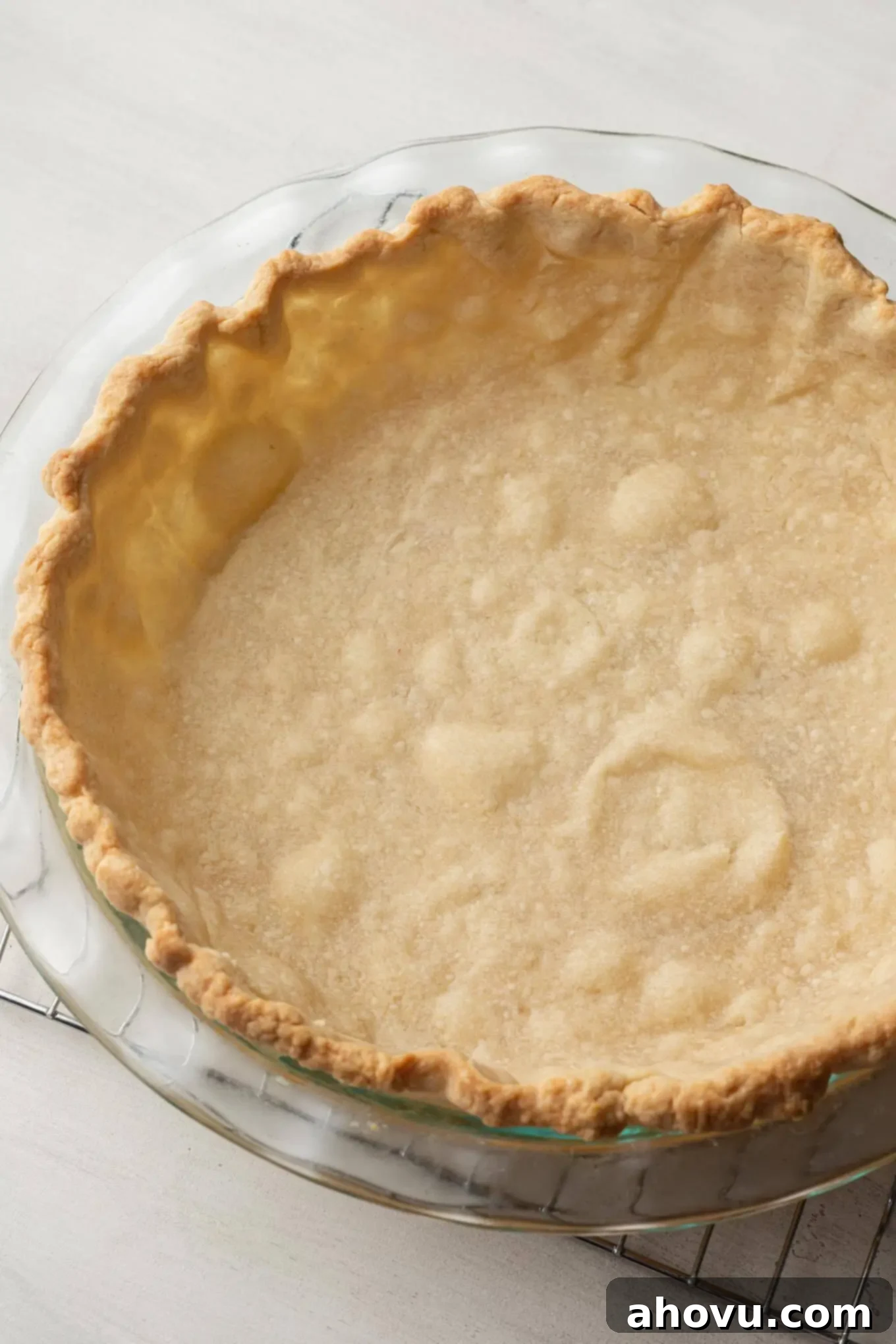
The first and often most critical step for any custard-based pie, including our chocolate chess pie, is to properly prepare and partially bake (also known as blind bake) your pie crust. This essential technique ensures that the bottom of your crust remains wonderfully crisp, flaky, and completely prevents it from becoming soggy under the weight of the moist, rich chocolate filling. This step is not optional for the best results!
- Preheat Oven and Prepare Dough: Begin by preheating your oven to 400ºF (204°C). If you’re preparing a homemade pie crust, follow your recipe instructions to make the dough. For a store-bought crust, simply unroll it according to the package directions.
- Roll and Fit into Pie Plate: On a lightly floured surface, roll out your pie dough into a uniform circle, approximately 12 inches in diameter. Carefully transfer the rolled dough into a standard 9-inch pie plate. Gently press the dough into the dish, ensuring it fits snugly against the bottom and sides without stretching. Trim any excess dough from the edges, leaving about a ½-inch overhang, which you can then crimp or flute beautifully for a decorative and traditional finish.
- Chill the Dough: Place the pie plate with the prepared dough into the refrigerator and allow it to chill for about 15 to 20 minutes while your oven finishes preheating. Chilling the dough at this stage is crucial as it helps to firm up the butter in the crust, preventing it from shrinking excessively during baking.
- Line and Weight for Blind Baking: Once the oven is preheated and the dough has firmed up slightly, remove the pie plate from the refrigerator. Line the entire surface of the pie dough with parchment paper or aluminum foil, making sure it covers the bottom and extends well up the sides of the crust. Fill the lined crust generously with pie weights, dried beans, or even uncooked rice. Ensure the weights are pressed up against the sides of the crust as well; this support prevents the crust edges from slumping down during baking.
- First Bake with Weights: Transfer the weighted pie crust to the preheated oven. Bake for 15 minutes, or until the edges of the crust just begin to turn a light golden brown. If you are using a pre-made, store-bought pie crust, you might find that it browns a bit faster, so keep an eye on it and potentially reduce this initial baking time slightly.
- Second Bake Without Weights: Carefully remove the pie crust from the oven. Gently and slowly lift out the parchment paper (or foil) and the pie weights. Return the now unweighted pie crust to the oven and bake for an additional 5 to 6 minutes. This second bake ensures the bottom of the crust is thoroughly cooked, dried out, and perfectly golden, which is vital for preventing any sogginess once the moist filling is added.
- Cool the Crust: Once the blind baking is complete, remove the partially baked crust from the oven and set it aside on a wire rack to cool slightly. It doesn’t need to be completely cold, but it shouldn’t be piping hot when the filling is added. This cooling period prevents the hot crust from cooking the filling too quickly or unevenly.
Crafting the Rich Chocolate Chess Pie Filling
While your pie crust is cooling, it’s the perfect time to assemble the indulgent and decadent chocolate filling. Remember to adjust your oven temperature for the pie’s main bake before you start mixing the wet ingredients.
- Adjust Oven Temperature: Crucially, reduce the oven temperature to 350°F (175°C). The filling needs to bake at a lower, more gentle temperature than the initial blind bake of the crust to ensure it cooks evenly and sets properly without scorching the top or drying out.
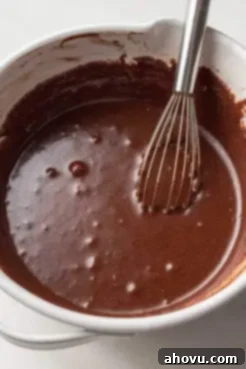
- Combine Dry Ingredients: In a large mixing bowl, thoroughly whisk together the granulated sugar, unsweetened cocoa powder (remember to sift it if it’s lumpy!), cornstarch, instant espresso powder, and salt. Whisking these dry ingredients very well ensures they are evenly distributed, preventing any pockets of unmixed starches or cocoa in the final filling, which could lead to an inconsistent texture.
- Mix in Wet Ingredients (Except Eggs): Add the evaporated milk, the slightly cooled melted butter, and pure vanilla extract to the dry mixture. Using a whisk, mix until the ingredients are just combined and the batter appears smooth. At this stage, be careful not to over-mix; just enough to integrate everything.
- Gently Incorporate Eggs: In a separate, smaller bowl, lightly beat the whole large eggs and extra large egg yolks together until they are just combined and uniform in color. This step ensures the eggs are fully broken up and will incorporate smoothly into the chocolate batter. Then, gently mix these beaten eggs into the chocolate filling mixture until they are *just* combined. This is a critical point: avoid over-mixing the eggs at all costs, as excessive whisking can introduce too much air, which may cause the filling to become rubbery, dense, or even crack on the surface during baking. Mix only until no visible streaks of egg yolk remain.
Baking, Cooling, and Chilling for Perfection
The final steps involve carefully baking the assembled pie to perfection, followed by essential cooling and chilling periods. These resting times are crucial for the pie’s texture, setting, and ability to slice cleanly, so patience is key for the best results!
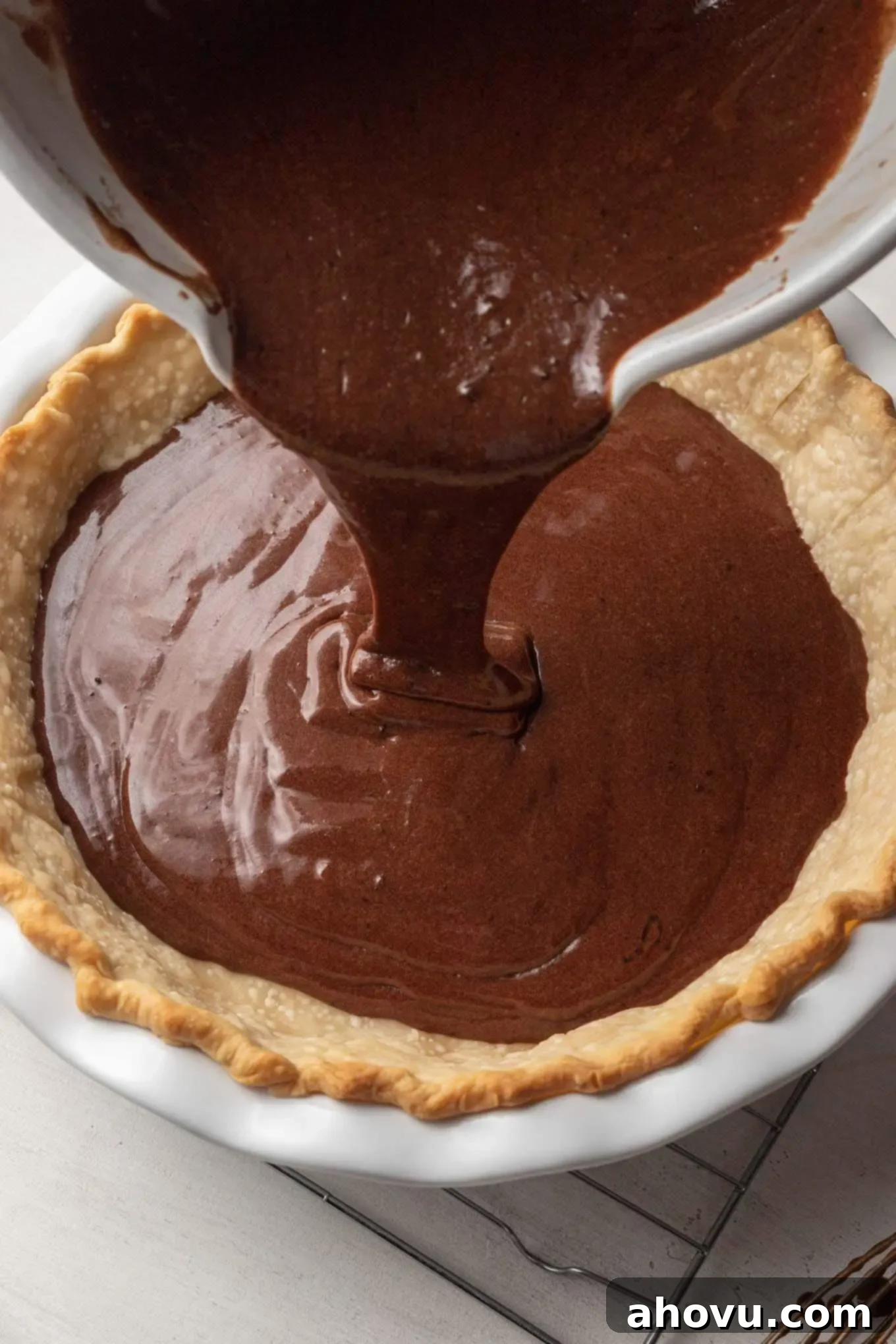
- Fill the Crust: Pour the beautifully prepared chocolate filling into your partially baked and slightly cooled pie crust. If necessary, you can gently smooth out the top of the filling with the back of a spoon or an offset spatula to ensure an even and attractive surface.
- Bake the Pie: Carefully transfer the pie plate to your preheated oven (set at 350°F / 175°C). Bake for approximately 30 to 35 minutes. The pie is done when it’s mostly set around the edges but the very center (about a 2-inch diameter) still has a slight, gentle jiggle when the pie plate is lightly nudged. This “slight jiggle” indicates that it’s cooked through but not overbaked, ensuring a perfectly fudgy, not dry, interior.
- Cool Completely and Refrigerate: This is an absolutely vital step that you cannot skip for a perfectly set pie! Remove the pie from the oven and allow it to cool completely to room temperature on a wire rack. This usually takes about 2 hours. After it has reached room temperature, cover the pie loosely but securely with plastic wrap to prevent a skin from forming and to keep it fresh. Then, transfer the covered pie to the refrigerator and chill for an additional 2 to 3 hours, or even better, overnight for the most optimal results. This extended cooling and chilling period allows the chocolate filling to fully set and firm up into its dense, fudgy, and sliceable state. Attempting to slice the pie before it’s thoroughly chilled will result in a soft, runny, and messy filling.
Serving Your Decadent Chocolate Chess Pie
Once your homemade chocolate chess pie is perfectly chilled and ready, it’s time to indulge! This is an incredibly rich, sweet, and satisfying chocolate dessert, so it truly shines on its own. While it’s absolutely delicious “as is” with its intense flavor and fudgy texture, a few simple garnishes can elevate its presentation and complement its deep flavors without overpowering them. Resist the urge to drown it in heavy, sugary sauces; with a pie this flavorful, less is often more.
Consider serving your slices of chocolate chess pie with one of these delightful and classic accompaniments:
- A Light Dusting of Powdered Sugar: A classic, elegant, and simple touch that adds a subtle hint of extra sweetness and a beautiful visual contrast against the dark chocolate.
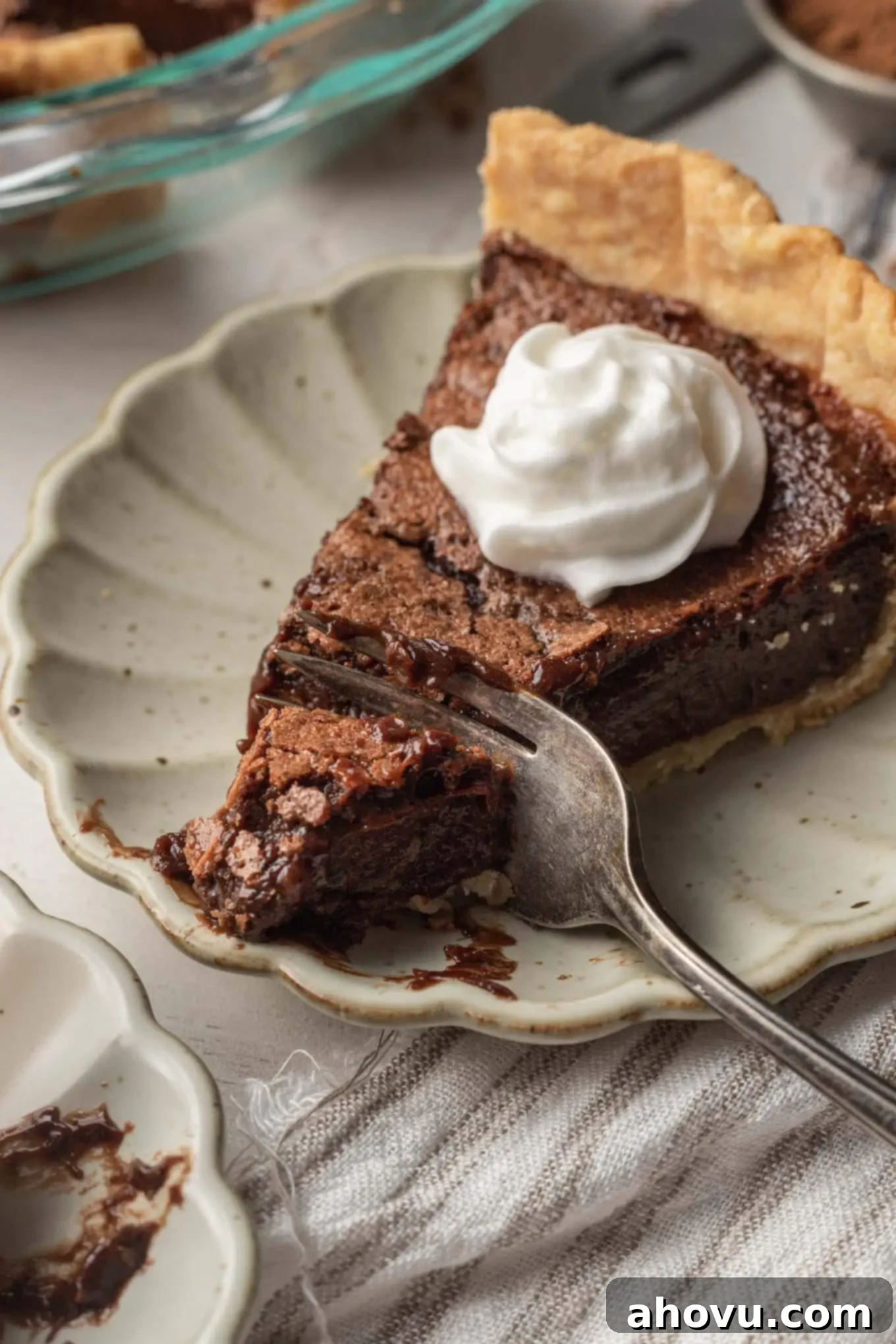
- Homemade Whipped Cream: A generous dollop of light, airy, and either unsweetened or lightly sweetened whipped cream provides a refreshing counterpoint to the pie’s richness. The cool creaminess cuts through the density of the chocolate, creating a simply divine pairing.
- A Small Scoop of Vanilla Ice Cream: The classic combination of warm (or room temperature) pie and cold ice cream is always a winner. The creamy, cold vanilla ice cream melts ever so slightly when paired with a slice of pie, creating a delightful textural and temperature contrast that enhances the entire dessert experience.
- Fresh Berries: A scattering of fresh raspberries, blackberries, or sliced strawberries can add a lovely touch of tartness and bright color. The slight acidity of the fruit helps to cut through the richness of the chocolate, offering a beautiful balance of flavors.
- A cup of coffee or espresso: For the ultimate indulgence, pair a slice with a hot cup of coffee or espresso. The robust bitterness of the coffee creates a wonderful harmony with the sweet, rich chocolate.
How to Tell When Your Chocolate Chess Pie is Perfectly Done
Determining the doneness of a custard-based pie like chocolate chess pie can be a bit tricky, as the traditional toothpick test used for cakes isn’t an accurate indicator here. The key is to look for specific visual and textural cues, focusing on the pie’s set and jiggle:
- The Gentle Jiggle Test: The most reliable method is to gently shake the pie plate. The edges of the pie should appear set and firm, showing no movement. However, the very center of the pie (typically an area about 1 to 2 inches in diameter) should still have a slight, delicate wobble, or “jiggle.” This slight jiggle indicates that the pie is cooked through but not overbaked. The residual heat will continue to cook and set the center as the pie cools. If the entire pie jiggles significantly like liquid, it needs more time in the oven. If there’s no jiggle at all, it might be slightly overbaked, which can sometimes lead to a drier texture, but it will still be delicious.
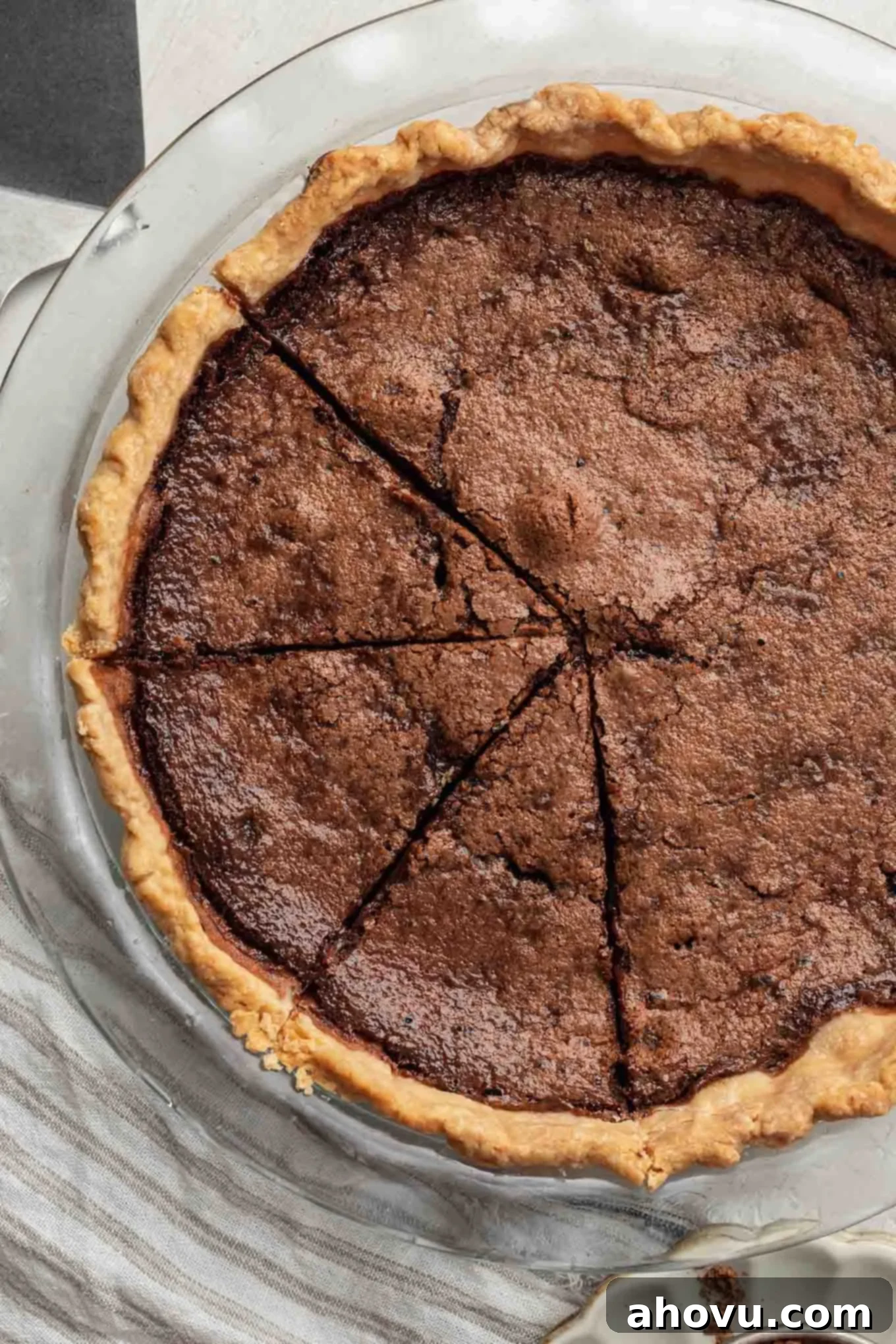
- Visual Cues: The surface of the pie might develop a few hairline cracks as it cools, which is perfectly normal and indicates it’s setting. The crust edges should be golden brown, and the filling itself will appear dark and rich.
- Avoid Overbaking: Overbaking custard pies can lead to a dry, cracked, or rubbery filling texture, detracting from that desired fudgy consistency. It’s almost always better to err on the side of a slight underbake, as the pie will continue to cook and firm up as it rests and cools.
- The Importance of Cooling is Paramount: Remember, the filling will continue to firm up considerably as it cools down to room temperature for the recommended two hours, and then even more significantly during the subsequent 2-3 hours (or overnight) of refrigeration. This extended resting and chilling period is absolutely essential for the pie to achieve its perfect dense, fudgy, and easily sliceable texture. Do not rush this step, or you’ll risk a messy pie.
Storage and Freezing Instructions for Your Chocolate Chess Pie
To ensure your homemade chocolate chess pie remains fresh, delicious, and maintains its optimal texture, proper storage is essential. Here’s how to keep your pie at its best for future enjoyment:
- Refrigeration: Once the pie has completely cooled to room temperature (after its initial 2-hour rest) and has undergone its initial refrigeration period (another 2-3 hours or overnight), it must be stored in the refrigerator. To keep it fresh, cover the pie loosely but securely with plastic wrap, ensuring the wrap doesn’t touch the filling if possible to prevent condensation. Alternatively, you can transfer it to an airtight pie container designed for dessert storage. Stored properly in the fridge, your decadent chocolate chess pie will remain fresh and delightful for about 4 to 5 days.
- Freezing for Longer Storage: For extended enjoyment, chocolate chess pie freezes beautifully, allowing you to prepare it in advance or save leftovers. To freeze, ensure the pie is completely cooled and fully chilled from the refrigerator. For best protection against freezer burn, wrap the entire pie (or individual slices, if you’ve already cut it) tightly with several layers of plastic wrap. Follow this with an additional layer of heavy-duty aluminum foil. This double wrapping method helps to create an airtight seal. Place the thoroughly wrapped pie in a large freezer-safe bag or a sturdy airtight container. It can be stored in the freezer for up to 3 months.
- Thawing Frozen Pie: When you’re ready to enjoy your frozen pie, transfer it from the freezer to the refrigerator and allow it to thaw slowly overnight. This gradual thawing helps to preserve the pie’s texture. Once thawed, it can be served chilled directly from the refrigerator or brought closer to room temperature for a slightly softer, more fudgy consistency, depending on your preference.
Expert Baking Tips for the Best Chocolate Chess Pie
Achieving a perfect chocolate chess pie is easy with a few insider tips and tricks. Keep these in mind as you bake to ensure your pie turns out beautifully fudgy, smooth, and delicious every single time, making you a true Southern dessert champion.
- Gentle Egg Incorporation is Key: As we’ve emphasized, make sure to lightly beat the whole eggs and egg yolks in a separate bowl until just uniform before adding them to the chocolate mixture. Then, gently fold or mix them into the batter until *just* combined. The golden rule here is to avoid over-mixing at all costs. Excessive whisking introduces too much air, which can lead to a rubbery or dense filling and may even cause unattractive cracks to form on the surface of your pie during baking. Aim for a smooth, homogenous batter without vigorous aeration.
- Espresso Powder Alternatives: If you find yourself without instant espresso powder, don’t fret! You have a couple of options. You can easily substitute it with an equal amount of instant coffee powder or fine instant coffee granules. Both will provide that crucial depth of chocolate flavor. If you prefer not to use any coffee-related product, you can simply omit it from the recipe; your pie will still be wonderfully delicious, but the chocolate notes might be slightly less intense and complex.
- Preventing Over-Browning of Crust Edges: During the baking process, especially if your oven has hot spots or if you’re using a store-bought crust, the edges of your pie crust might start to brown too quickly before the filling is fully set. To prevent the crust from burning, loosely cover the edges with a pie crust shield (a reusable metal or silicone ring designed for this purpose) or carefully fashion strips of aluminum foil around the crust once it reaches your desired golden color. This will protect the delicate crust from overcooking while the fudgy filling continues to bake to perfection.
- Room Temperature Ingredients Matter: For the smoothest, most cohesive, and properly emulsified filling, it’s highly recommended to use room temperature eggs and evaporated milk. Cold ingredients can cause the melted butter to seize and become lumpy when mixed, or they can create an uneven batter texture, affecting the final consistency of your chess pie.
- Sifting Dry Ingredients for Smoothness: For optimal smoothness in your filling, always sift your dry ingredients, particularly the cocoa powder and cornstarch. This step breaks up any lumps and ensures these powders disperse evenly throughout the batter, resulting in a silky-smooth, lump-free chocolate filling.
- Patience with Cooling and Chilling: This is arguably the most important tip! The extended cooling and chilling periods are not merely suggestions; they are vital for the pie to fully set into its dense, fudgy, and easily sliceable state. Rushing these steps will result in a runny, messy pie that won’t hold its shape. Allow the pie ample time to cool completely and chill thoroughly for the best texture.
- Don’t Be Afraid of Cracks: Sometimes, especially with custard-based pies, small cracks can form on the surface of the filling as it cools. This is completely normal and doesn’t affect the taste or texture of your delicious chocolate chess pie. It’s part of its homemade charm!
More Irresistible Pie Recipes to Try!
If you’ve fallen in love with the comforting and delightful world of homemade pies, or if you’re simply looking for your next baking adventure, here are a few more irresistible recipes to expand your baking repertoire. Each of these pies offers a unique flavor and texture experience that’s sure to impress!
- Chocolate Cream Pie – A lighter, fluffier take on chocolate indulgence.
- French Silk Pie – A truly decadent and silky-smooth chocolate mousse pie.
- Classic Pecan Pie – A Southern staple with a rich, nutty, and gooey filling.
- No-Bake Peanut Butter Pie – A simple yet incredibly satisfying creamy pie, perfect for peanut butter lovers.
- Sweet Potato Pie – Another beloved Southern classic, offering a comforting and spiced flavor profile.
Recipe Video
Chocolate Chess Pie
Pin Recipe
SaveSaved!
Leave a Review
Ingredients
- 1 pie crust homemade or store-bought
- 1 ¾ cups granulated sugar (350 grams)
- ½ cup unsweetened cocoa powder (45 grams)
- 3 tablespoons cornstarch or cornflour (25 grams)
- 1 teaspoon instant espresso powder
- ¼ teaspoon salt
- 1 (5-ounce) can evaporated milk (NOT sweetened condensed milk)
- ¼ cup unsalted butter melted and slightly cooled (60 grams; ½ stick)
- 2 teaspoons pure vanilla extract
- 2 large eggs at room temperature
- 2 large egg yolks at room temperature
Instructions
-
To prepare the pie crust: Preheat the oven to 400°F (204°C).
-
Roll out the pie dough to about 12-inches in diameter. Carefully transfer to a 9-inch pie plate, gently fit it in the dish, and trim any excess dough from the edges or tuck it under.
-
Place the pie plate in the refrigerator and allow the dough to chill for 15 to 20 minutes while the oven is preheating.
-
Once the oven is preheated, remove the pie plate from the refrigerator, decorate the edges, and line the dough with parchment paper or foil, making sure to cover the bottom and the sides. Fill with pie weights or beans, making sure to press them up against the sides as well.
-
Bake with the pie weights for 15 minutes or until the edges of the crust start to lightly brown. If using a store-bought pie crust, you may need to reduce the baking time slightly.
-
Remove from the oven, carefully remove the parchment paper (or foil) and the pie weights. Return to the oven to bake for 5 to 6 more minutes or until the bottom of the crust is set.
-
Remove from the oven and set aside to cool slightly on a wire rack while you prepare the filling.
-
To make the filling: Reduce the oven temperature to 350°F (180°C).
-
In a large mixing bowl, whisk together the sugar, cocoa powder, cornstarch, espresso powder, and salt.
-
Add the evaporated milk, melted butter, and vanilla extract and mix until just combined.
-
In a separate mixing bowl, lightly beat the eggs and egg yolks together, then mix them into the batter until just combined. Make sure not to over mix the batter otherwise the filling may turn out rubbery.
-
Pour the filling into the partially baked pie crust.
-
Bake for 30 to 35 minutes or until the pie is mostly set, but slightly jiggly in the center.
-
Remove from the oven and cool completely to room temperature, about 2 hours. Cover and refrigerate for 2 to 3 more hours before slicing into the pie.
Notes
Freezing Instructions: Wrap tightly with plastic wrap and freeze in a large freezer bag for up to 3 months. Thaw overnight in the refrigerator.